Industrial Procurement & OEM/ODM Whitepaper

OEM/ODM Thermal Break Aluminum Door Manufacturers & Factories

Architectural-Grade Structural Systems, Thermal Barrier Insulation Engineering, and Precision Global Manufacturing Solutions for Commercial and High-End Residential Developments.

Featured Product Catalog

Precision Thermal Break & Hurricane-Impact Systems

Engineered to exceed NFRC, CE, and AS2047 standards with customizable glazing and architectural profiles.
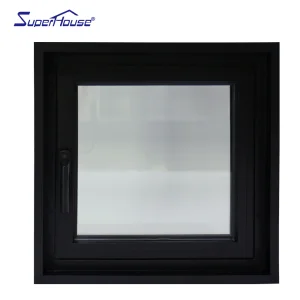
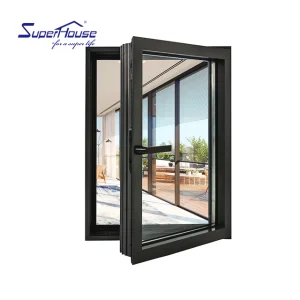
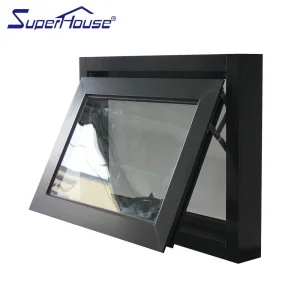
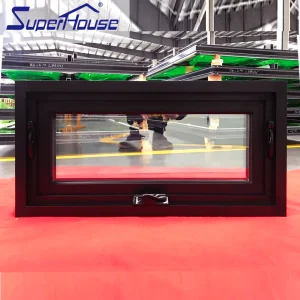
Black Aluminum Awning Window
Superhouse Easy Installed Customizable Tempered Glass Awning Window
View Technical Specs
Hurricane Impact Thermal Break Window
Hurricane Proof Impact Windows Modern Thermal Break Fixed Window
View Technical Specs
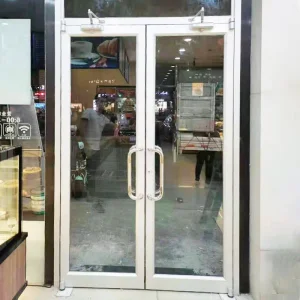
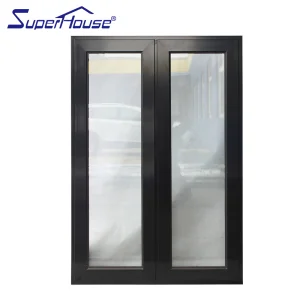
AI Face Recognition Bulletproof Door
Artificial Intelligence Face Recognition Bullet Proof Glass Hinged Door
View Technical Specs
Ultra Narrow Thermal Break Window
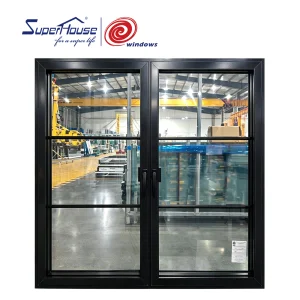
Aluminum Frame Energy Efficient Ultra Narrow Custom French Casement Window
View Technical Specs
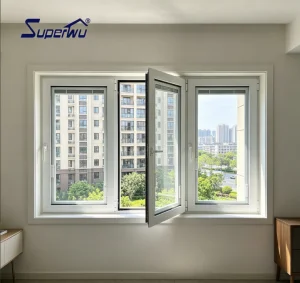
Soundproof Aluminum Swing Window
Aluminum Alloy Swing Windows & Doors Soundproof Energy Star Qualified
View Technical Specs
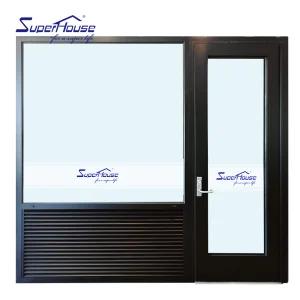
Insulated Sensor Entrance Door
Apartment Commercial Emergency Braking Insulated Glass Sensor Entrance Door
View Technical Specs
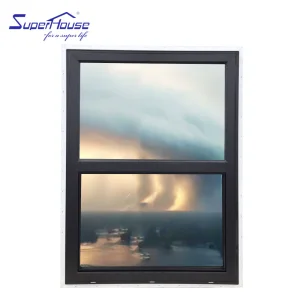
Hurricane Impact Single Hung Window
Superhouse Waterproof Hurricane Impact Double Glass Single Hung Window
View Technical Specs
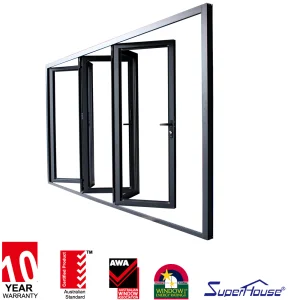
Custom Aluminium Windows and Doors
Factory Direct Custom Aluminium Windows & Doors for Project Builders
View Technical Specs
Executive Industry Whitepaper

Global Landscape of Thermal Break Aluminum Systems

Analyzing structural performance, thermal transmittance regulations, and OEM/ODM manufacturing standards for next-generation fenestration.

45,000 m²
Production Infrastructure
$42M+
Annual Export Volume
350+
R&D Systems Engineers
78 QC
Inspection Specialists

Macro Energy Code Enforcement

The global construction sector is undergoing a paradigm shift driven by stringent building energy conservation codes. Standard unreinforced aluminum frames, while structural, act as thermal bridges that conduct extreme heat or cold. Modern international codes—including ASHRAE 90.1, the EU Energy Performance of Buildings Directive (EPBD), and Australia’s National Construction Code (NCC)—mandate strict overall U-factor requirements. Thermal break aluminum door systems solve this challenge by inserting a reinforced low-conductive polyamide strip (PA66 GF25) between interior and exterior extruded aluminum profiles, breaking the path of thermal transfer.

The OEM/ODM B2B Ecosystem

For commercial general contractors, architectural engineering firms, and high-volume real estate developers, securing a trustworthy OEM/ODM manufacturing partner is vital. Custom tooling, structural wind-load engineering, dynamic color powder coating (AAMA 2605 standard), and integrated multi-point locking systems require factory-level capital investment. OEM/ODM collaboration allows developers to obtain tailored architectural fenestration solutions with certified compliance (CE, NFRC, AS2047, UL) at scalable direct-from-factory pricing.

Factory Footprint & Operations

Zhejiang Shieldoors Security Technology Co., Ltd.

Combining world-class manufacturing scale, international compliance, and integrated supply chain management.

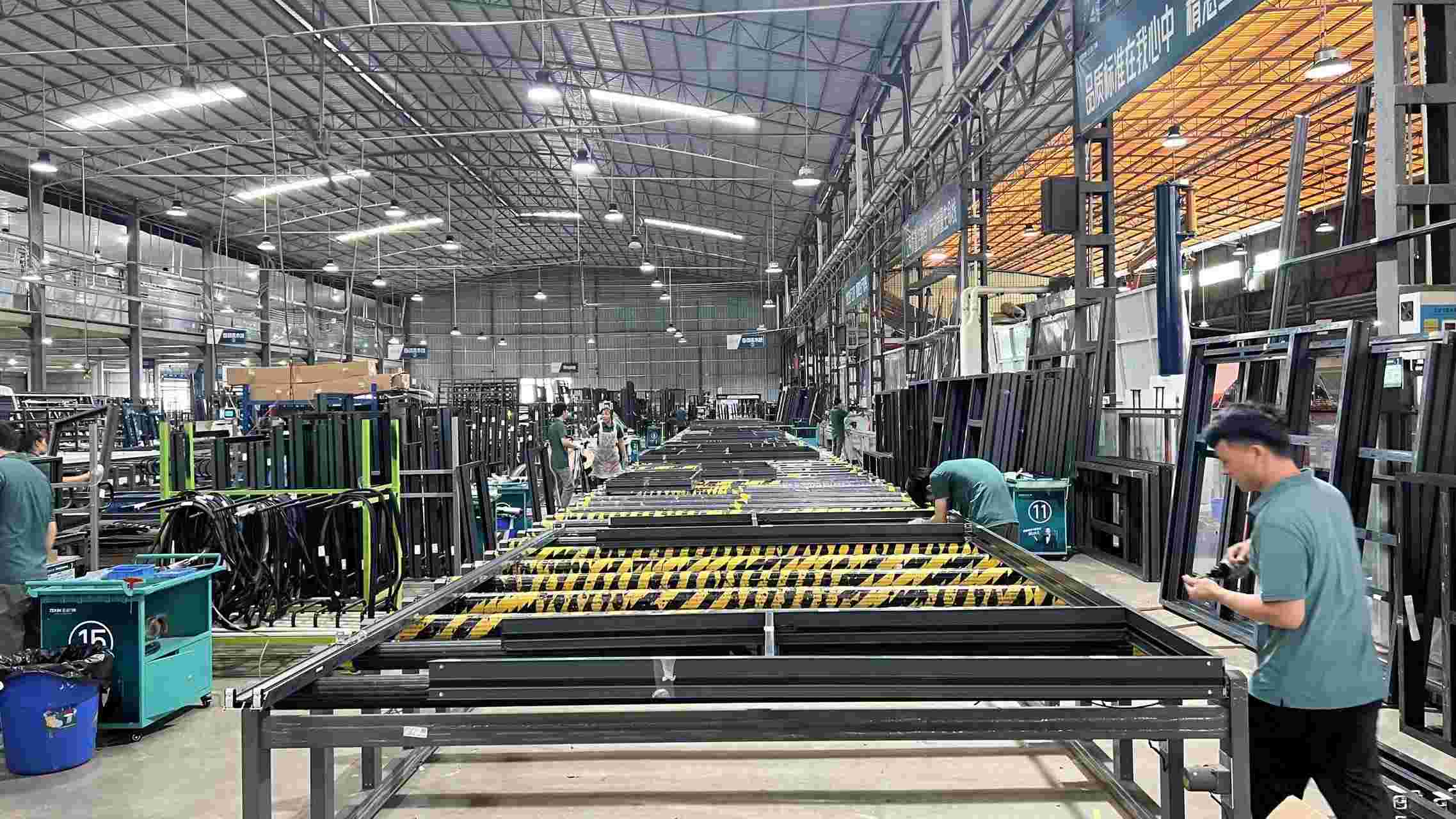
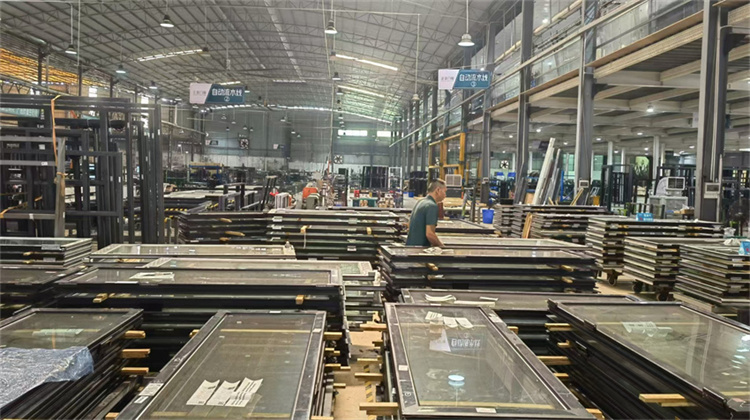
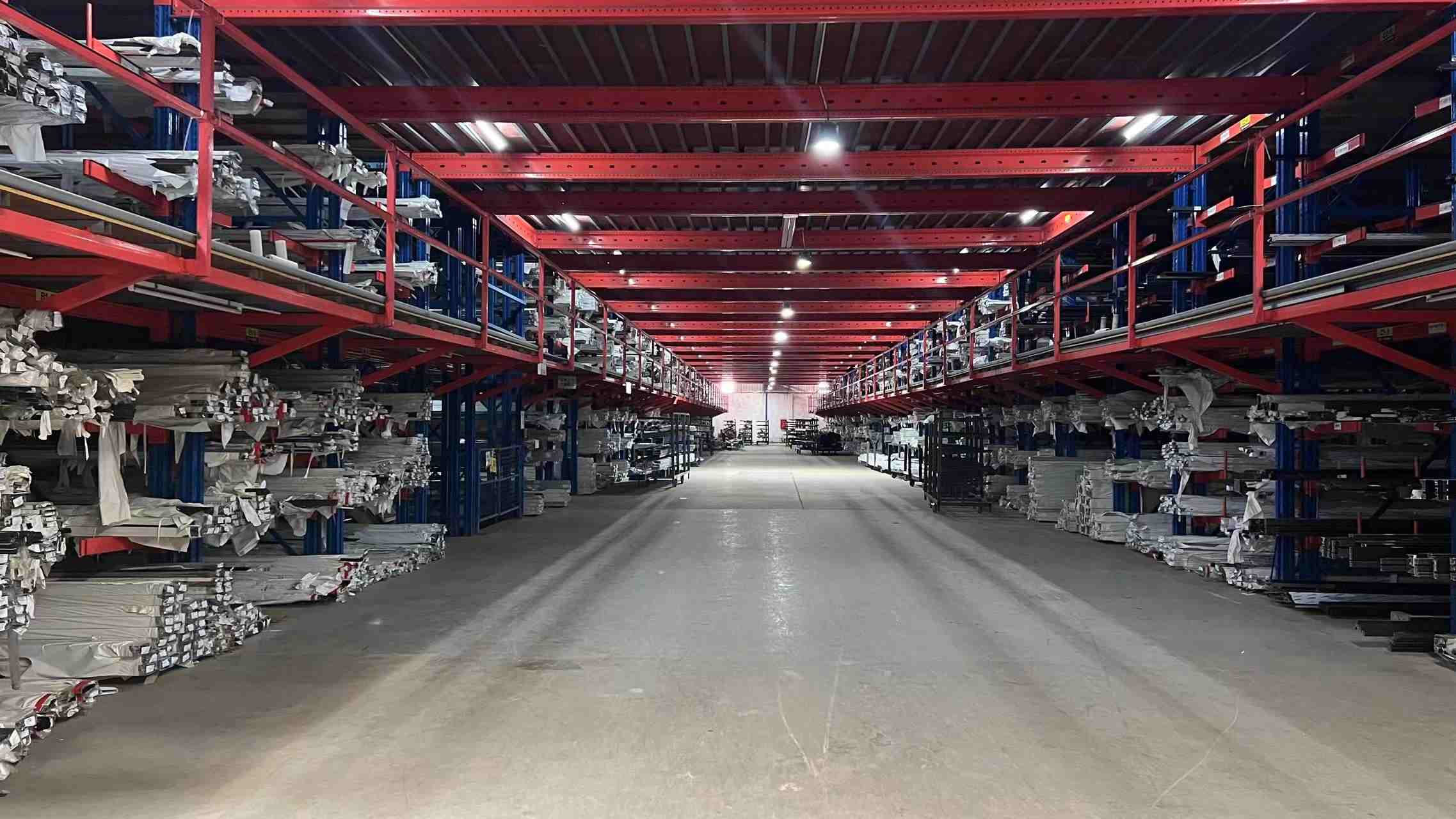
Established in 2016, Zhejiang Shieldoors Security Technology Co., Ltd. operates out of an expansive 45,000 m² state-of-the-art production base. Built upon a foundation of 10 years of domestic industry leadership and 6 years of rapid international trade expansion, the company generates an annual export revenue surpassing USD 42,000,000 across major architectural markets in North America, Australia, Europe, and Southeast Asia.

Rigorous Quality Assurance

Our commitment to manufacturing excellence is maintained through rigorous ISO9001-certified quality control protocols and extensive third-party laboratory testing. Products are certified for CE marking, UL fire-rated protection, and Florida Miami-Dade hurricane-impact resilience. A dedicated quality inspection department of 78 QC specialists monitors every stage from billet extrusion verification to final frame packaging.

R&D & Customization Capabilities

Innovation powers our engineering edge. Backed by a team of 350 skilled R&D engineers, Shieldoors successfully engineered and launched 450 new product designs last year alone. We collaborate directly with architectural firms and real estate developers to provide custom glass build-ups, thermal insulation profiles, acoustic attenuation layers, and smart biometric lock integrations.

Global Supply Chain Network

Working alongside an integrated ecosystem of 1,400 supply chain partners, our enterprise trade background encompasses direct export, commercial project bidding, and localized distribution support. We manage complete logistics, custom extrusion tooling development, structural shop drawings, and field technical installation documentation.
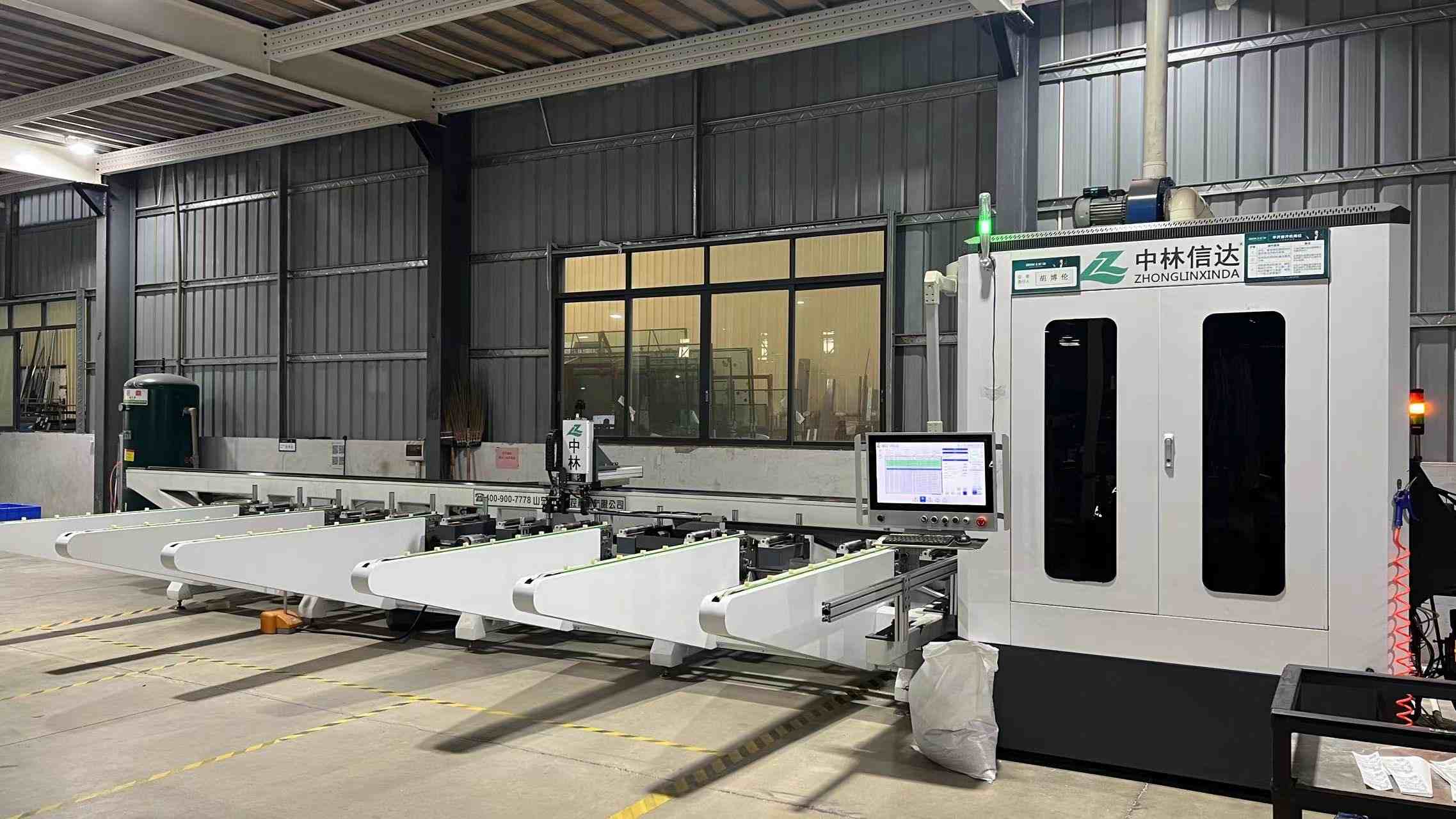
Standardized 8-Stage Manufacturing Workflow

Raw Materials Inspection
1. Raw Materials
Precision Profile Cutting
2. Cutting
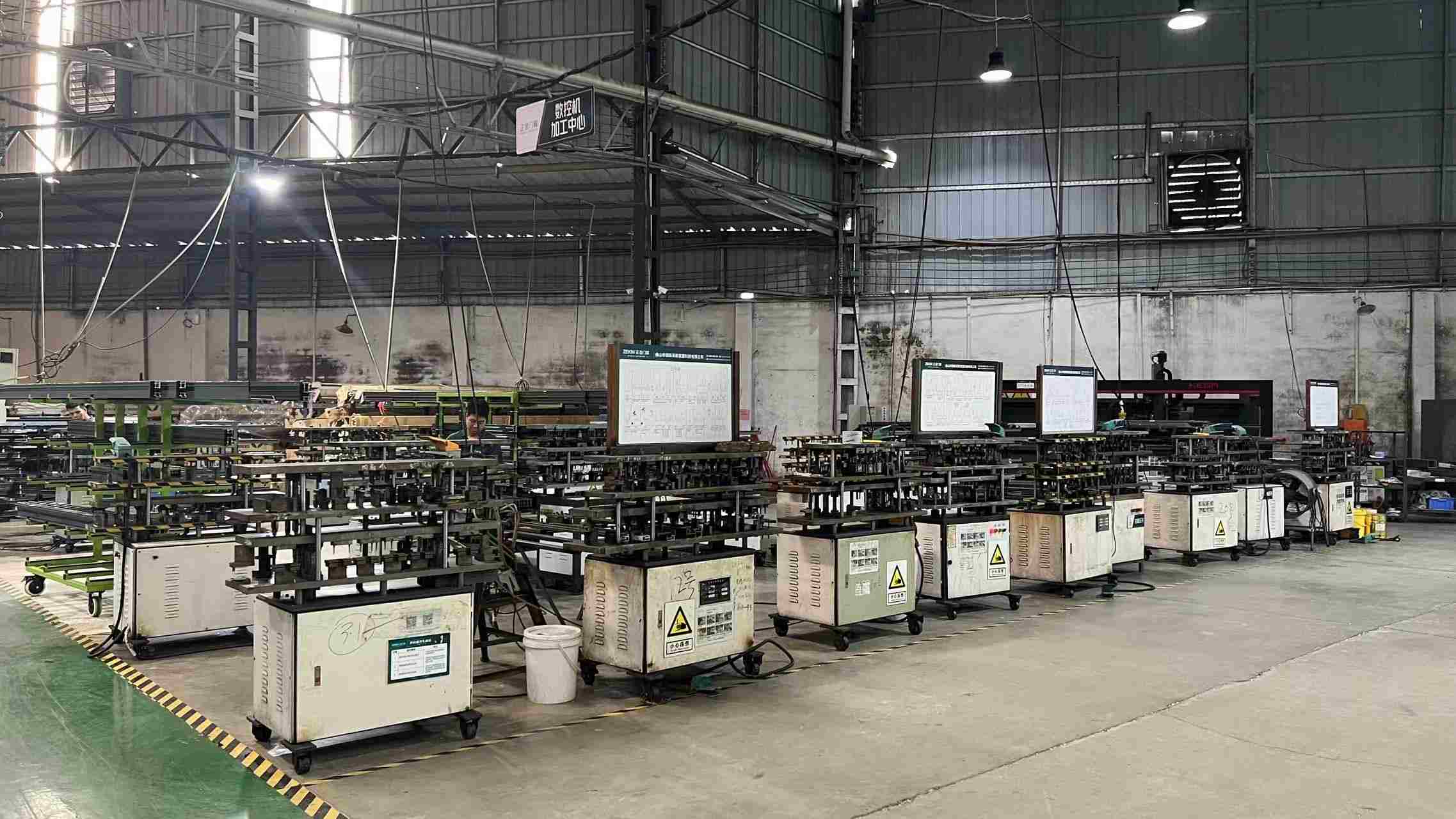
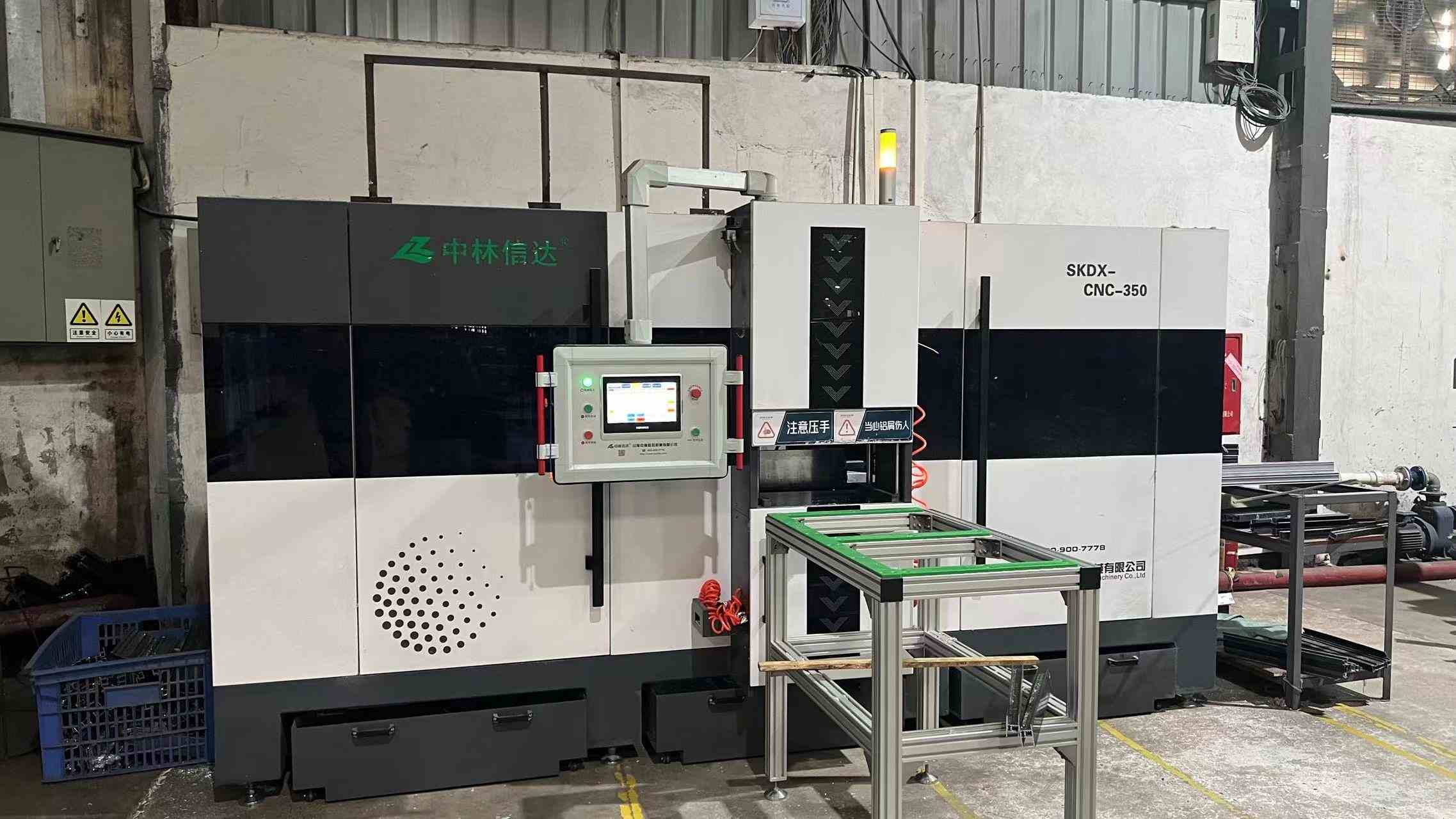
CNC Punching Process
3. Punching
Hollow Glass Processing
4. Hollow Processing
Structural Gluing
5. Gluing
Frame Assembly Stage
6. Assembly
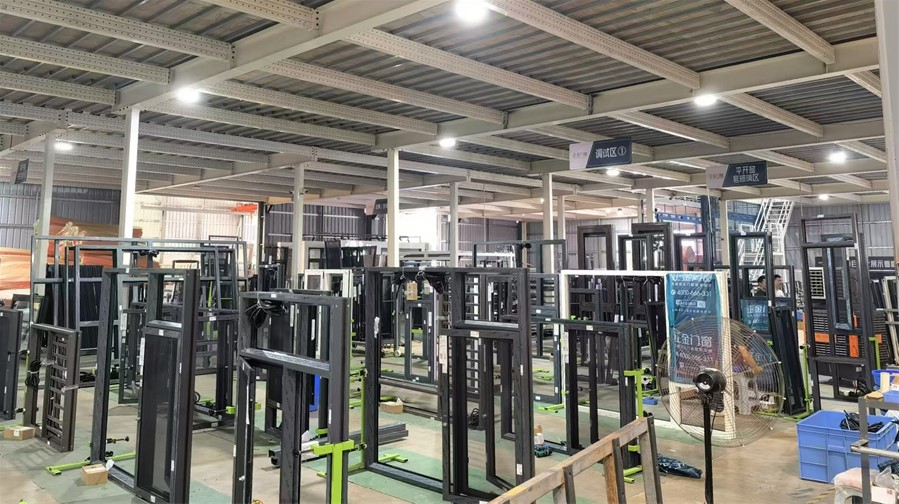
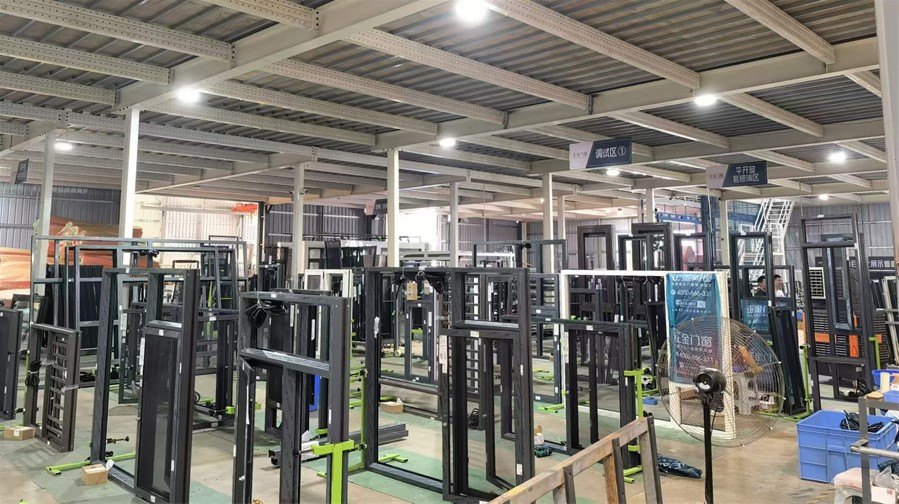
Hardware Debugging
7. Debugging
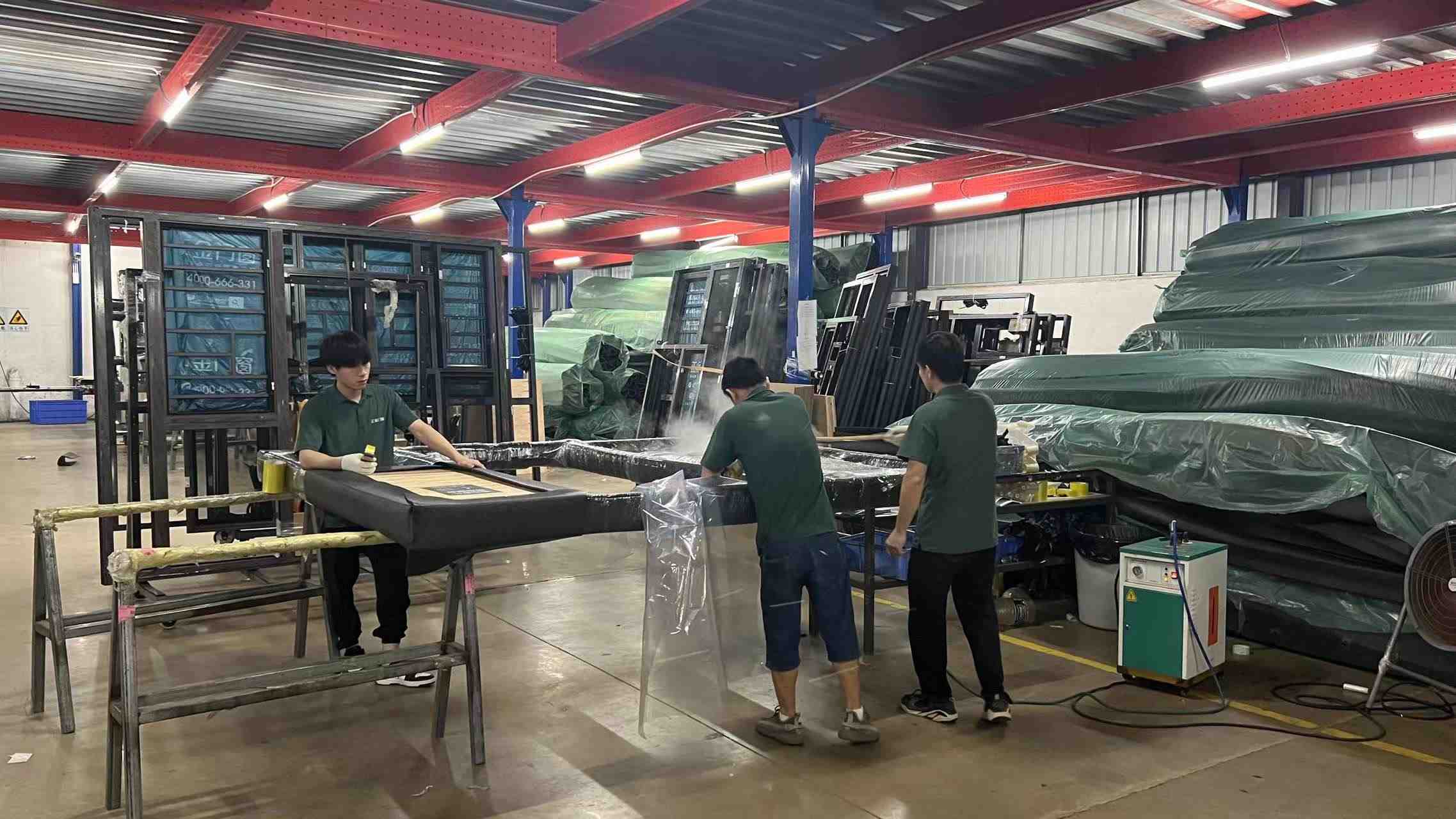
Export Protection Packing
8. Packing

Automated Machinery & Heavy Equipment Matrix

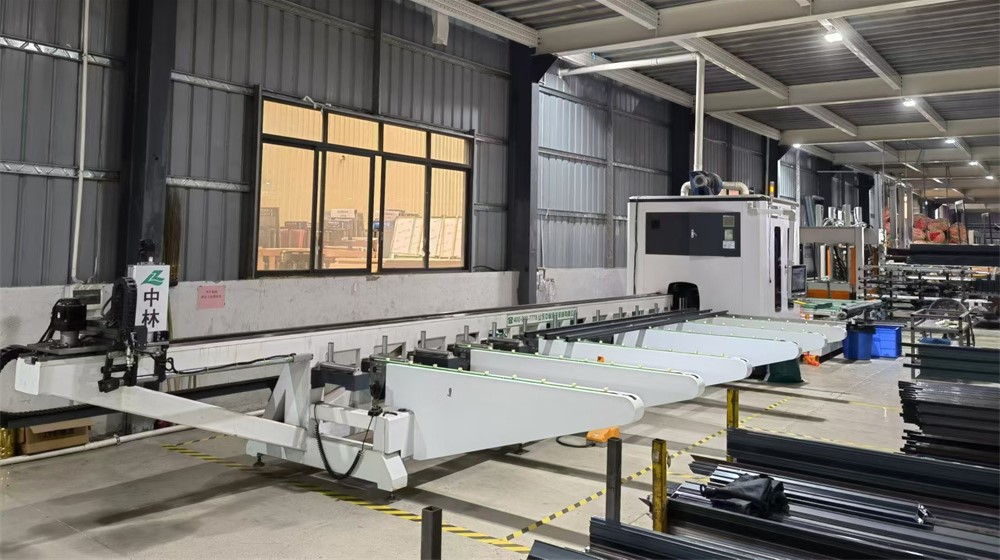
Laser Cutting Machine
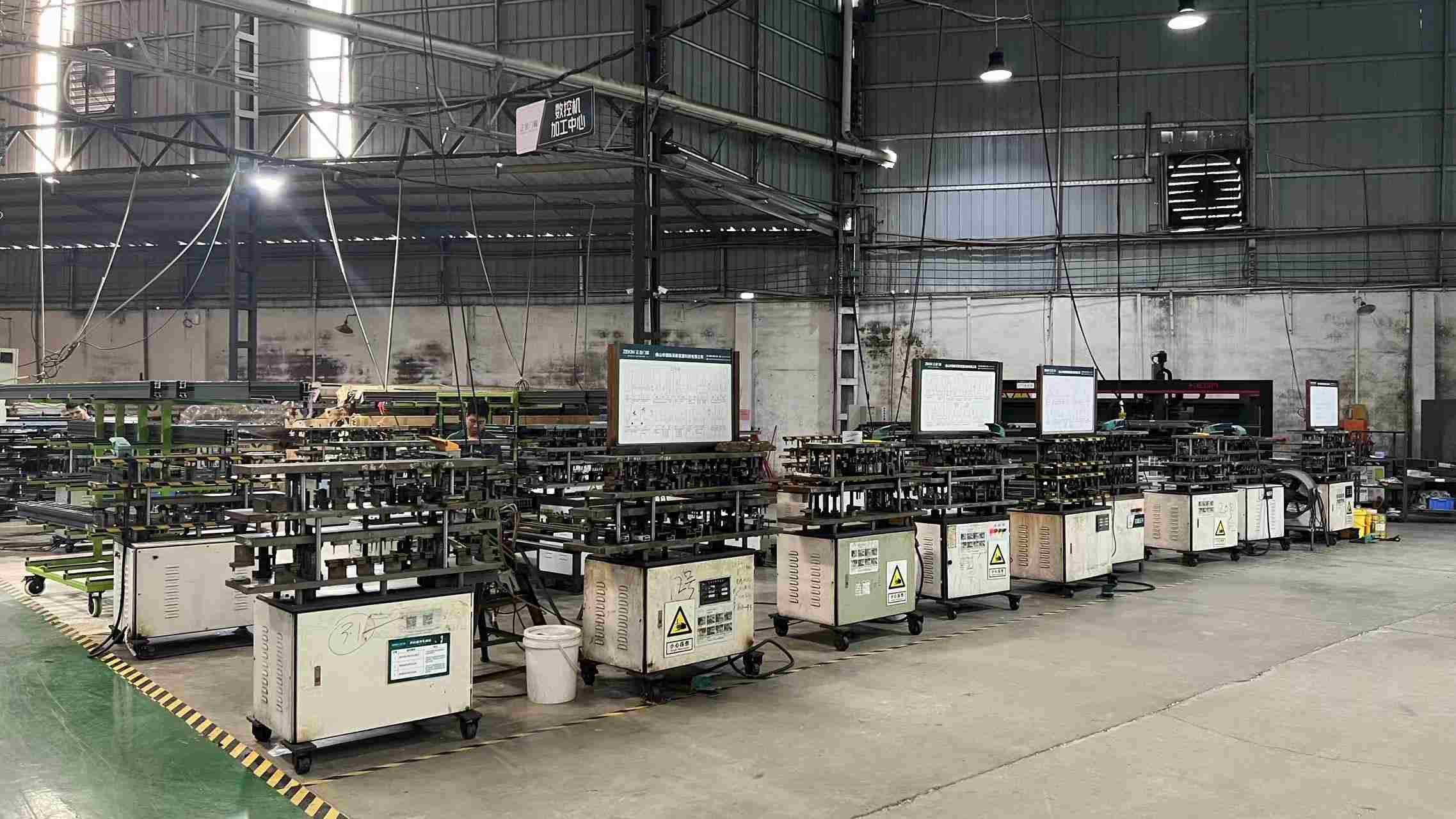
Punching Machine
Punching Machine
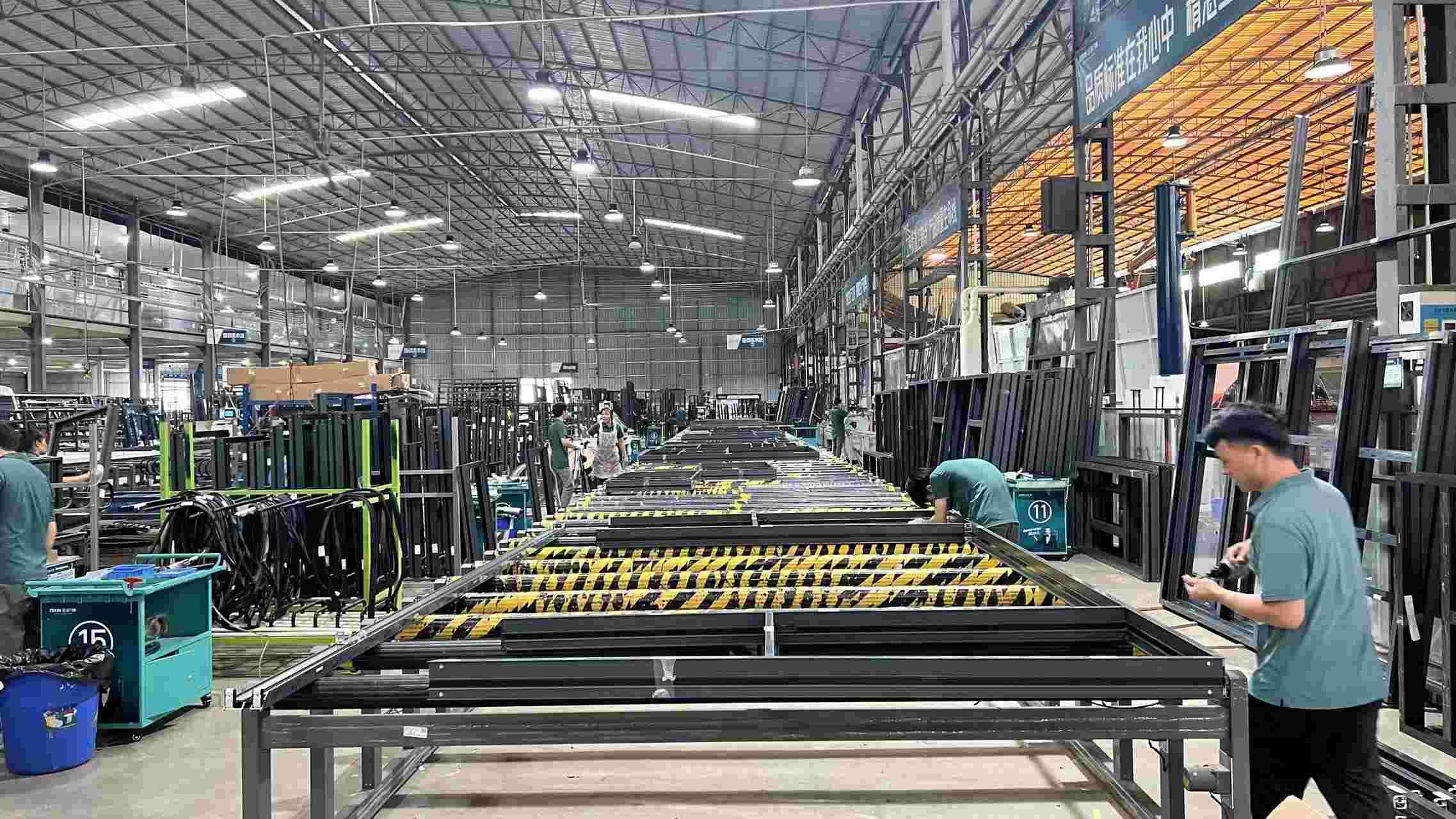
Automated Assembly Line
Assembly Line
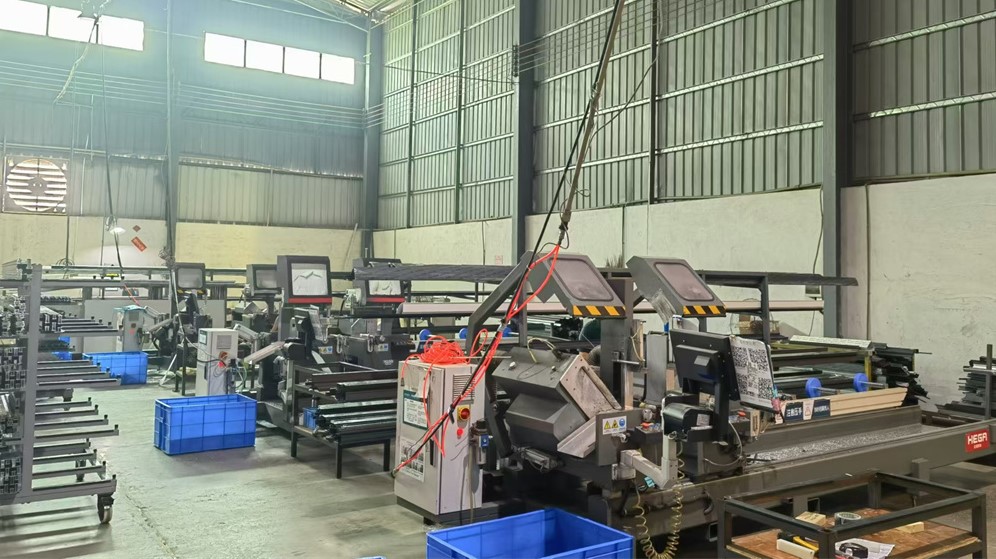
Double Head Sawing Machine
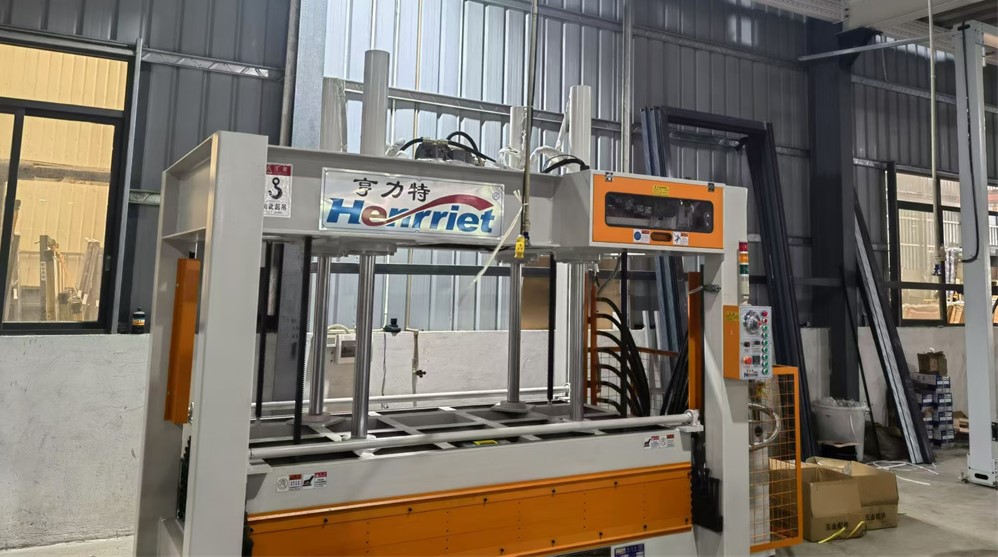
Corner Pressing Machine
Pressing Machine
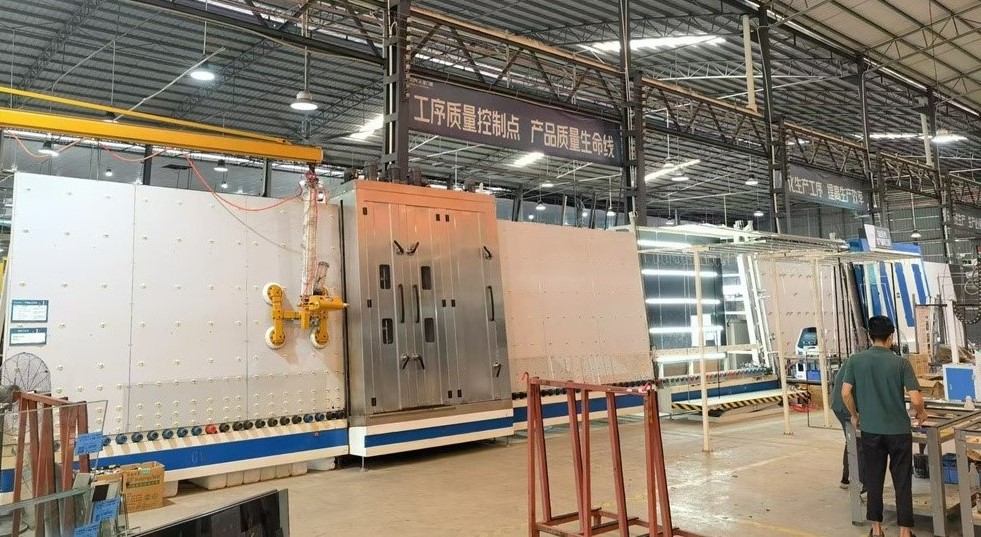
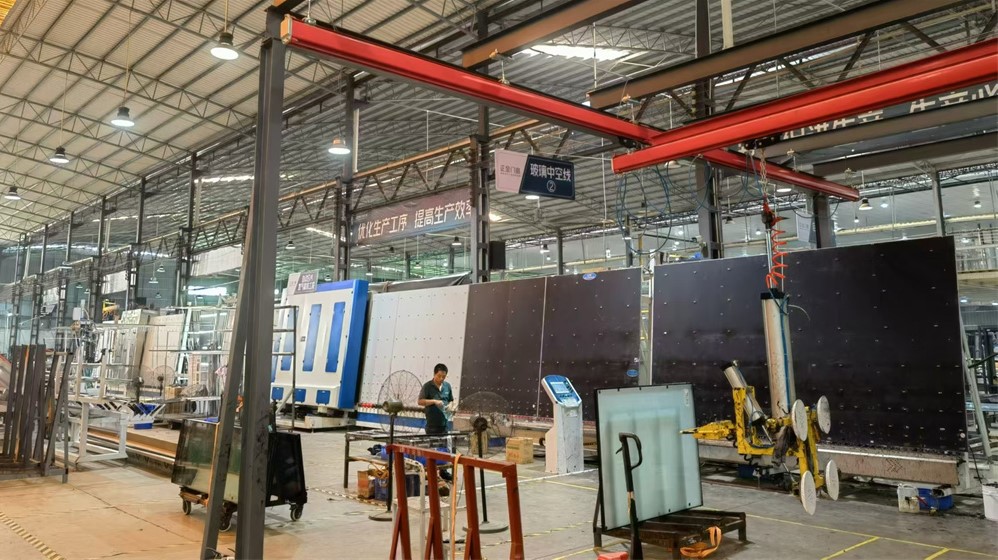
Insulating Glass Hollow Line
Hollow Line
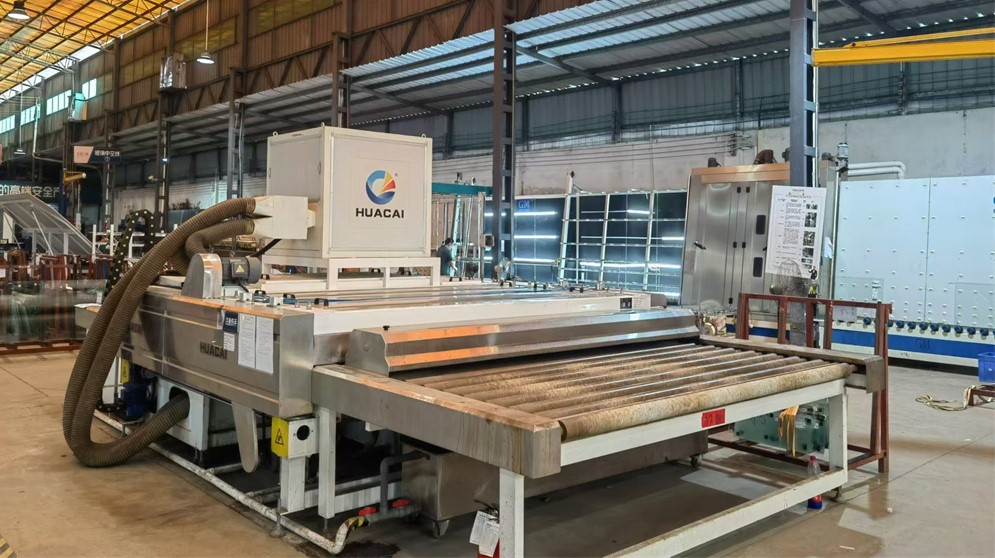
Automatic Glass Cleaning Machine
Glass Cleaning Machine
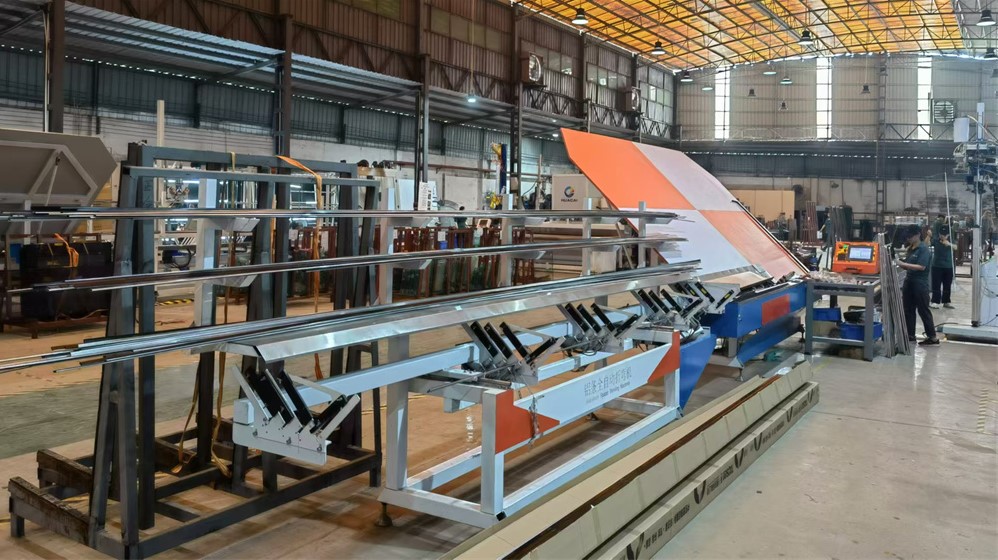
Profile Bending Machine
Bending Machine
Automatic End Milling Machine
Debugging Testing Station
Debugging Station
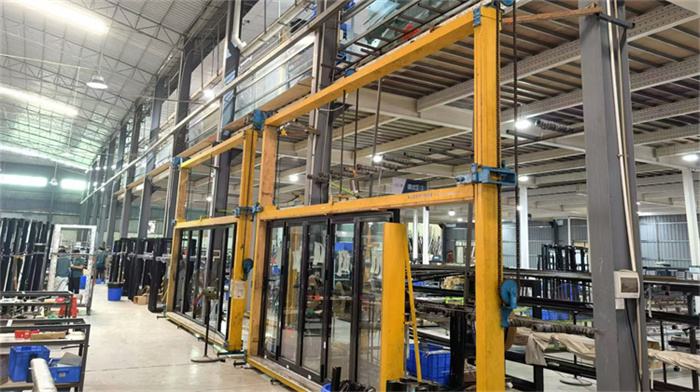
Debugging Frame Setup
Debugging Frame
Material Science & Physics

Engineering Principles of Thermal Break Systems

A comprehensive analysis of thermal conductivity, structural integrity, and multi-chamber extrusion geometry.

1. Thermal Barrier Composition (PA66 GF25)

Aluminum exhibits a high thermal conductivity of approximately 160 to 200 W/(m·K). Unmitigated, this results in significant energy loss, condensation build-up, and localized interior climate fluctuations. OEM thermal break doors utilize Polyamide 66 reinforced with 25% Glass Fiber (PA66 GF25).

PA66 GF25 features a thermal conductivity of only 0.30 W/(m·K)—over 500 times less than pure aluminum. The 25% glass fiber addition ensures that the mechanical expansion and contraction coefficients match aluminum, preventing structural delamination under extreme temperature swings (-40°C to +80°C).

2. Multi-Chamber Profile Dynamics

Modern thermal break door profiles engineered at our 45,000 m² factory utilize multi-chamber internal configurations. Beyond the central polyamide strip, internal cavity walls create dead air pockets that impede convective heat transfer.

When combined with custom EPDM (Ethylene Propylene Diene Monomer) gasket seals and warm-edge spacer technology in double or triple insulating glass units (IGUs), structural U-values drop dramatically down to U ≤ 1.2 W/(m²·K) (0.21 BTU/h·ft²·°F), achieving Passive House compliance.

Performance Metric Test Standard / Certification OEM Engineering Value Architectural Impact
Thermal Transmittance (U-Factor) NFRC 100 / EN ISO 10077 0.18 - 0.28 BTU/h·ft²·°F Reduces building HVAC load by up to 35% annually.
Solar Heat Gain Coefficient (SHGC) NFRC 200 / ANSI 0.15 - 0.40 (Customized Low-E) Controls solar radiation intake in tropical climates.
Air Infiltration Resistance ASTM E283 / AS4420 < 0.1 ft³/min per sq. ft Eliminates draft air leaks under pressure differentials.
Water Penetration Resistance ASTM E331 / EN 12208 up to 750 Pa (15 psf) Prevents moisture intrusion during severe storm surges.
Structural Design Load (Wind) ASTM E330 / Miami-Dade NOA ± 70 PSF to ± 110 PSF High-rise building and hurricane zone rating.
Acoustic Insulation (STC/OITC) ASTM E90 / ISO 10140 STC 38 - 45 dB Suppresses urban noise and flight path acoustics.
Global Market Localization

Regional Compliance & Architectural Applications

Customizing OEM/ODM thermal break configurations for micro-climates and localized building standards.

North America (HVHZ & NFRC)

For North American projects (especially Florida, Texas, and coastal regions), door profiles require compliance with Miami-Dade County NOA and Florida Building Code (FBC) High-Velocity Hurricane Zone (HVHZ) regulations. Our factory integrates laminated impact glass (PVB/SGP interlayers) with heavy-gauge 6063-T6 aluminum alloys to withstand projectile impacts and severe negative pressures.

Australia & Oceania (AS2047 / AS1288)

Australian standards mandate rigorous testing under AS2047 (Windows and doors in buildings) and AS1288 (Glass in buildings). Profiles destined for Sydney, Melbourne, or coastal Queensland undergo cycle-testing for water resistance (Pa), ultimate strength structural testing, and deflection limits. Integrated sub-head and sub-sill flashing systems ensure 100% weatherproofing.

Europe & Middle East Climates

In Northern Europe, emphasis is placed on maximum heat retention (U-values < 1.0 W/m²K) via triple glazed, argon-filled units with low-emissivity coatings. In contrast, Middle Eastern deployments focus on solar rejection (SHGC < 0.20) and high-performance powder coatings (AAMA 2605) designed to withstand intense ultraviolet radiation and sandstorm erosion.

Future Tech Integration

Engineering Roadmap & Smart Door Innovation

Next-generation door systems combining artificial intelligence access, green material science, and vacuum insulation.

1. AI-Driven Biometric & Sensor Integration

The convergence of architectural security and AI access control is redefining building entry points. As shown in our product lineup, Shieldoors is pioneering Artificial Intelligence Face Recognition doors. These systems feature embedded 3D structured-light cameras, remote IoT mobile access, emergency auto-braking sensors, and bulletproof composite glass panels for maximum security high-end residences and commercial corporate headquarters.

2. Vacuum Insulated Glass (VIG) & BIPV Solar Doors

Looking toward 2025–2030, our 350 R&D engineers are prototyping Vacuum Insulated Glass (VIG) profiles. VIG removes gas entirely between glass panes, achieving insulating performance equal to a solid brick wall in a profile depth of under 10mm. Furthermore, Building-Integrated Photovoltaics (BIPV) semi-transparent glass panes allow thermal break entrance doors to harvest solar energy directly, powering smart lock hardware and home automation systems.

Procurement & Engineering FAQ

Frequently Asked Questions for Buyers & Architects

Direct answers regarding custom extrusion tooling, thermal performance testing, ordering lead times, and OEM customization options.

What is the key structural difference between standard aluminum and thermal break aluminum doors?
Standard aluminum frames consist of a solid, single continuous aluminum piece which conducts heat and cold easily across the building envelope. A thermal break aluminum door incorporates a non-metallic, low-conductive polyamide strip (PA66 GF25) structurally crimped between the interior and exterior aluminum profile extrusions. This thermal barrier prevents direct conductive heat transfer, lowering U-factors, eliminating condensation, and improving acoustic isolation.
What certifications do Zhejiang Shieldoors products hold for export markets?
Our products undergo third-party testing to comply with major global building codes. Certifications include CE marking for European markets, NFRC (National Fenestration Rating Council) thermal performance ratings, Florida Miami-Dade County NOA impact approvals for North American hurricane zones, AS2047/AS1288 certifications for Australia/New Zealand, and UL fire-rated safety certifications for entry hardware.
How does Shieldoors manage OEM custom profile extrusion design and tooling?
With 350 specialized R&D engineers, we offer end-to-end OEM tooling development. Clients provide architectural drawings or CAD/BIM specifications. Our technical team conducts structural wind-load, thermal simulation (using LBNL THERM software), and water drainage modeling. Once 3D prototypes are approved, custom extrusion dies are manufactured in-house, followed by sample testing before full mass production.
What surface finishes and powder coating options are available for industrial projects?
We offer architectural-grade surface treatments including Fluorocarbon (PVDF) coating meeting AAMA 2605 specifications (20+ year weatherability), electrostatic powder coating (AkzoNobel/PPG colors), anodized finishes (15-25 micron layer depth), fluorocarbon paint, and realistic wood-grain thermal transfer finishes designed to withstand coastal saline environments.
What is the standard production lead time for large-scale B2B commercial project orders?
Standard OEM production lead time is typically 25 to 35 business days following final shop drawing sign-off and deposit receipt. For custom tooling extrusions, an initial 10 to 15 days is required for die fabrication and sample sign-off. Our 45,000 m² facility maintains high throughput capacities to satisfy multi-unit residential or commercial hotel procurement timelines.
How are quality control standards enforced across your 45,000 m² manufacturing plant?
Quality control is enforced by our 78-person dedicated QC team following ISO9001 protocols. Raw aluminum billets undergo spectrometer material composition analysis. Glass units undergo dew-point and sealant adhesion tests. Assembled frames undergo automated 100% mechanical hardware debugging, air tightness, and frame squareness measurements before export crating.
Can your doors integrate with smart home systems and biometric access controls?
Yes. We manufacture hybrid smart entrance doors incorporating facial recognition software, motorized multi-point lock actuators, fingerprint biometrics, RFID keycard sensors, and wireless Bluetooth/Zigbee protocols compatible with leading commercial and residential building automation platforms.
What packaging methods are utilized to prevent damage during containerized sea freight?
Products are wrapped with multi-layer protective film, corner edge guards, shock-absorbing foam padding, and sealed inside fully enclosed ISPM-15 compliant fumigated plywood crates. This structural packaging protects frames and glass units against moisture, vibration, dynamic container motion, and forklift handling during sea transit.
Product Catalog Selection

Commercial & Architectural Door/Window Solutions

Explore specialized fenestration options engineered for high-rise, hospitality, and custom residential installations.
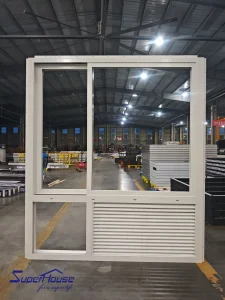
Integrated PTAC Louver Sliding Window
Five Star Commercial Hotel Aluminum Sliding Window With PTAC Louver
View Technical Specs
Curved Aluminum Casement Window
Hurricane Proof Curved Aluminum Casement Window Miami Dade Approved
View Technical Specs
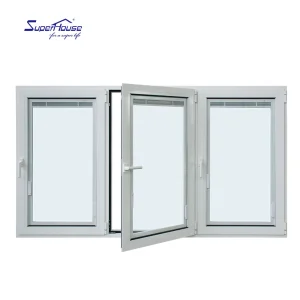
Double Casement Thermal Break Window
Thermal Break Aluminum Double Casement Window With Screens & Grilles
View Technical Specs
Crank Awning Impact Window
Commercial Florida Certified Crank Awning Window Hurricane Impact
View Technical Specs
Soundproof Casement Window
Modern Design Thermal Break Soundproof Apartment Aluminum Casement Window
View Technical Specs
Tilt and Turn Window Impact
Florida Certified Hurricane Impact Resistant Aluminum Tilt & Turn Window
View Technical Specs
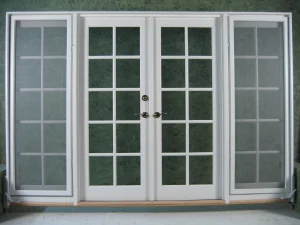
Double Glazed French Door Entry
French Garden Entry Door Aluminum Hurricane Impact Double Glazed Door
View Technical Specs
Black Awning NFRC Window
Modern Design NFRC American Waterproof Double Glazed Black Awning Window
View Technical Specs