Precision-engineered high-performance aluminum window and door systems compliant with AS2047, AS1288, and WERS certification protocols for Australian commercial and residential developments.
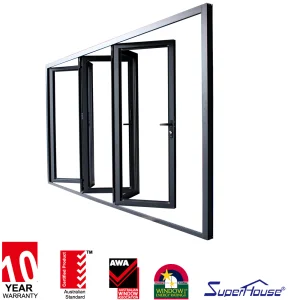
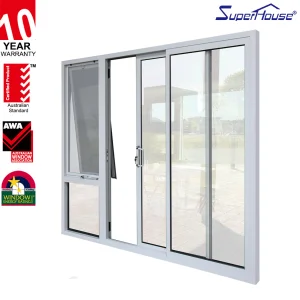
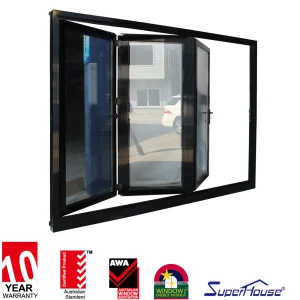
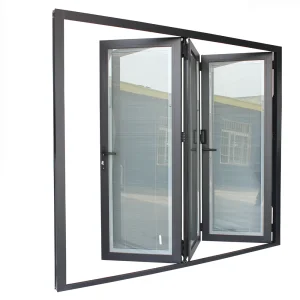
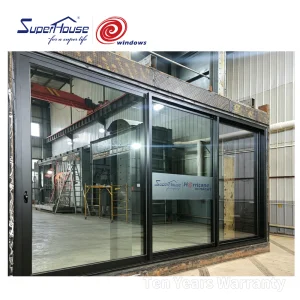
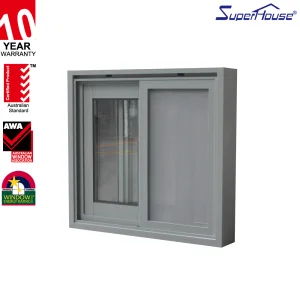
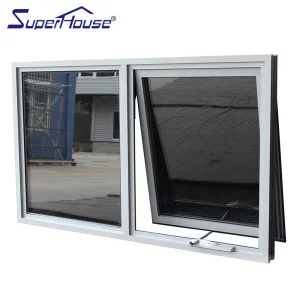
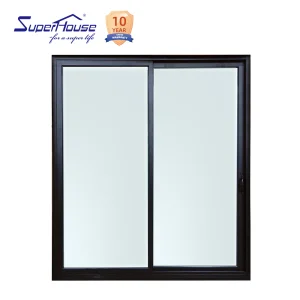
World-class manufacturing capability, rigid ISO9001 quality management systems, and specialized Australian standard compliance testing framework.
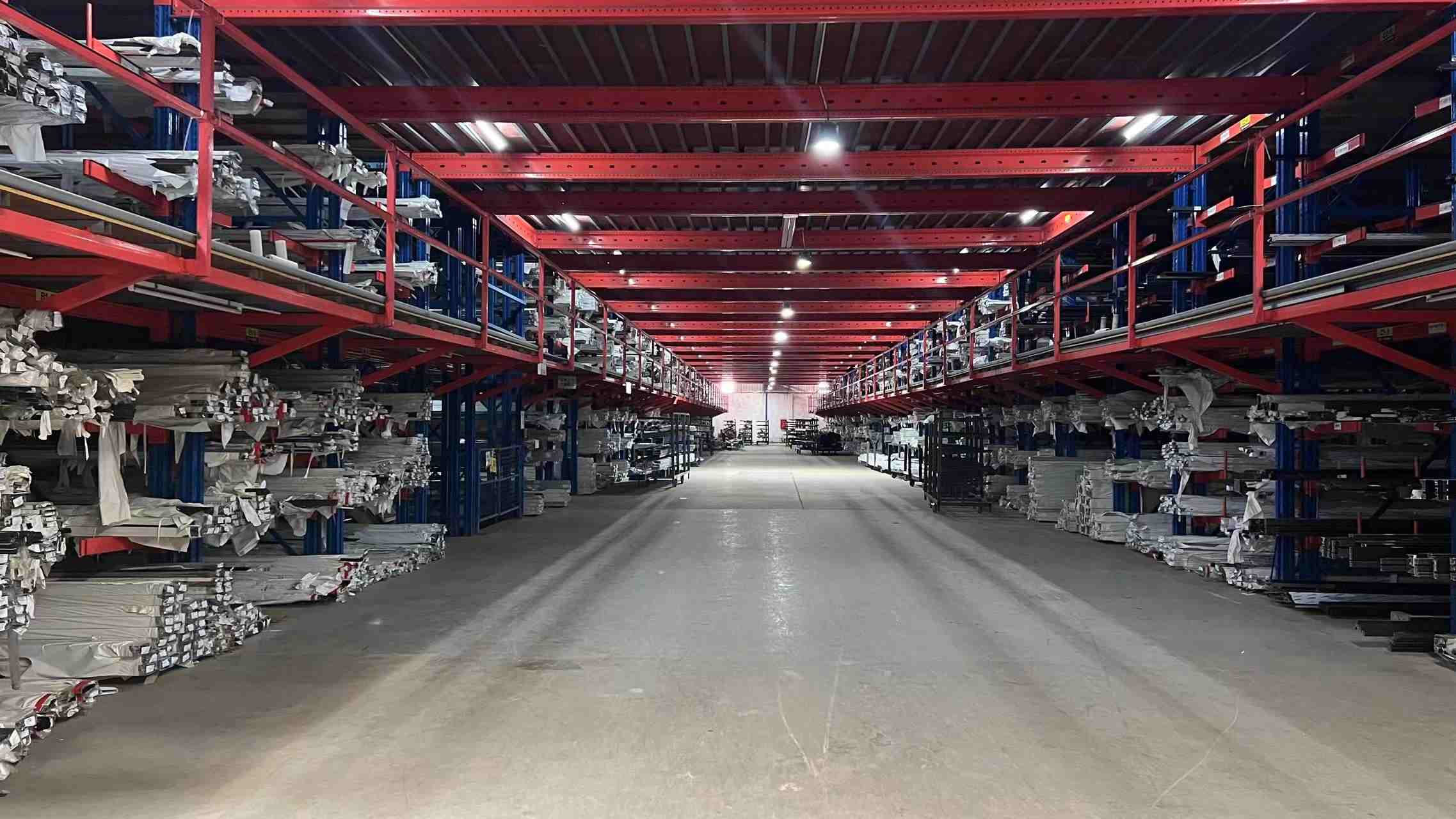
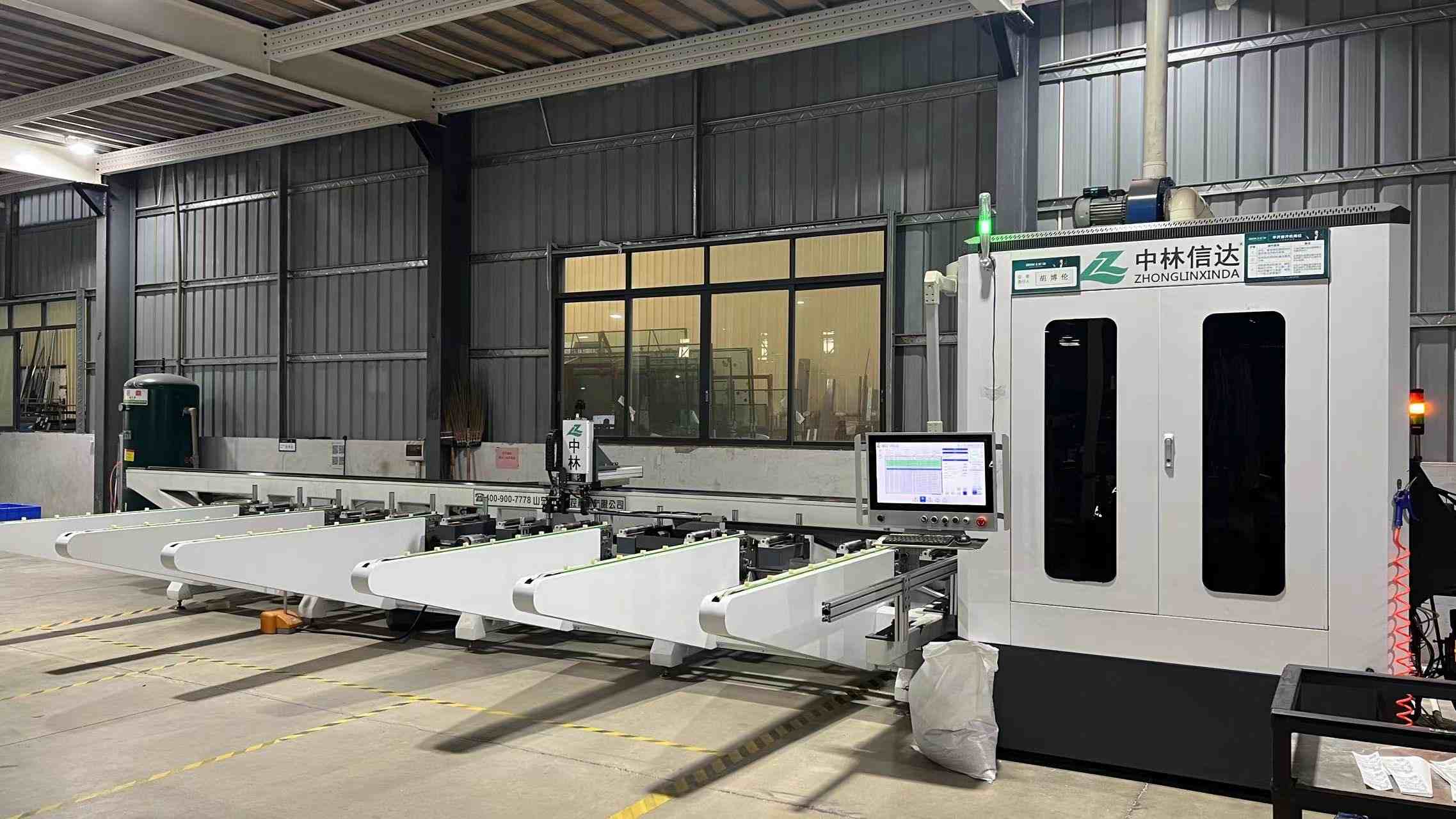
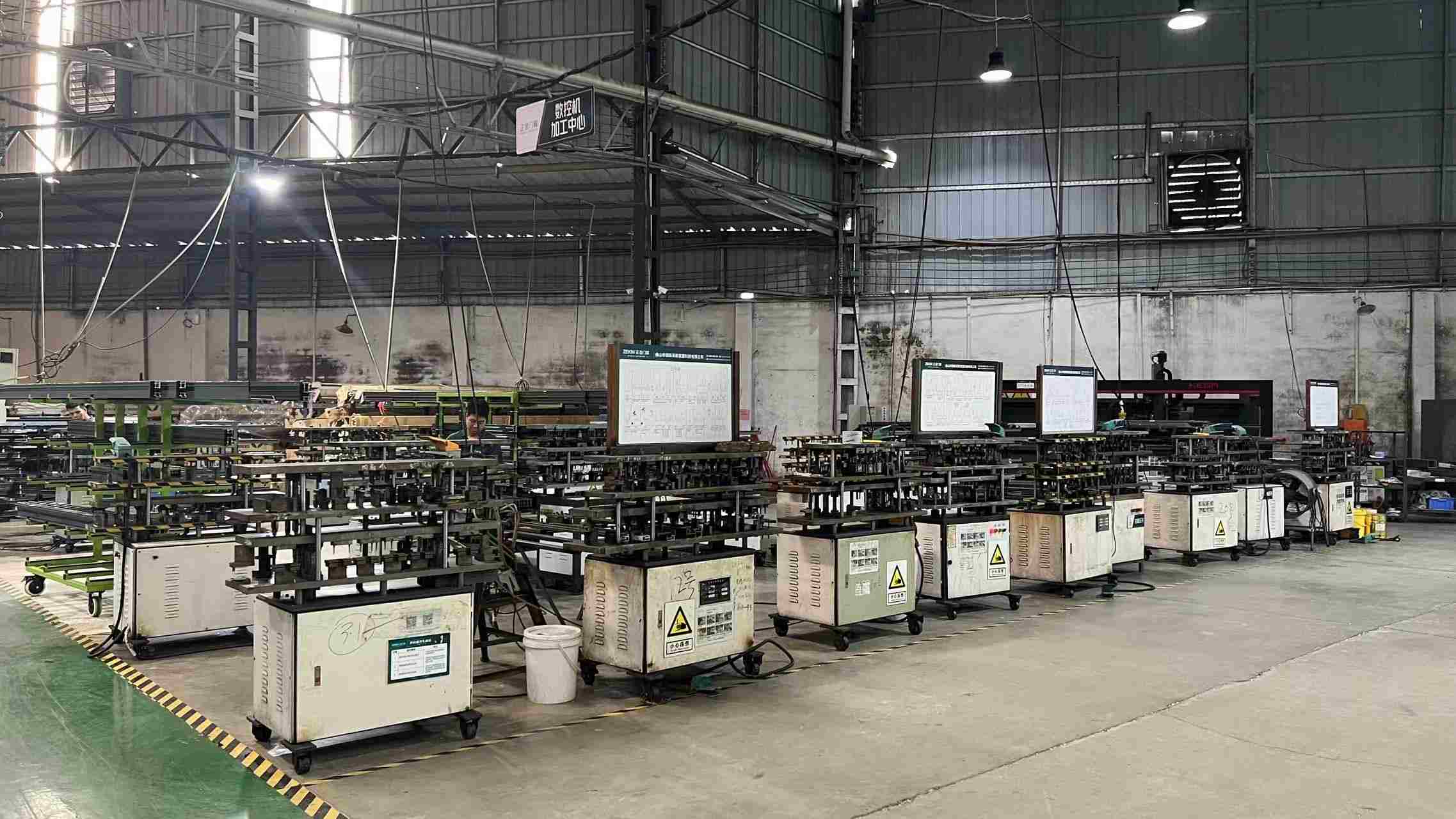
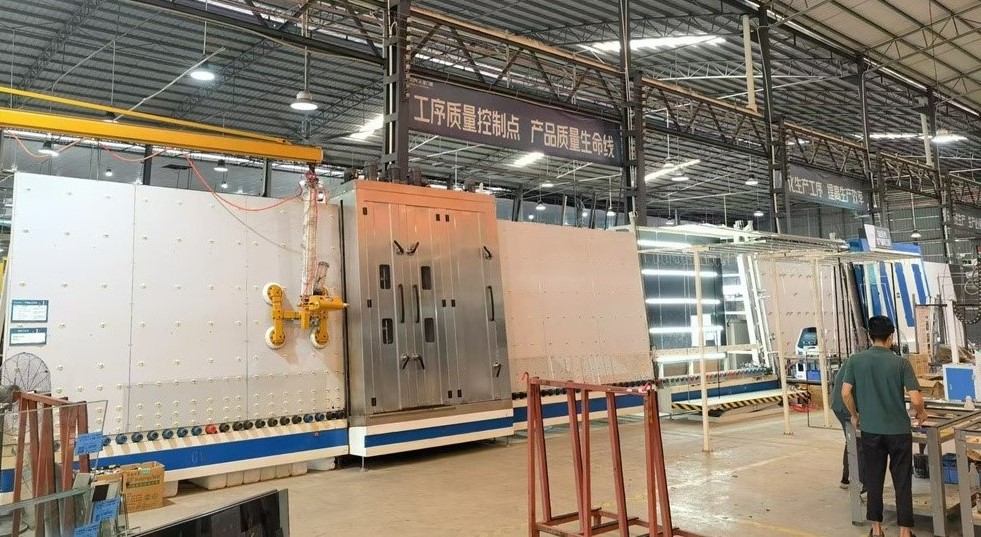
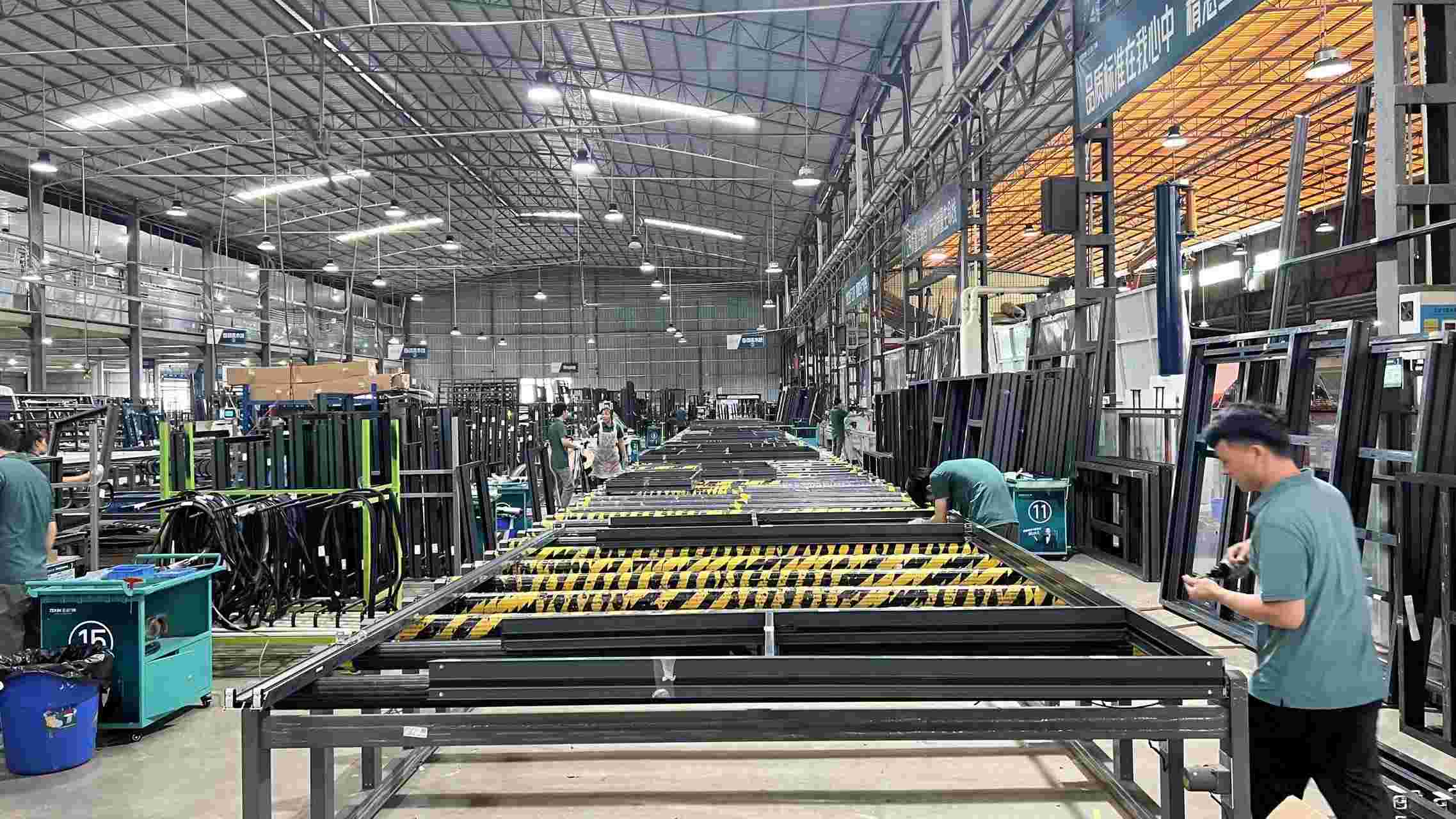
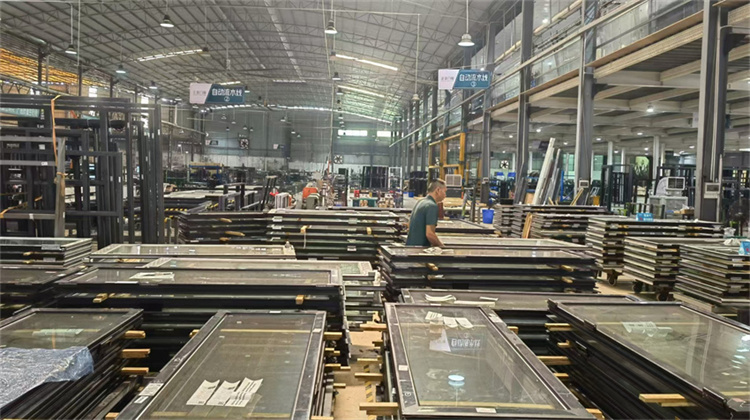
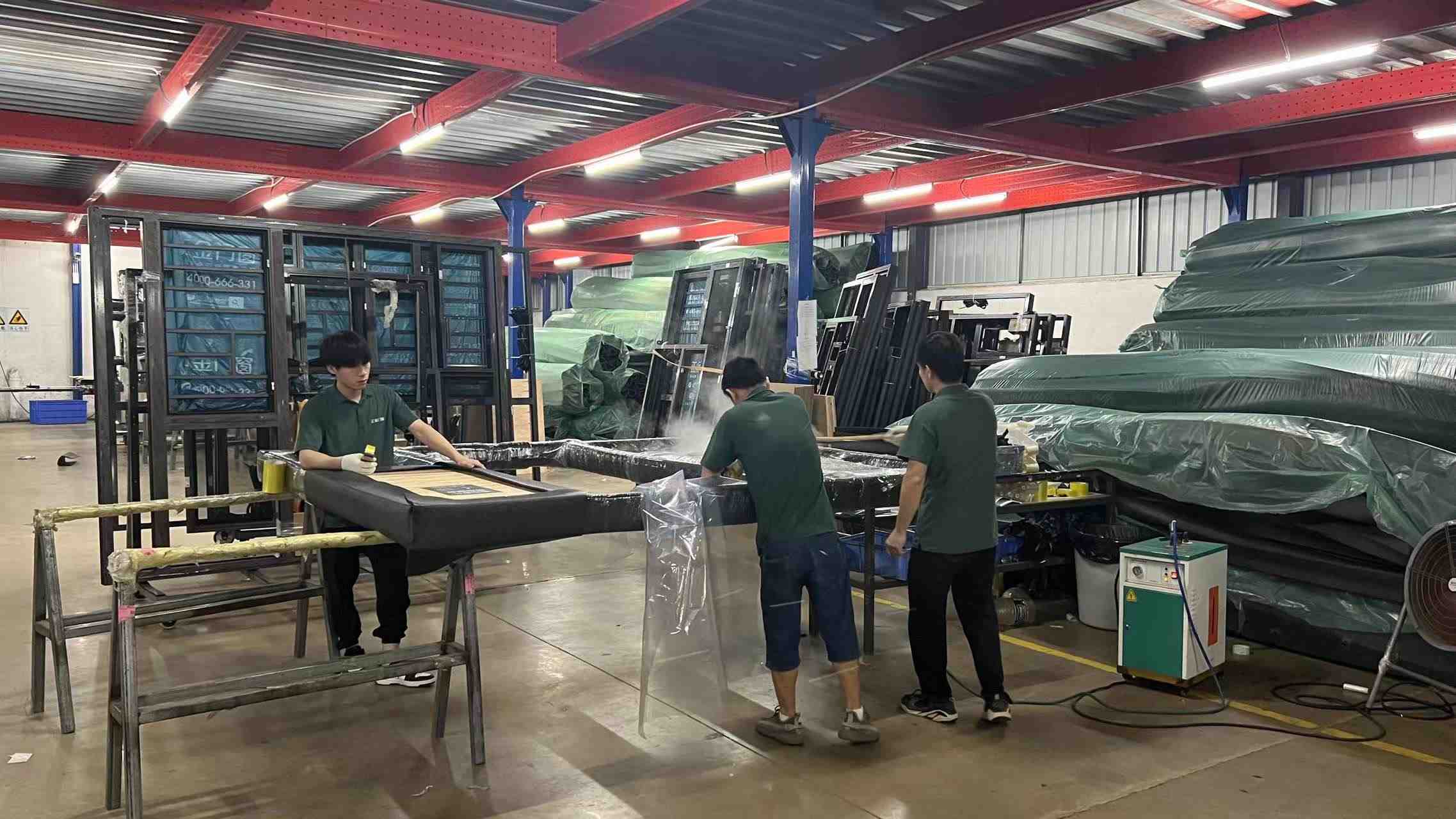
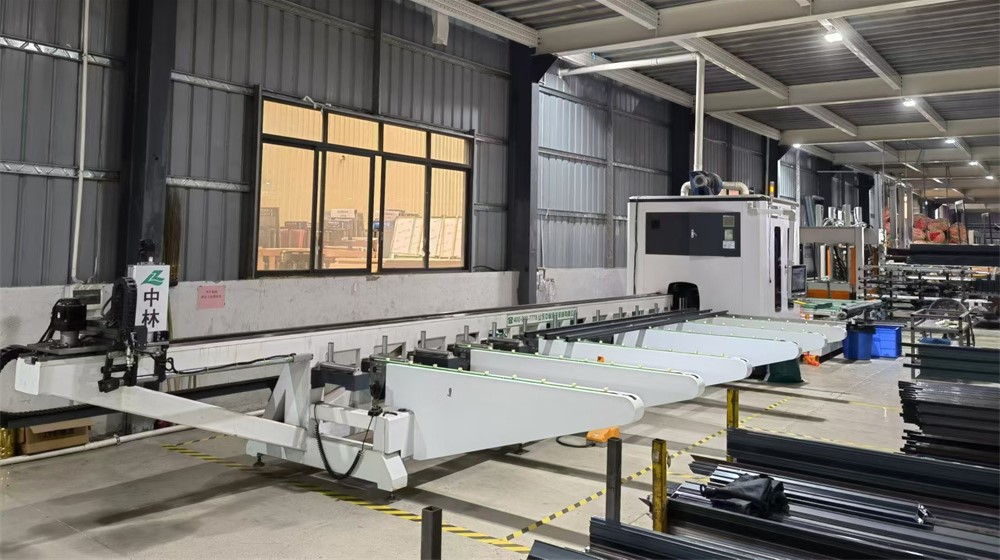
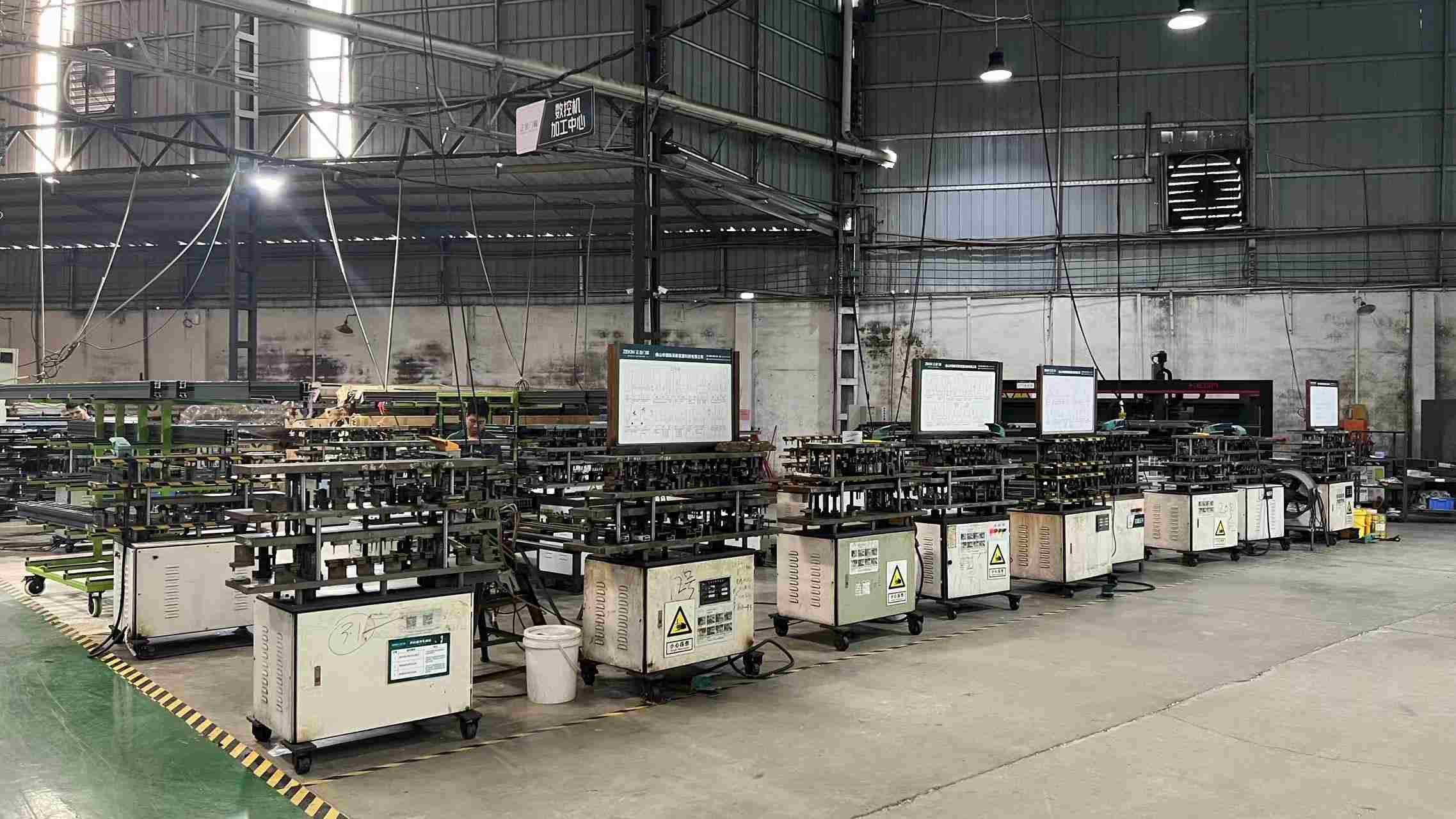
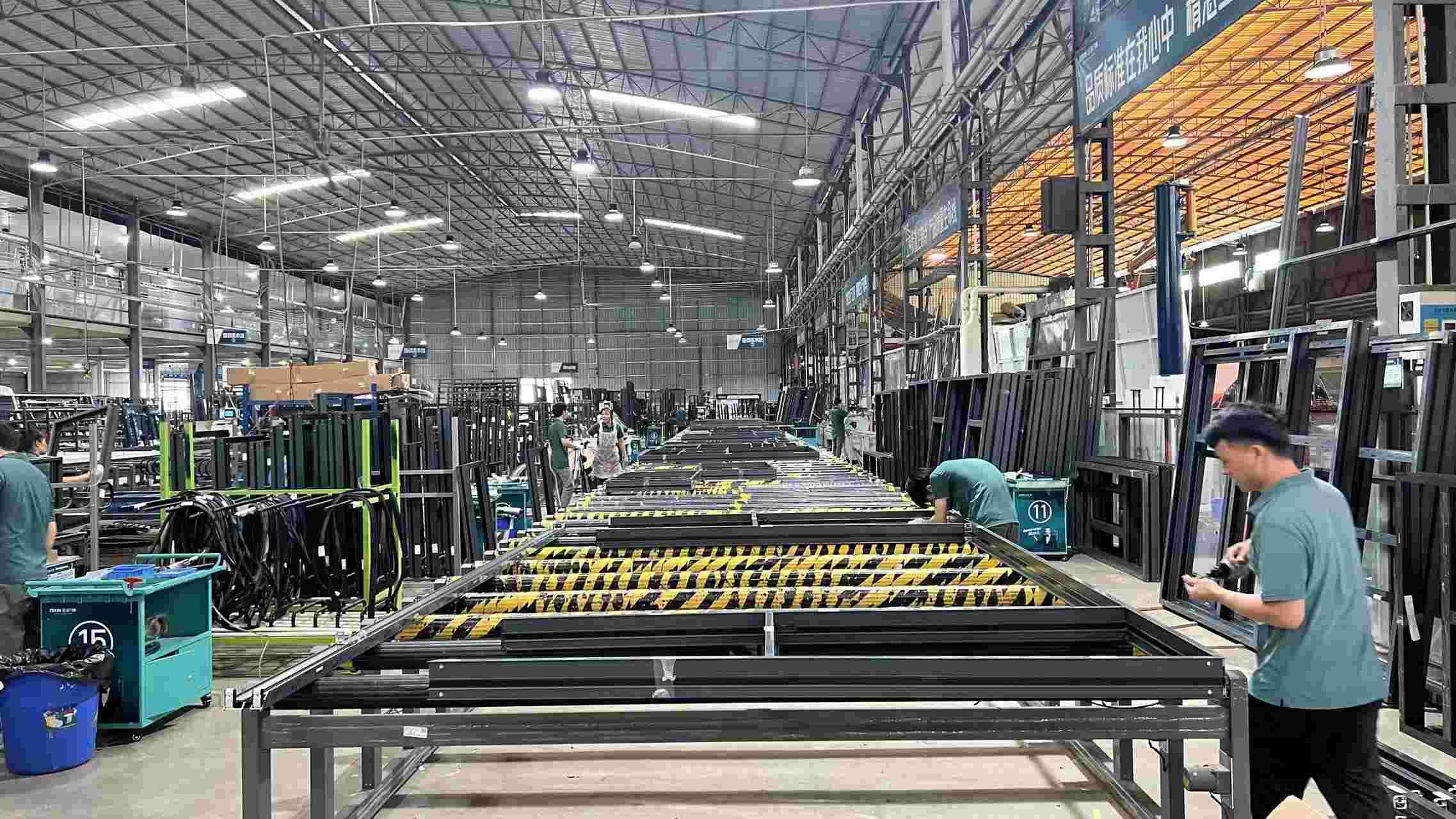
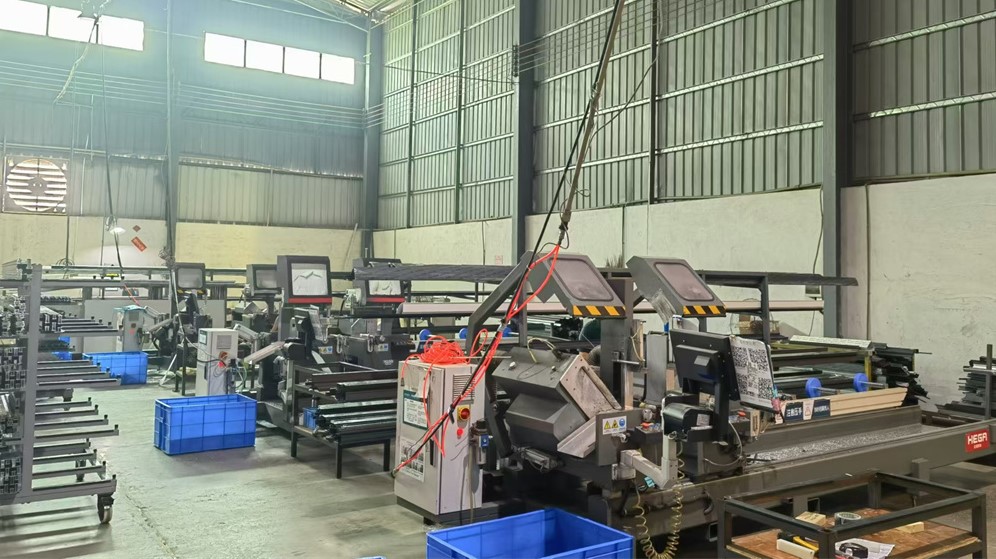
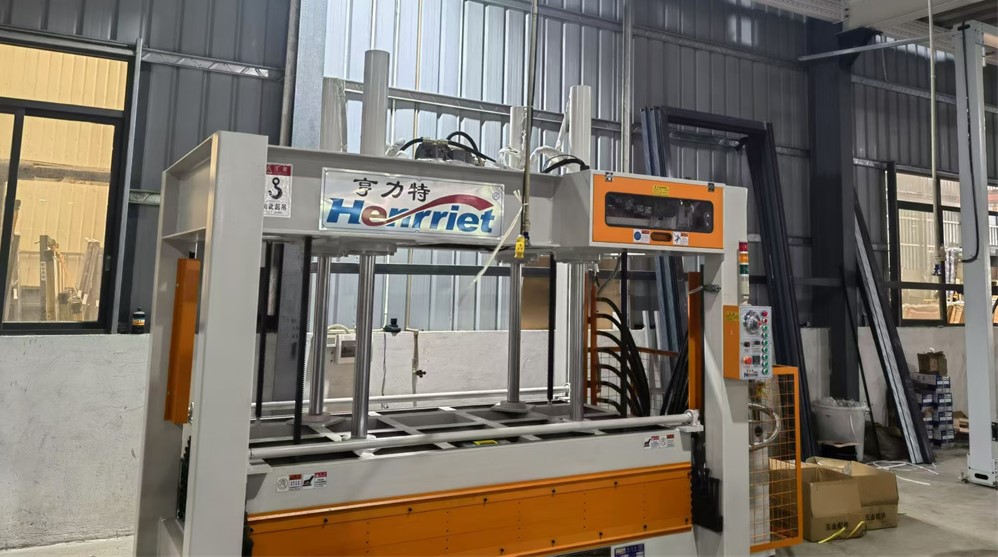
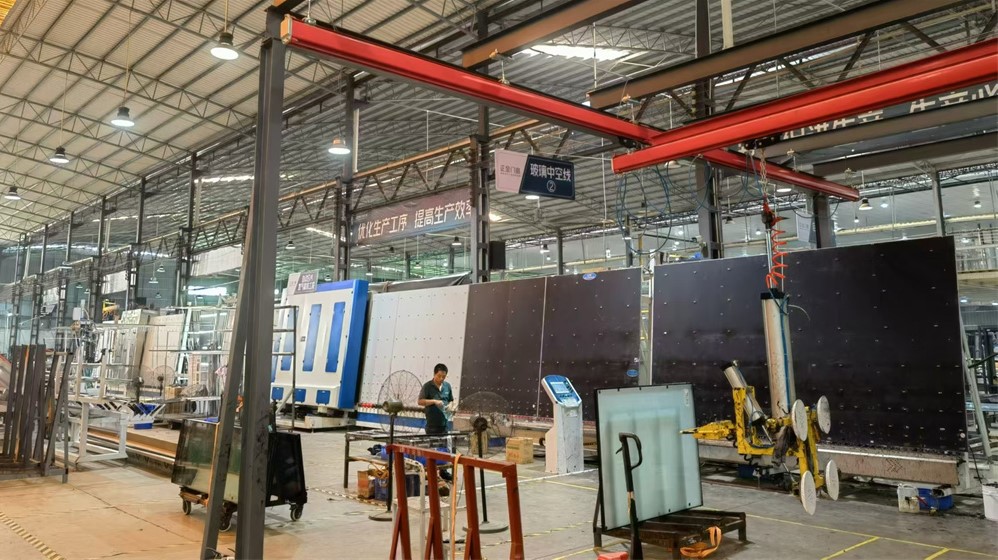
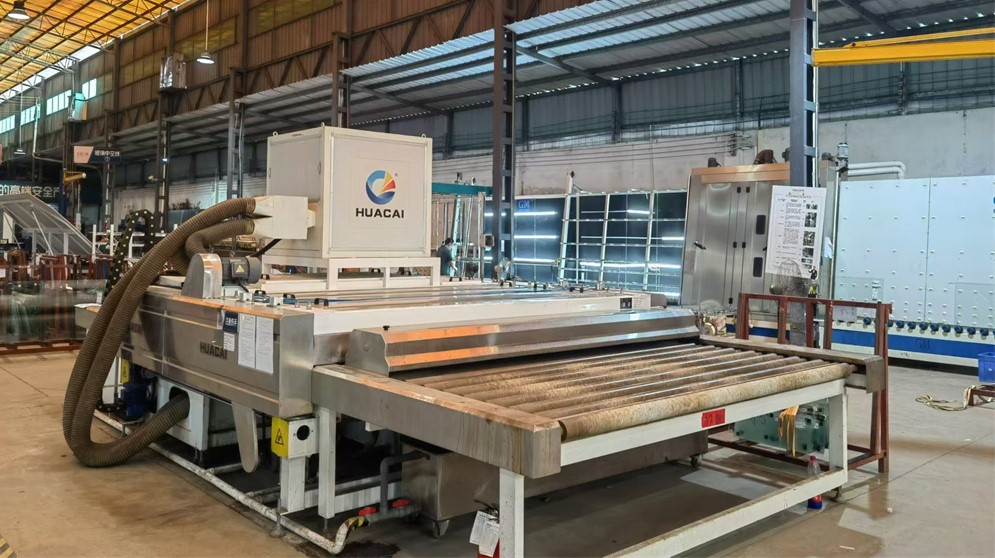
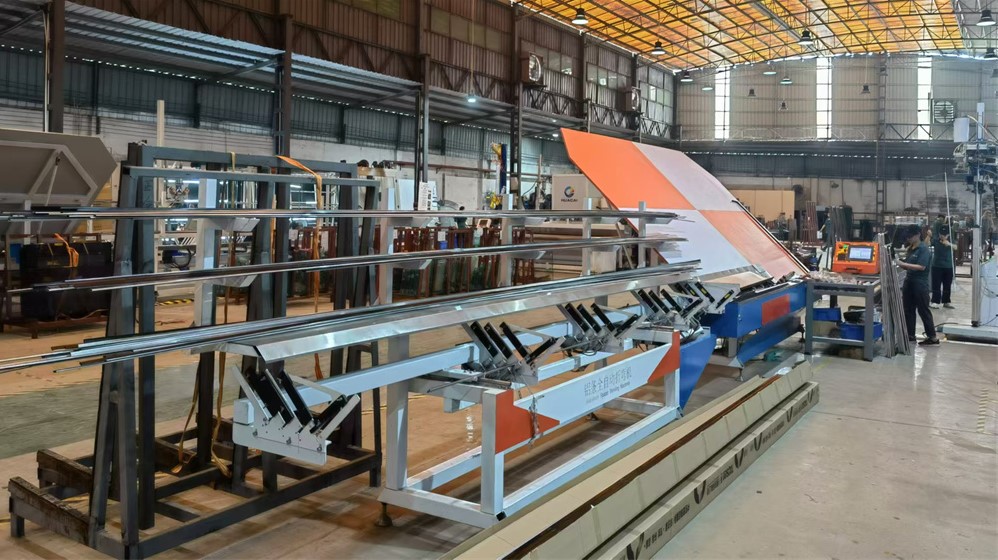
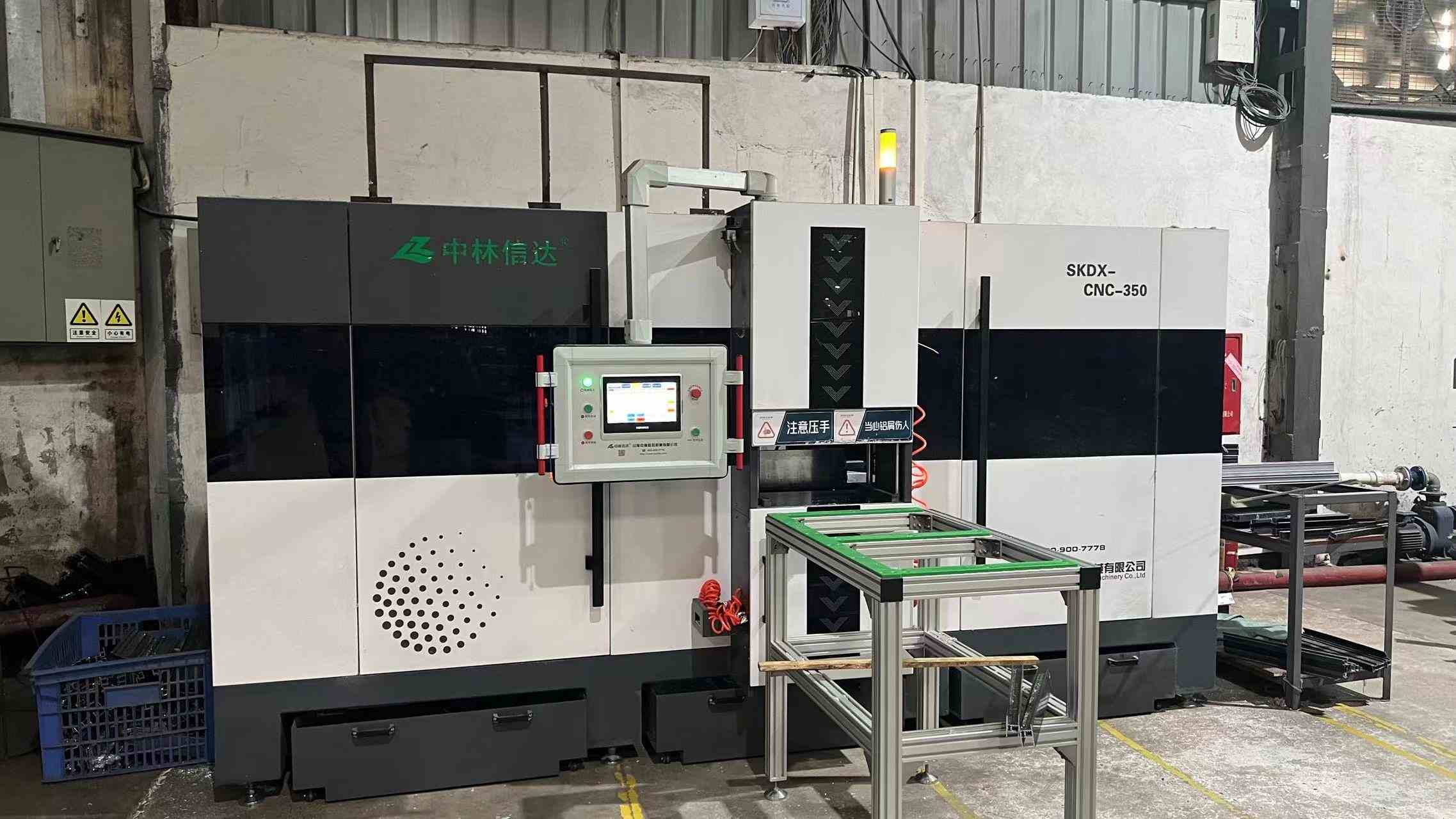
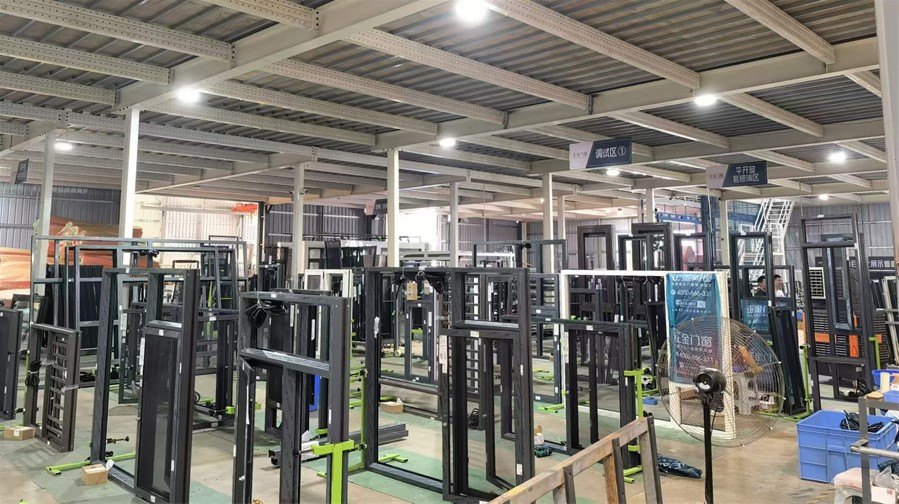
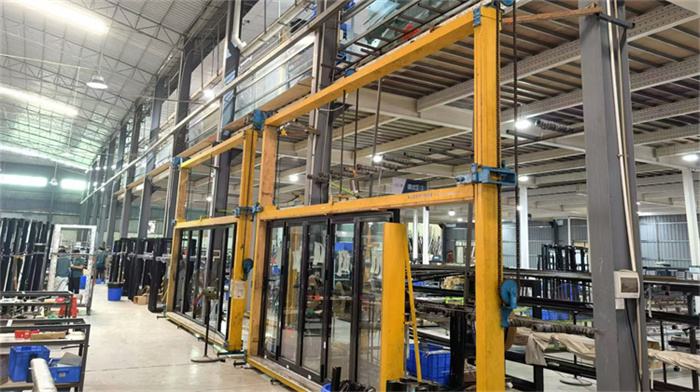
Zhejiang Shieldoors Security Technology Co., Ltd. was established in 2016 and is located in an expansive 45,000 m² production base. Building on 10 years of industry leadership and 6 years of international trade experience, the company generates an annual export revenue reaching USD 42,000,000.
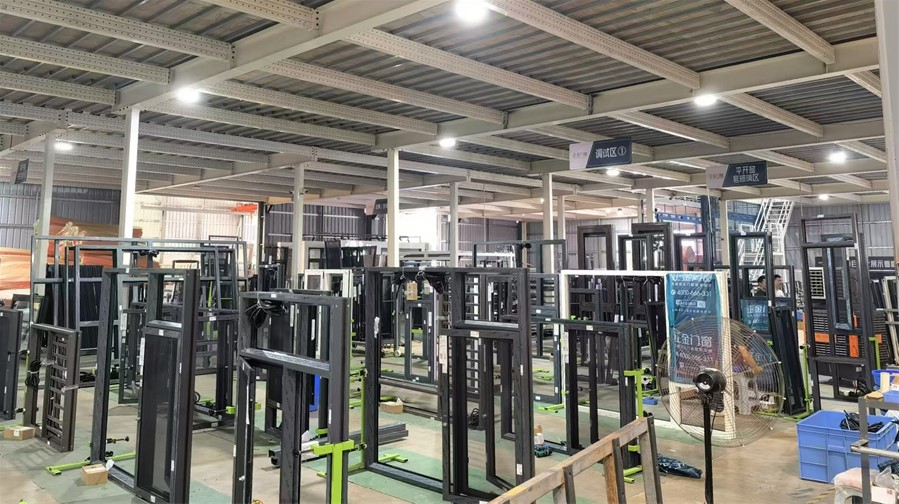
Our commitment to excellence is maintained through rigorous ISO9001-certified quality control and third-party product testing methods, including CE, UL fire-rated, and hurricane-impact certifications. A dedicated quality inspection team of 78 QC specialists ensures that every entry door meets international safety standards. Working with a robust ecosystem of 1,400 supply chain partners, our trade background covers direct export, project bidding, and global supply chain integration, mainly targeting key markets in North America, Australia, and Southeast Asia.
Innovation is at the heart of our operations. Supported by 350 skilled R&D engineers, we launched 450 new product designs last year. We serve major real estate developers, architectural firms, and building material retail chains by offering tailored customization options ranging from soundproofing and thermal insulation features to smart lock integration and custom panel finishes.
Understanding the regulatory imperatives of the Australian National Construction Code (NCC) and the global manufacturing ecosystem servicing Australian infrastructure.
The Australian building sector operates under some of the most rigorous structural and environmental performance standards globally. At the heart of fenestration compliance is AS2047 (Windows and External Glazed Doors in Buildings). Standard compliance is not merely an architectural preference; it is a mandatory legal gateway mandated by the National Construction Code (NCC) of Australia. For global manufacturers and Chinese exporters, establishing an AS2047-certified supply pipeline requires comprehensive technical integration ranging from alloy composition to glass stress analysis.
In recent years, the global sourcing matrix for Australian builders, principal contractors, and developers has shifted drastically. Driven by escalating domestic construction costs in Australia, developers increasingly turn to tier-one global exporters capable of delivering high-volume, fully verified AS2047 units directly from manufacturing hubs such as Zhejiang, China. However, bridging the gap between foreign fabrication and Australian site compliance requires strict adherence to physical laboratory testing, accredited NATA (National Association of Testing Authorities) certifications, and robust supply chain traceability.
AS2047 dictates mandatory limit state deflection testing (AS4420.2). Structural components must withstand extreme Serviceability Limit State (SLS) and Ultimate Limit State (ULS) wind pressures up to N6 / C4 ratings without permanent deformation or catastrophic structural failure.
Under AS4420.5 testing protocols, fenestration products are subjected to static and cyclic water pressure tests. AS2047 specifies minimum water resistance pressure thresholds (e.g., 150 Pa to 600 Pa) depending on building height, location, and climate exposure.
Modern AS2047 compliance demands integration with the Window Energy Rating Scheme (WERS). Frame U-values and Solar Heat Gain Coefficients (SHGC) must be calculated in accordance with AFRC guidelines to fulfill NatHERS 7-Star minimum residential ratings.
A deep technical analysis of the five mandatory physical laboratory tests required for all imported aluminum window and door assemblies.
| Test Standard | Parameter Measured | Engineering Acceptance Standard | Structural Relevance |
|---|---|---|---|
| AS 4420.2 | Deflection Test | Span deflection must not exceed L/250 for serviceability limit state. | Prevents glass pop-out and mullions bending under extreme gust loads. |
| AS 4420.3 | Operating Force Test | Initial opening force < 110N; Sustained motion force < 90N. | Ensures ergonomic functionality for residential and commercial occupants. |
| AS 4420.4 | Air Infiltration Test | Non-conditioned < 5.0 L/s·m²; Air-conditioned < 1.0 L/s·m². | Critical for envelope air-tightness, energy saving, and HVAC efficiency. |
| AS 4420.5 | Water Penetration Resistance | Zero water leakage at calibrated pressure (150Pa to 600Pa+). | Prevents internal building damage during severe storm events. |
| AS 4420.6 | Ultimate Strength Test | Assembly must withstand 1.5x Ultimate Limit State pressure for 10 seconds. | Guarantees structural safety against extreme cyclonic wind events. |
Under AS3959 (Construction of Buildings in Bushfire-Prone Areas), window assemblies must be engineered to resist radiant heat levels. Products exported by Zhejiang Shieldoors are designed with metal-reinforced frame sub-assemblies, stainless steel flyscreens (mesh aperture < 2mm), and toughened glass exceeding 5mm or 6mm thickness to satisfy BAL-12.5, BAL-19, BAL-29, BAL-40, and up to BAL-FZ (Flame Zone) conditions.
For Western Australia, Northern Territory, and Far North Queensland, AS2047 windows must be rated for cyclonic wind loads under AS/NZS 1170.2. This mandates specialized extrusions with wall thicknesses exceeding 2.0mm to 3.0mm, heavy-duty interlocking mullions, multi-point locking systems, and debris-impact resistant laminated glass assemblies.
Tailoring window extrusion geometry, thermal breaks, and glazing configurations to Australia's distinct geographical zones.
Climatic Demands: Extreme UV index, tropical downpours, high relative humidity, high wind pressures.
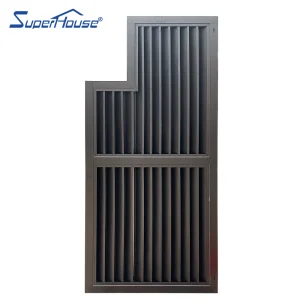
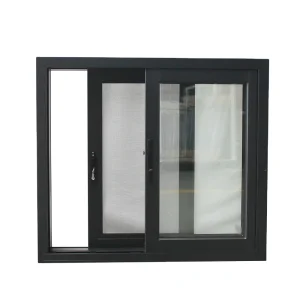
Recommended Solution: Thermally broken or non-thermal aluminum sliding and louver windows with 450Pa to 600Pa water rating, fluorocarbon (PVDF) powder coating to prevent chalking, and high-performance Low-E tinting (SHGC < 0.35).
Climatic Demands: Airborne sea-salt spray, moderate wind loads, acoustic insulation requirements near urban infrastructure.
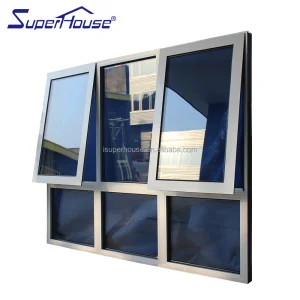
Recommended Solution: Marine-grade powder-coated aluminum awning and double-glazed casement windows. Incorporation of acoustic laminated glass (Rw rating 38 to 45 dB) and concealed sub-sills for continuous drainage.
Climatic Demands: Low winter ambient temperatures, thermal bridging energy loss, high internal condensation risk.
Recommended Solution: Polyamide PA66GF25 thermal break aluminum profile systems combined with argon-filled double or triple Insulated Glass Units (IGUs). Target U-value < 1.8 W/m²K to eliminate cold bridging.
R&D vector analysis detailing the shift toward automated smart glazing, ultra-narrow sightlines, and embodied carbon reduction.
Conventional non-thermal aluminum frames suffer from high thermal conductivity (K-value ~200 W/mK). The integration of multi-cavity 24mm to 34mm PA66GF25 (25% fiberglass reinforced polyamide) thermal strips cuts structural thermal transfer by up to 75%, allowing projects to comfortably pass Australia's NCC 2022 Section J energy efficiency mandates.
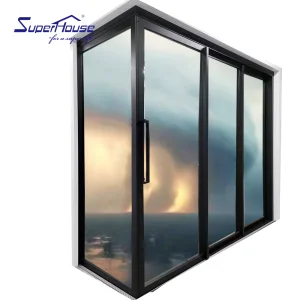
Modern architectural trends demand seamless indoor-outdoor transition spaces. Advanced engineering has birthed pillarless 90-degree corner pocket sliding door systems equipped with multi-wheel stainless steel bogie rollers capable of effortlessly carrying sash weights in excess of 400kg per panel while retaining AS2047 water resistance.
Integration of concealed 24V DC motor actuators, chain winders, and smart home automation interfaces (KNX, Zigbee, BACnet). Windows auto-close upon rain sensor detection, auto-purge during night-flush cooling cycles, and connect directly with commercial BMS (Building Management Systems).
Tailored manufacturing workflows for Australian principal contractors, facade consultants, and hardware distribution channels.
Full suite of equal-leg and sub-frame outer configurations designed for cast-in-concrete openings. High acoustic Rw performance (up to 42dB), strict air infiltration control, and pressure-equalized drainage systems for multi-storey wind exposure.
Ultra-slim sightline sliding systems, automated motorized cavity sliding doors, integrated drop-down motorized blinds, and custom anodized or Interpon powder-coat surface treatments matching high-end residential aesthetics.
Heavy-duty commercial shopfront framing systems, anti-finger-pinch hinge mechanisms, security mesh screens (AS5039 compliant), and automated chain winders meeting Australian DDA (Disability Discrimination Act) accessibility rules.
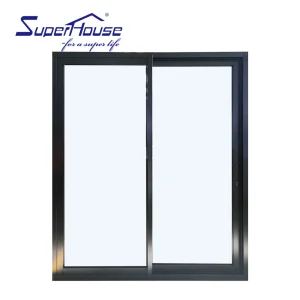
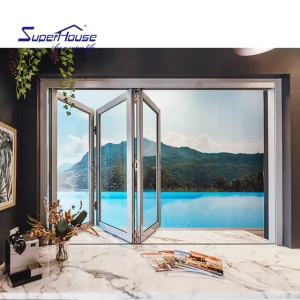
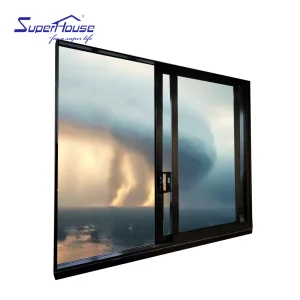
Explore our complete range of certified custom aluminum windows, sliding glass doors, and motorized architectural fenestration.
 Shieldoors