Engineered with German hardware, thermal-break extrusion profiles, and certified hurricane impact protection. Explore our flagship export models tailored for North American, Australian, and European structural codes.
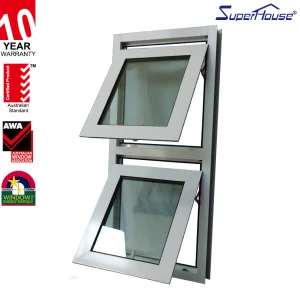
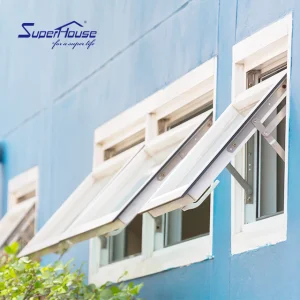
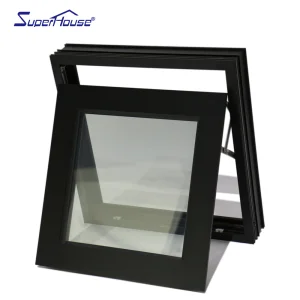
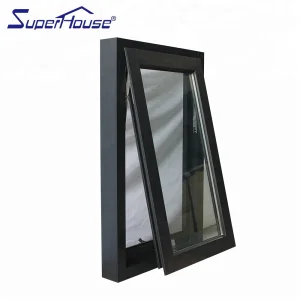
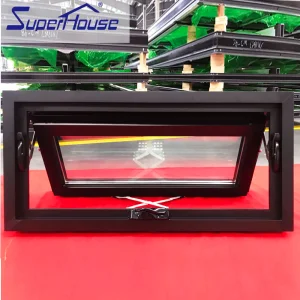
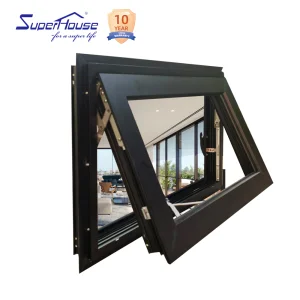
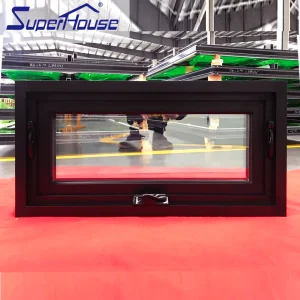
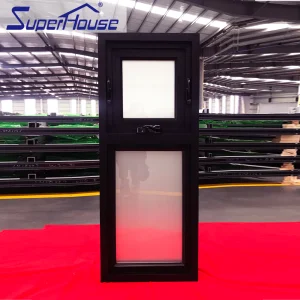
A comprehensive analysis of structural loads, thermal efficiency metrics, and global regulatory mandates shaping the export market for high-performance Euro Awning Windows.
In modern architectural design, the fenestration envelope represents both a critical aesthetic signature and a pivotal barrier for energy conservation, structural safety, and environmental isolation. Among traditional opening systems, Euro Awning Windows—characterized by top-hinged sashes swinging outward from the bottom—have gained overwhelming preference among commercial real estate developers, facade engineers, and institutional buyers globally.
The semantic preference for European-engineered awning systems stems from their unique physics of sealing. Unlike traditional horizontal sliders that rely on brush seals prone to degradation, Euro awning windows utilize continuous EPDM perimeter compression seals. When closed, negative wind load pulls the sash tighter against the frame, boosting air-tightness and water tightness to exceptional ratings (exceeding ASTM E330 and AS2047 design pressures).
Furthermore, contemporary urban architecture requires continuous micro-ventilation even during adverse weather conditions. The top-hinged geometry acts as a natural awning overhang, repelling rain shed while permitting hot internal air to escape through the elevated opening. As green building codes like California's Title 24, Australia's NCC, and Europe's EPBD tighten thermal envelope requirements, international exporters must provide thermally broken aluminum extrusions paired with advanced insulated glass units (IGUs).
For exporters targeting hurricane-prone geographies—such as the US Gulf Coast, Florida, the Caribbean, and coastal Southeast Asia—window engineering must go far beyond basic aesthetics. Fenestration systems installed in High-Velocity Hurricane Zones (HVHZ) are subjected to catastrophic cyclical pressure differentials and flying debris impacts.
Our engineering matrix integrates ultra-high tensile 6063-T5 aluminum alloys formulated with enhanced wall thicknesses (ranging from 1.8mm to 3.0mm depending on architectural span requirements). Products undergo stringent third-party verification to earn Miami-Dade NOA (Notice of Acceptance) and Florida Product Approvals. This involves rigorous testing protocol ASTM E1886/E1996, where heavy 9-lb wooden 2x4 beams are fired from air cannons at 50 feet per second directly into the glass sash, followed by 9,000 cycles of positive and negative pressure pressurization without seal blowout or frame detachment.
By pairing dual-seal insulated glass units with a high-interlayer SentryGlas® (SGP) or polyvinyl butyral (PVB) structural core, our Euro Awning Windows maintain structural barrier integrity even if outer glass layers fracture under extreme force. This provides bullet resistance, burglar anti-intrusion, and windstorm shielding for coastal hotels, residential luxury towers, and civic infrastructure.
Aluminum possesses excellent structural rigidity and low maintenance durability; however, raw aluminum exhibits a high thermal conductivity of approximately 160 W/m·K. To prevent heat transfer bridging between indoor and outdoor environments, our export-grade Euro Awning Windows incorporate precision-engineered Polyamide (PA66 GF25) thermal break strips.
By mechanically joining inner and outer extruded aluminum profiles with 24mm to 34mm fiber-reinforced polyamide thermal barriers, thermal conductivity across the frame is reduced by over 85%. When coupled with advanced double or triple glazing featuring Low-Emissivity (Low-E) soft coatings and noble Argon gas fills, our window assemblies achieve outstanding NFRC-certified metrics:
| Performance Metric | Standard Aluminum Window | Shieldoors Thermal-Break Euro Awning | International Compliance Standard |
|---|---|---|---|
| U-Factor (Thermal Transmittance) | 0.85 - 1.20 BTU/h·ft²·°F | 0.22 - 0.28 BTU/h·ft²·°F | NFRC 100 / Energy Star / Title 24 |
| SHGC (Solar Heat Gain Coeff.) | 0.65 - 0.75 | 0.18 - 0.26 (Customizable) | ASHRAE 90.1 / AS2047 |
| Air Infiltration Rating | 1.5 L/s·m² | < 0.1 L/s·m² | ASTM E283 / AS4420.2 |
| Acoustic Isolation (STC) | 26 - 28 dB | 38 - 45 dB (Soundproof Grade) | ASTM E90 / ISO 717-1 |
A powerhouse in global fenestration manufacturing, delivering uncompromised quality, large-scale direct export capacity, and bespoke engineering integration for global developers.
Zhejiang Shieldoors Security Technology Co., Ltd. was established in 2016 and is located in an expansive 45,000 m² production base. Building on 10 years of industry leadership and 6 years of international trade experience, the company generates an annual export revenue reaching USD 42,000,000. Our commitment to excellence is maintained through rigorous ISO9001-certified quality control and third-party product testing methods, including CE, UL fire-rated, and hurricane-impact certifications. A dedicated quality inspection team of 78 QC specialists ensures that every entry door meets international safety standards. Working with a robust ecosystem of 1,400 supply chain partners, our trade background covers direct export, project bidding, and global supply chain integration, mainly targeting key markets in North America, Australia, and Southeast Asia. Innovation is at the heart of our operations. Supported by 350 skilled R&D engineers, we launched 450 new product designs last year. We serve major real estate developers, architectural firms, and building material retail chains by offering tailored customization options ranging from soundproofing and thermal insulation features to smart lock integration and custom panel finishes.
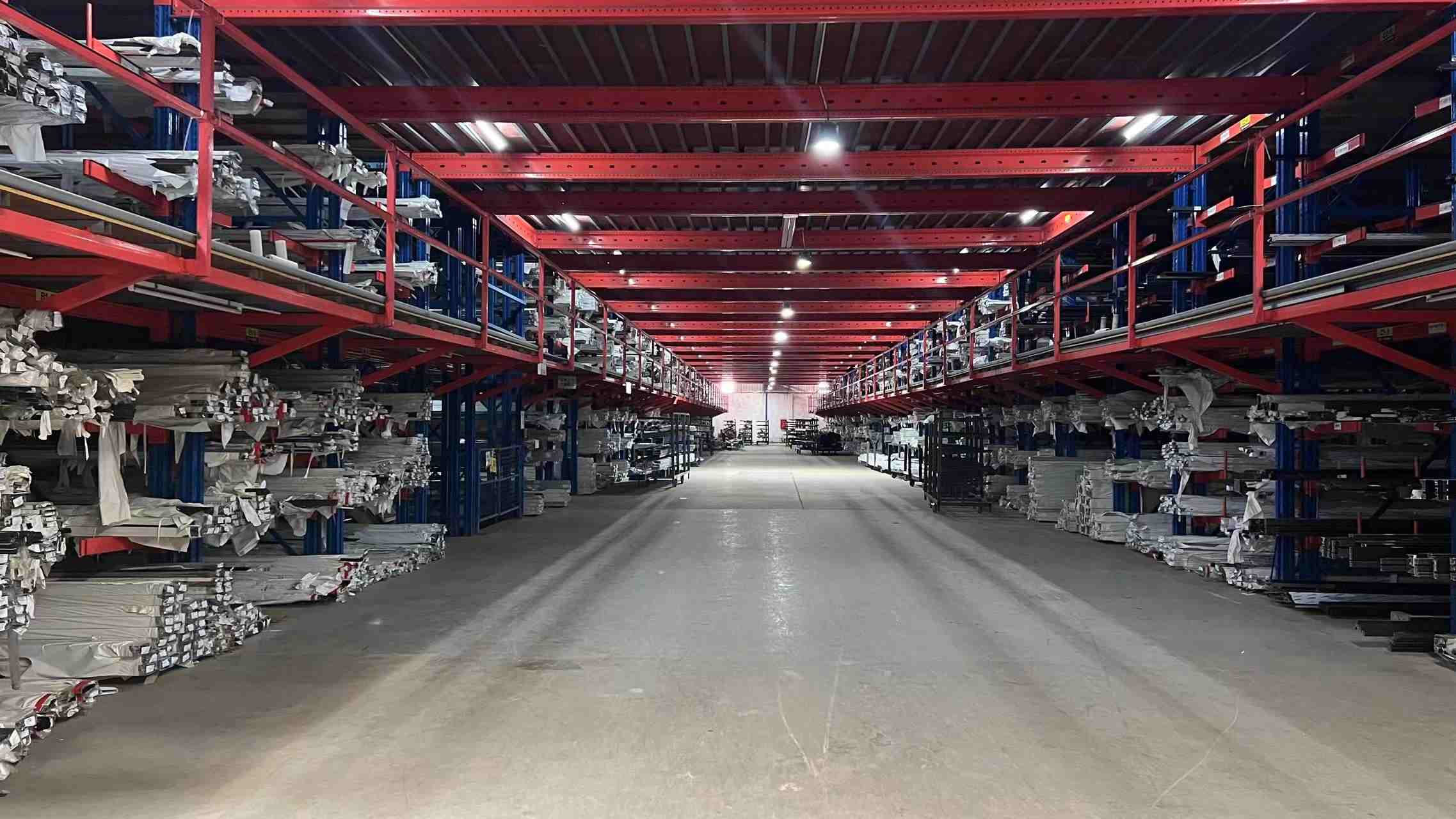
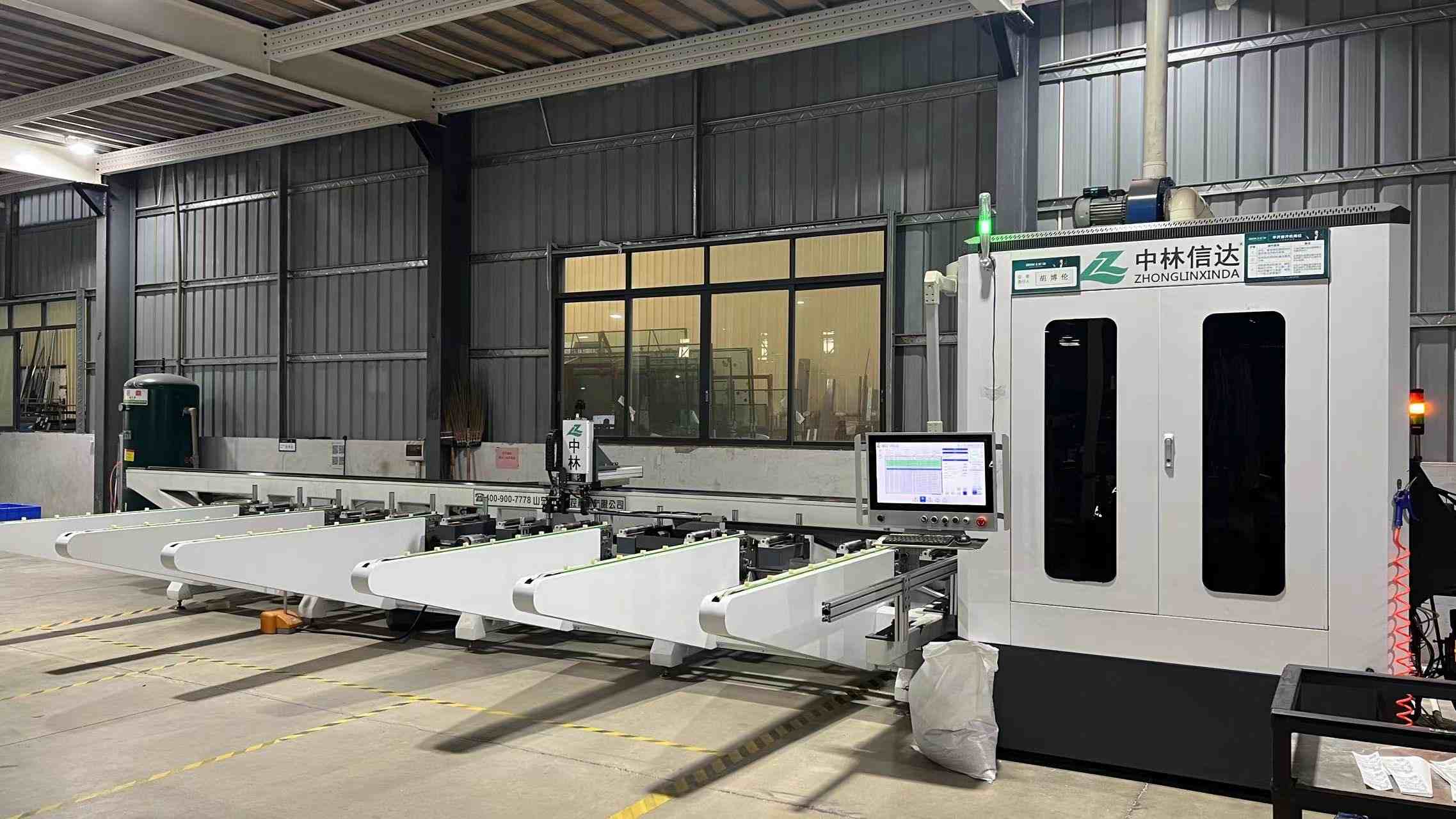
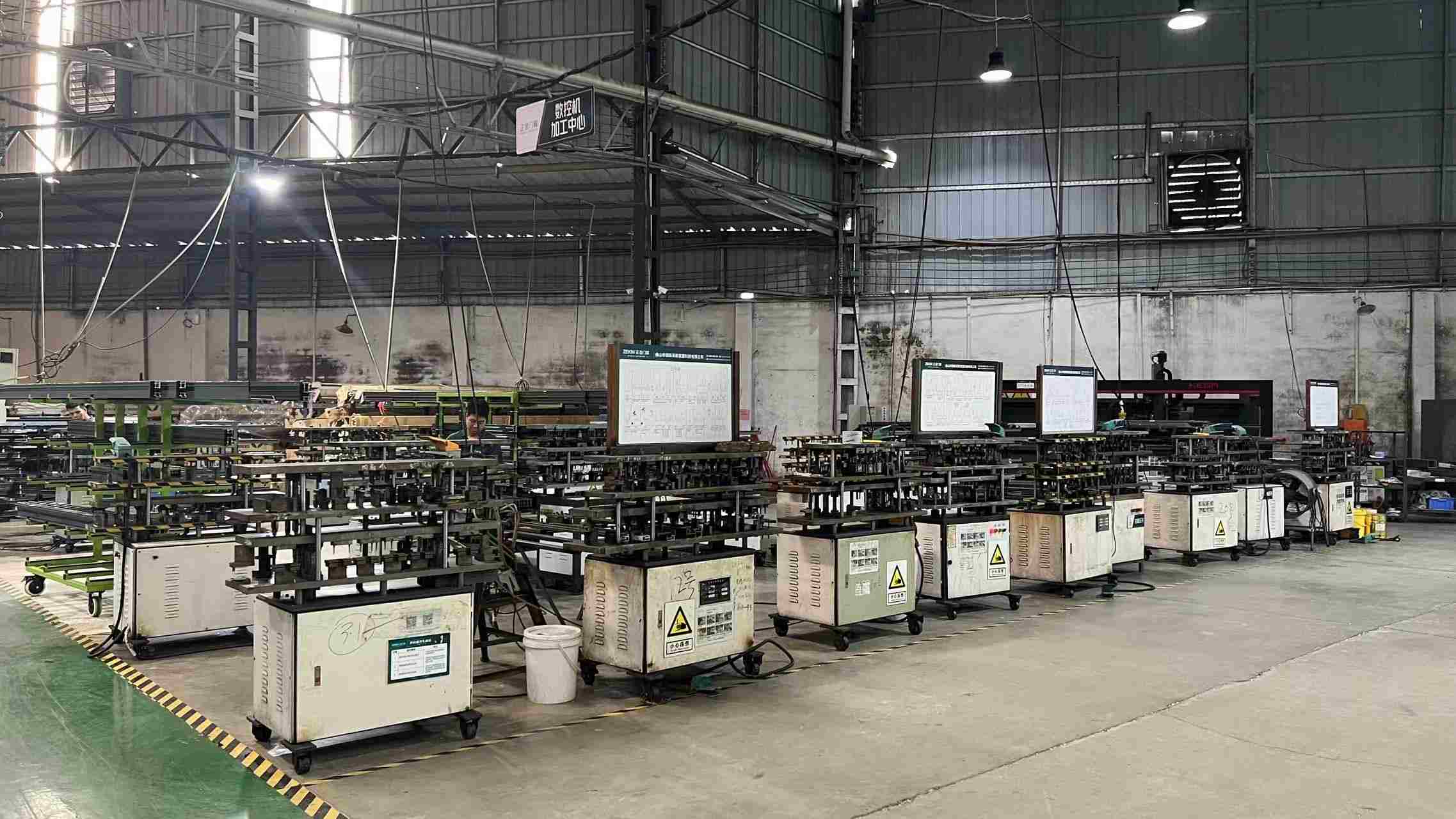
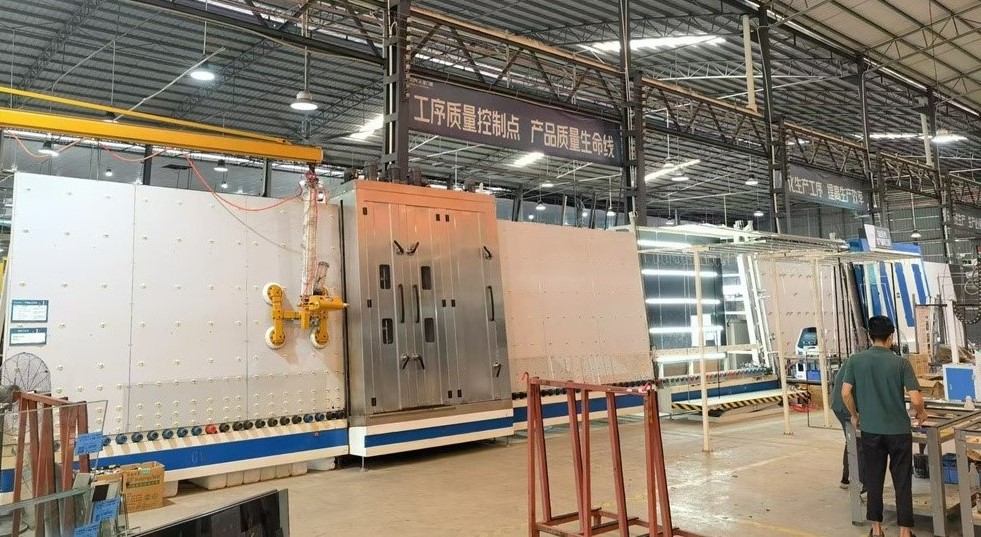
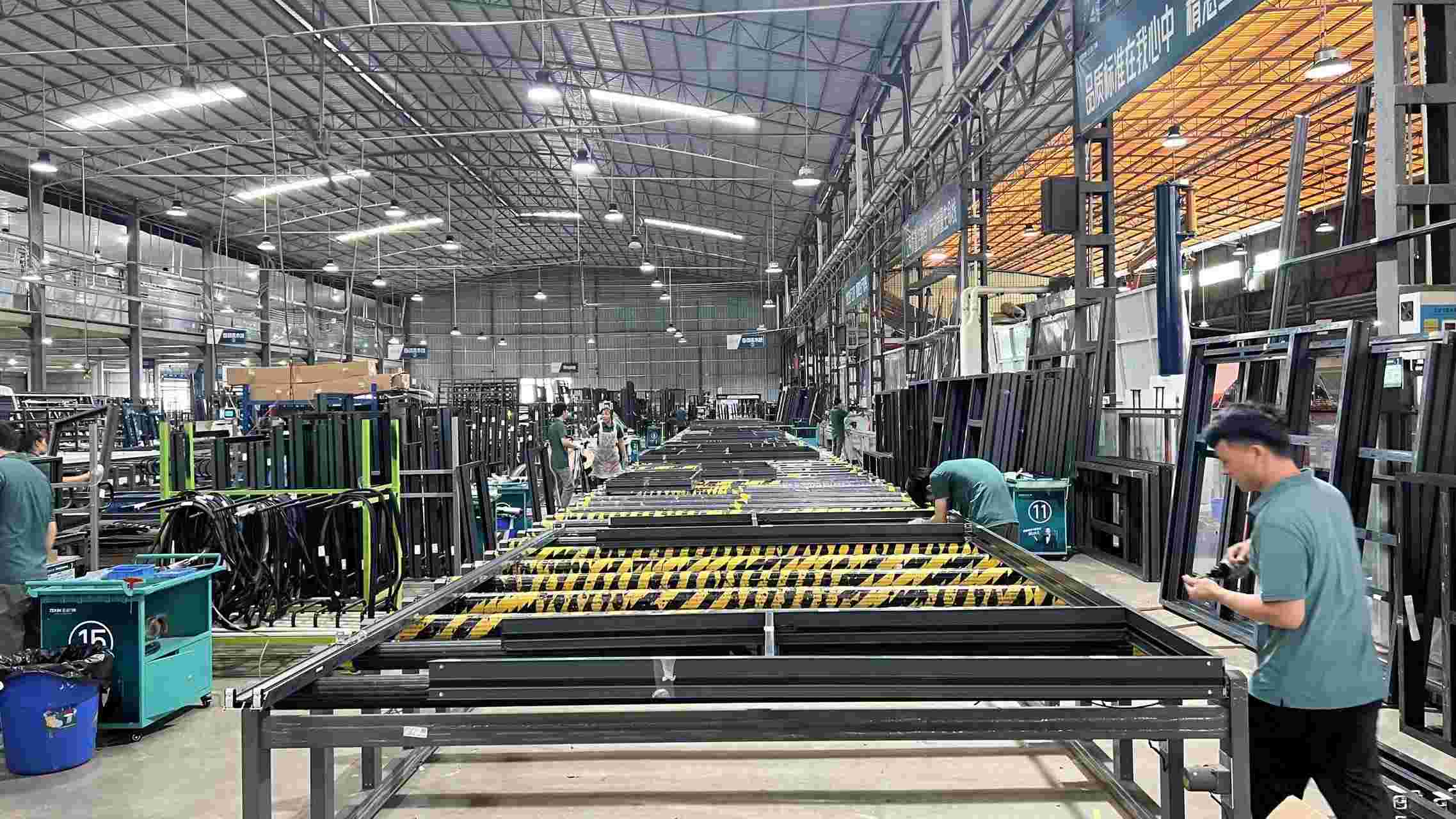
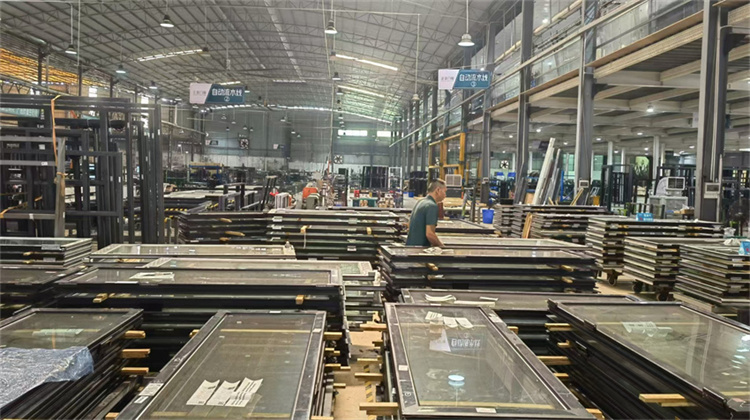
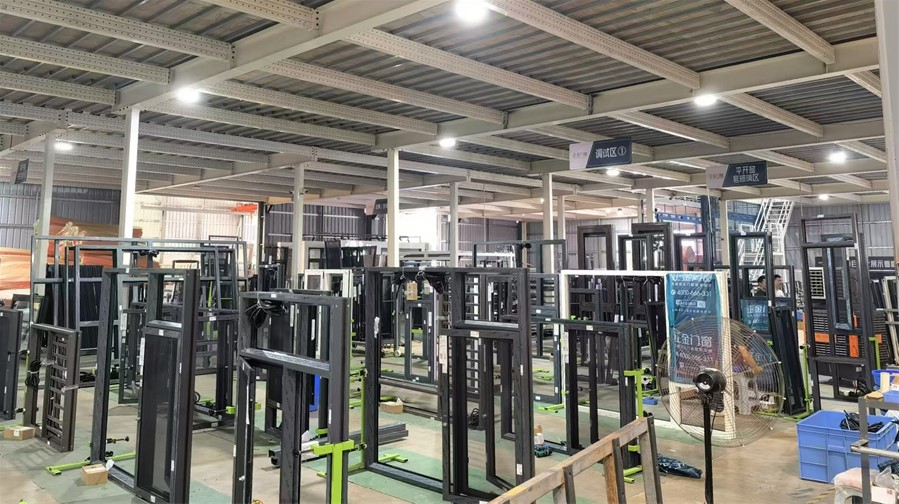
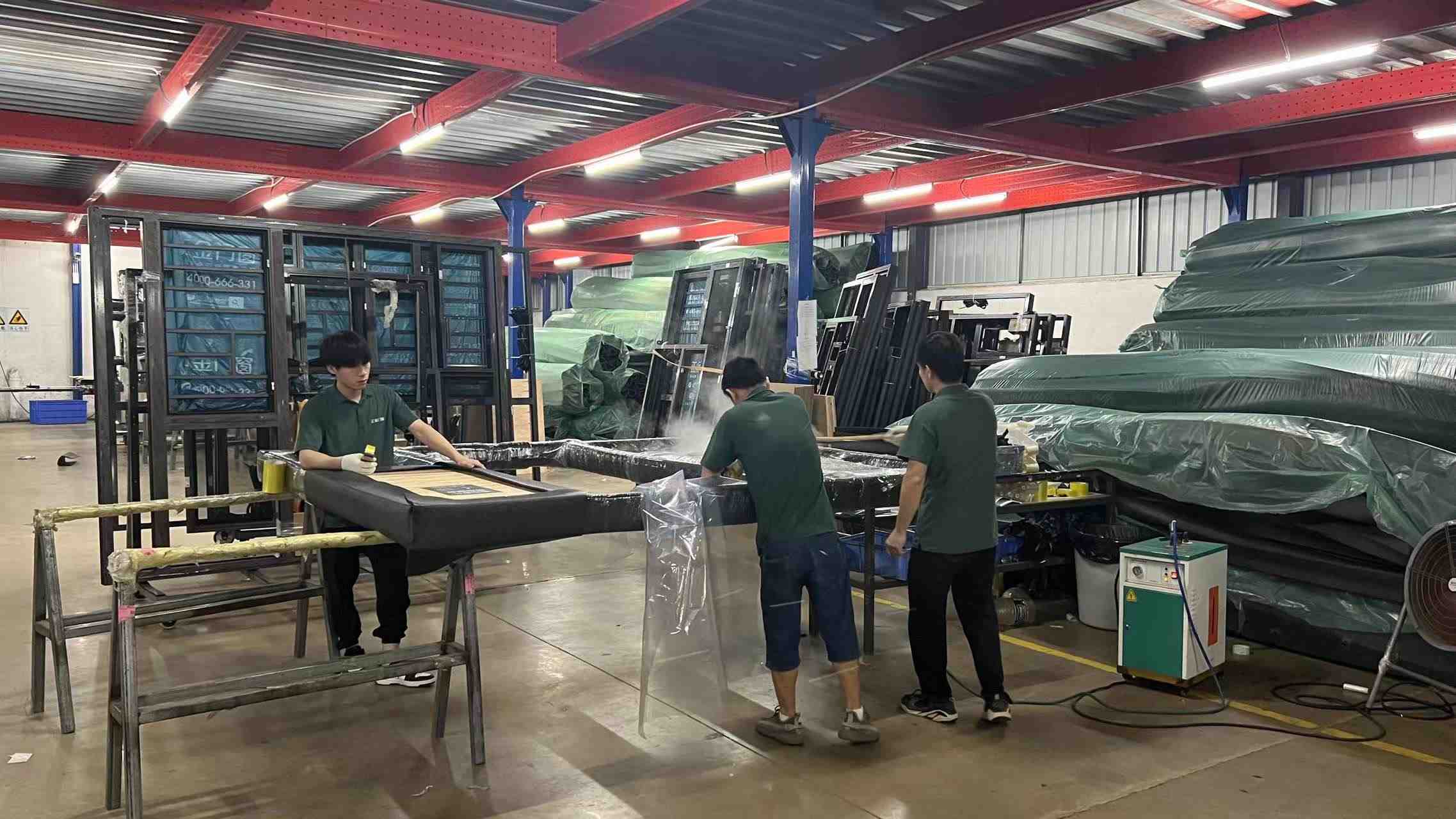
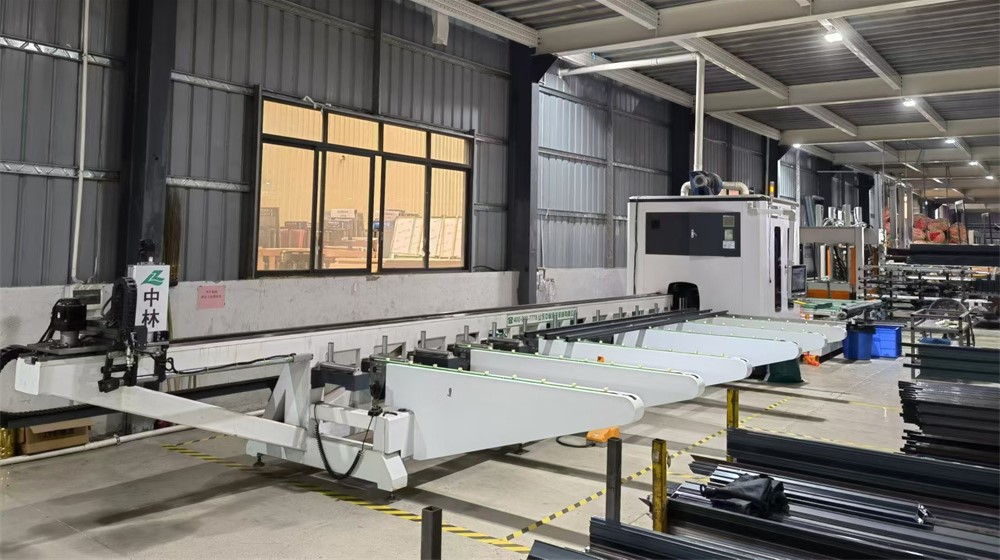
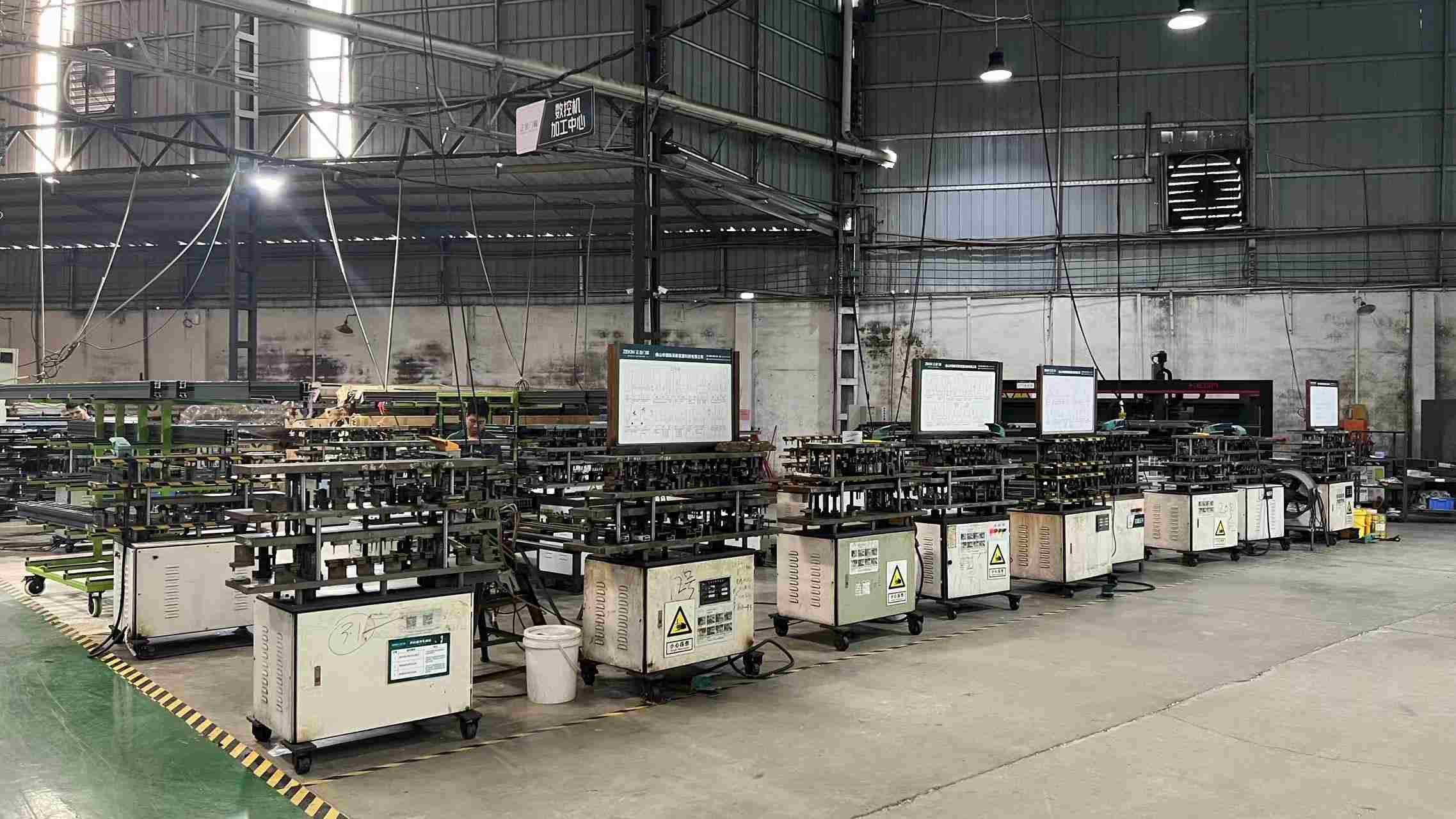
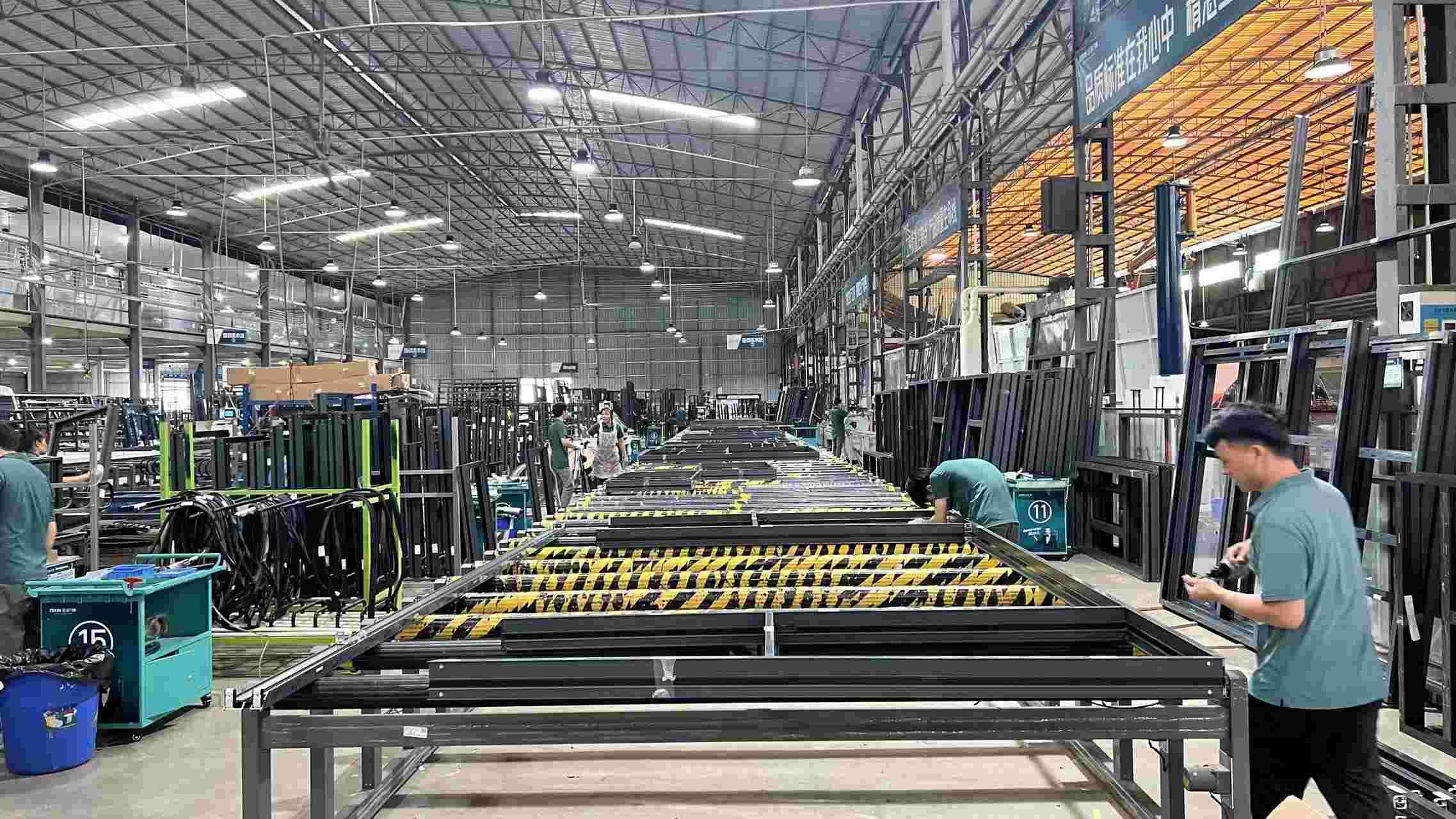
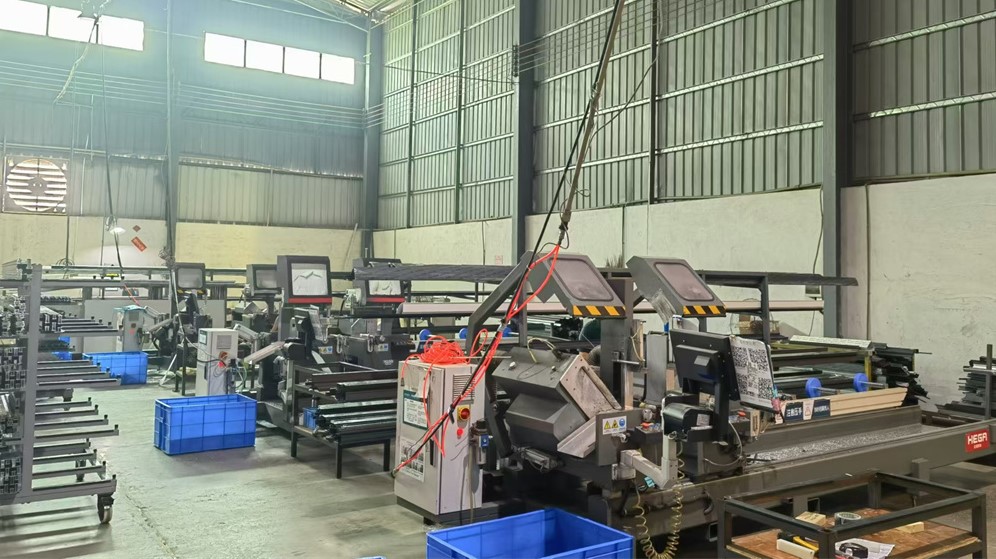
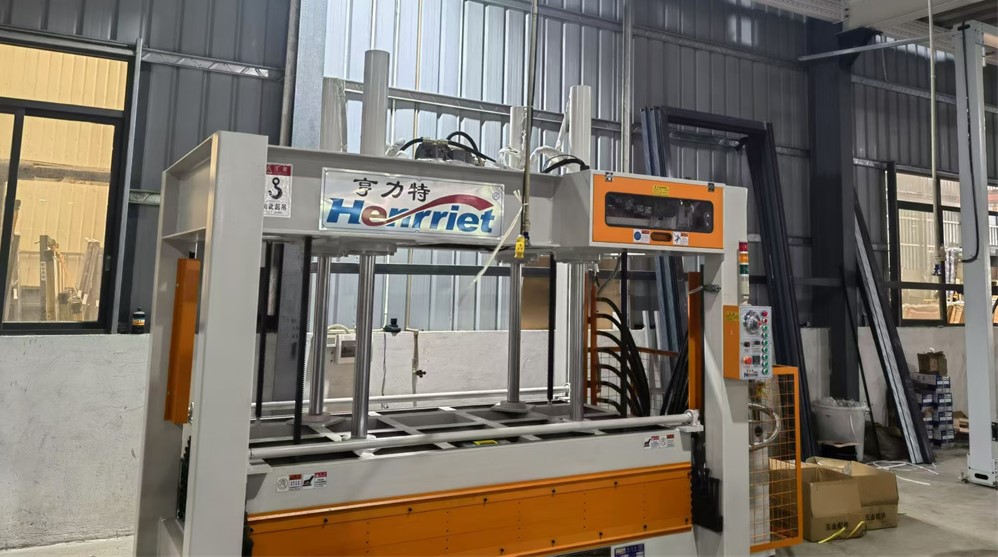
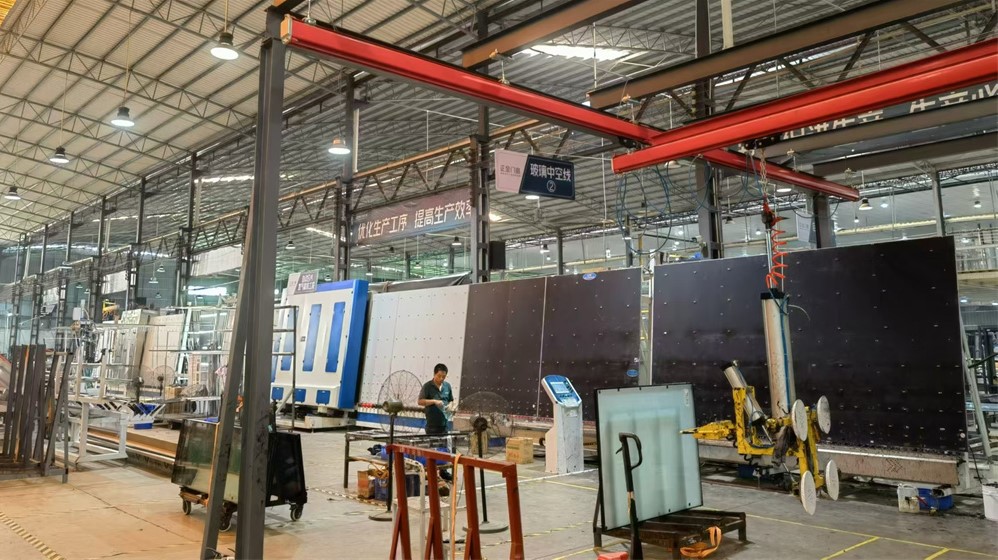
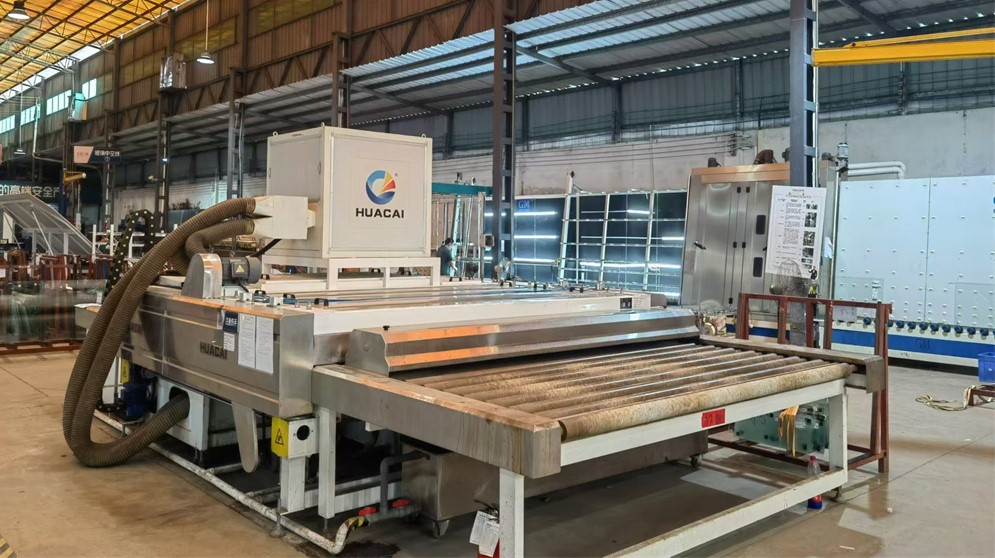
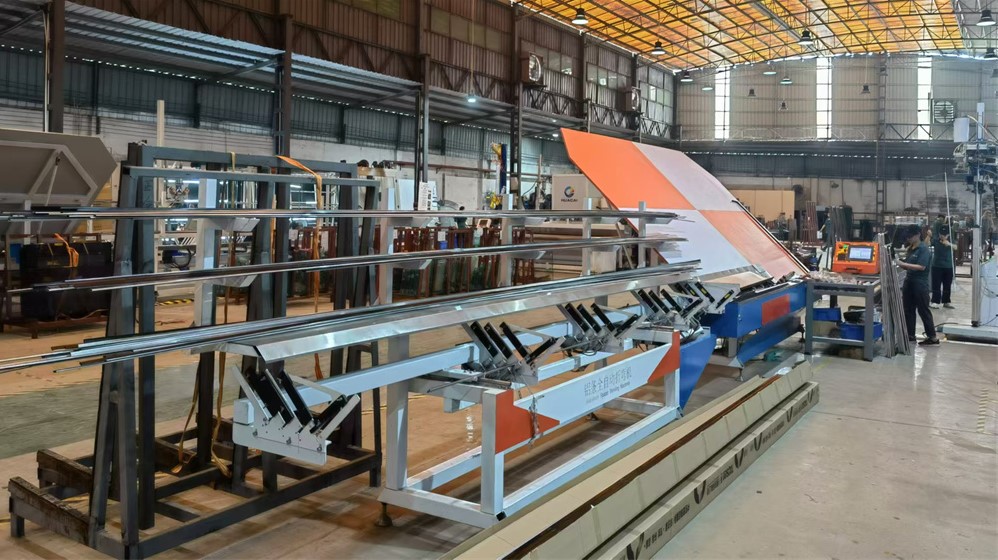
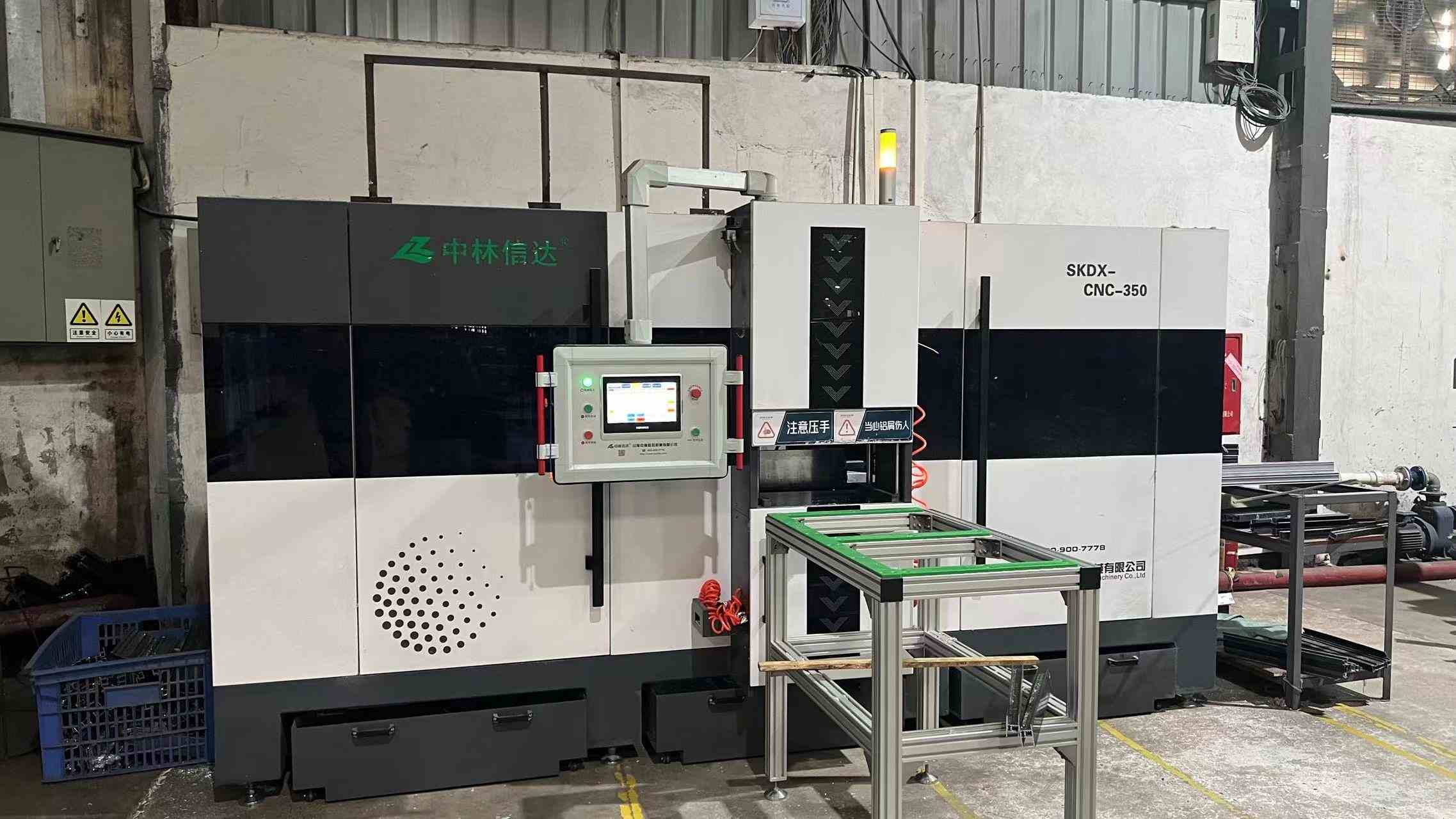
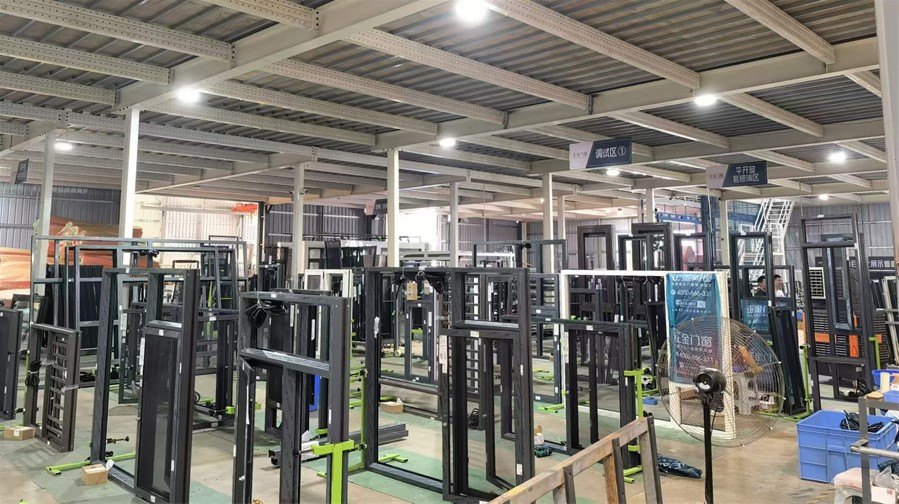
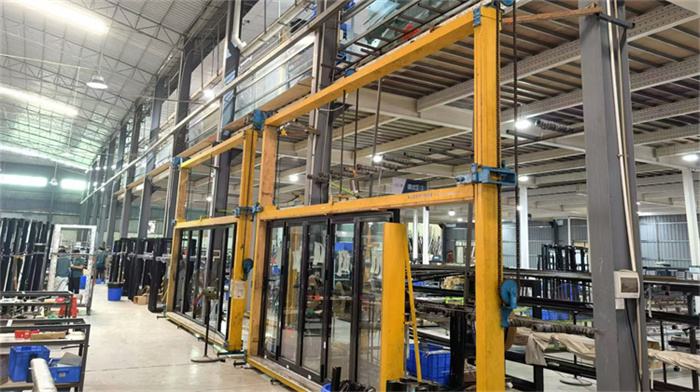
From raw T6 aluminum billets to finished, pressure-tested awning window modules—explore our state-of-the-art automated fabrication lines.
Previewing upcoming technological innovations engineered by our 350 R&D specialists for net-zero carbon buildings and intelligent facades.
Integrating Building-Integrated Photovoltaic (BIPV) framing elements and voltage-controlled electrochromic glass allows Euro awning sashes to modulate light transmittance automatically, cutting HVAC solar cooling loads by up to 40% while generating clean solar power.
Transitioning from standard polyamide to silica aerogel-infused thermal break matrices. This groundbreaking material innovation drops frame U-factors below 0.15 BTU/h·ft²·°F, meeting ultra-strict European Passive House (Passivhaus) standard requirements.
Incorporating hidden, high-torque micro-actuators linked to building management systems (BMS). sashes auto-close upon rain detection, auto-vent upon carbon dioxide elevation, and sync with smart security protocols.
Shieldoors provides localized engineering documentation, shop drawings, and laboratory test reports to streamline building permit approval across target regions.
Full compliance with NFRC 100/200/400 standards for energy rating. Miami-Dade NOA and Florida Product Approval (FPA) certified for HVHZ severe weather zones. Compliant with AAMA/WDMA/CSA 101/I.S.2/A440 performance specifications.
Strict adherence to AS2047 (Windows and external glazed doors in buildings) and AS1288 (Glass in buildings selection and installation). Tested for high ultimate limit state (ULS) wind pressure up to 4500Pa.
CE Marking and UKCA conformity according to EN 14351-1. Acoustic dampening compliance per ISO 140-3 and fire rating performance meeting international safety benchmarks.
Engineered with high solar-control Low-E coatings to mitigate severe infrared radiant heat gains. Customized powder-coating finishes meeting Qualicoat Class 2 standards for sandstorm and high-humidity salt spray resistance.
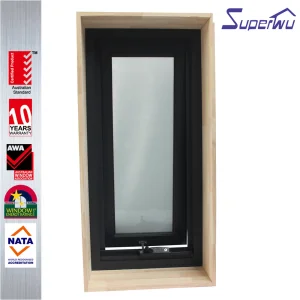
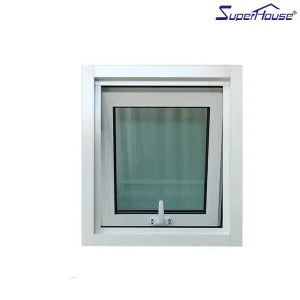
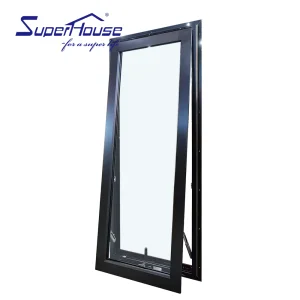
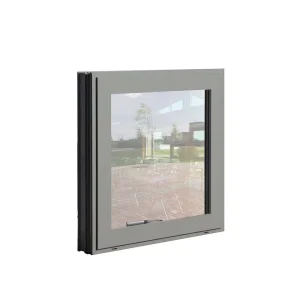
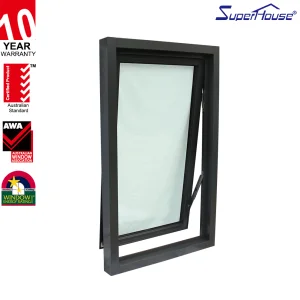
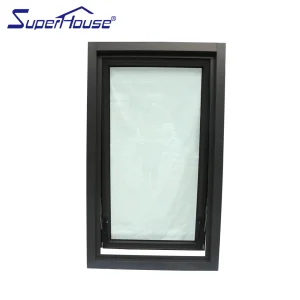
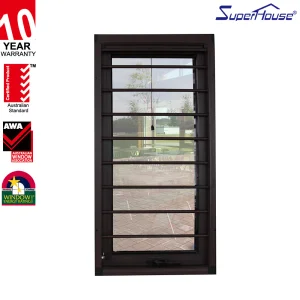
Explore our complete export range including Australian AS2047 designs, crank-out operating mechanisms, and multi-point secure locking sashes.
In-depth responses covering procurement logistics, structural performance testing, custom OEM capabilities, and international certification compliance.
 Shieldoors