Explore our certified hurricane-impact, thermal break, and soundproof aluminum sliding fenestration lineup engineered for extreme structural loads and energy efficiency.
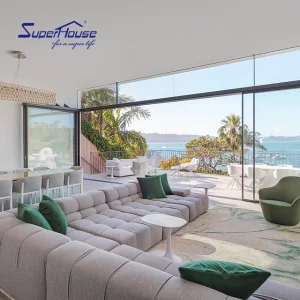
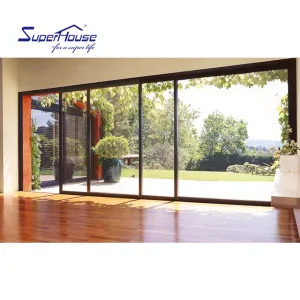
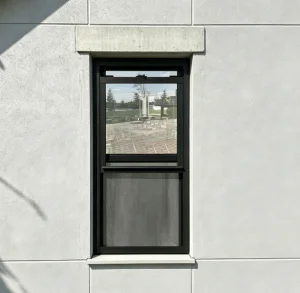
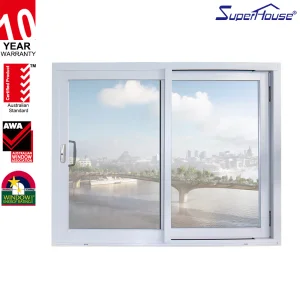
The convergence of carbon-neutral building mandates, extreme weather events, and urban density demands a fundamental evolution in structural glazing architecture.
In modern architectural engineering, the selection of fenestration systems is no longer a purely aesthetic consideration; it is a critical calculation of building envelope thermodynamics, structural deflection, acoustic dampening, and life-cycle operational expenditure. Aluminum sliding windows have transitioned from traditional horizontal glazing sliders into highly engineered structural systems capable of withstanding wind loads exceeding 90 PST (4.3 kPa), rejecting over 75% of infrared solar radiation, and offering seamless spatial integration for commercial towers, luxury hospitality resorts, and residential high-rises.
As global building codes adopt stringent energy performance benchmarks—such as ASHRAE 90.1 in North America, Title 24 in California, and Australia's NCC Section J—manufacturers must engineer fenestration assemblies that achieve sub-0.24 U-factors while preserving high Visible Light Transmittance (VLT). Achieving these parameters requires deep technological integration across aluminum extrusion metallurgy, thermal break polymer physics, multi-layer low-emissivity glass sputtering, and elastomeric EPDM weather-sealing micro-geometries.
Designed for severe coastal wind zones, incorporating heavy-duty 6063-T6 aluminum alloys and structural silicone glazing (SSG) capable of handling Miami-Dade Large Missile Impact testing (TAS 201/203).
Utilizing high-density Polyamide PA66 GF25 thermal barriers to eliminate thermal bridging, combined with argon-filled, warm-edge spacer Low-E double and triple glass units.
Multi-chamber extrusions paired with asymmetric acoustic laminated glass achieving Sound Transmission Class (STC) ratings up to 45 dB, isolating high-decibel urban environments.
A comprehensive breakdown of alloy chemistry, glass configuration physics, and hardware mechanical design.
Standard non-thermal aluminum frames exhibit high thermal conductivity ($K \approx 200 \text{ W/m}\cdot\text{K}$), leading to high energy loss and condensation formation. Our engineered sliding windows employ Polyamide PA66 GF25 (25% Glass Fiber reinforced) thermal barrier strips. This mechanical isolation splits the interior and exterior aluminum profiles, reducing the frame U-factor by up to 68% while maintaining structural rigidity under severe wind forces.
| Performance Indicator | Standard Aluminum Window | Thermal Break Sliding System | Shieldoors Hurricane Impact Series |
|---|---|---|---|
| Thermal Transmittance (U-Factor) | 1.10 - 1.30 BTU/h·ft²·°F | 0.35 - 0.45 BTU/h·ft²·°F | 0.22 - 0.28 BTU/h·ft²·°F |
| Solar Heat Gain Coefficient (SHGC) | 0.65 - 0.75 | 0.30 - 0.40 | 0.18 - 0.24 (Low-E Double Sputtered) |
| Design Pressure (DP Rating) | DP 30 - DP 40 | DP 50 - DP 65 | DP 70 - DP 105 (Miami-Dade Certified) |
| Acoustic Isolation (STC) | 26 - 28 dB | 32 - 36 dB | 40 - 45 dB (Laminated Acoustic IGU) |
| Air Infiltration Rate | 0.30 cfm/ft² | 0.12 cfm/ft² | < 0.04 cfm/ft² (AAMA 101 Tested) |
Commercial installations in high-altitude environments (e.g., elevation > 1,000 meters above sea level) face dramatic atmospheric pressure differentials between the sealed double glass cavity and ambient outdoor air. Unmanaged, this pressure differential causes glass distortion, optical deflection, and seal failure.
We integrate stainless steel capillary tube equalization valves within the IGU edge seal matrix. These micro-capillary tubes allow controlled gas pressure balance during air transport and high-altitude installation, preventing glass bowing while preserving argon gas insulation longevity. For coastal hurricane zones, we deploy SentryGlas® (SGP) ionoplast interlayers, which offer 5 times the tear strength and 100 times the rigidity of conventional PVB interlayers.
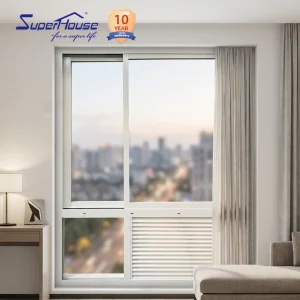
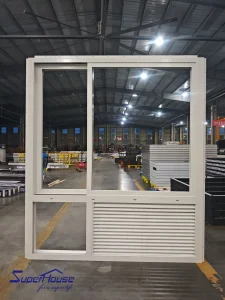
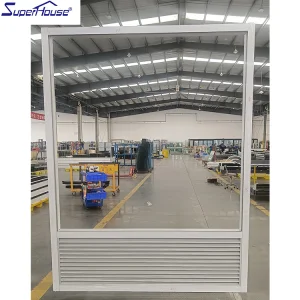
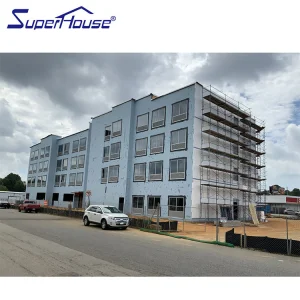
Modern hotel brand standards (including Hilton Home2 Suites, Holiday Inn Express, Marriott) require unified fenestration envelopes that accommodate Packaged Terminal Air Conditioners (PTAC) directly beneath fixed or sliding window panels. Our custom sub-frame extrusions feature fully integrated PTAC intake louvers engineered with internal drainage baffles, stainless steel insect screens, and acoustic baffling, eliminating external visual clutter while preserving structural weatherproofing.
Direct compliance matrix for Tier-1 construction jurisdictions across North America, Oceania, and Southeast Asia.
Fully compliant with Miami-Dade County NOA (Notice of Acceptance), Florida Product Approval (FPA), and NFRC energy ratings. Tested under TAS 201 (Large Missile Impact), TAS 202 (Uniform Structural Load), and TAS 203 (Cyclic Wind Pressure Loading).
Engineered to meet AS2047 (Windows and External Glazed Doors in Buildings) and AS1288 glass selection. Tested for Ultimate Limit State (ULS) wind pressures up to 3000 Pa and water penetration resistance up to 450 Pa for coastal applications.
Certified under EN 14351-1 for exterior pedestrian doorsets and windows. Compliant with ISO 9001 quality systems and AkzoNobel Interpon / Jotun powder coating anti-corrosion standards for high-salinity marine environments.
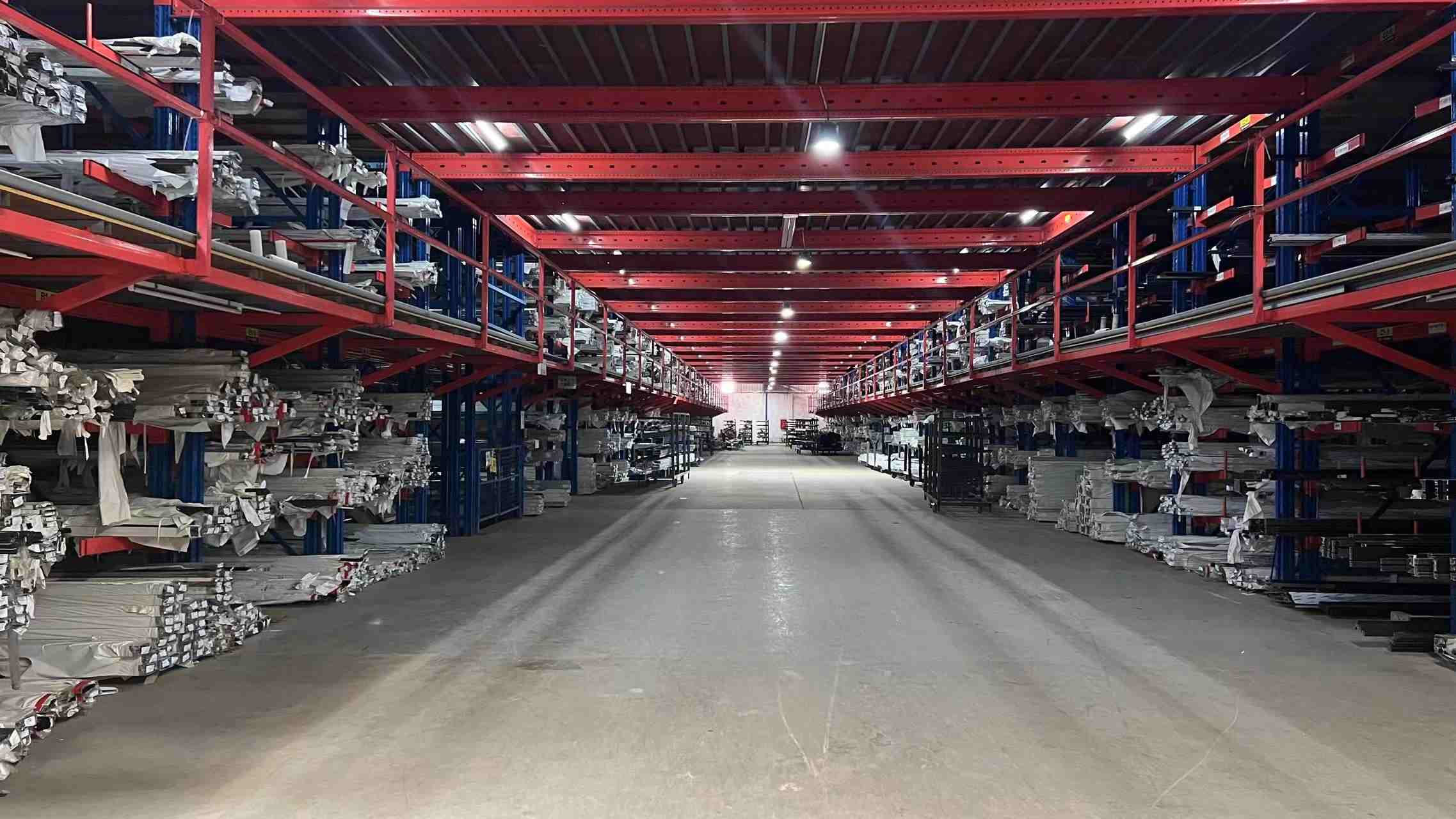
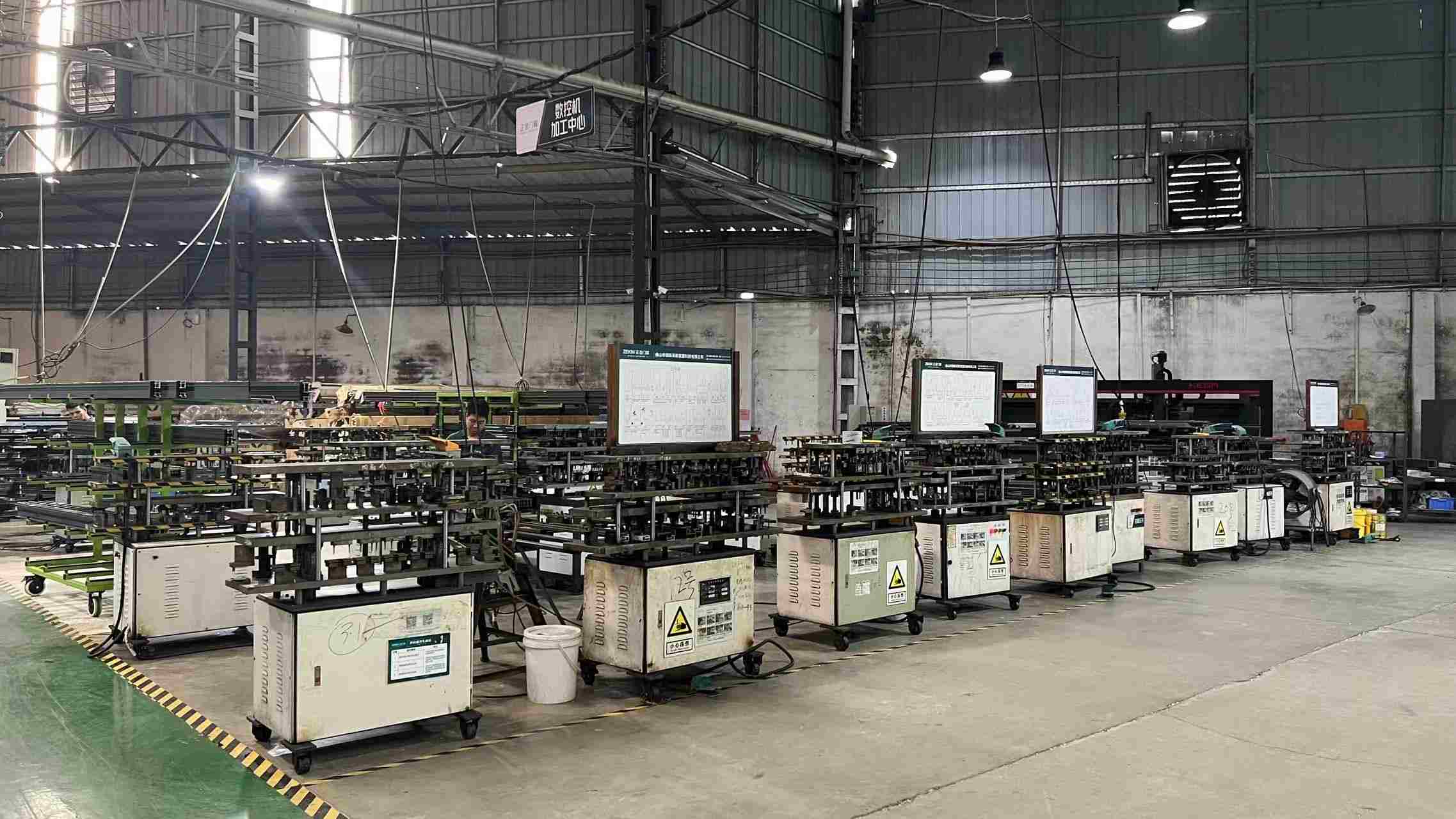
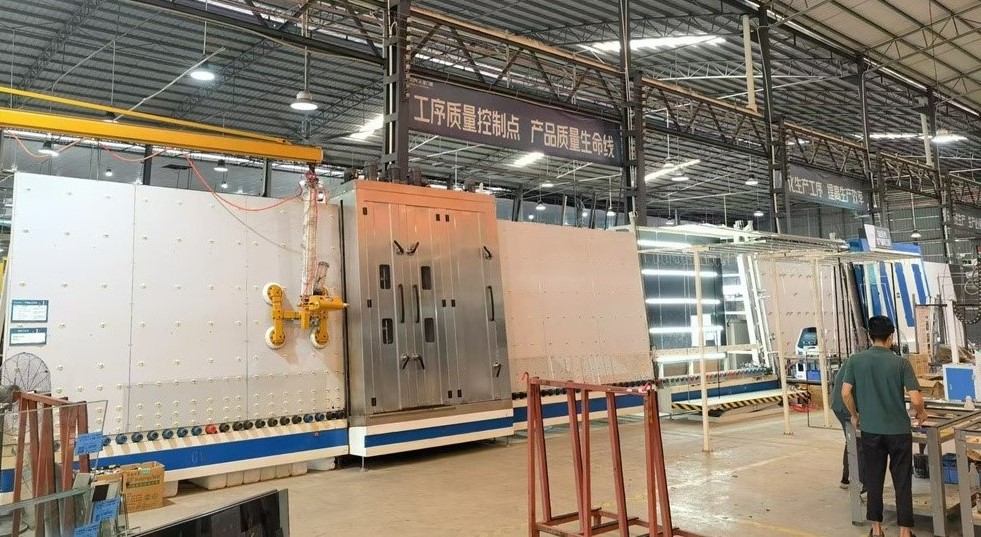
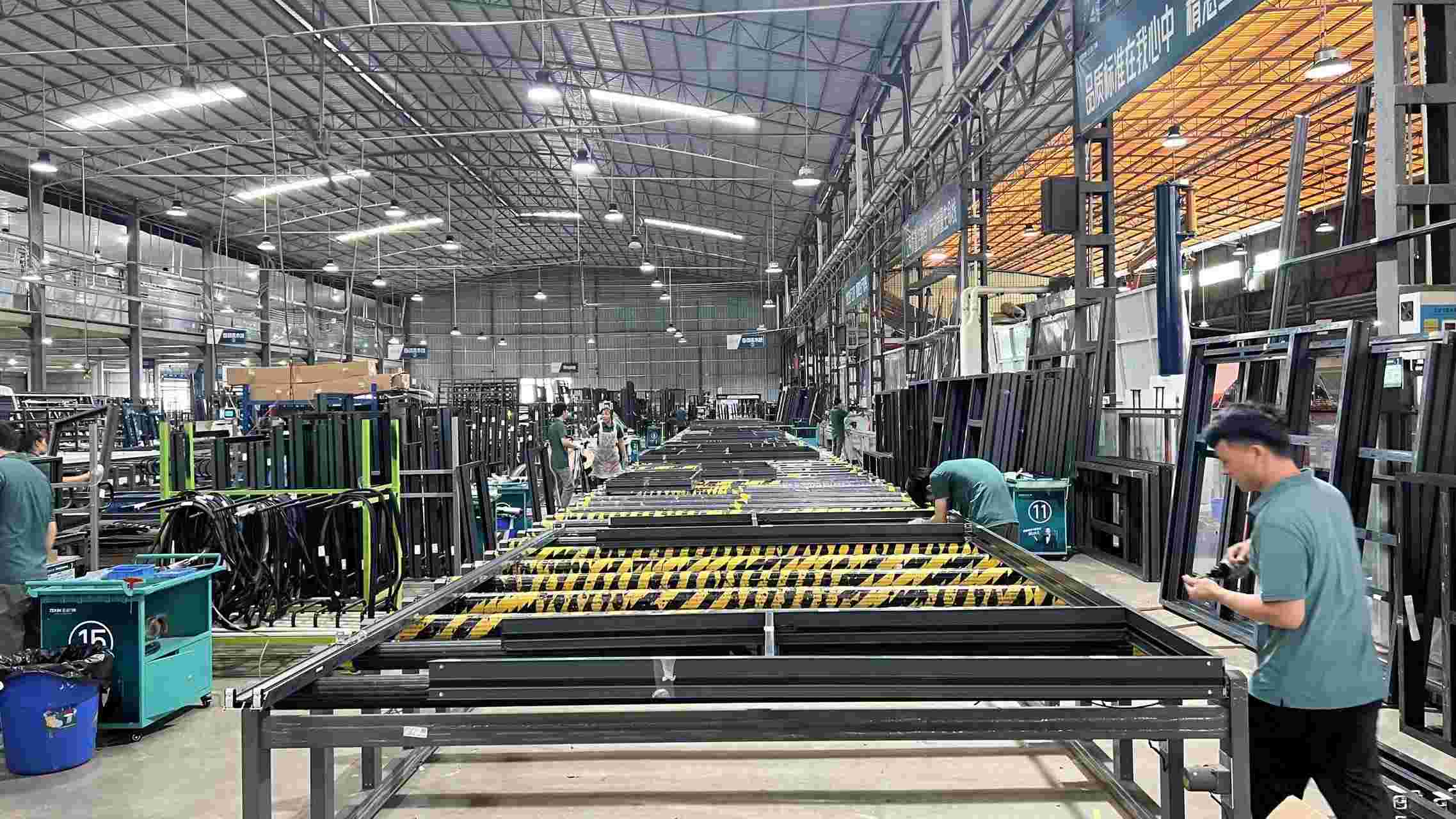
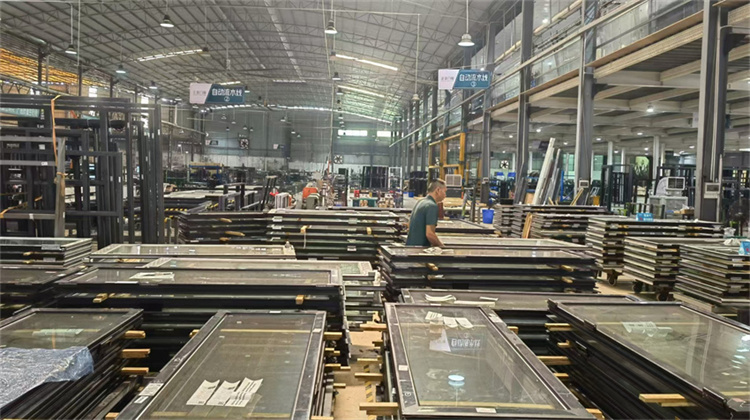
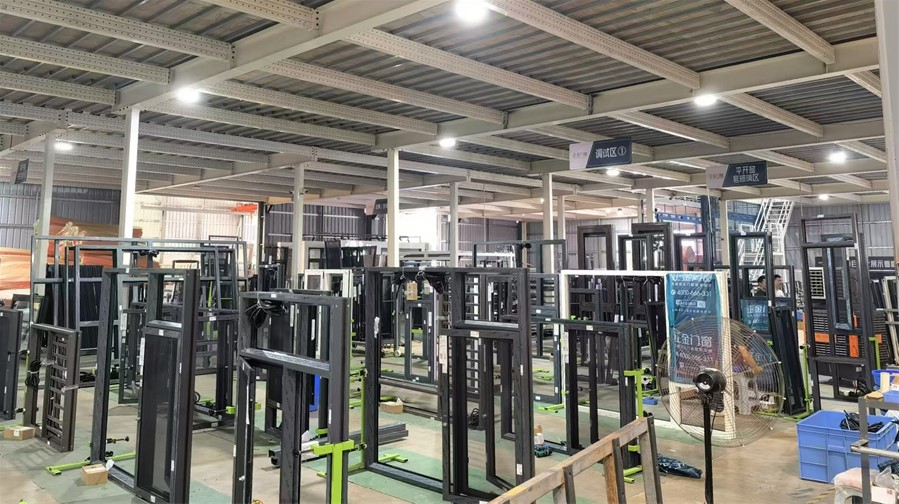
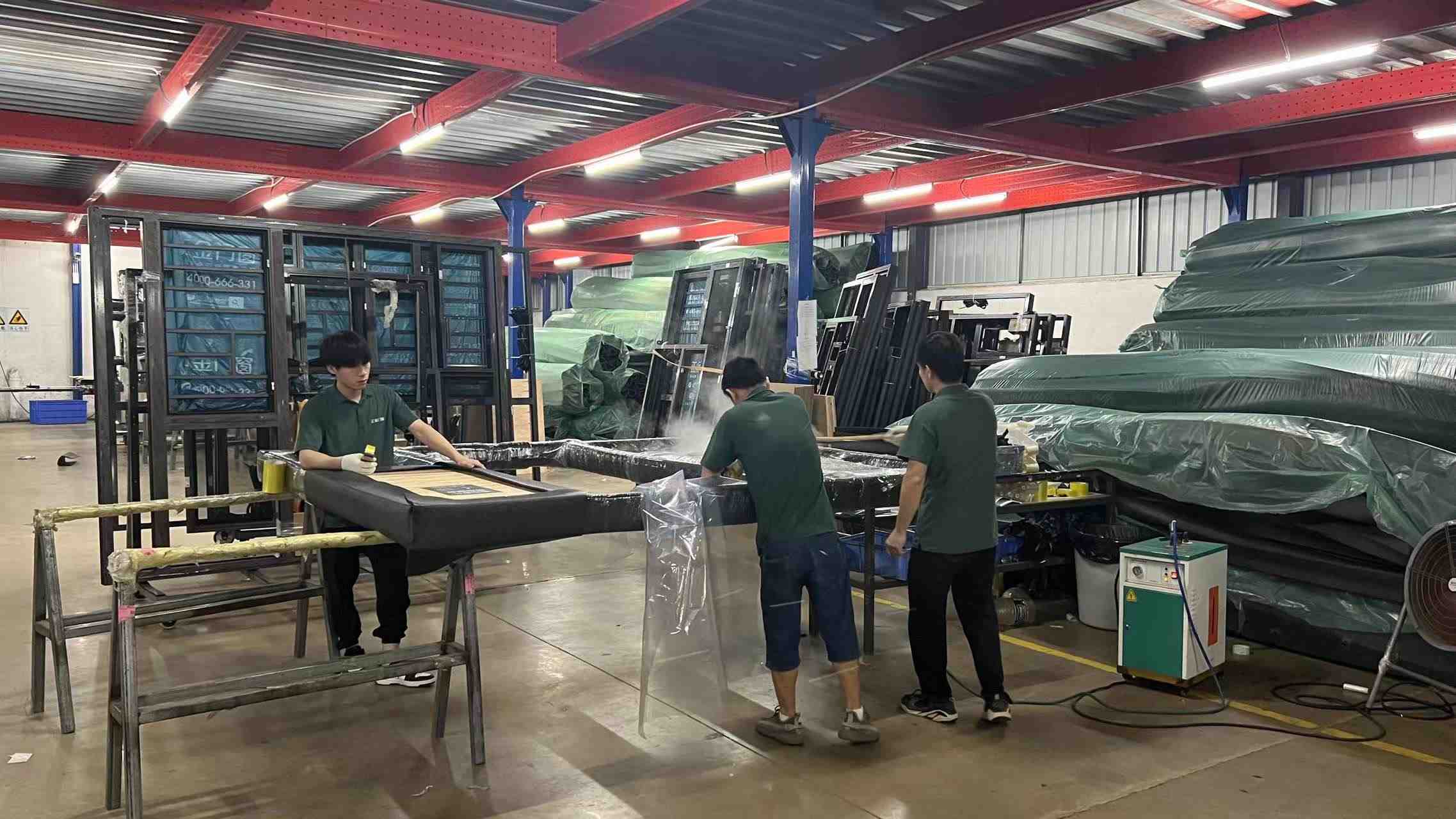
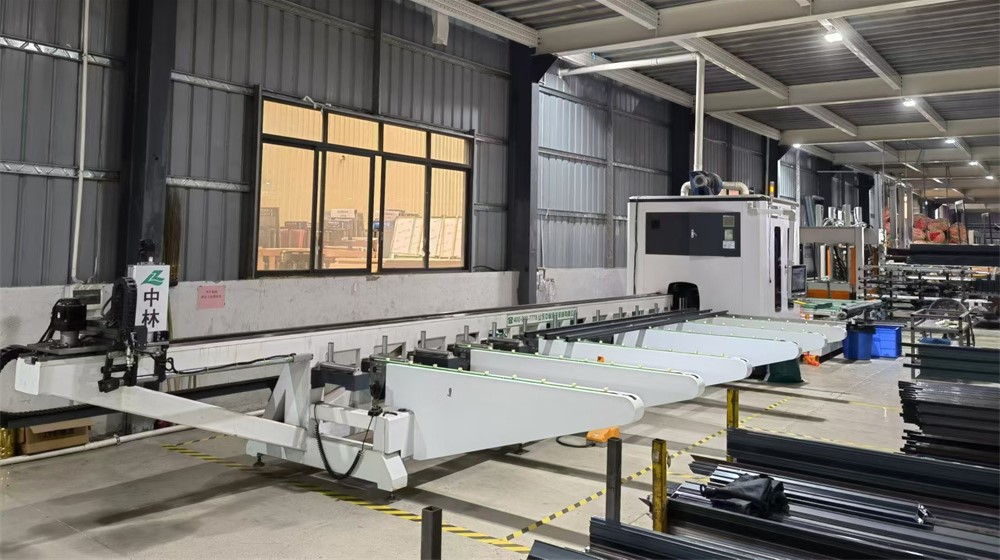
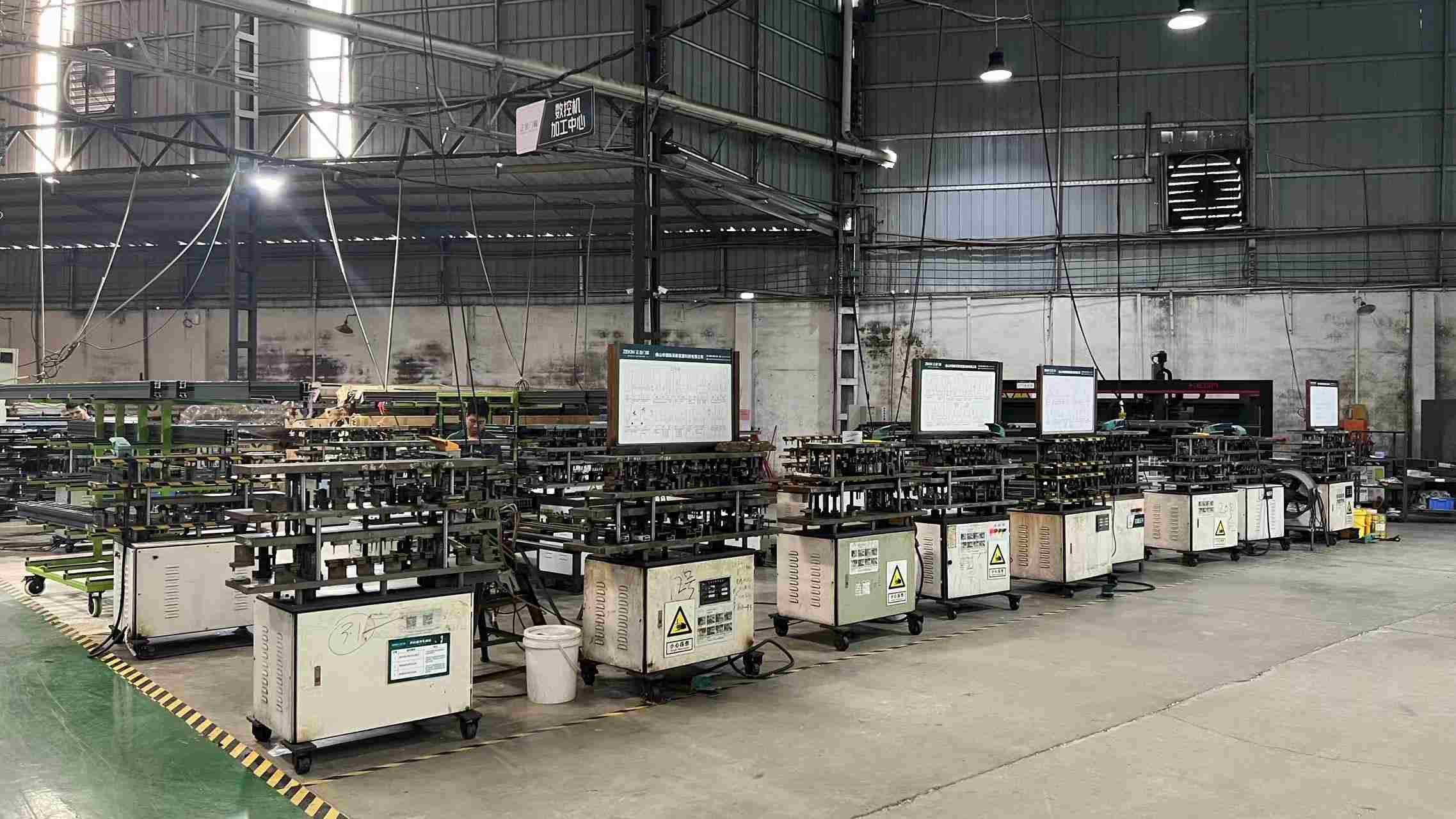
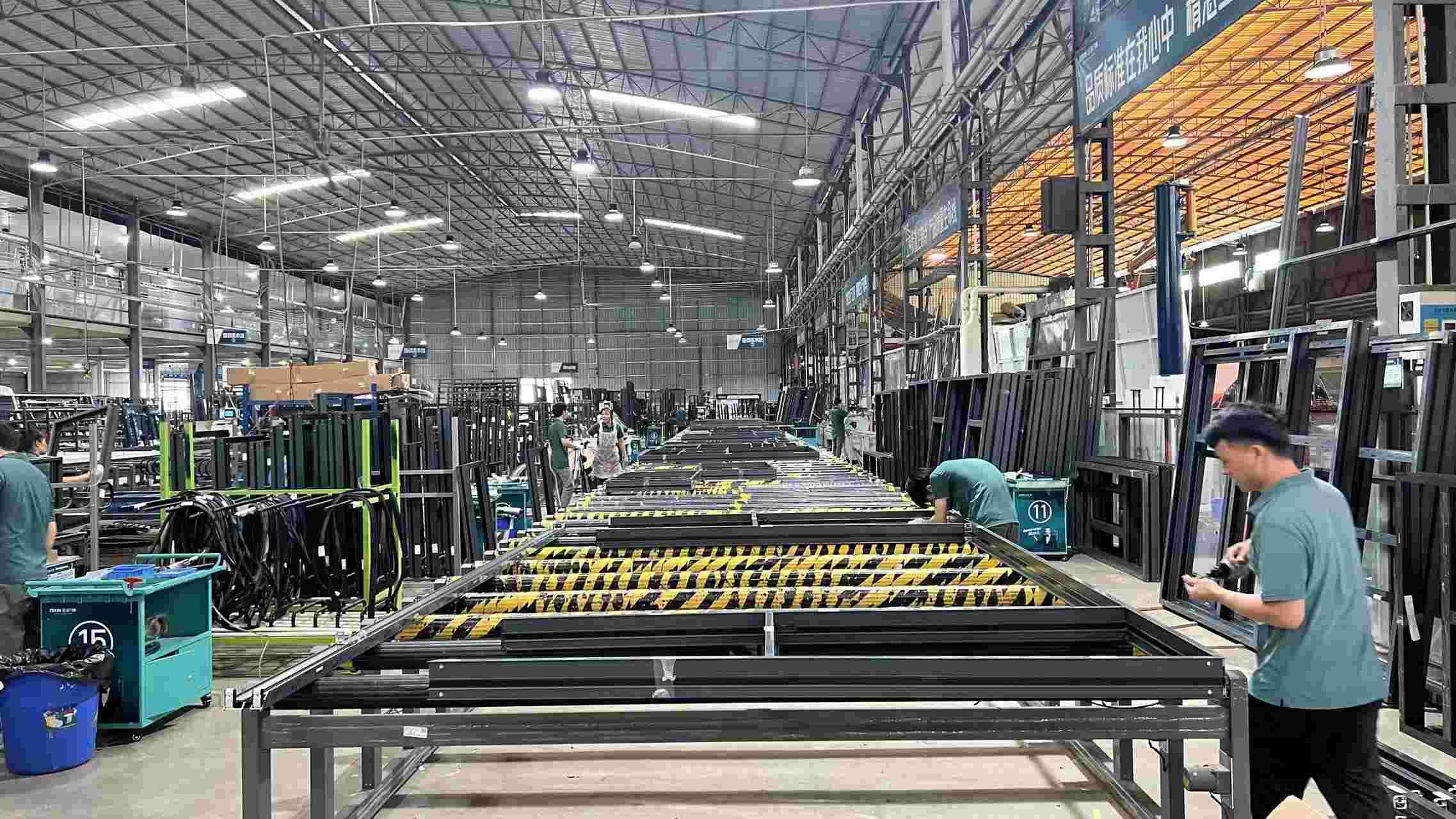
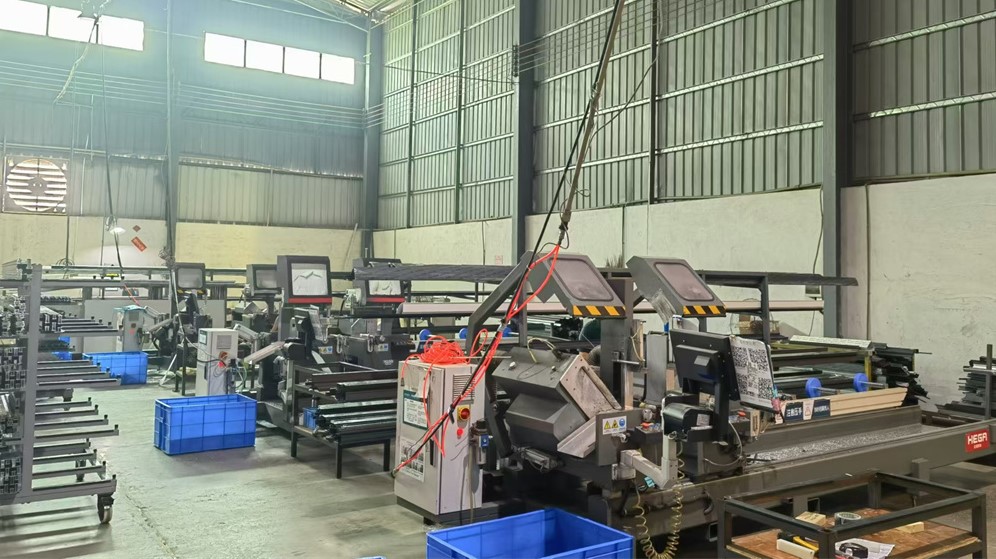
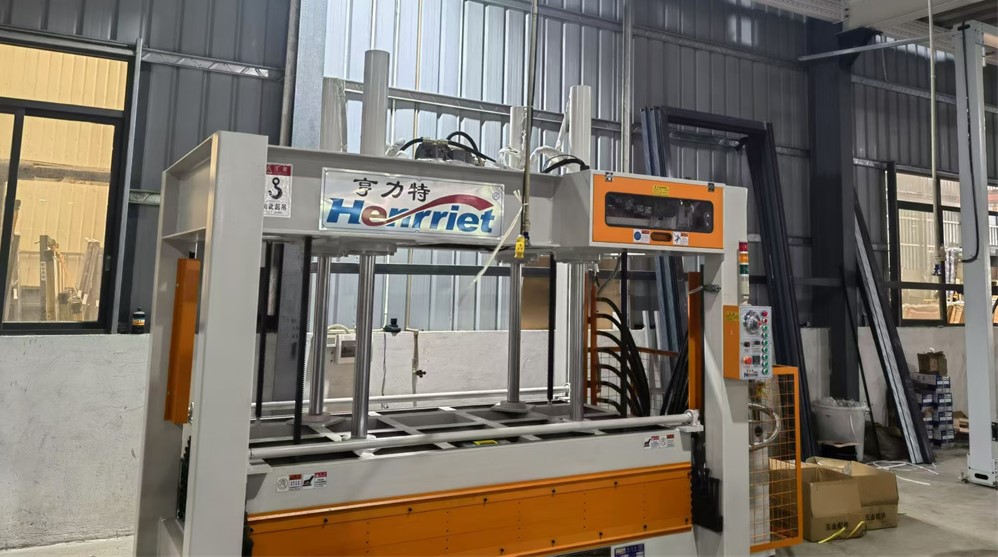
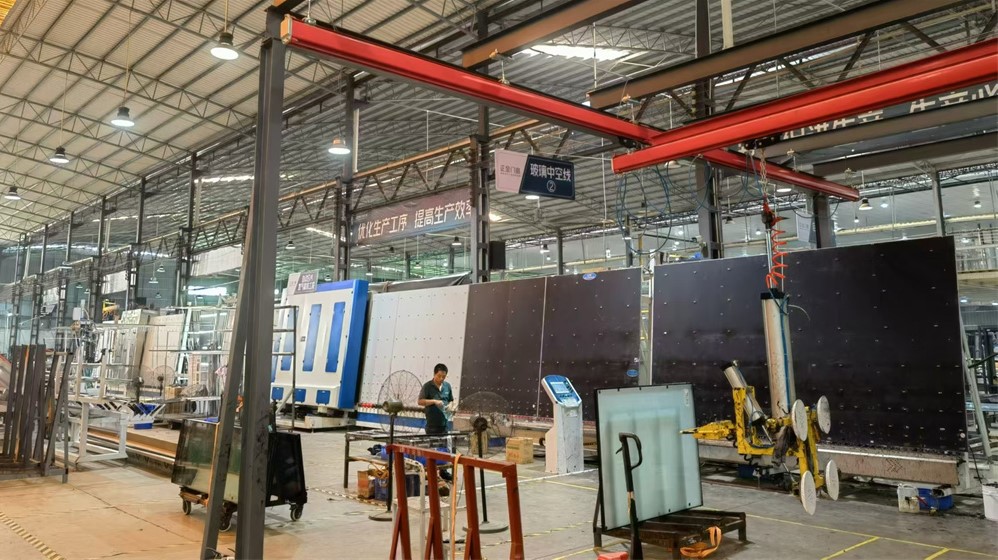
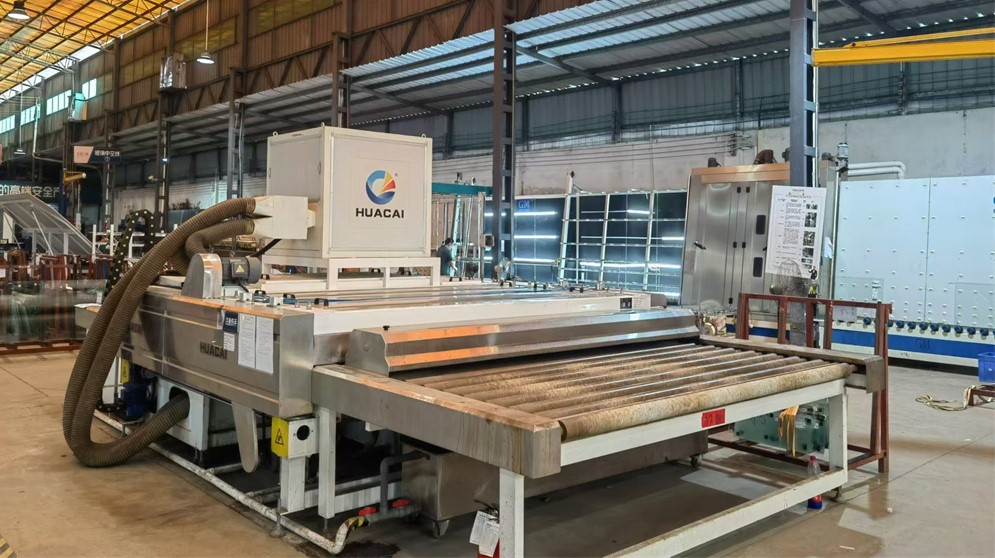
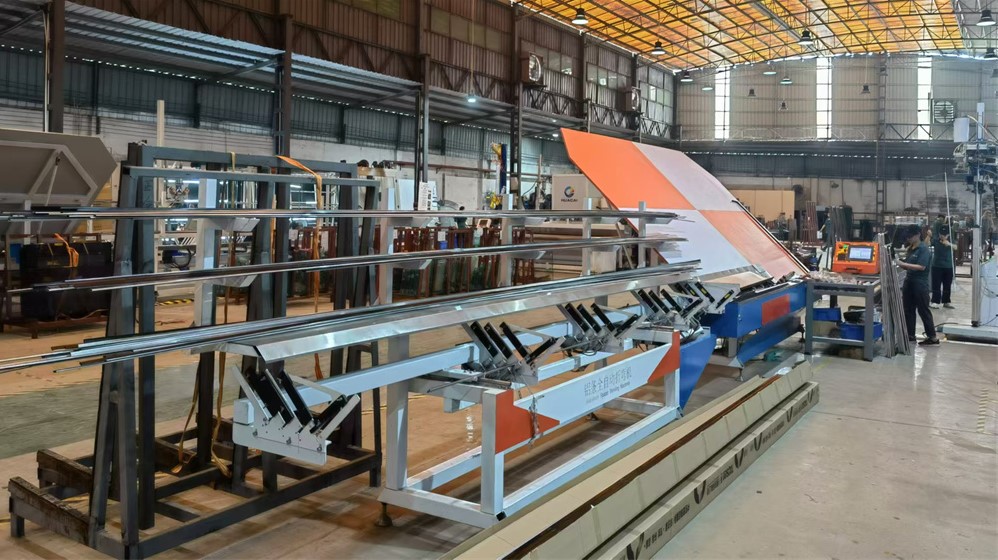
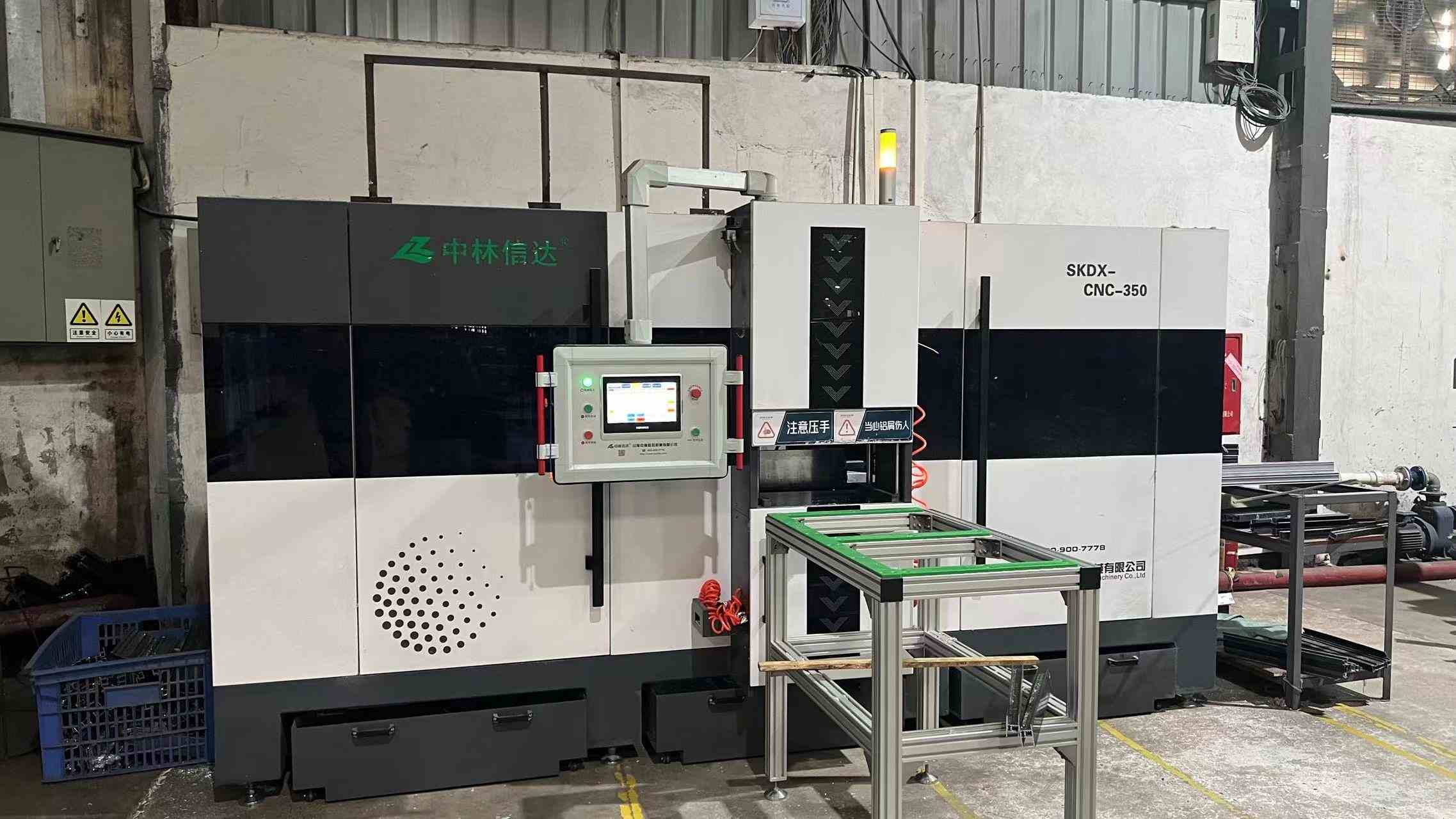
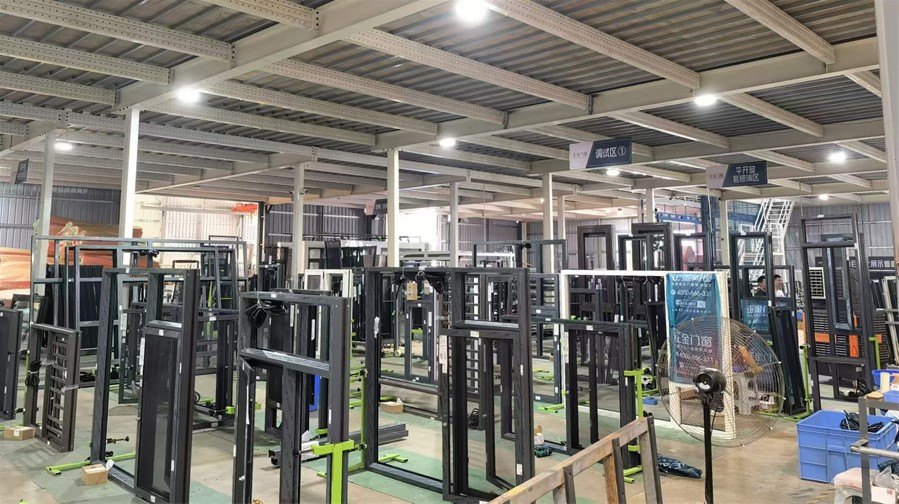
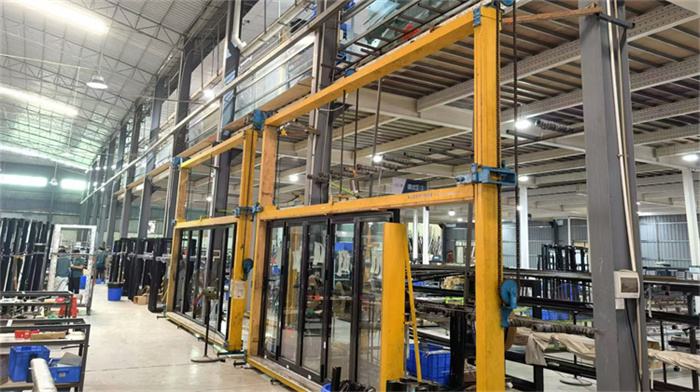
Industrializing fenestration precision through 45,000 m² of modern automated production lines, certified quality assurance protocols, and global logistical integration.
Established in 2016, Zhejiang Shieldoors Security Technology Co., Ltd. represents the apex of Chinese high-precision fenestration manufacturing. Building on 10 years of deep industry expertise and 6 years of international commercial export leadership, Shieldoors operates from an expansive 45,000 m² state-of-the-art production base.
Our operational framework is backed by an ISO9001-certified quality control standard operating procedure (SOP). Every production batch undergoes rigorous third-party validation, holding active certifications for CE, UL fire ratings, NFRC energy metrics, and Miami-Dade hurricane impact compliance. With a dedicated engineering council of 350 R&D specialists, Shieldoors launched over 450 customized architectural window designs last year alone, serving global hotel developers, multi-family general contractors, and commercial building suppliers across North America, Australia, and Southeast Asia.

Pioneering future-ready envelope technologies: BIPV, Vacuum Glass, and Smart Micro-Sensors.
The roadmap for high-performance aluminum sliding windows relies on the seamless convergence of structural material science and smart digital technology. As building envelopes evolve from passive weather barriers into active energy-harvesting assets, Shieldoors R&D division is driving innovation across three core pillars:
Transitioning from standard gas-filled IGUs to ultra-thin Vacuum Insulated Glass units. By creating a 0.1mm micro-vacuum seal between glass panes, frame profiles achieve center-of-glass U-factors as low as 0.08 BTU/h·ft²·°F (0.45 W/m²K), outperforming traditional solid brick walls in thermal resistance.
Integrating invisible thin-film solar cells directly into sliding window frame sashes and exterior louvers. This allows large-scale commercial facades to generate clean micro-grid electricity without compromising visual glass transparency or architectural sightlines.
Incorporating embedded IoT climate sensors and electrochromic dynamic tinting. Window panels automatically adjust their solar heat gain coefficient (SHGC) in real-time based on solar irradiance, reducing commercial HVAC cooling loads by up to 32% annually.
Explore our complete commercial portfolio, tailored for hospitality projects, residential communities, and coastal storm zones.
Expert engineering insights regarding specifications, compliance, and custom B2B manufacturing.
 Shieldoors