High-performance architectural aluminum casement, hung, sliding windows & structural door systems tested to rigorous global standards.
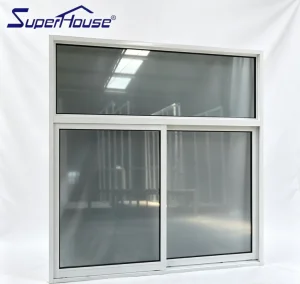
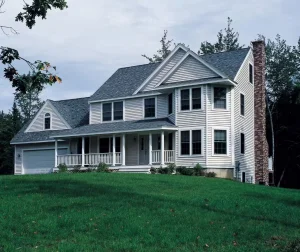
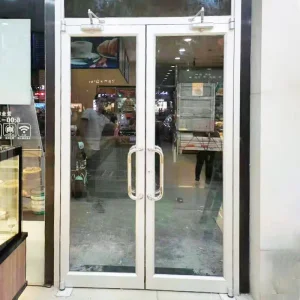
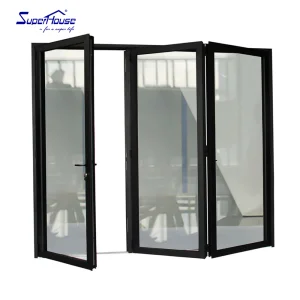
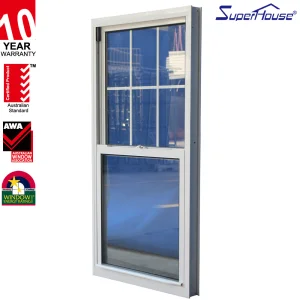
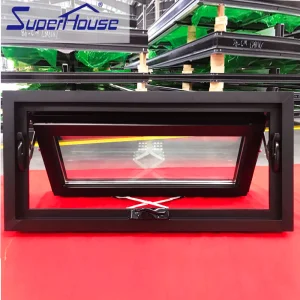
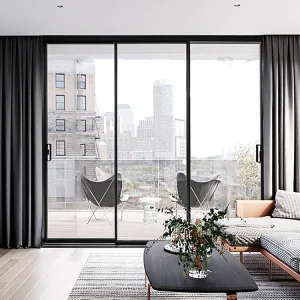
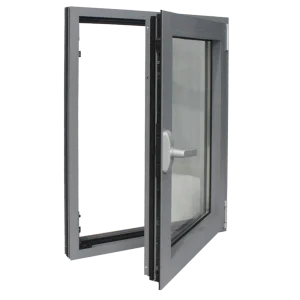
In modern architectural fenestration, the thermal, acoustic, and structural integrity of exterior envelopes dictates overall building energy scores. As modern construction standards shift towards net-zero carbon footprints and Passive House performance, the structural selection of window systems has moved beyond simple aesthetics to high-precision structural engineering. Among all operable window configurations, casement windows stand out as the most structurally efficient design due to their compression-seal mechanical behavior against weather exposures.
Unlike traditional horizontal or vertical sliding systems that rely on brush seals prone to friction wear and micro-air leakage, casement windows utilize continuous multi-point EPDM perimeter gaskets compressed uniformly by multi-point lock gear mechanisms. When closed, external wind loads push the sash tighter against the frame rebates, resulting in exceptional air infiltration ratings (air permeability < 0.1 m³/h·m at 100 Pa) and high-level water resistance capable of resisting dynamic pressures exceeding 700 Pa.
Technical Focus (Information Gain): Modern architectural aluminum casement windows designed in top Chinese facilities utilize Polyamide PA66 GF25 thermal break barriers, multi-chambered structural profiles, and warm-edge spacer technology. This combination elevates thermal resistance, reducing overall U-factors down to 0.79 W/m²K (0.14 BTU/h·ft²·°F) when combined with triple-pane Low-E insulated glass units (IGUs).
When engineering windows for international jurisdictions—such as North America (NFRC/AAMA), Australia (AS2047/AS1288), or Europe (CE EN 14351-1)—manufacturing precision must align with specific performance criteria:
| Performance Indicator | Standard Testing Protocol | Engineering Benchmark | Target Market Relevance |
|---|---|---|---|
| Thermal Transmittance (U-Factor) | NFRC 100 / ISO 10077-2 | 0.8 - 1.4 W/m²K | North America, Northern Europe (Title 24 / Energy Star) |
| Structural Wind Load (Pa) | ASTM E330 / AS 4055 | Up to ±4500 Pa (Design Pressure DP60-DP100) | Hurricane Coastal Belts, High-Rise Residential Towers |
| Acoustic Attenuation (STC / OITC) | ASTM E90 / ISO 717-1 | STC 38 - STC 48 (Acoustic Laminated Glass) | Urban Infill, High-Density Commercial Developments |
| Impact & Debris Resistance | TAS 201/202/203 (Miami-Dade NOA) | 9-lb Large Missile Impact at 50 ft/s | Florida Coastal Zones, Caribbean Islands, Typhoon Regions |
Zhejiang Shieldoors Security Technology Co., Ltd. was established in 2016 and operates from an expansive 45,000 m² state-of-the-art manufacturing plant. Building upon 10 years of domestic industry leadership and 6 years of focused international export trade, Shieldoors has established itself as an engineering powerhouse with an annual international export turnover reaching USD $42,000,000.
Our operational commitment to architectural excellence is backed by an ISO9001-certified Quality Assurance framework, paired with third-party structural and environmental testing validations including CE markings, UL fire-ratings, and Miami-Dade County Hurricane Impact NOA certifications. A dedicated internal inspection team consisting of 78 senior QC specialists monitors every phase of production—from raw aluminum billet alloy inspection to final IGU sealant depth tests.
Working alongside a supply ecosystem of over 1,400 audited partners, Shieldoors seamlessly manages direct wholesale export, global commercial project bidding, and fully integrated B2B supply chain contracting. Our primary export operations serve architectural developers, façade consultants, and building materials retail distributors throughout North America, Australia, Western Europe, and Southeast Asia.
Driven by product innovation, our 350 skilled R&D engineers successfully designed, engineered, and brought to market 450 new customized window and door configurations last year alone. We provide end-to-end customization capabilities ranging from high-decibel acoustic dampening and low-emissivity thermal performance to smart home motorized actuators and heavy-duty multi-point security locks.
Explore our 45,000 m² digital manufacturing workflow, from high-precision extrusion cutting to automated IGU glass assembly.
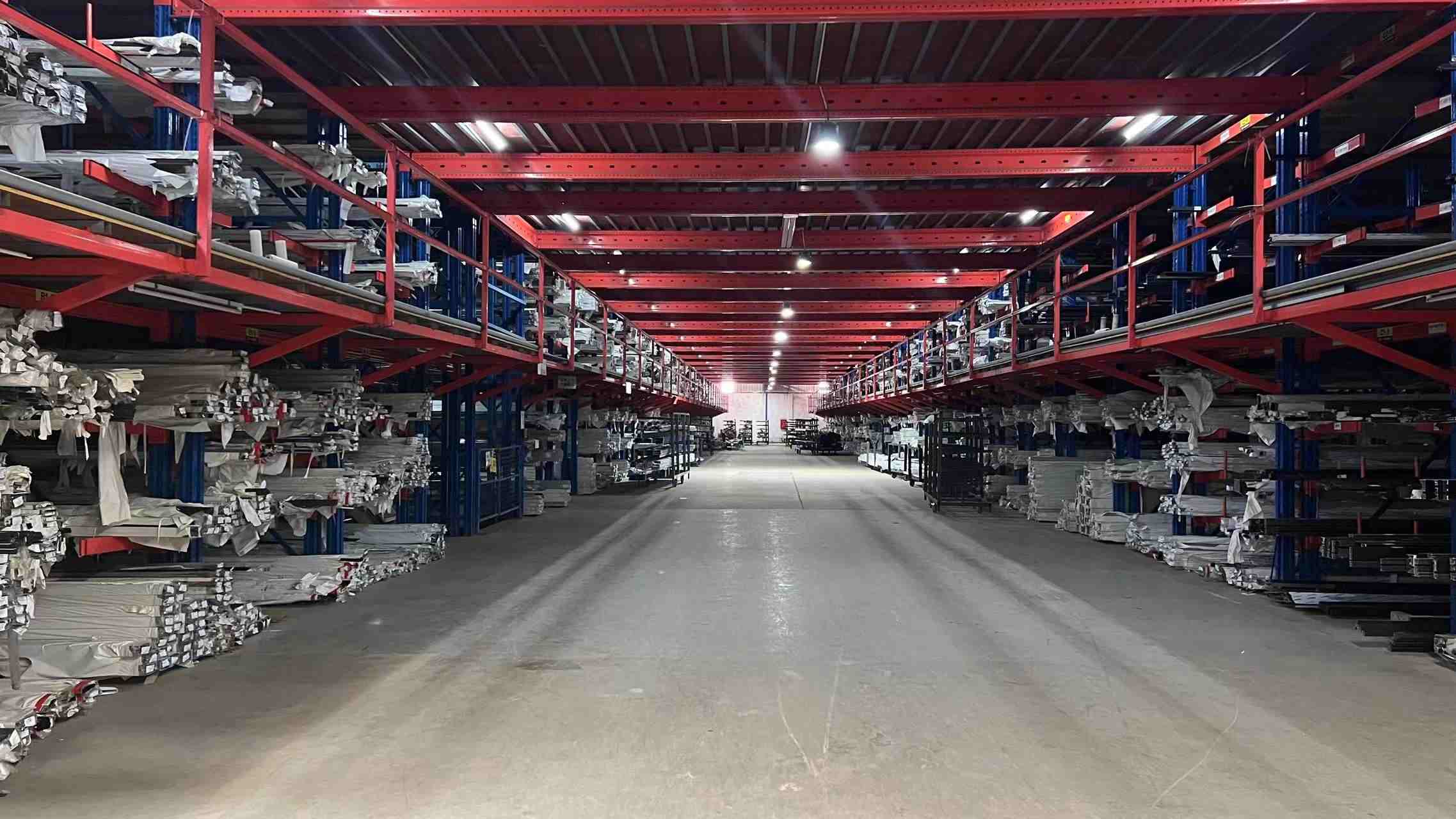 1. Raw Materials
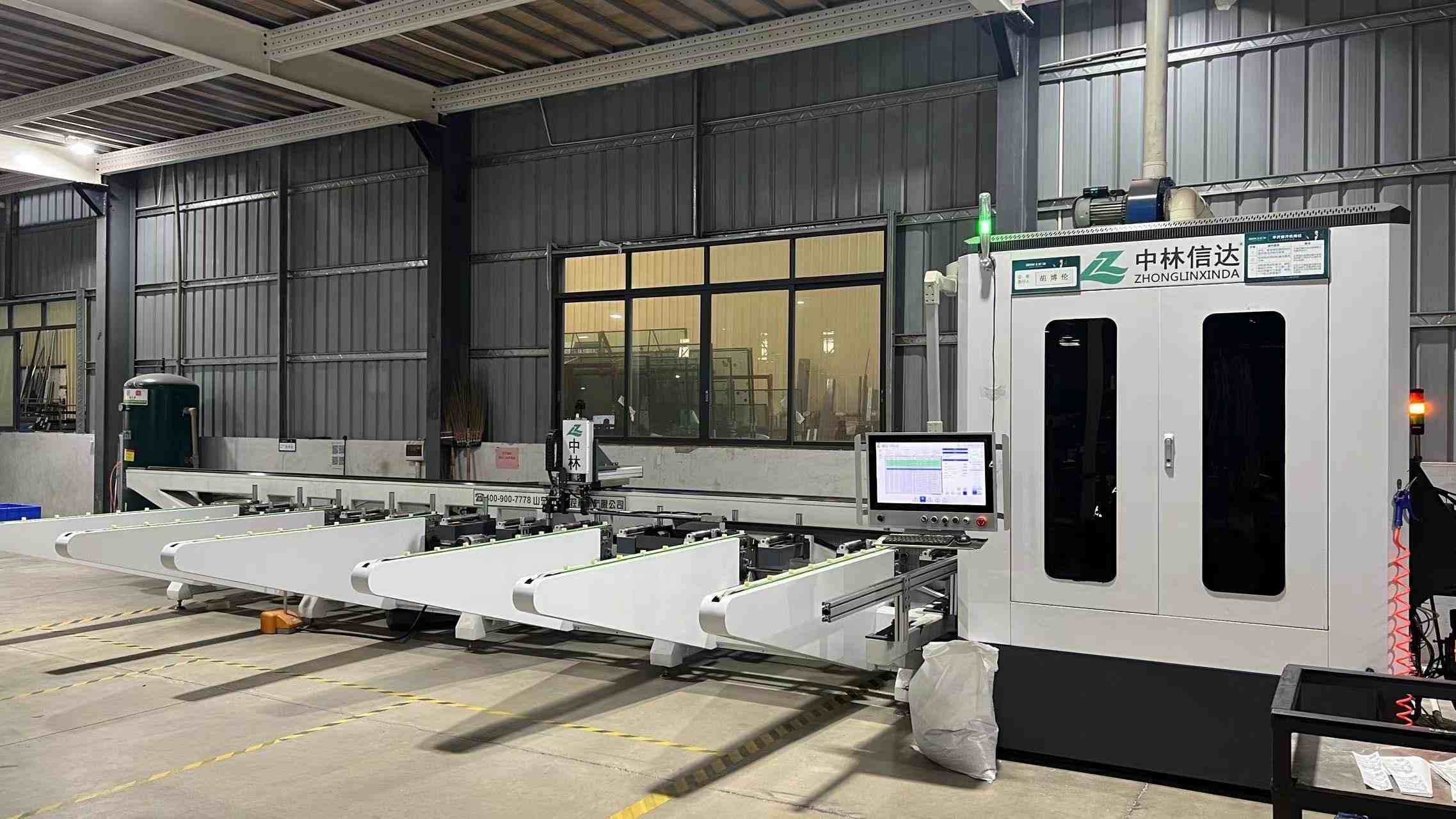 2. Cutting
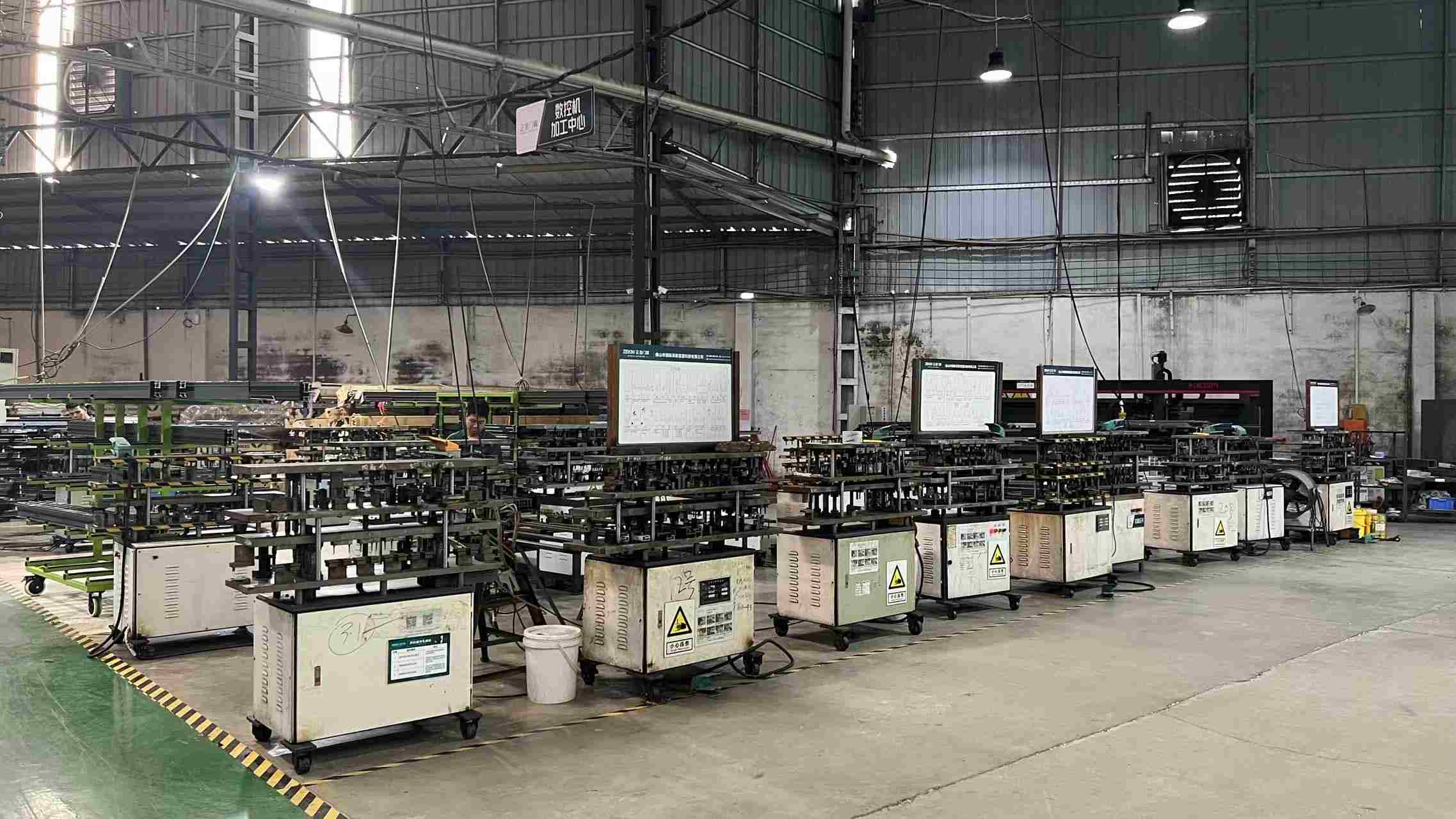 3. Punching
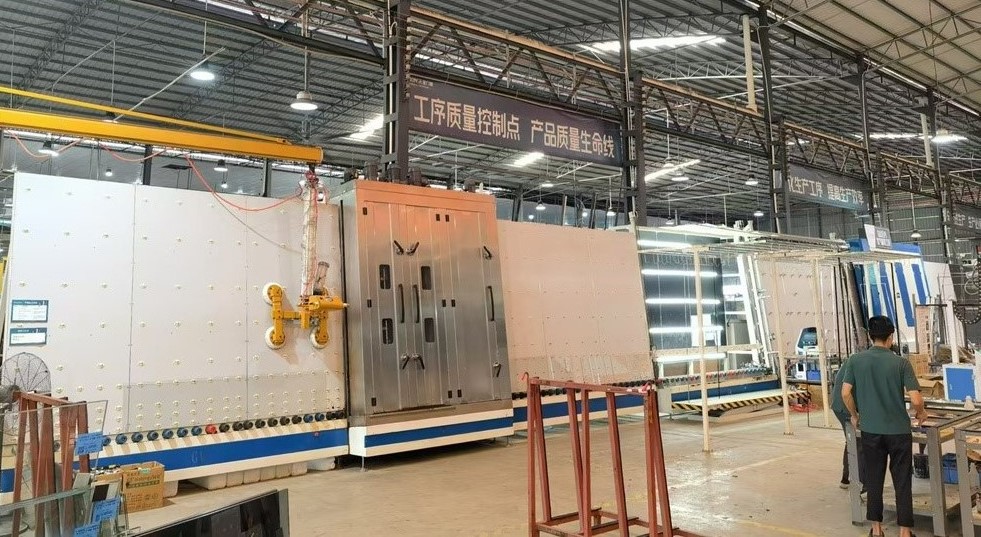 4. Hollow Processing
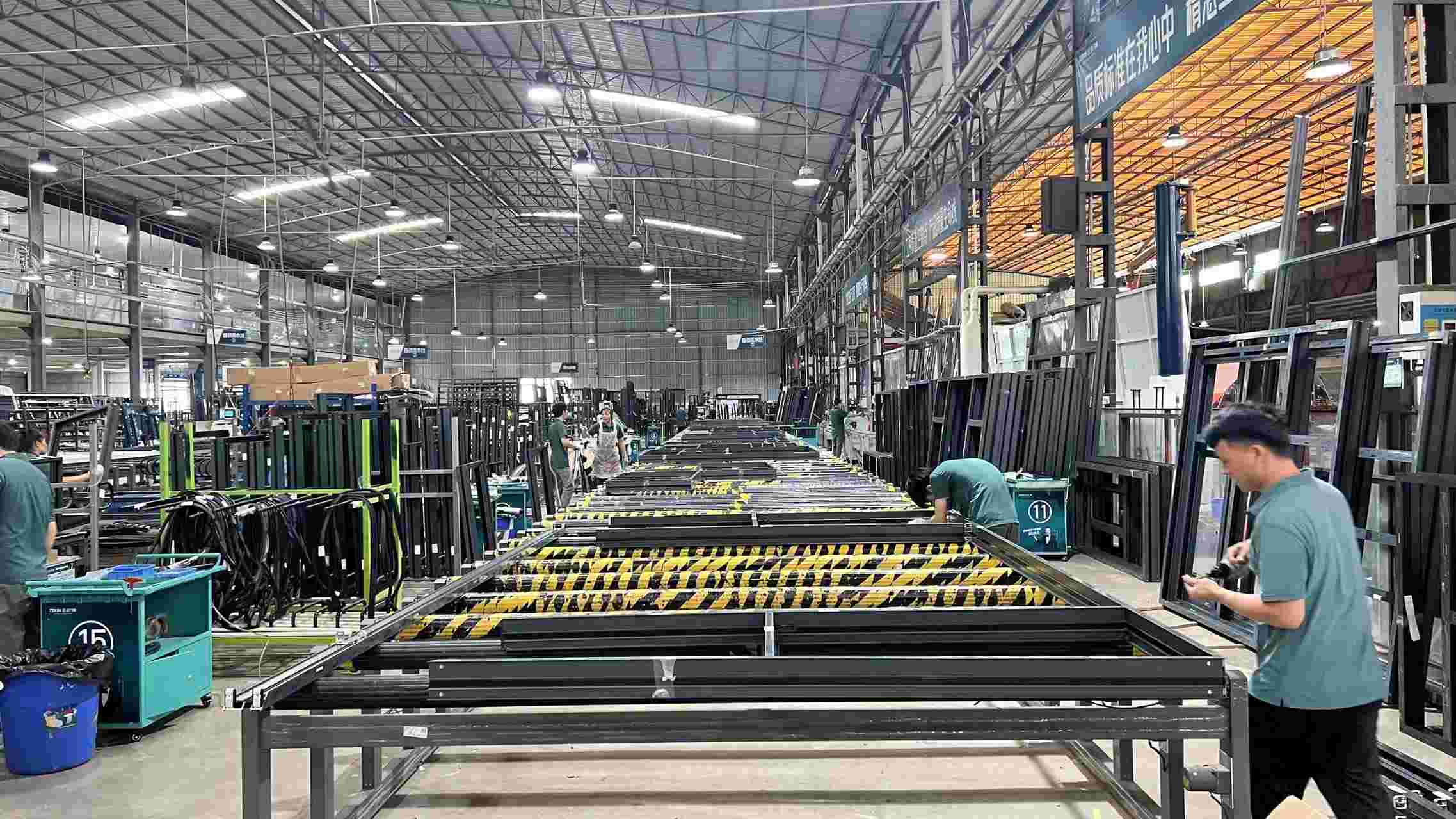 5. Gluing
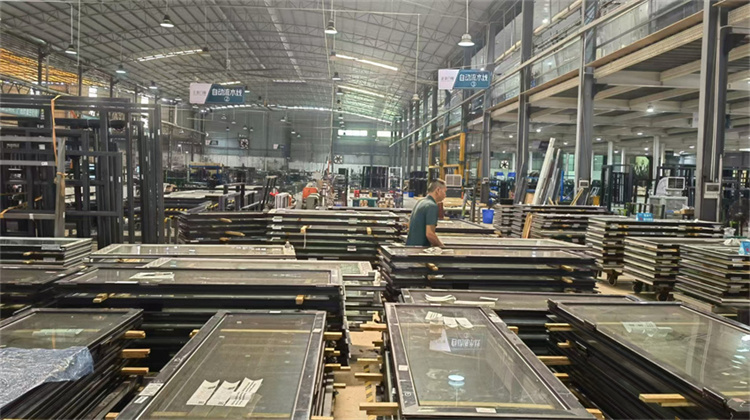 6. Assembly
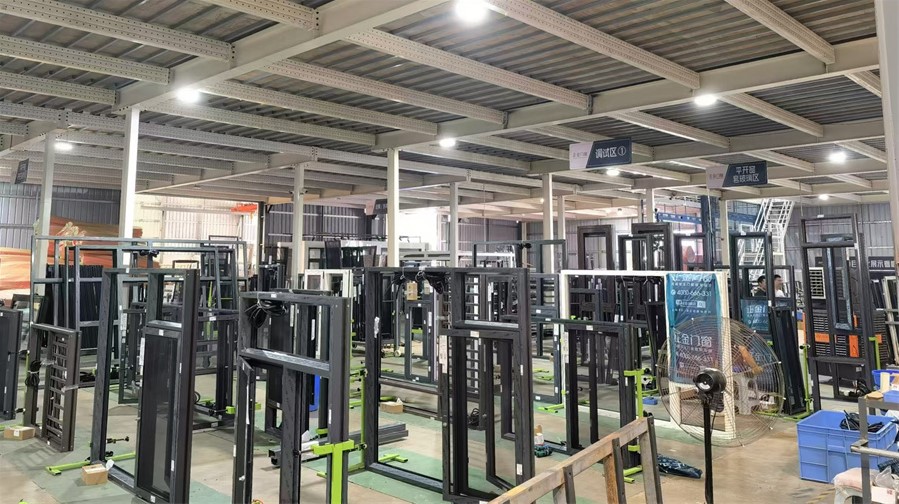 7. Debugging
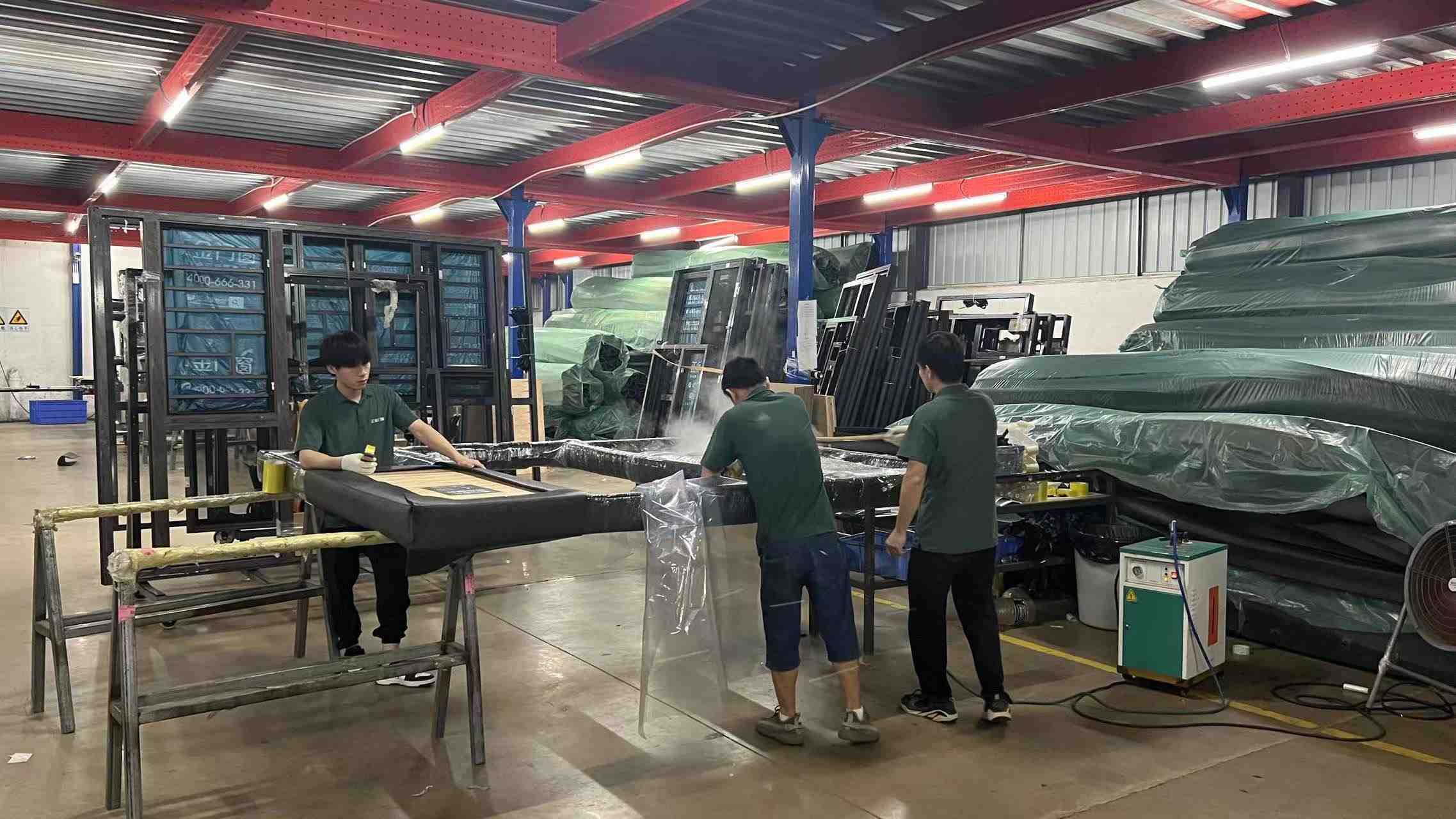 8. Packing
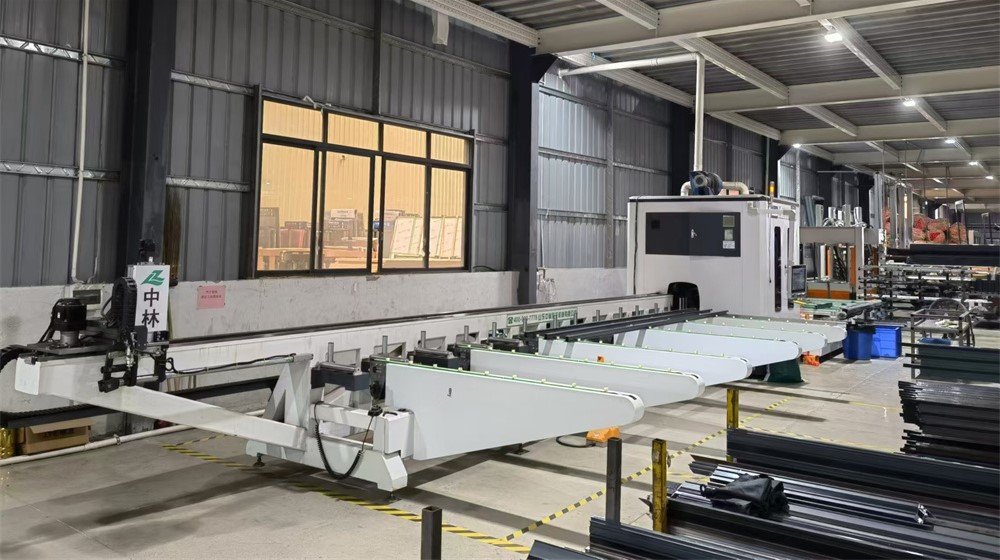 Laser Cutting Machine
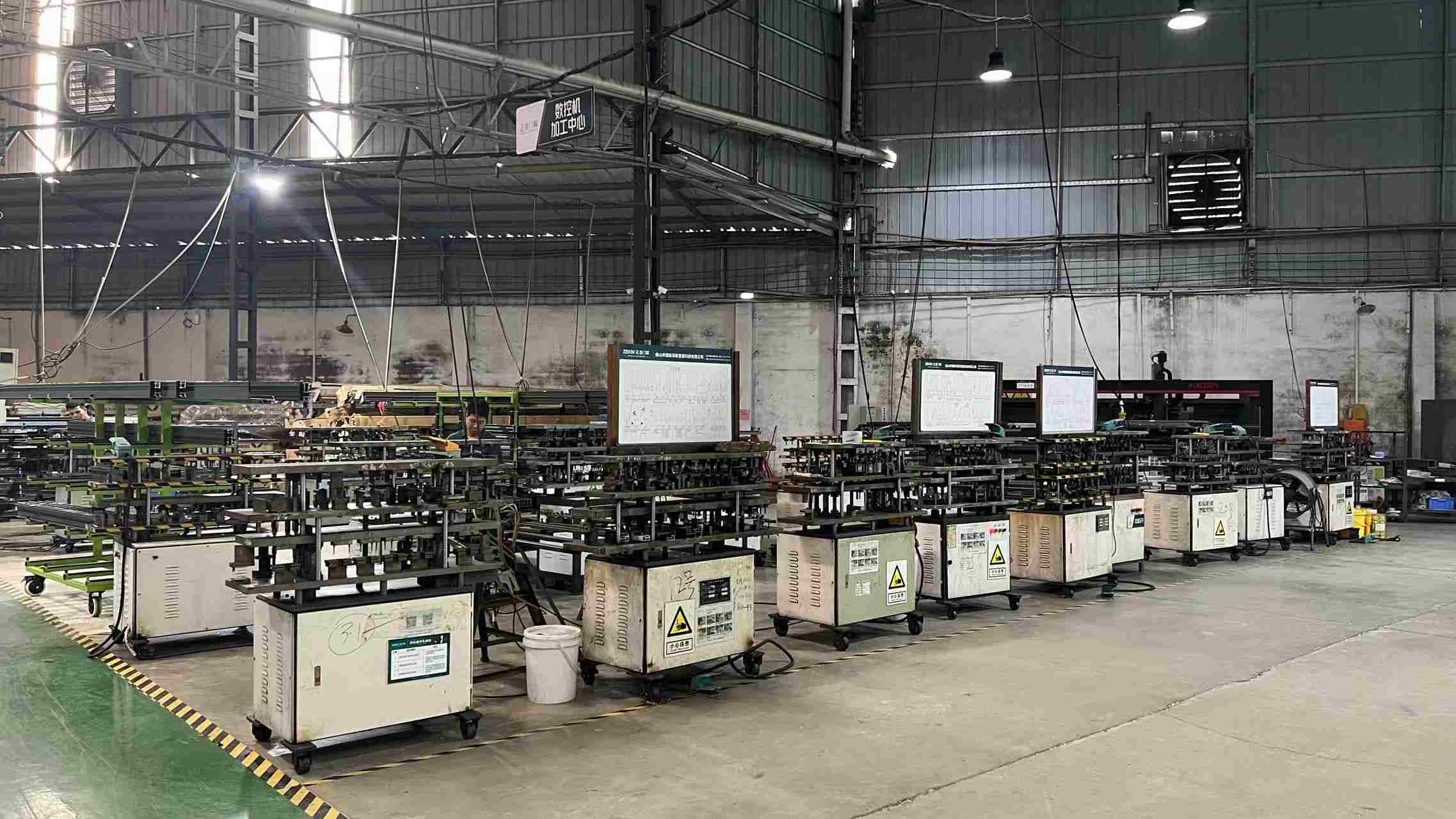 Punching Machine
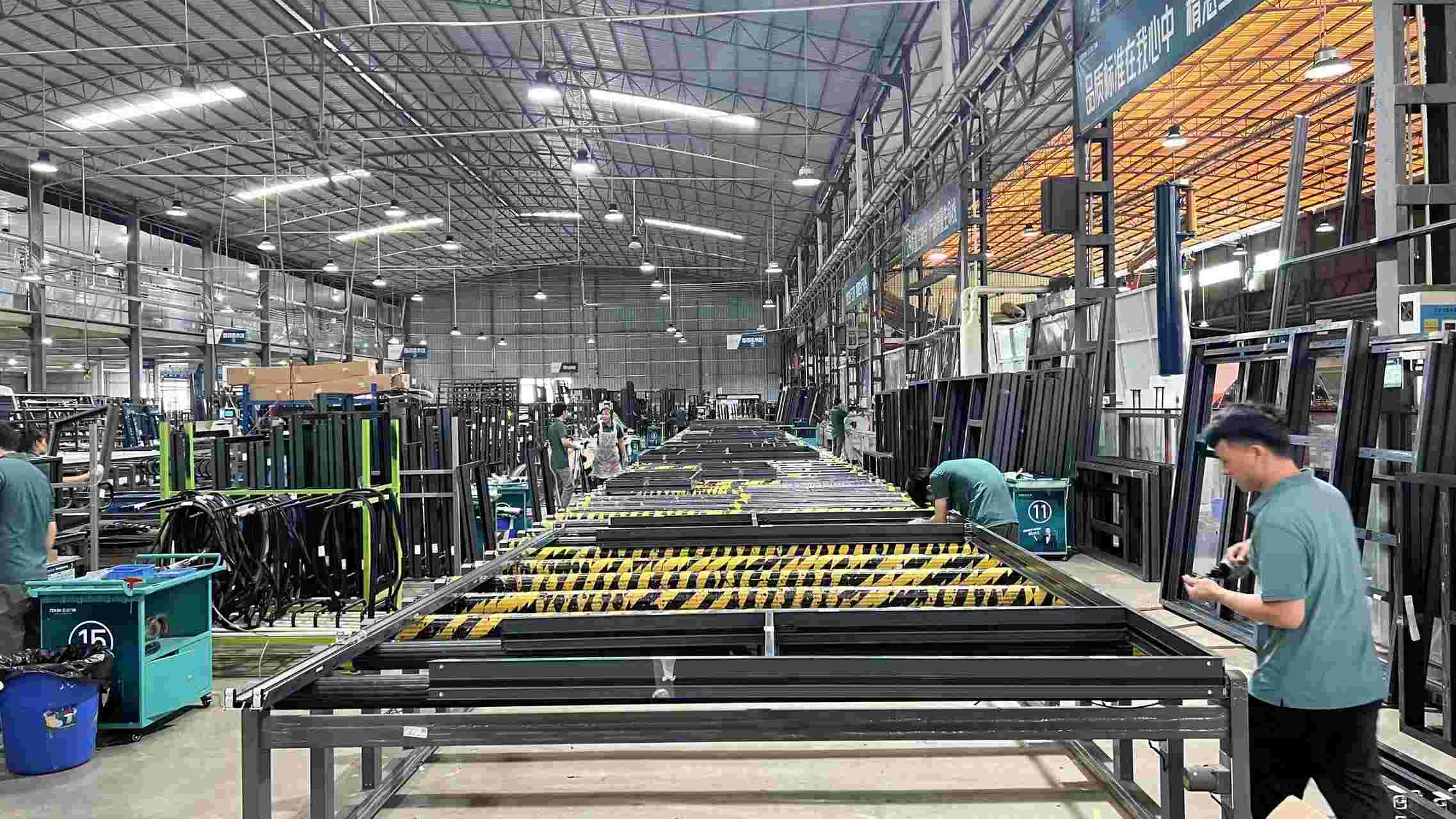 Assembly Line
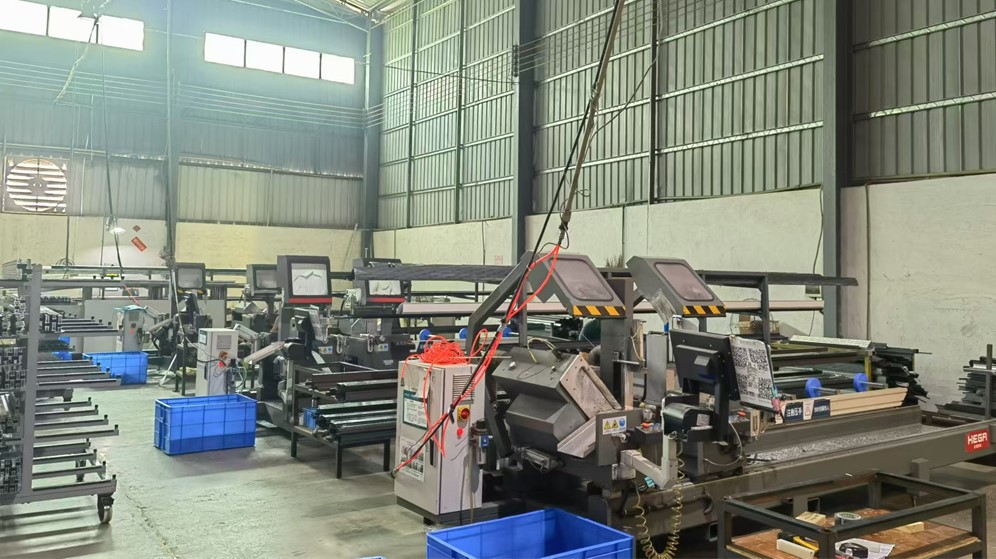 Double Head Sawing Machine
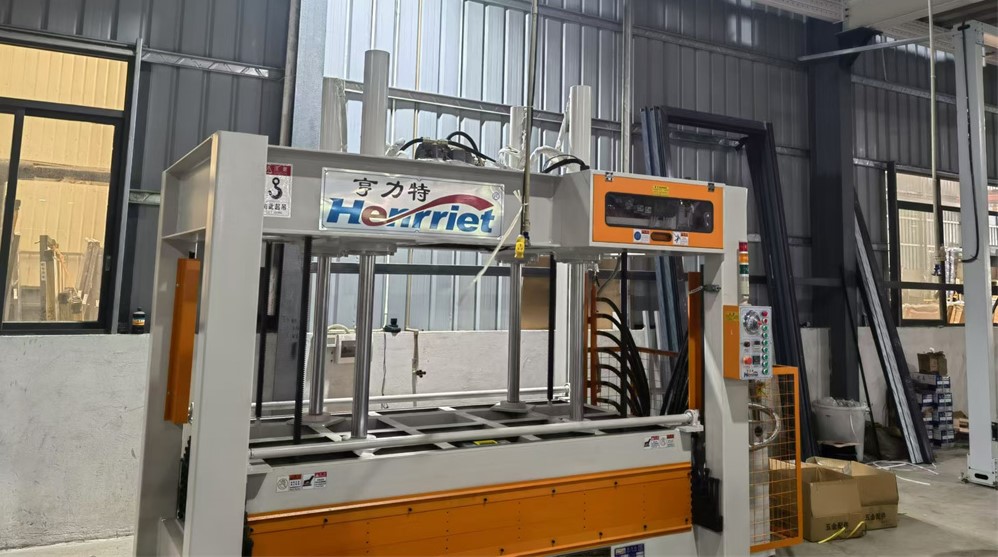 Pressing Machine
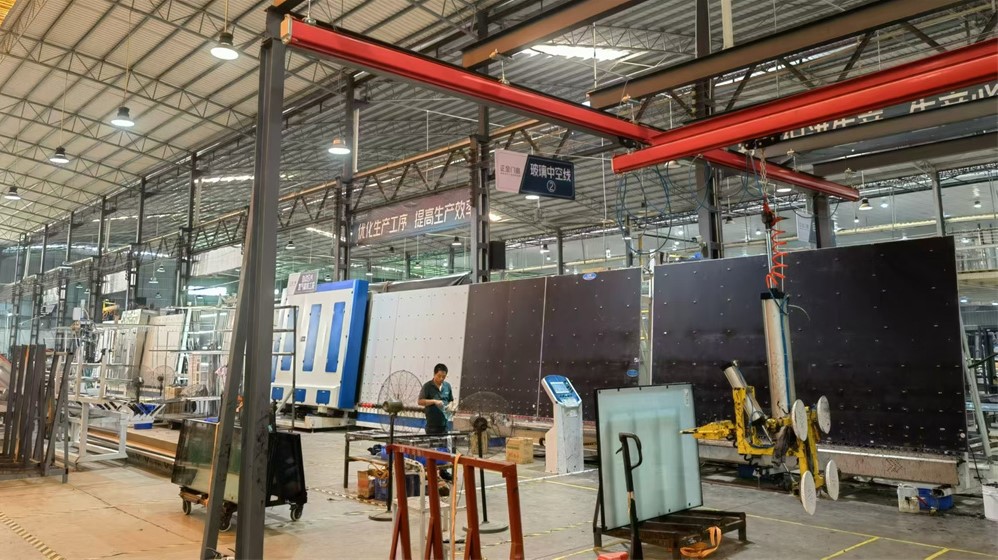 Hollow Line
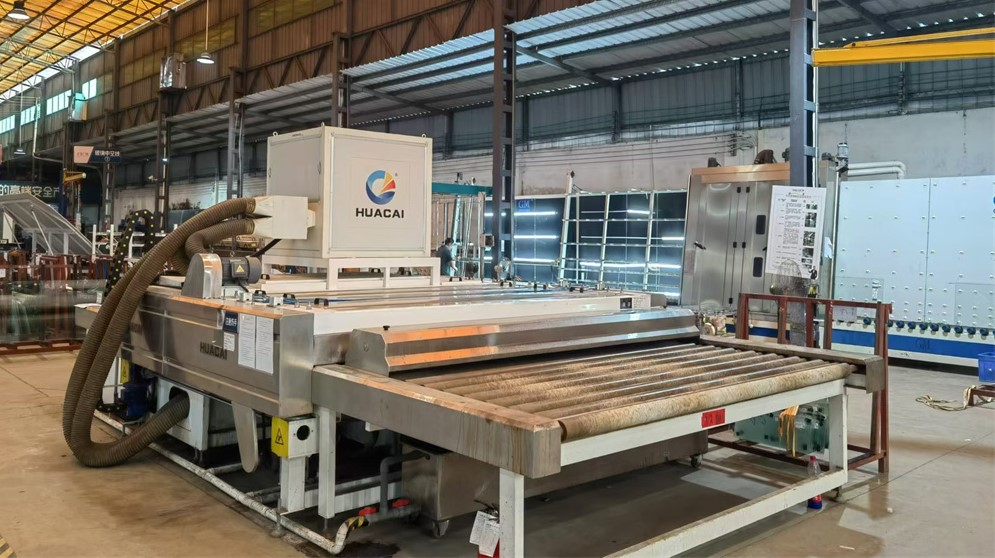 Glass Cleaning Machine
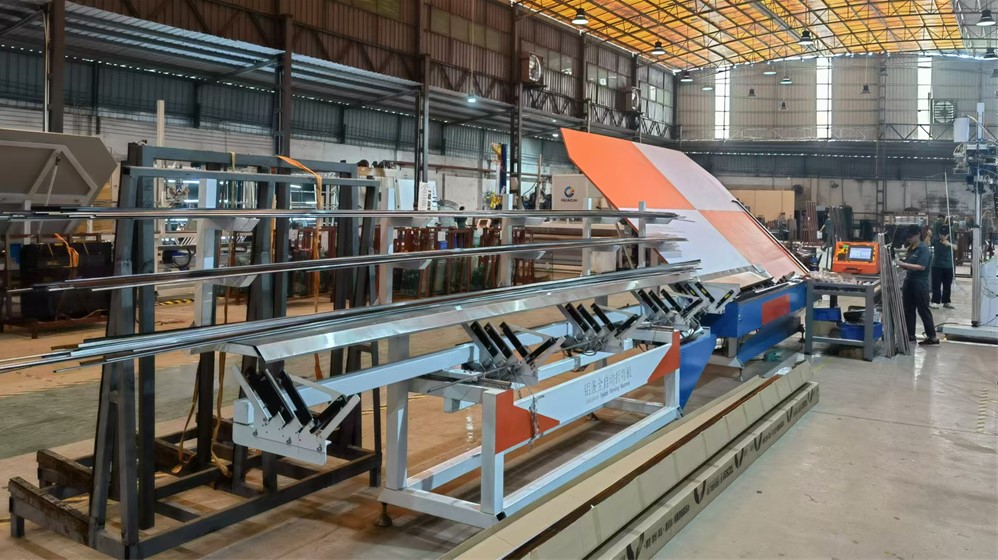 Bending Machine
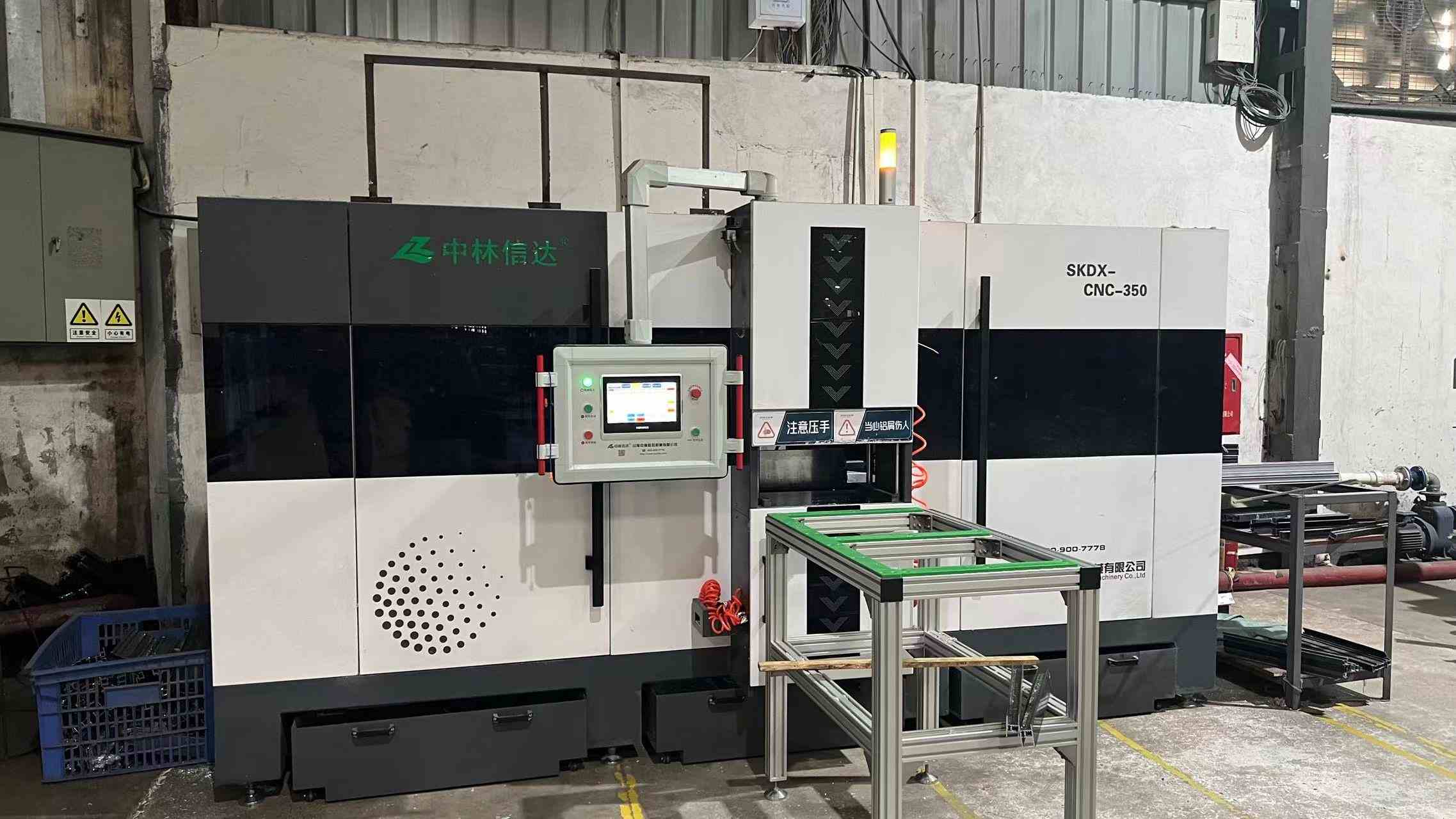 Automatic End Milling Machine
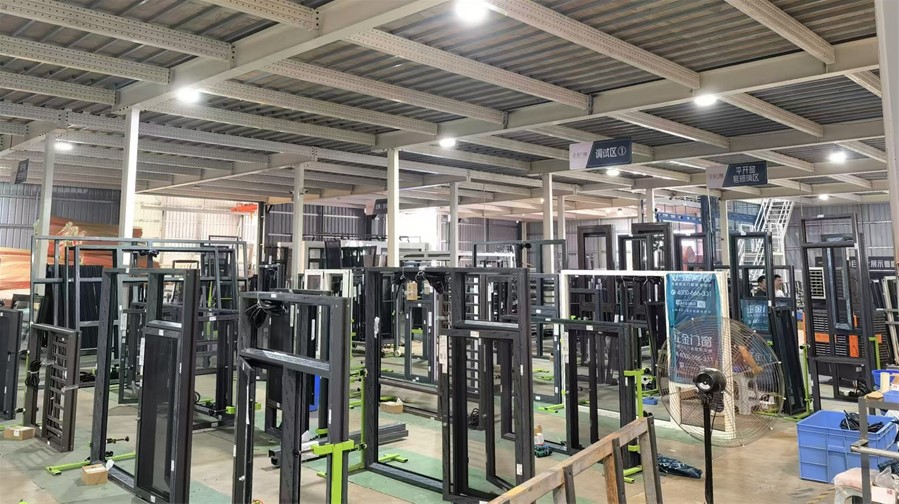 Debugging Station
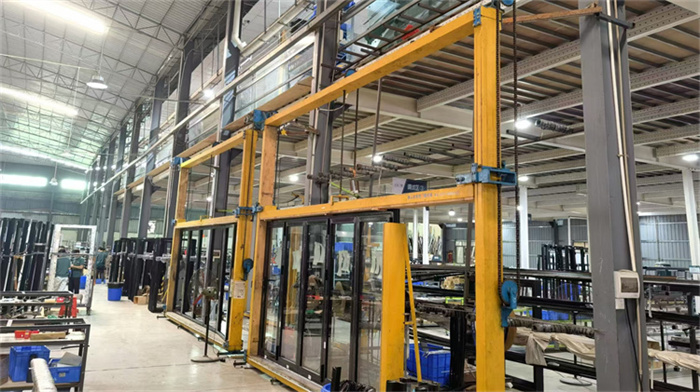 Debugging Frame
China's window manufacturing sector has evolved from low-cost mass production to advanced precision engineering, led by major industrial manufacturing hubs in Zhejiang and Guangdong. Commercial buyers, real estate developers, and architectural procurement agencies obtain significant strategic advantages when contracting directly with tier-one Chinese factories:
Leading Chinese manufacturers leverage direct relationships with primary aluminum smelters to source virgin 6063-T5 and T6 structural alloys. By integrating extrusion lines, surface treatment facilities (such as AkzoNobel powder coating and fluorocarbon PVDF spraying), and glass tempering operations under one industrial umbrella, lead times are compressed by up to 35% compared to Western assembly plants, while maintaining consistent mechanical properties.
Energy efficiency mandates across Europe (EPBD) and North America (IECC) require modern casement profiles to minimize thermal bridging. China's top exporters utilize high-spec Polyamide PA66 reinforced with 25% glass fiber (PA66 GF25) thermal breaks. This prevents conductive heat transfer across aluminum frames, preventing interior condensation even in extreme sub-zero external ambient conditions (-30°C).
To ensure wind-load resistance and burglar protection, casement windows require robust heavy-duty hardware. Tier-1 Chinese exporters integrate premium hardware ecosystems—including original German hardware options (Siegenia, Hoppe, Roto) and engineered domestic equivalents (CMECH, Kin Long)—delivering cycle testing performance exceeding 50,000 opening/closing operations without sash sagging or hinge fatigue.
Architectural expectations vary considerably across international geographic zones. Understanding localized building codes allows Shieldoors to supply tailored window assemblies engineered to exact regional requirements:
Challenge: Severe hurricanes, high atmospheric salt content, and strict Miami-Dade Florida Building Code compliance.
Solution: Heavy-duty thermal break casements equipped with laminated SGP impact glass, stainless steel 316 friction hinges, and Florida NOA / NFRC certifications.
Challenge: Intense UV radiation, bushfire exposure zones (BAL ratings), and strict AS2047 standard compliance.
Solution: AS2047 certified casement systems featuring high-performance double Low-E glazing, integrated stainless steel mesh flyscreens, and custom powder-coated UV-resistant finishes.
Challenge: High acoustic noise pollution in city centers paired with stringent Passive House thermal coefficients.
Solution: Inward tilt-and-turn casement windows incorporating multi-chambered thermal profiles, triple-glazed Argon-filled IGUs, delivering acoustic reduction up to STC 45dB.
For international architectural procurement managers, sourcing facade elements requires transparent verification protocols to mitigate supply chain risks. When evaluating Chinese casement window exporters, buyers should enforce the following 5-point quality assurance framework:
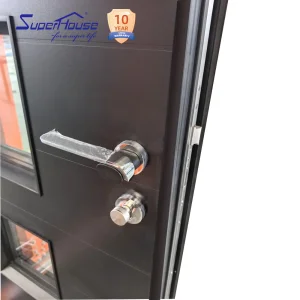
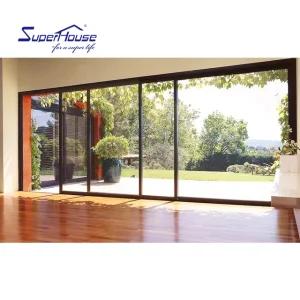
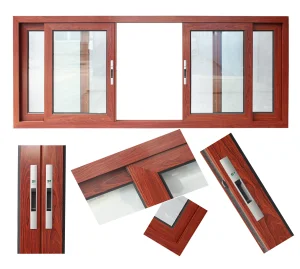
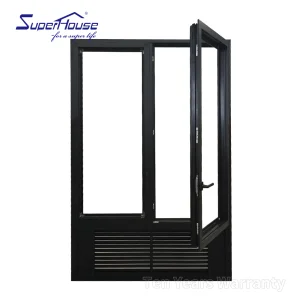
Explore our expanded lineup of high-efficiency casement, awning, bi-folding, and entry system configurations.
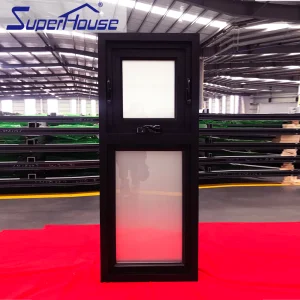
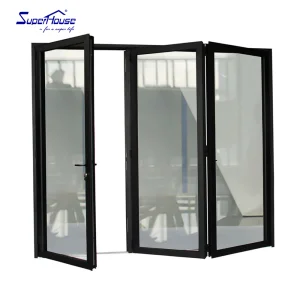
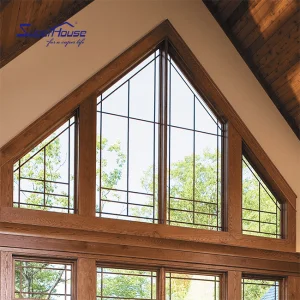
Expert technical answers for architects, general contractors, and B2B building material procurement professionals.
Casement windows compress their sash directly against the frame when closed using continuous multi-point locks and dual-layer EPDM gaskets. This creates a tight compression seal that minimizes air leakage. In contrast, sliding windows rely on brush seals that allow minor air infiltration under high atmospheric wind pressures. When paired with thermal break aluminum profiles and Low-E double or triple glazing, casement windows achieve lower U-factors and higher energy savings.
Zhejiang Shieldoors operates under ISO9001 certified quality controls. Our window and door products are tested and certified to global standards including NFRC (National Fenestration Rating Council) for North America, Florida Miami-Dade NOA for hurricane impact safety, Australia AS2047/AS1288 standards, European CE markings (EN 14351-1), and UL fire resistance ratings.
Yes. Powered by an engineering team of 350 R&D specialists, Shieldoors offers comprehensive OEM and ODM structural customization. We supply arched tops, gothic peaks, non-90 degree polygon shapes, integrated motorized blinds, smart sensor entry integrations, and specialized powder coat finishes (RAL spectrum, anodized, fluorocarbon PVDF, or natural wood grain transfers).
Our standard factory manufacturing turnaround is 25 to 35 business days following final shop drawing approval and deposit confirmation. For custom commercial architectural project orders, flexible MOQ policies apply depending on profile extrusion availability, ranging from single custom residential villa packages up to multi-container commercial project volumes.
We utilize export-grade packaging protocols. Every window assembly is wrapped in protective PE film, reinforced with corner edge protectors, shielded with foam cushioning, and packed inside fully enclosed fumigated plywood crates or sturdy steel frame stillages. This setup prevents movement and damage during ocean transport.
 Shieldoors