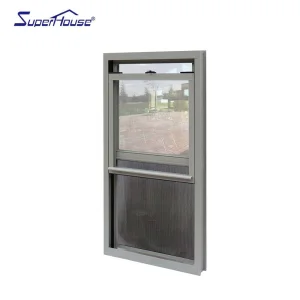
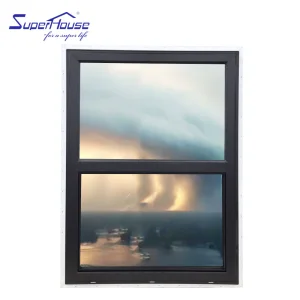
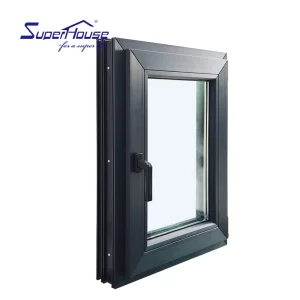
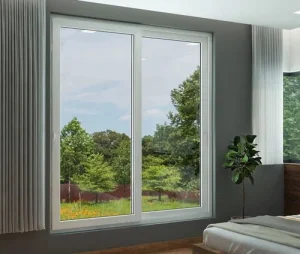
In modern exterior envelope engineering, the primary entrance is no longer viewed merely as an aesthetic threshold. It is a critical structural node responsible for building security, envelope air-tightness, thermal insulation, and extreme weather mitigation. Severe environmental conditions—ranging from high-velocity coastal hurricanes and salt-spray corrosion to extreme continental temperature swings—demand highly engineered entry systems capable of maintaining structural performance over decades of operation.
China has established itself as the world’s primary hub for advanced building envelope manufacturing, pairing vast industrial clusters with state-of-the-art automated production lines. Leading manufacturers combine architectural-grade aluminum alloys, multi-barrier thermal break technology, high-performance PVDF surface coatings, and impact-resistant laminated glazing. This report examines the engineering parameters, compliance pathways, and supply chain dynamics that position top Chinese factories at the forefront of global weather-resistant door manufacturing.
Core Takeaway: Modern weather resistance relies on a holistic design approach: structural Design Pressure (DP) ratings, multi-cavity thermal break profiles (PA66-GF25), continuous EPDM rubber sealing systems, and structural silicone glazing designed to withstand cyclic wind pressures and extreme thermal differentials.
Entry doors destined for coastal or high-wind zones undergo rigorous cyclic load testing according to ASTM E330 and TAS 202 standards. Top-tier Chinese manufacturers configure heavy-wall extruded aluminum profiles (wall thickness ≥ 2.0mm to 3.0mm) with internal structural steel reinforcements, yielding Design Pressure ratings from DP50 up to DP100 (equivalent to wind resistance up to 250 mph).
Preventing thermal bridging in extreme cold or hot climates is achieved by inserting 24mm to 34mm polyamides reinforced with 25% glass fiber (PA66-GF25). Coupled with warm-edge spacer technology, Low-E coated glass, and noble gas fills (Argon), entry door systems achieve low $U$-factors down to 0.8–1.2 W/m²K, satisfying Passive House and NFRC energy standards.
Water infiltration during heavy rain events is prevented using multi-stage pressure-equalized drainage tracks, concealed weeping slots, and continuous triple-layered EPDM weatherstripping gaskets. Testing under ASTM E331 and EN 12208 confirms zero water penetration at pressure differentials exceeding 700 Pa.
To resist forced entry and flying hurricane debris, entry doors incorporate multi-point German hardware locking gear (locking at 5 to 7 points along the sash), heavy-duty 304 stainless steel security hinges, and laminated impact glass featuring SentryGlas® (SGP) or PVB interlayers tested against severe large-missile impact protocols.
The longevity of a weather-resistant entry door depends significantly on surface chemistry and material purity. In aggressive marine environments, untreated aluminum rapidly degrades due to filiform corrosion and salt fog exposure. Premium Chinese suppliers implement rigorous surface finishing protocols conforming to AAMA 2605 and Qualicoat Class 3 standards.
| Material / Technology | Technical Specification | Performance Benefit | Target Environmental Application |
|---|---|---|---|
| 6063-T6 Architectural Aluminum | Tensile strength ≥ 205 MPa, Yield strength ≥ 170 MPa | Optimal structural rigidity with minimal deflection under severe wind load | High-rise residential, hurricane zones, heavy commercial fronts |
| Fluorocarbon PVDF Coating | 70% Kynar 500 / Hylar 5000 resin, 3-coat system (≥ 40 microns) | Resists UV degradation, chalking, color fading, and salt spray for 20+ years | Coastal coastal lines, high-radiation tropical regions |
| Polyamide PA66-GF25 Thermal Break | 25% glass fiber reinforced structural thermal barrier strip | Prevents condensation formation, drastically lowers frame thermal conductivity | Cold climate zones, sub-zero freeze-thaw environments |
| EPDM Continuous Gasketing | Ethylene Propylene Diene Monomer with vulcanized corner joints | Retains elasticity from -40°C to +120°C without hardening or cracking | Extreme temperature fluctuations, moisture barrier sealing |
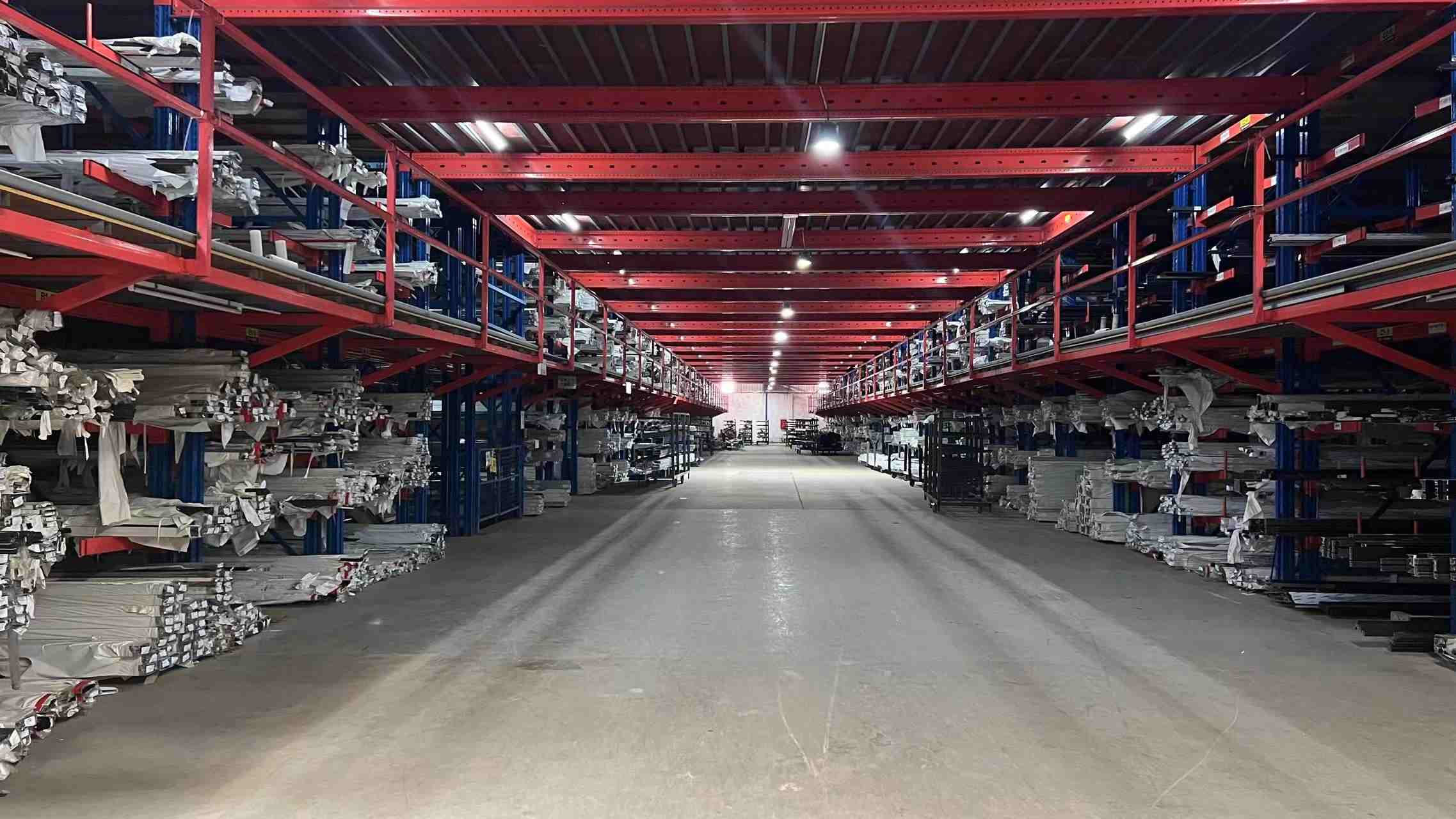
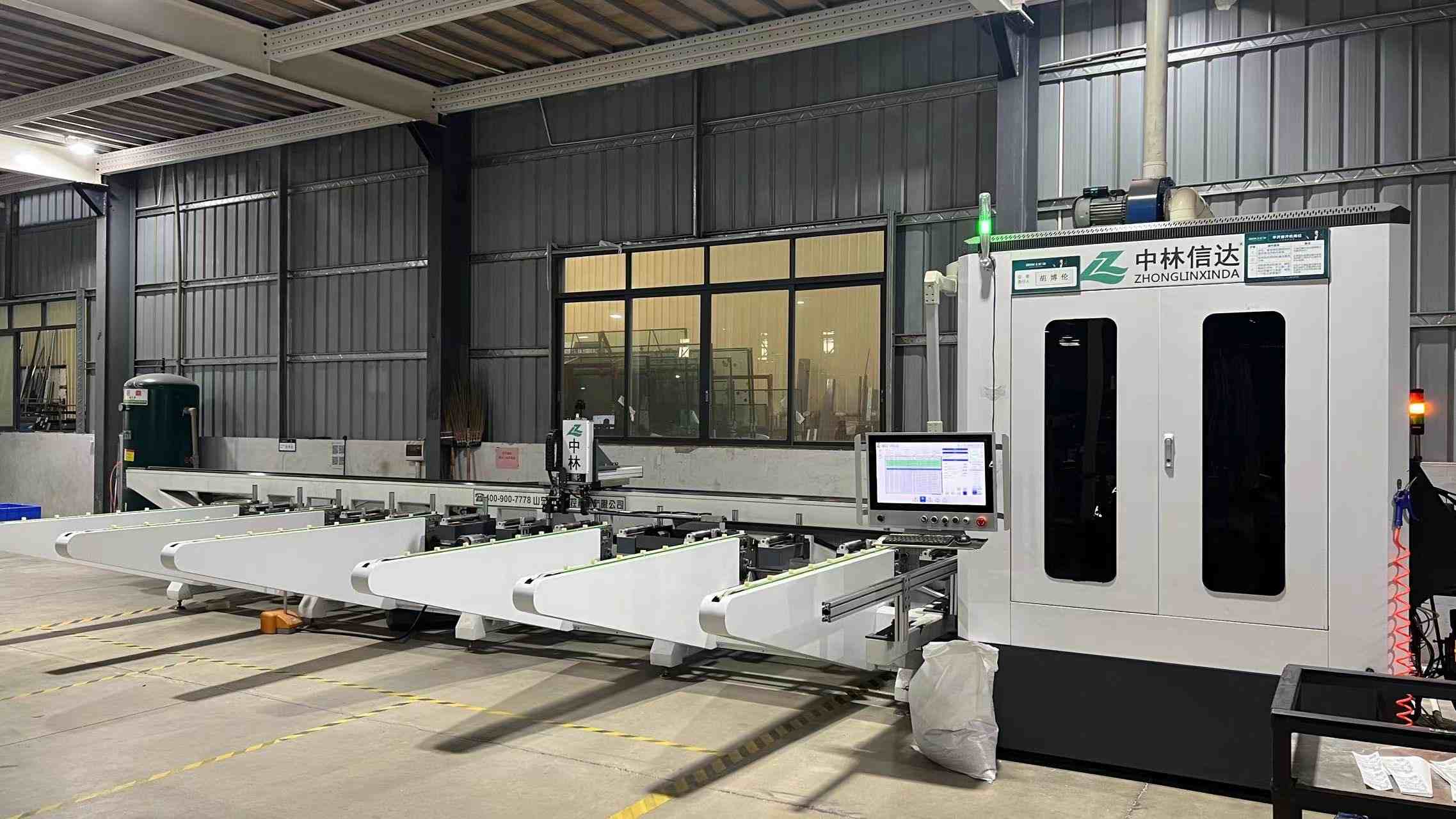
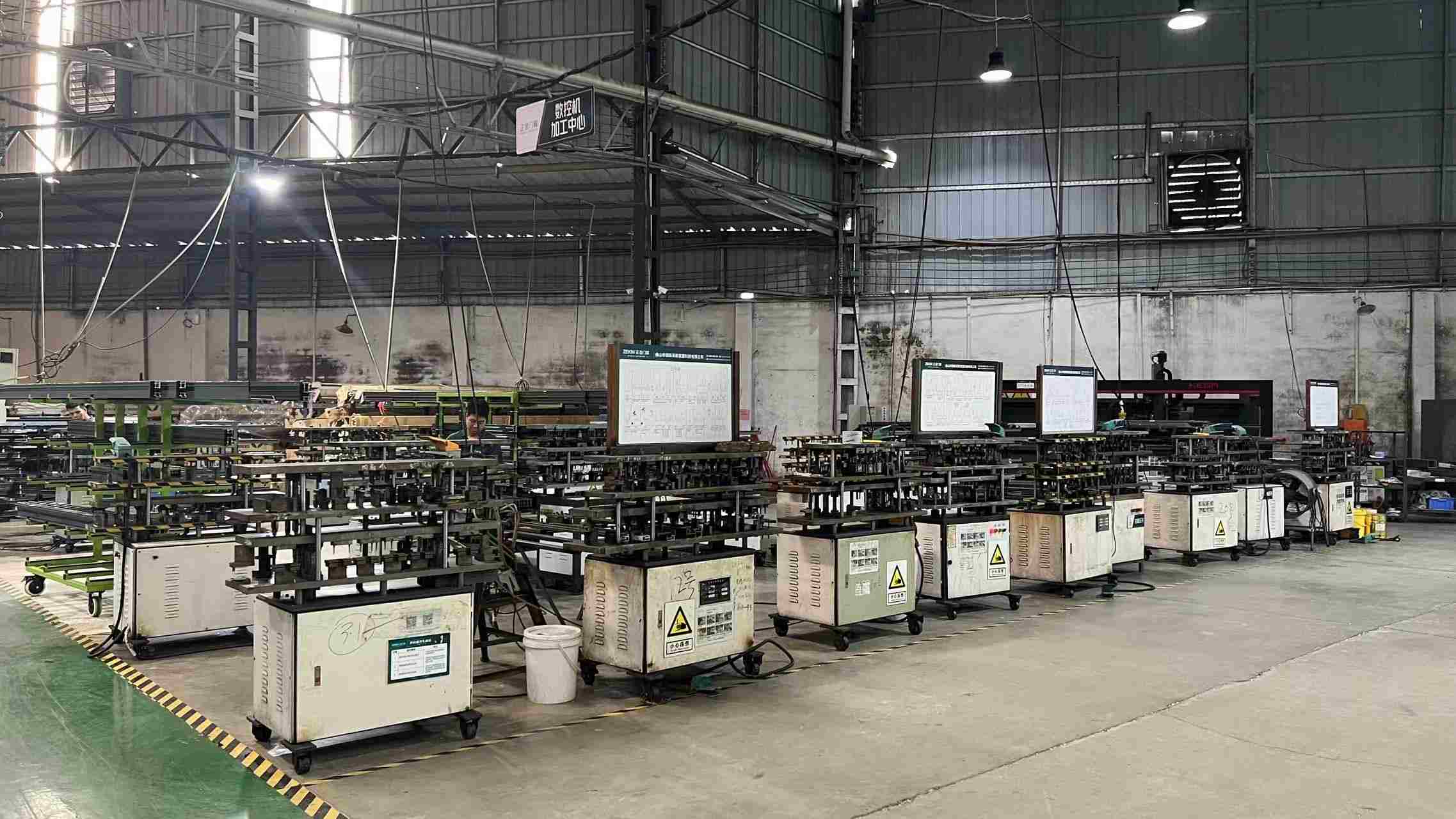
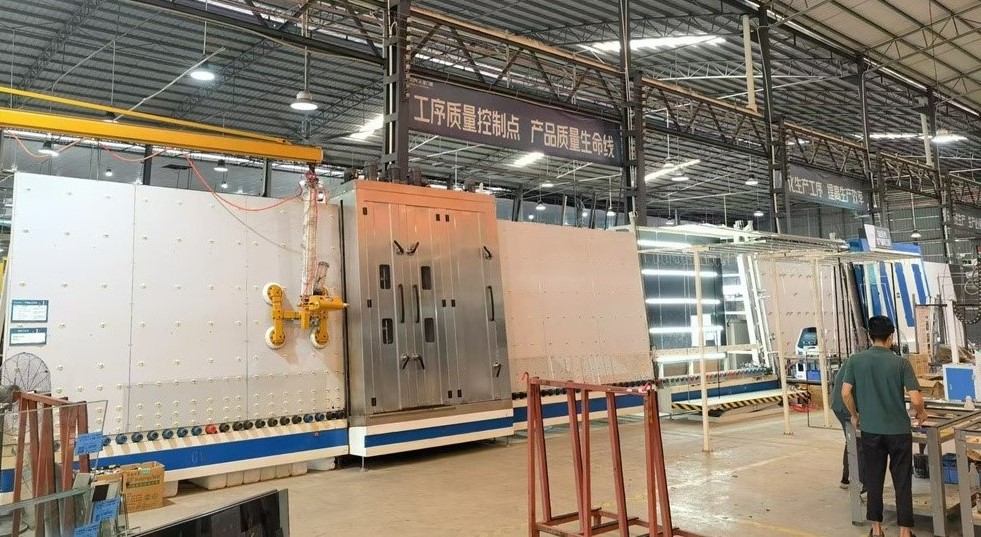
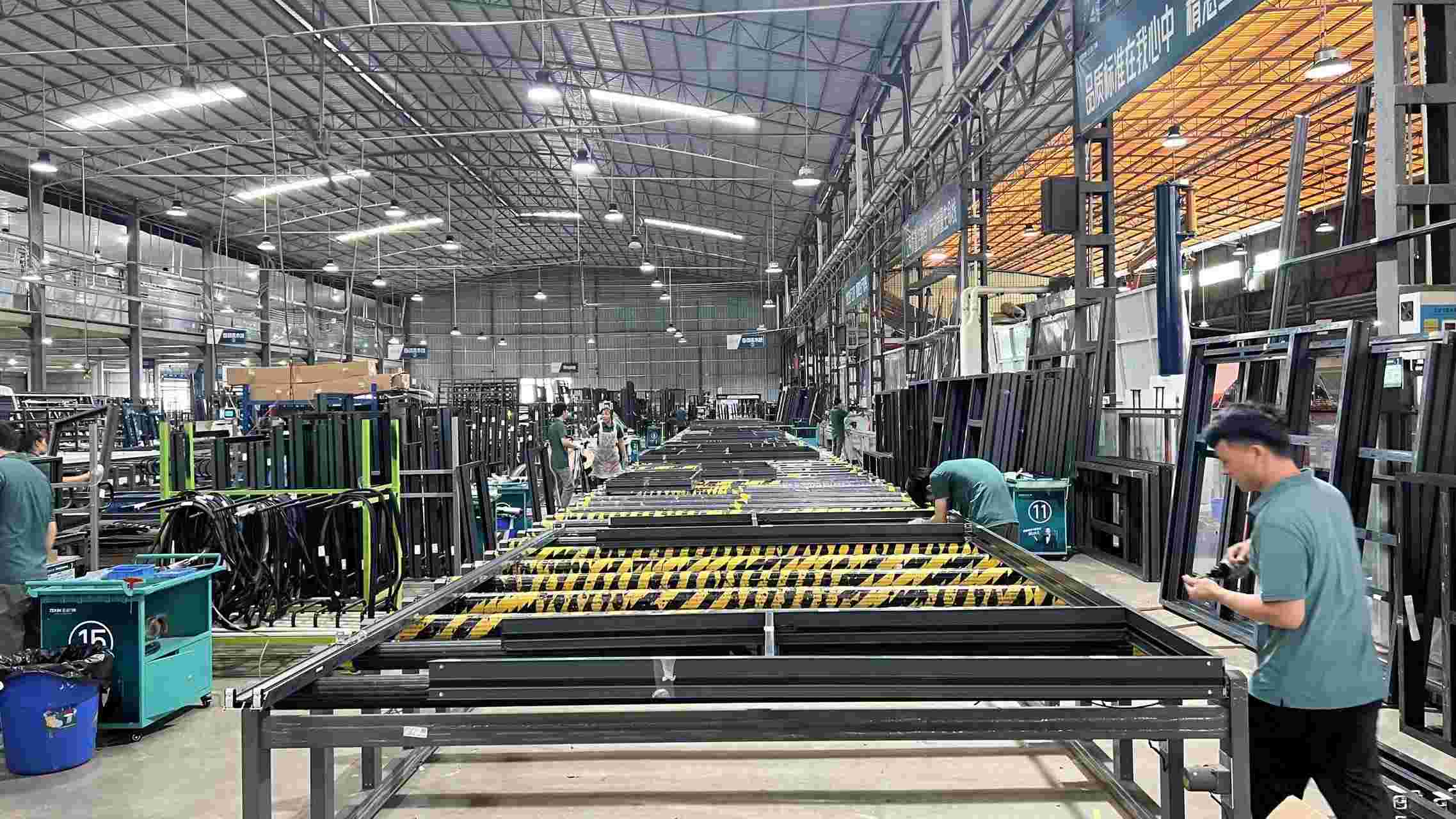
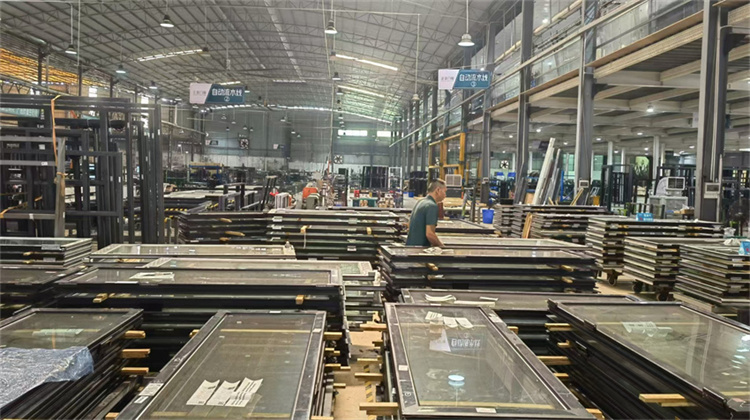
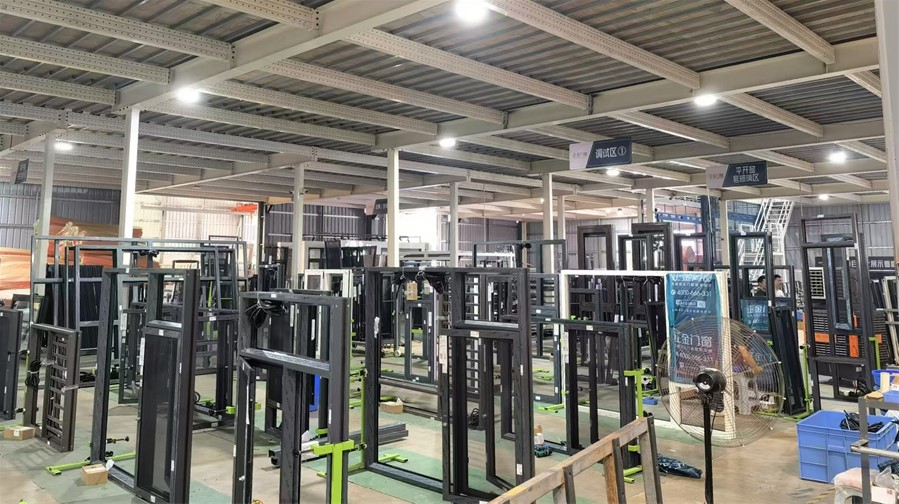
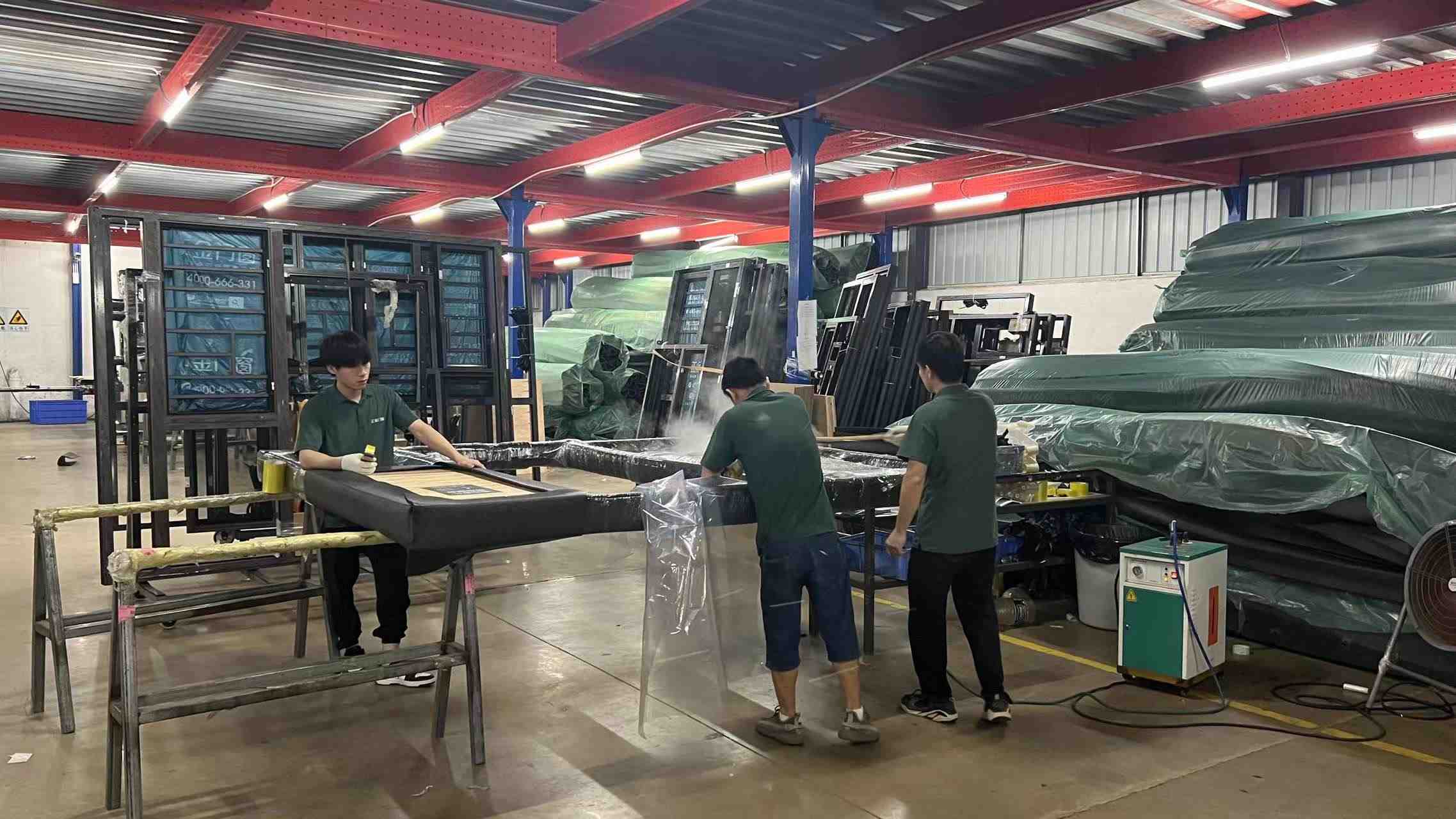
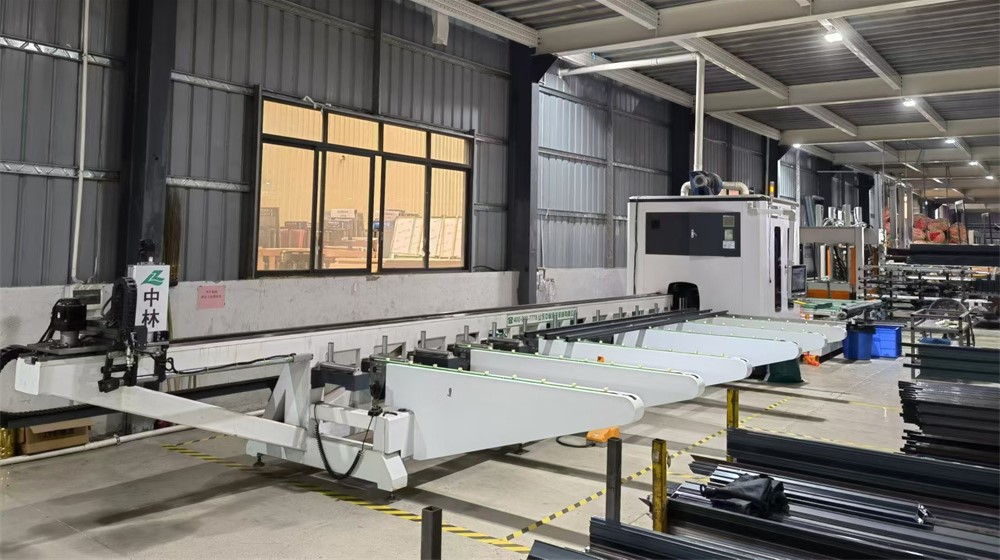
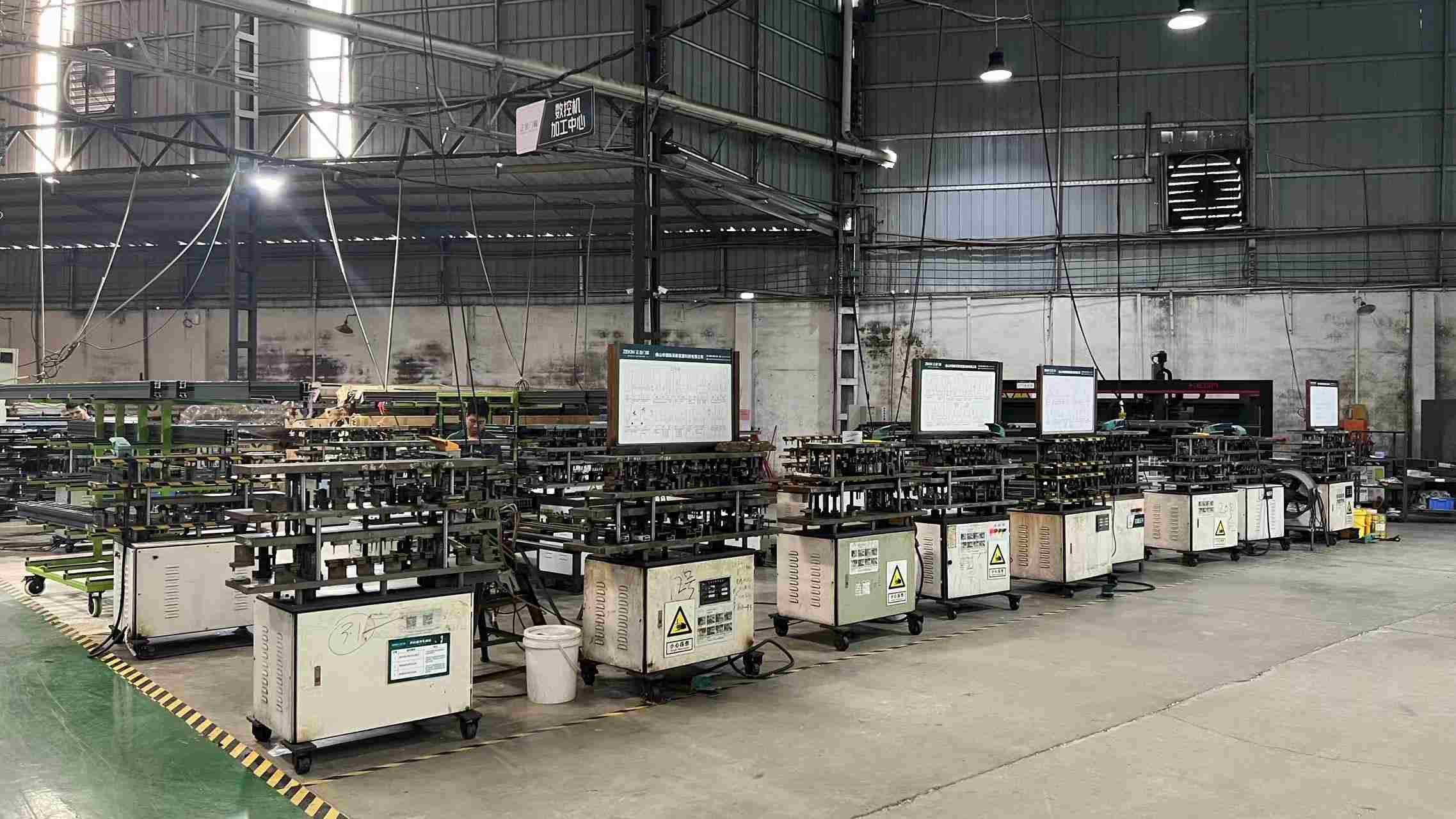
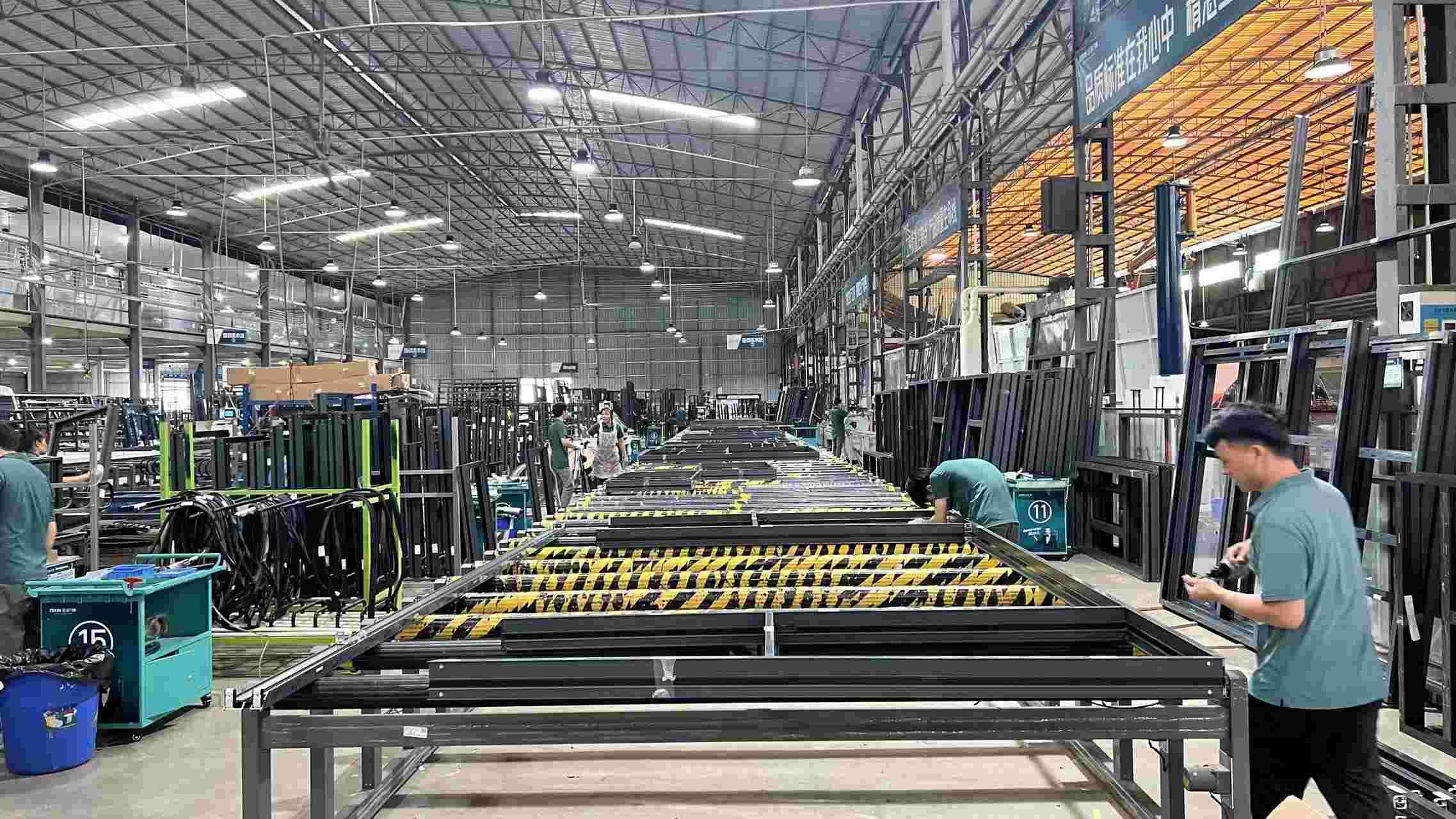
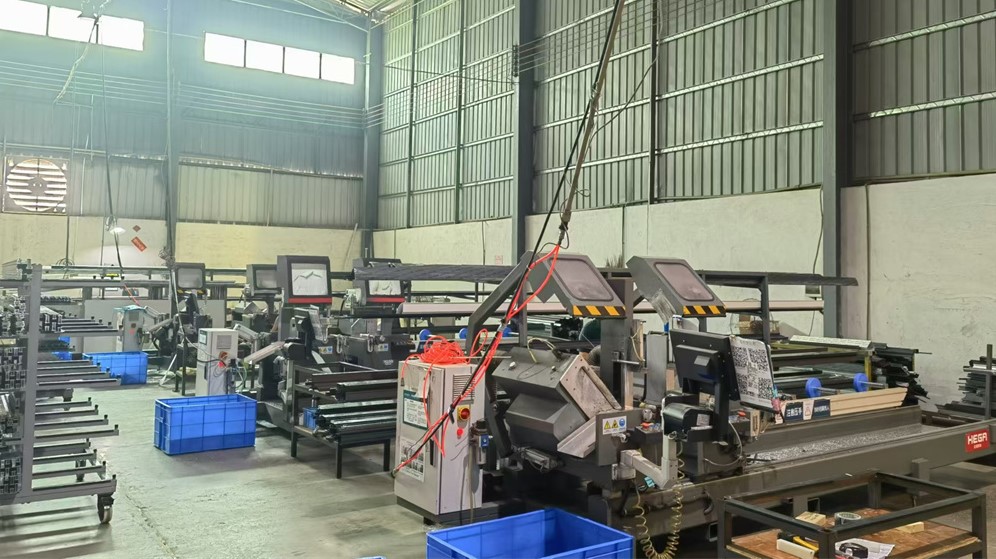
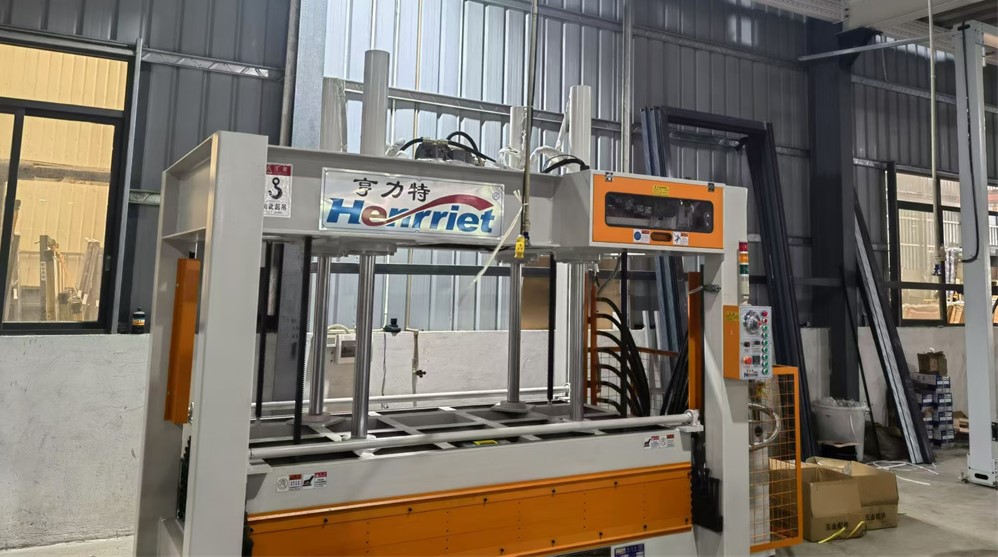
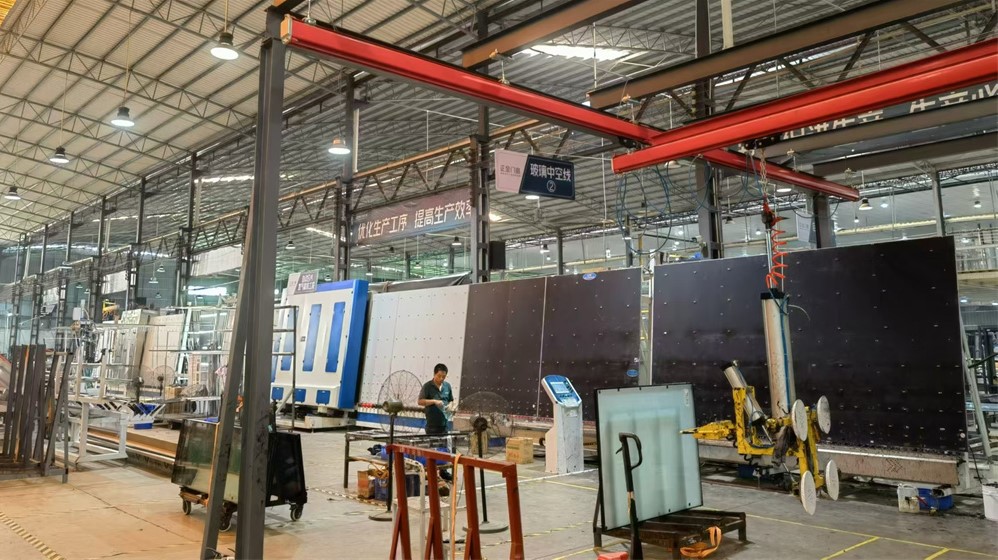
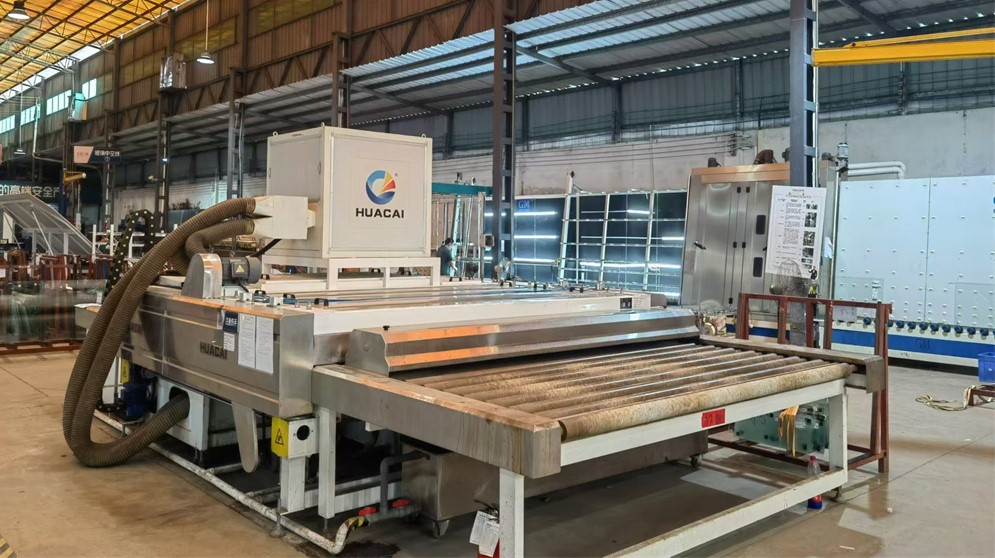
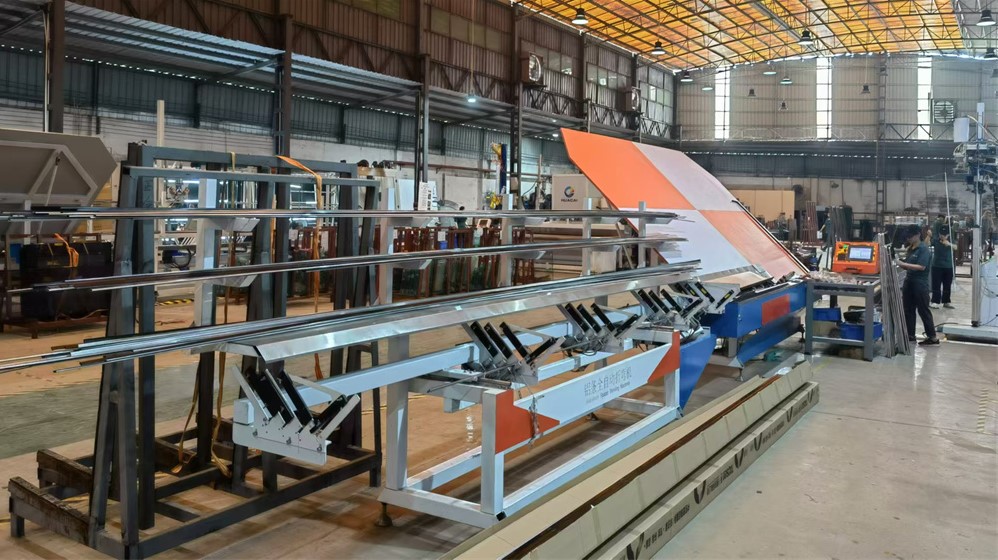
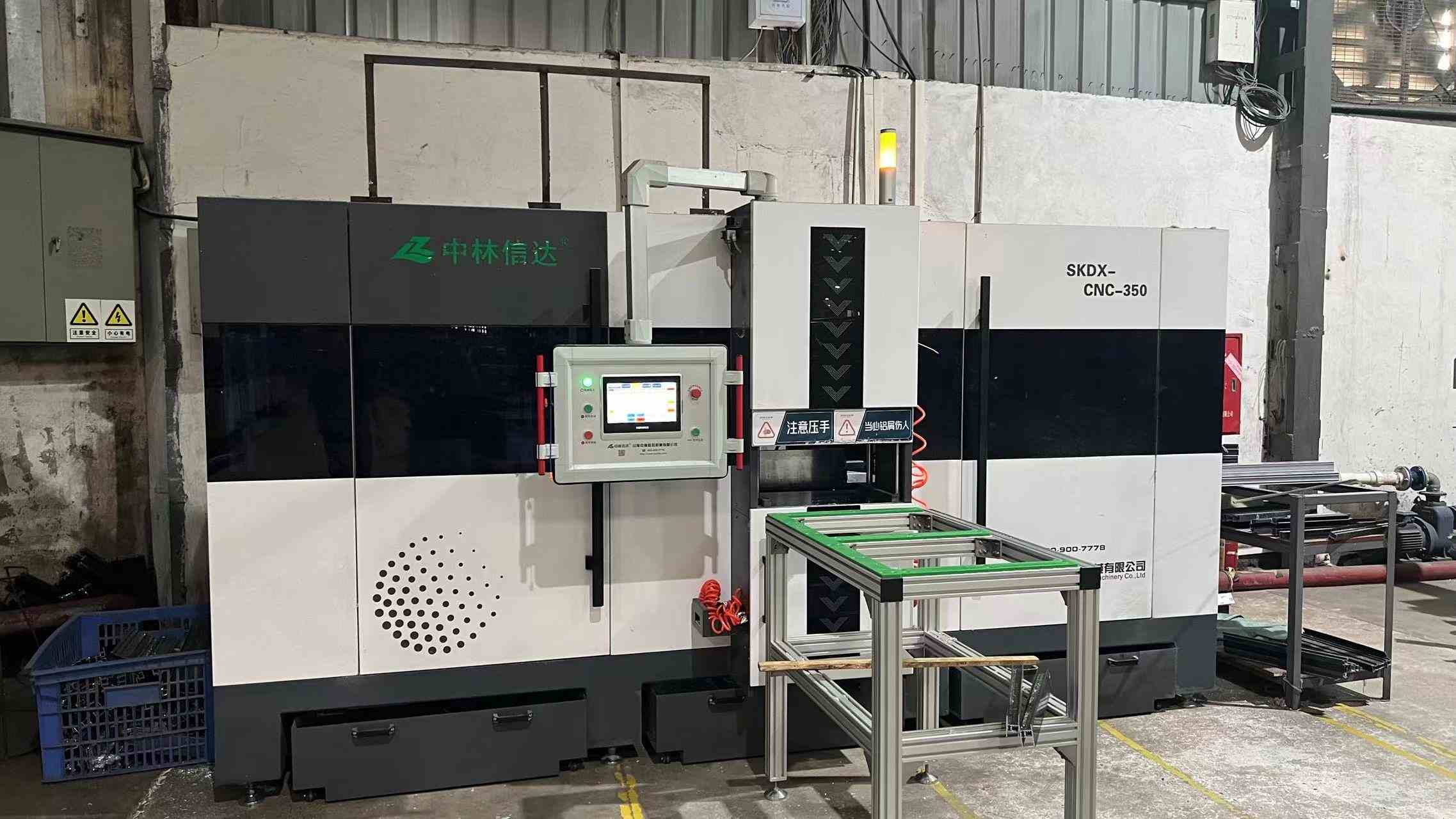
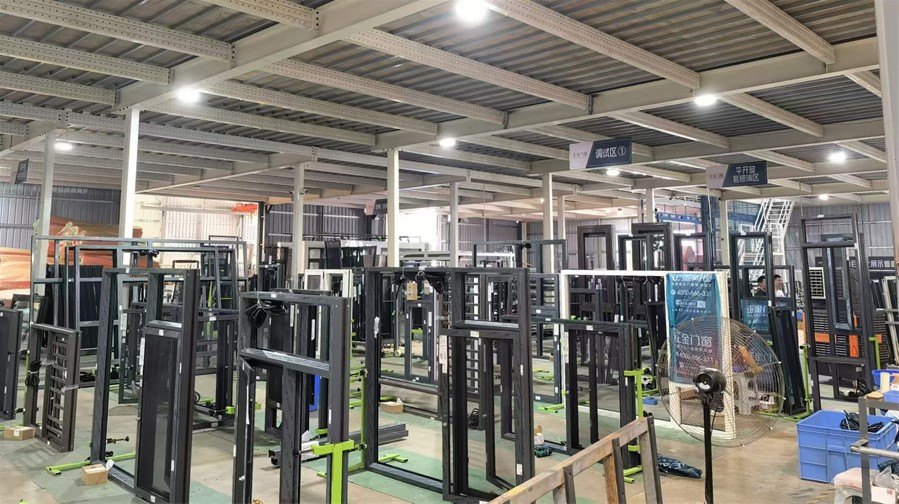
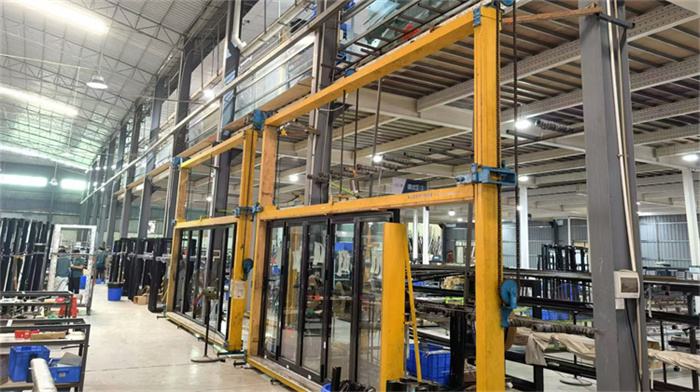
Zhejiang Shieldoors Security Technology Co., Ltd. was established in 2016 and is located in an expansive 45,000 m² production base. Building on 10 years of industry leadership and 6 years of international trade experience, the company generates an annual export revenue reaching USD 42,000,000.
Our commitment to excellence is maintained through rigorous ISO9001-certified quality control and third-party product testing methods, including CE, UL fire-rated, and hurricane-impact certifications. A dedicated quality inspection team of 78 QC specialists ensures that every entry door meets international safety standards. Working with a robust ecosystem of 1,400 supply chain partners, our trade background covers direct export, project bidding, and global supply chain integration, mainly targeting key markets in North America, Australia, and Southeast Asia.
Innovation is at the heart of our operations. Supported by 350 skilled R&D engineers, we launched 450 new product designs last year. We serve major real estate developers, architectural firms, and building material retail chains by offering tailored customization options ranging from soundproofing and thermal insulation features to smart lock integration and custom panel finishes.
Cross-border procurement requires strict adherence to localized building standards. Leading Chinese door exporters design their systems to meet or exceed specific jurisdictional codes, eliminating compliance friction for regional developers and importers.
Key Certifications: NFRC, Florida Product Approval (FPA), Miami-Dade NOA, AAMA 101/I.S.2/A440.
Technical Compliance: Testing involves TAS 201 (Large Missile Impact), TAS 202 (Air, Water & Structural), and TAS 203 (Cyclic Pressure Loading). Doors engineered for High-Velocity Hurricane Zones (HVHZ) feature forced-entry resistance, U-factors below 0.30 Btu/h·ft²·°F, and high SHGC control.
Key Certifications: AS2047 (Windows and Doors in Buildings), AS1288 (Glass in Buildings), AS1170.2 (Structural Wind Actions).
Technical Compliance: Structural deflection, air infiltration, and water penetration resistance are validated under extreme Australian climate profiles. Heavy emphasis is placed on Bushfire Attack Level (BAL-40 and BAL-FZ) compliance using specialized fire-rated aluminum and toughened ceramic glass.
Key Certifications: CE Marking under EN 14351-1, Passive House Institute (PHI) Certification, UL Fire Rating.
Technical Compliance: Focuses on acoustic attenuation (Rw up to 45 dB), thermal insulation ($U_w \le 0.8 \text{ W/m}^2\text{K}$), and circular economic compliance under EU REACH and RoHS environmental standards.
Key Certifications: Civil Defense Fire Certifications, ASTM E283/E331 Water & Air Standards.
Technical Compliance: Engineered to withstand intense UV exposure, high thermal radiation, and dust storms. PVDF fluorocarbon finishes prevent color degradation, while high-performance sealants prevent dust ingress in arid environments.
Environmental Challenge: Constant exposure to salt spray, sand abrasion, and high humidity leading to rapid metal oxidation and latch failure.
Engineering Solution: Marine-grade 6063-T6 aluminum profiles coated with 3-coat PVDF (AAMA 2605 certified), coupled with 316 stainless steel multi-point hardware, concealed drainage sub-frames, and double-glazed laminated low-E glass.
Environmental Challenge: Extreme operational wear, frequent impact, air leakage causing HVAC energy loss, and strict fire safety requirements.
Engineering Solution: Heavy-duty commercial aluminum casement and sliding doors featuring heavy-gauge profiles, high-frequency auto-open operators, UL-rated fire glass, and threshold drop seals for maximum air tightness.
Environmental Challenge: Severe freeze-thaw cycles causing frame warping, seal brittleness, inner glass condensation, and high heat loss.
Engineering Solution: Multi-chamber thermal break systems fitted with 34mm PA66-GF25 thermal strips, triple-pane argon-filled insulating glass, and cold-resistant EPDM gasket seals achieving Passive House performance levels.
Environmental Challenge: Integrating high-level security, smart home connectivity, and architectural aesthetics without compromising weather protection.
Engineering Solution: Flush-mounted aluminum entry doors integrated with biometric/RFID smart locks, motorized multi-point latches, concealed hinges, and embedded IoT weather-sensing triggers.
Replacing traditional double-glazing with Vacuum Insulated Glass allows door panels to achieve thermal insulation values equivalent to solid brick walls ($U \le 0.4 \text{ W/m}^2\text{K}$) while reducing glass thickness and frame weight by up to 50%.
Chinese tier-1 factories are utilizing AI finite element analysis (FEA) to simulate wind load stresses, thermal bridging, and water flow dynamics, optimizing aluminum profile wall thicknesses prior to mass extrusion.
Integrating transparent solar-harvesting glass into door sidelites and transom windows, enabling entry systems to power their own internal smart locks, automatic sensors, and LED ambient lighting autonomously.
To meet strict Western ESG mandates, suppliers are transitioning to low-carbon aluminum smelted with renewable hydro-power and incorporating up to 75% post-consumer recycled metal, reducing embodied carbon by 60%.
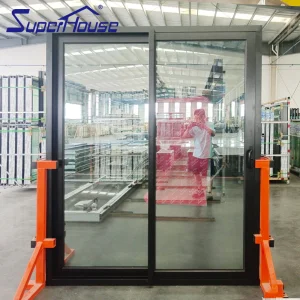
 Shieldoors