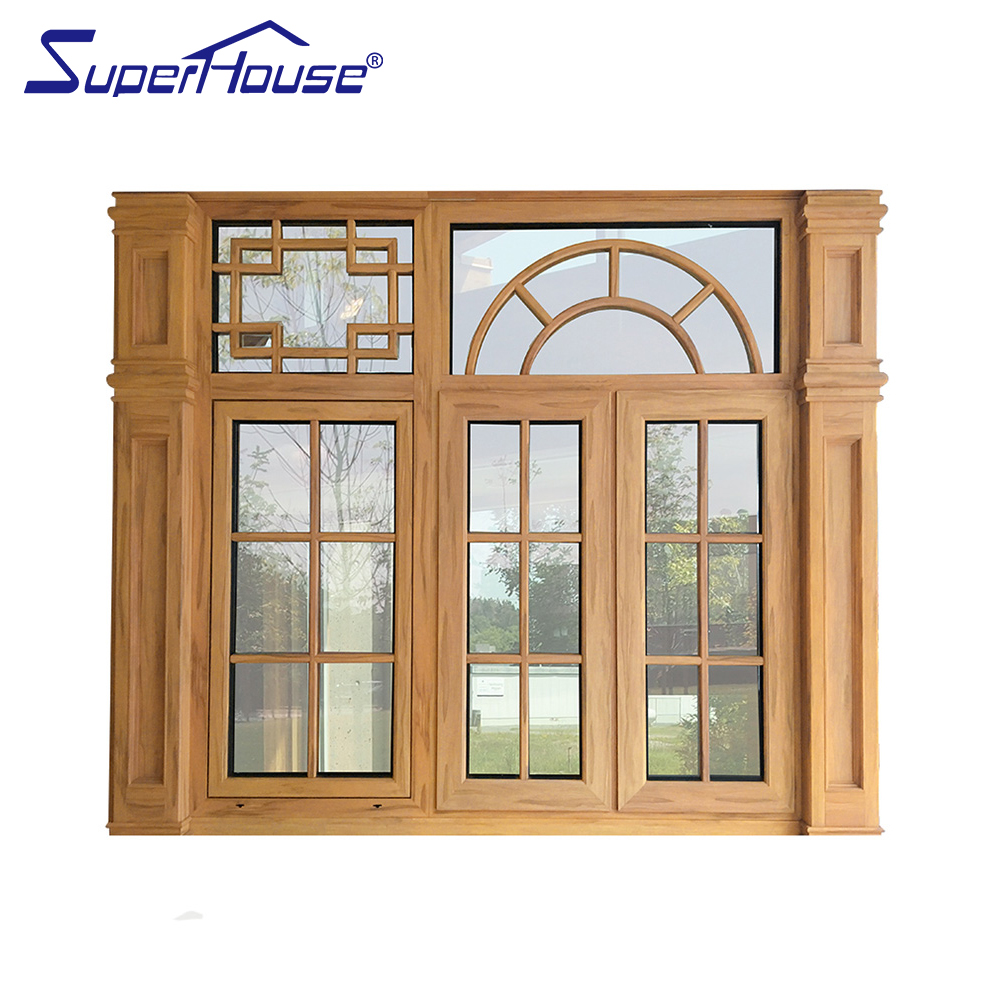
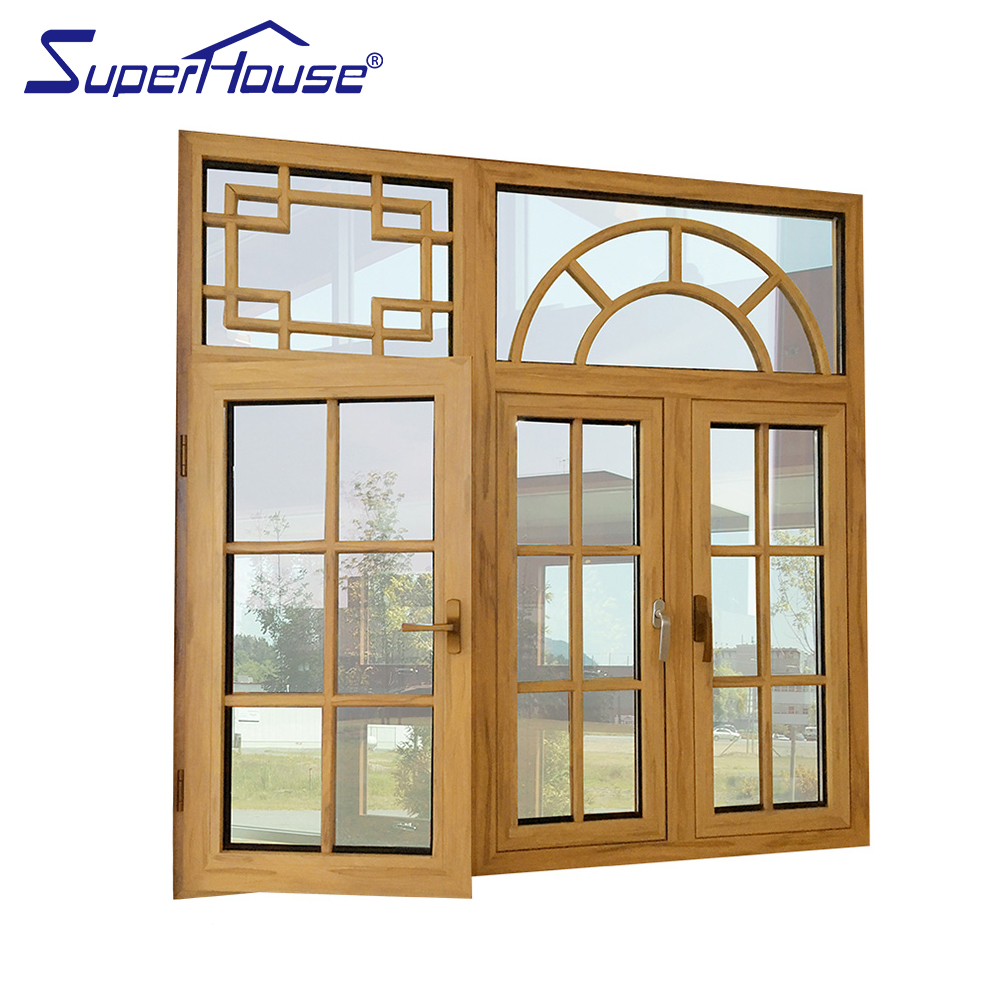
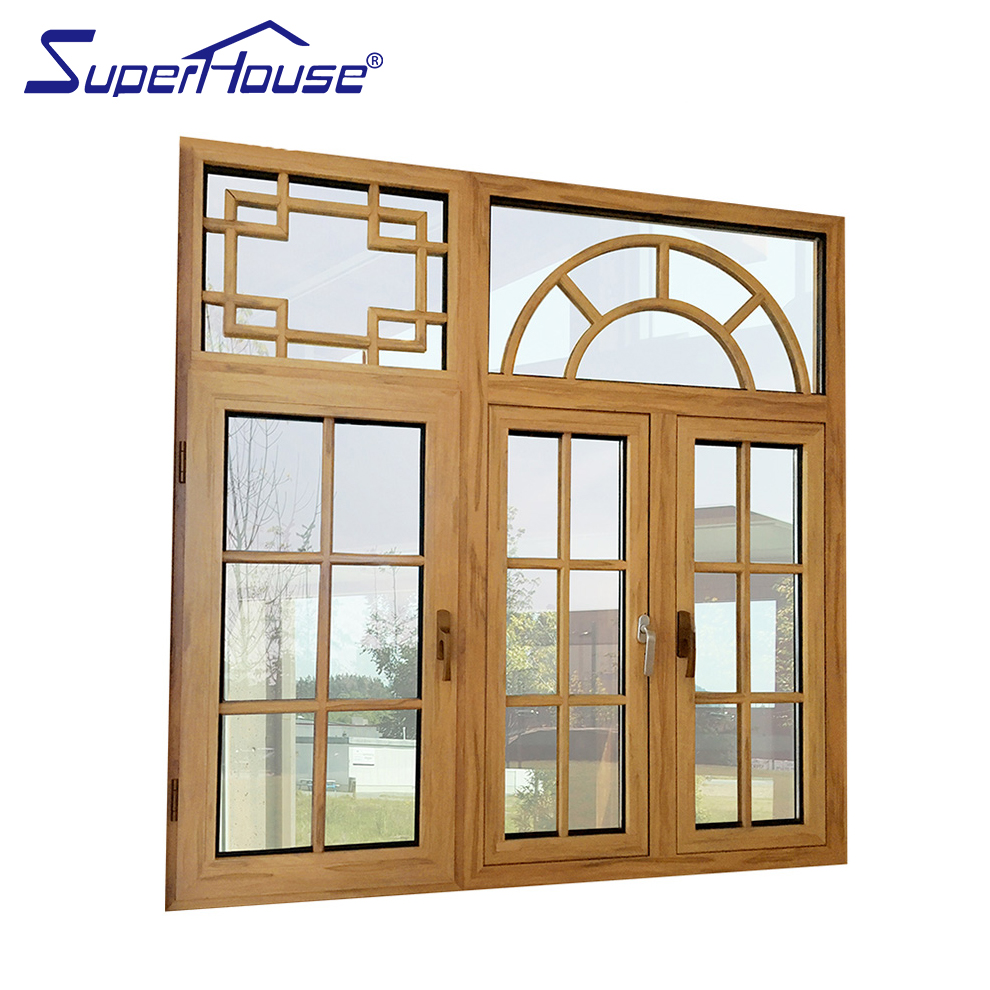
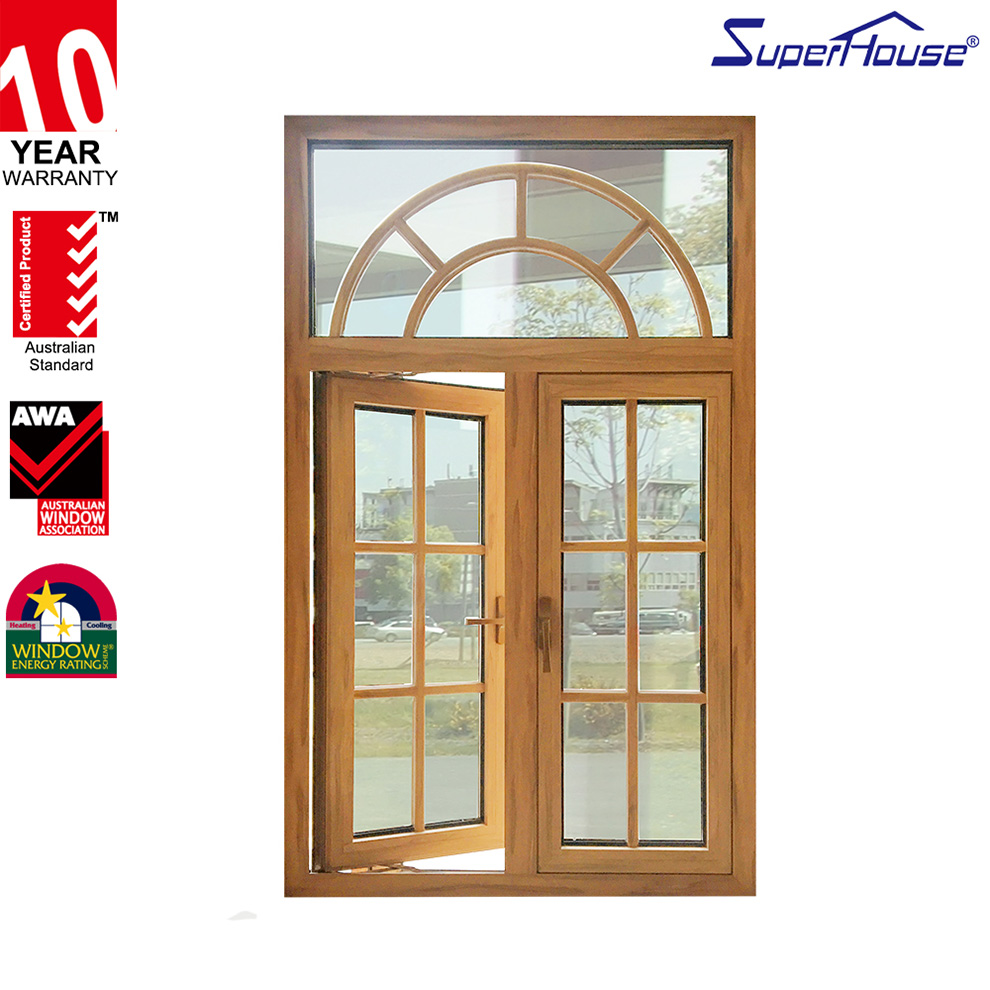
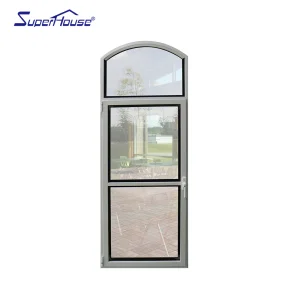
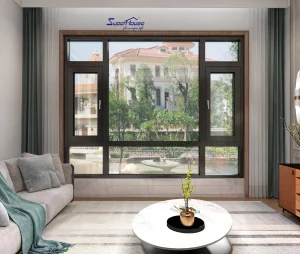
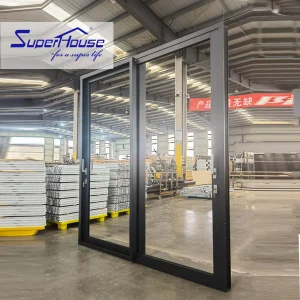
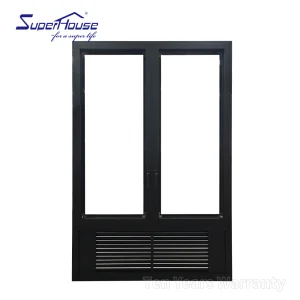
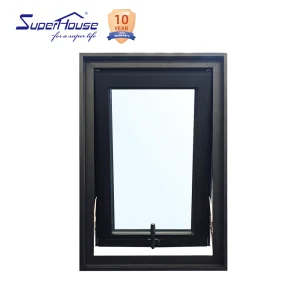
Superhosue High Energy Efficiency NFRC Narrow Frame Aluminium Casement Windows

Product Description

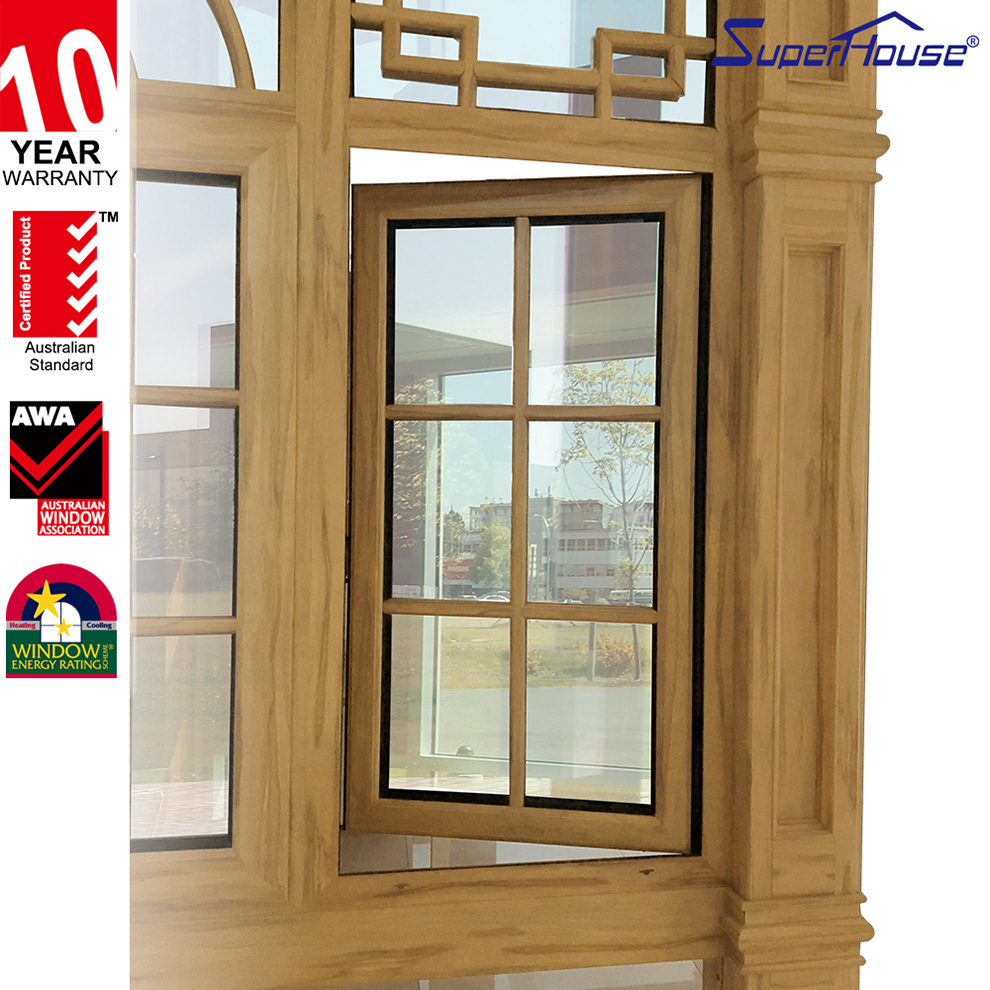
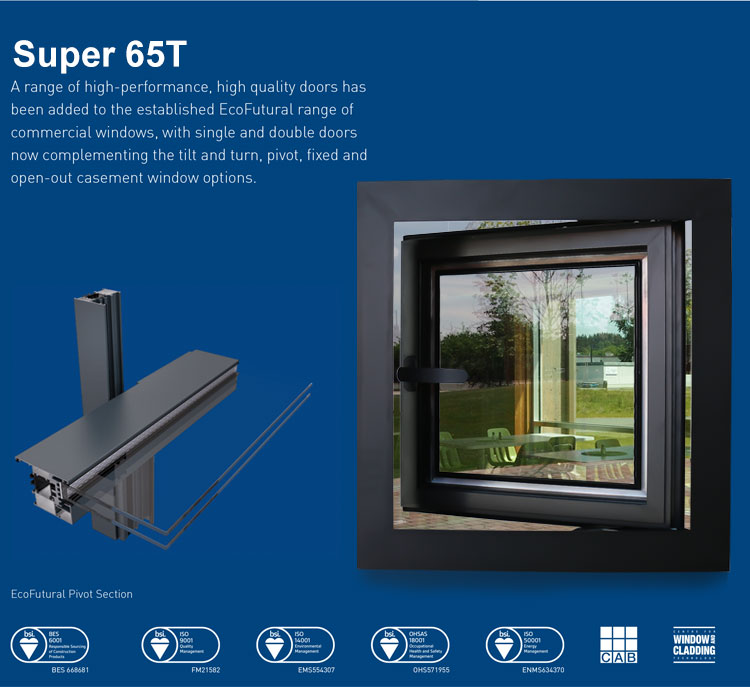
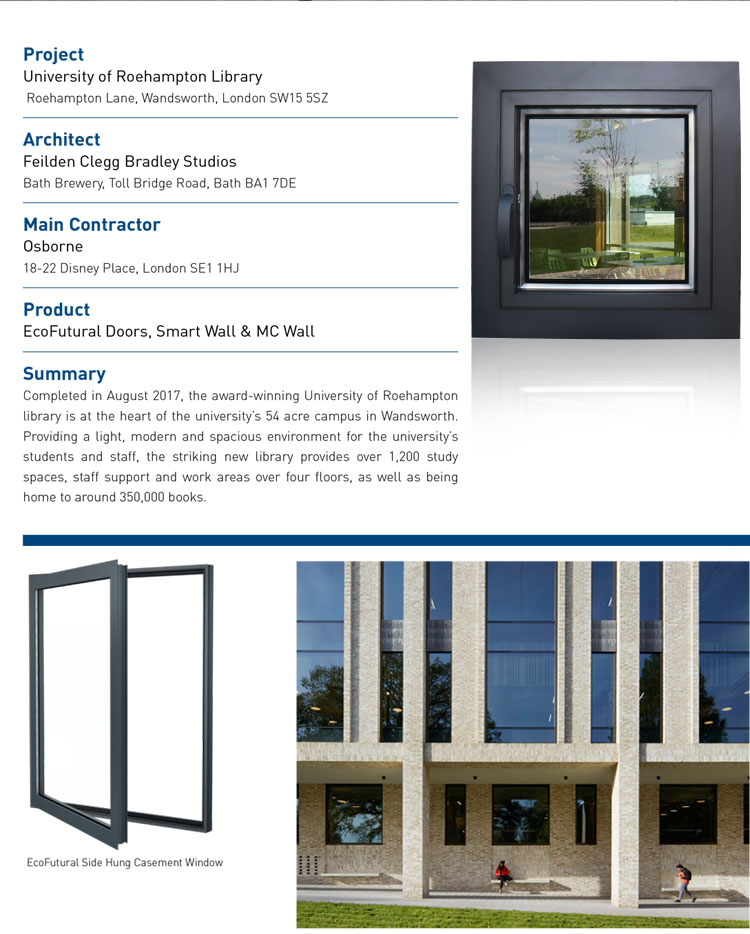
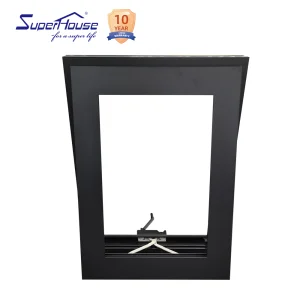
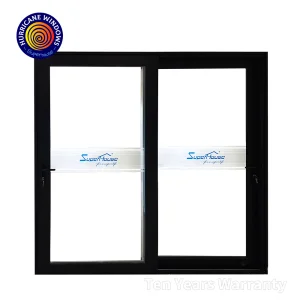
High Energy Efficiency NFRC Narrow Frame Aluminium Casement Window

■
Product Description
★

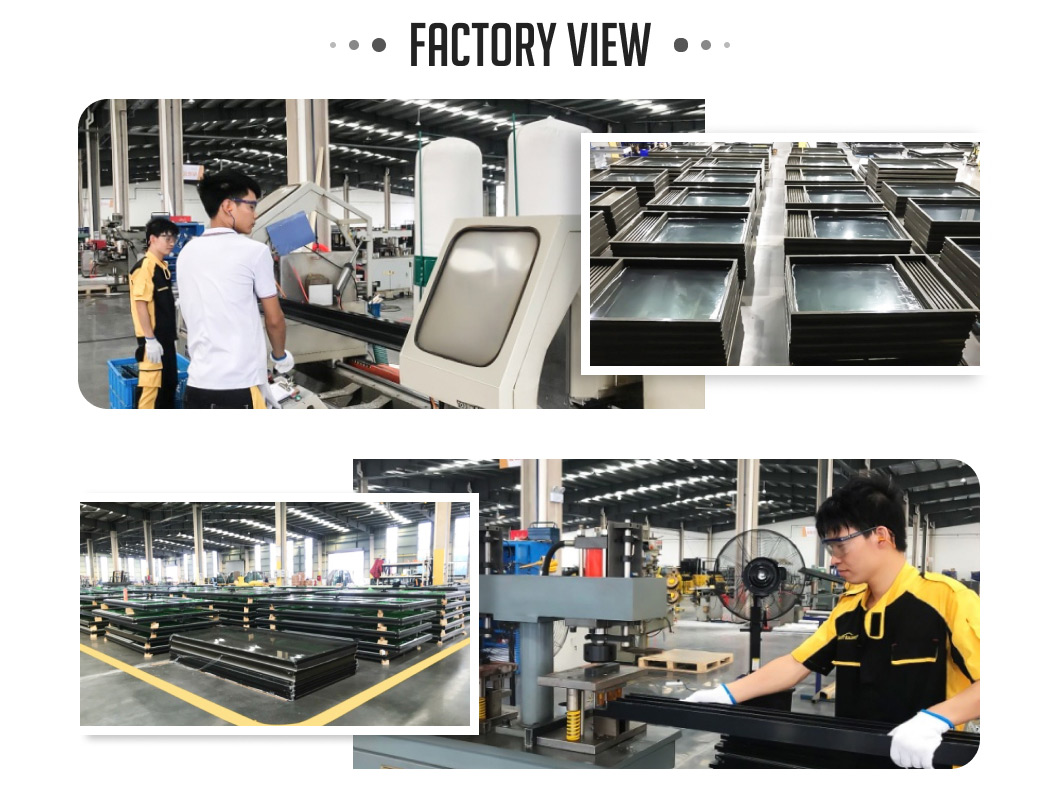
Each column has many different options and customers can combine preferences to customize personalized 50 years industry experience high energy efficiency narrow frame windows and doors.

Profiles
  1. 6063-T5 high quality thermal break aluminium profile, thickness 1.4-1.6 mm
  2. 6063-T5 high quality non-thermal break aluminium profiles, thickness 1.4-1.6 mm
  3. PVC/UPVC profiles
Glass
  1. Double toughened glazing: 5mm+12A+5mm (A:Air); 5mm+12A+5mm tinted; 5mm+12A+5mm Low-E; 5mm+27A+5mm
  2. Single toughened glazing: 3/4/5/6/8/10/12/15/19/21/6.38/11.76mm
  3. Laminated glazing: 5mm+0.76+5mm, 5mm+0.38+5mm
Hardware
  1. German brand: Roto, Siegenia, Geze
  2. Australian brand: Doric
  3. Chinese brand: Kinlong, Zhenjiang
Mesh
  1. Stainless steel security mesh
  2. Aluminium security mesh
  3. Fiberglass flyscreen
  4. Retractable flyscreen
Finish
  1. Powder coating
  2. Anodized
  3. Electrophoresis
  4. Wood grain
  5. Fluorine carbon coating
■
Professional Guidance & Guarantee
ℹ

Professional suggestions on profile and glazing adoption are provided for first-time window or door buyers. Different regions have different climatic characteristics, requiring appropriate profile or glazing treatment to maximize product longevity and optimize energy absorbing & saving performance.

QUALITY GUARANTEE

Products feature a 10 years quality guarantee to ensure long-term durability and performance security.

?
Frequently Asked Questions
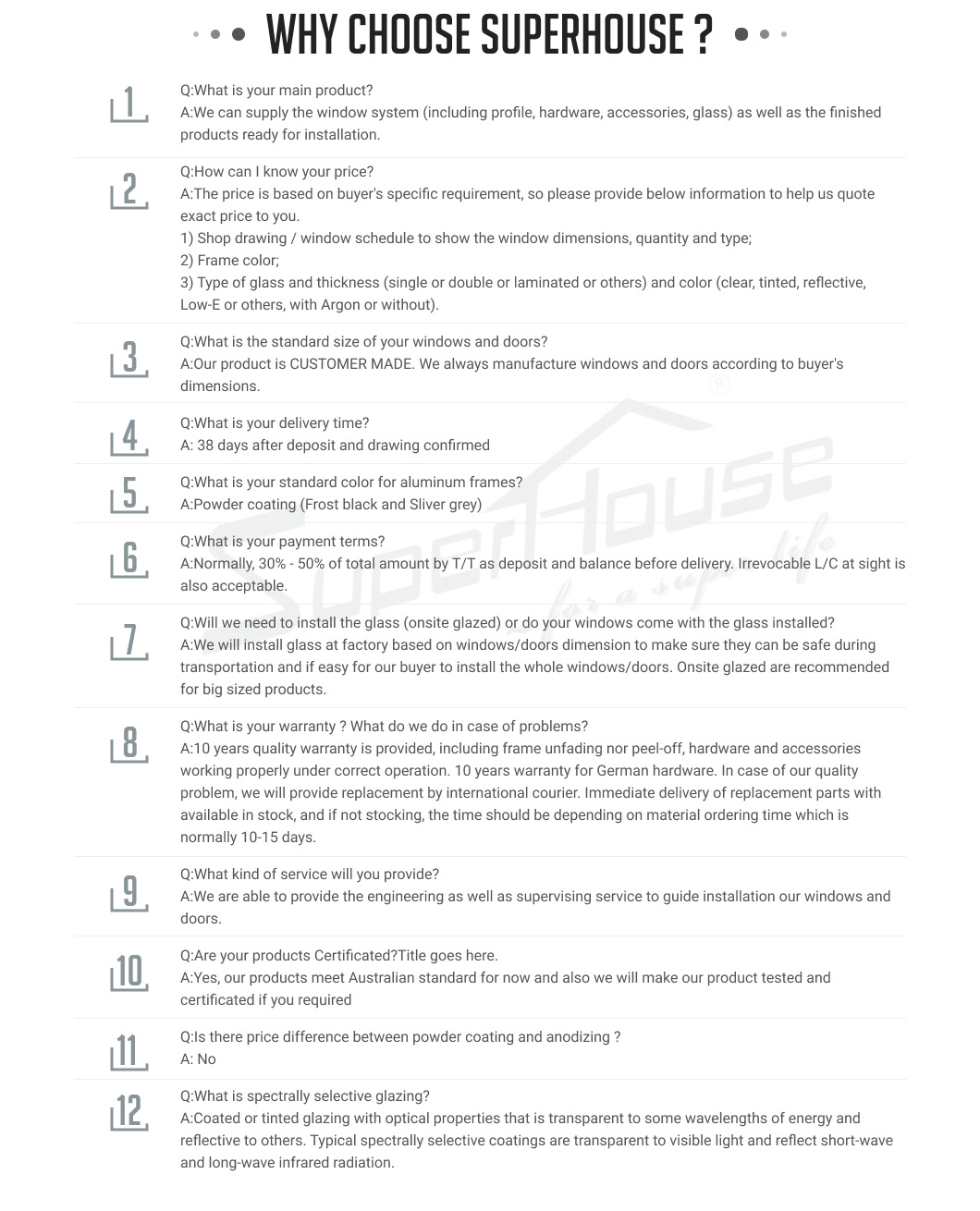
Q1: What is spectrally selective glazing?

A coated or tinted glazing with optical properties that is transparent to some wavelengths of energy and reflective to others. Typical spectrally selective coatings are transparent to visible light and reflect short-wave and long-wave infrared radiation.

Q2: What is insulated glass?

This term applies to two or more panes of glass separated by insulation at the edges and air in the centre to provide greater thermal efficiency to a window.

Q3: What is gas filled glass?

An inert gas, usually argon, is sealed between the panes of glass in a window instead of air. Gas is a better insulator than air, increasing the thermal value of the window.

Q4: What is AS2047 standard compliance?

AS2047 is the mandatory minimum specification for windows and doors used in Australia, which includes compliance with the Glass Standard AS 1288 to guarantee product structural safety and quality.

Q5: What performance tests are undertaken under AS2047?
The following performance tests are undertaken to verify product performance claims:
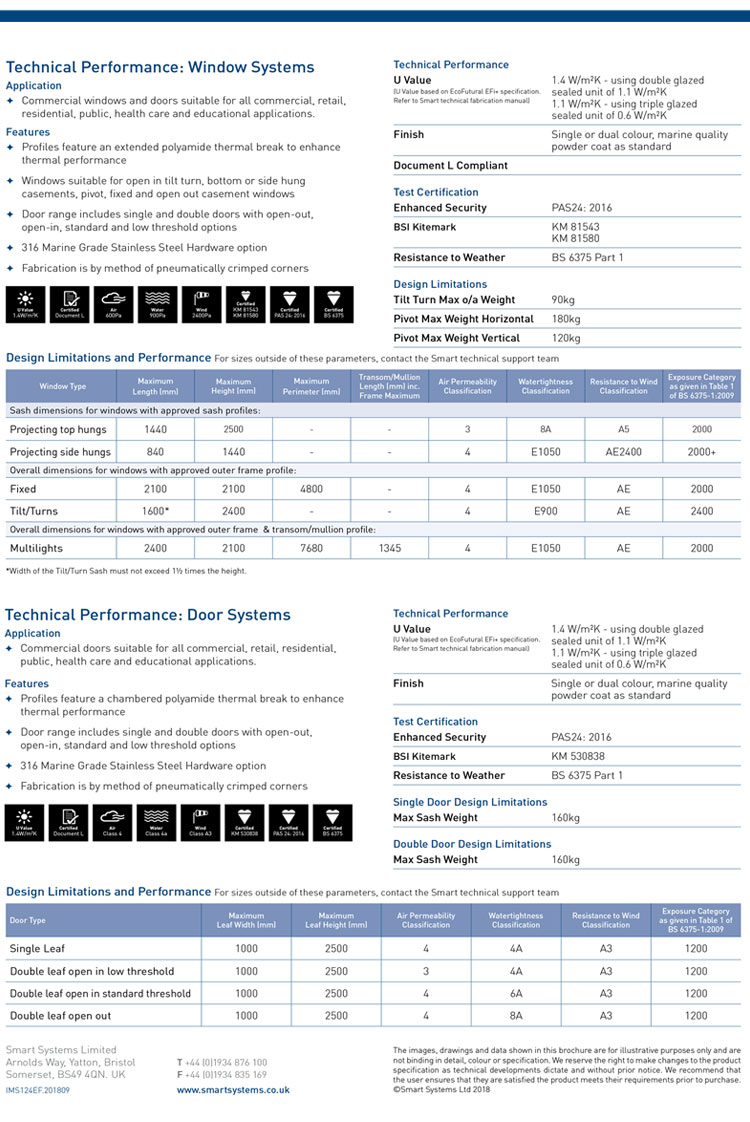
  • AS 4420.2 Deflection Test: Positive and negative wind pressures are applied to test maximum deflection under wind load.
  • AS 4420.3 Operating Force Test: Verifies that an opening sash can open and close smoothly without undue effort.
  • AS 4420.4 Air Infiltration Test: Tests window air leakage to ensure energy and acoustic efficiency.
  • AS 4420.5 Water Penetration Resistance Test: Designed to ensure no water leaks through the window into the building.
  • AS 4420.6 Ultimate Strength Test: Applies pressures at least 1.5 times the design wind pressure to prevent failure in severe wind conditions.
Q6: How do regional climate characters affect window selection?

Different regions require specific profile and glazing treatments to match local weather conditions. Selecting the appropriate thermal break profile and glass coating ensures maximum energy efficiency, functional durability, and optimized climate performance.
Related Products