Architectural fenestration engineered specifically to satisfy Tokyo Metropolitan Government (TMG) Zero Emission Housing subsidies and Japanese architectural standards.
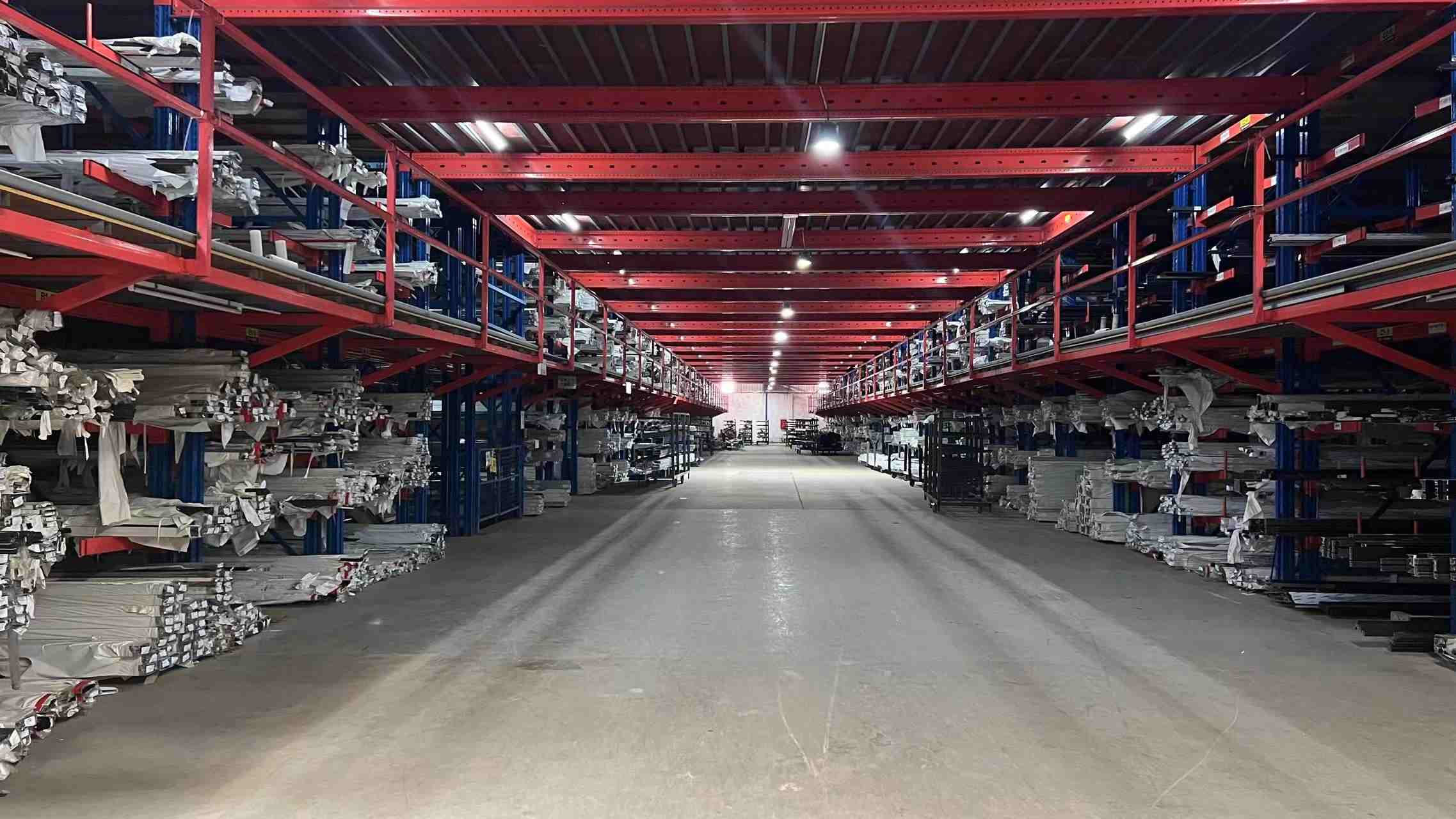
Thermal-break architectural profile systems optimized for low thermal conductivity, maintaining U-values ≤ 0.75 W/m²K under Tokyo's severe seasonal climate fluctuations.

Millimeter-precise computerized cutting technology ensuring airtight corner seals ($n_{50} \le 0.6 \text{ h}^{-1}$) vital for Tokyo high-density urban residential towers.
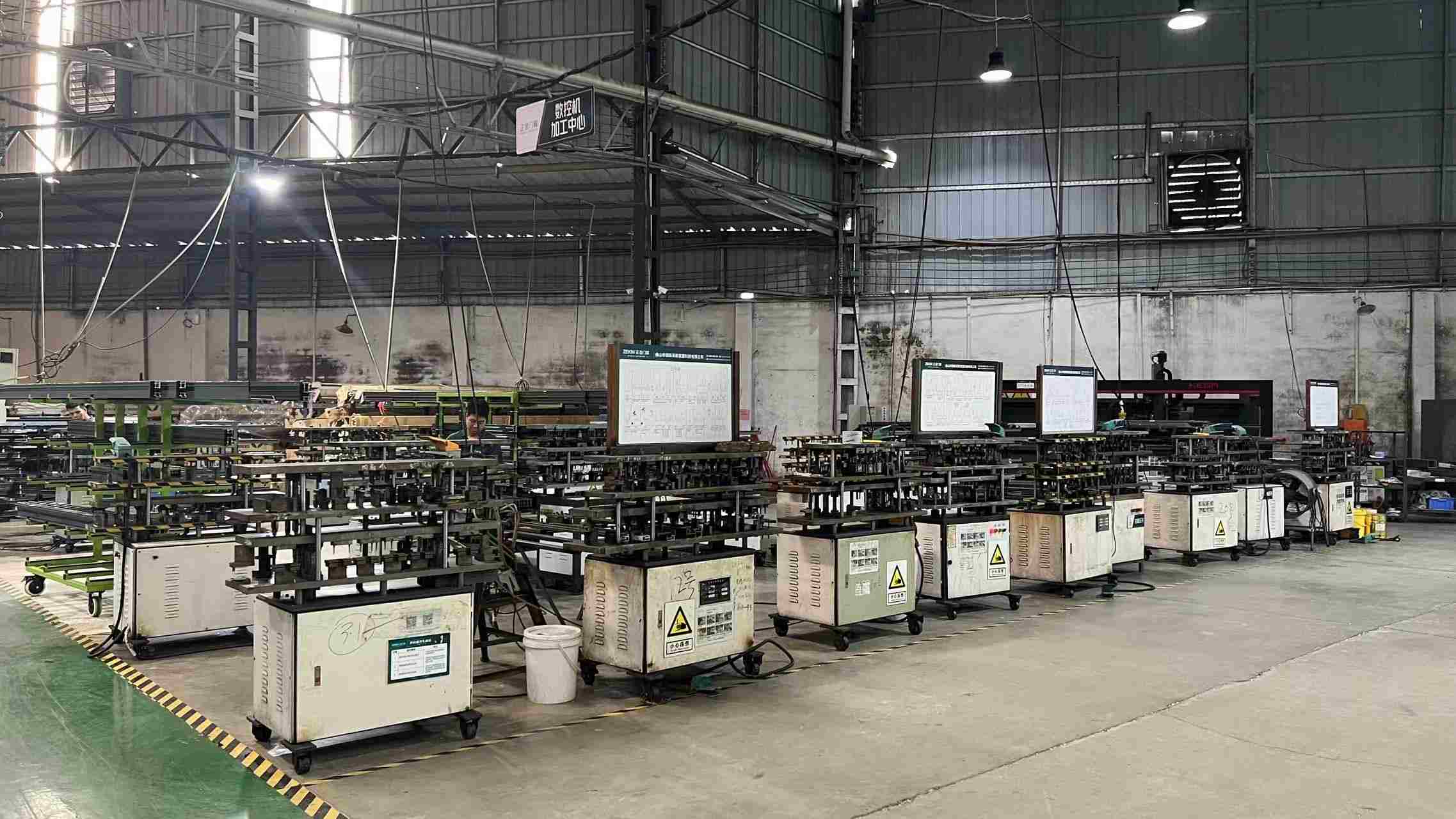
Engineered hardware slot positioning capable of enduring Japanese seismic stress (Taishin standards) while retaining airtight sealing integrity.
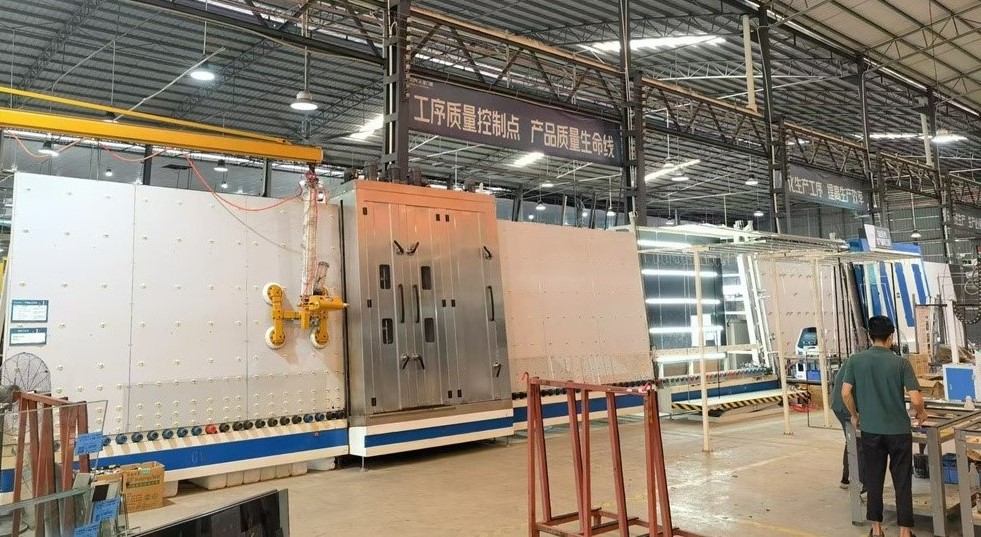
Low-E double/triple chamber warm-edge insulated glass units (IGU) designed to block Tokyo's humid summer radiant heat and prevent winter condensation.
Navigating Japan's stringent energy saving regulations, climate challenges, and urban architectural requirements with advanced Chinese smart manufacturing.
The Greater Tokyo Metropolitan Area represents one of the world's most demanding urban landscapes for fenestration engineering. As the Tokyo Metropolitan Government (TMG) accelerates its mandate toward net-zero carbon emissions through the Tokyo Zero Emission House (東京ゼロエミ住宅) initiative and updated Building Energy Efficiency Act requirements, developers, general contractors (Zenecon), and architects face mounting pressure to deploy fenestration products with unprecedented thermal performance.
Passive House standards in Tokyo demand a delicate equilibrium. Located in Climate Zone 6 (according to Japanese Energy Efficiency Standards), Tokyo experiences complex multi-seasonal environmental dynamics:
Tokyo summers bring extreme humidity and solar heat loads. Passive House windoors must feature ultra-low Solar Heat Gain Coefficients (SHGC ≤ 0.30) combined with warm-edge spacers to eliminate internal radiative heat gains.
Subjected to coastal typhoons off Tokyo Bay, fenestration units must achieve JIS A 4706 Wind Pressure Resistance Grade S-6 (up to 2800 Pa standard, withstand peak loads exceeding 6000 Pa) with zero water ingress (Grade W-5).
With Tokyo's high urban density along major transport arterial corridors (e.g., Yamanote loop, Shinjuku, Chuo-dori), window systems must deliver sound insulation performance of T-3 to T-4 ratings (STC 42-48 dB noise reduction).
As a leading China-based OEM/ODM high-end windoor manufacturer, Zhejiang Shieldoors Security Technology Co., Ltd. bridges the gap between ultra-rigorous Passive House Institute (PHI) engineering metrics and Japanese market budgetary realities. By integrating automated German-grade extrusion lines with domestic supply chain agility, we empower Tokyo developers to secure CASBEE (Comprehensive Assessment System for Built Environment Efficiency) S-Rank certifications without escalating capital expenditures.
How our engineering team achieves $U_w \le 0.75 \text{ W/m}^2\text{K}$ for Tokyo Passive House & Zero Energy Building (ZEB) projects.
Standard aluminum framing acts as a thermal bridge, causing heavy energy losses. Our Tokyo-bound Passive House series incorporates multi-chamber Polyamide (PA66GF25) reinforced fiberglass thermal barriers combined with expanded polyurethane (PUR) or Aerogel core insulation. By precisely aligning the thermal breaks with the glass plane, isothermal lines remain continuous, eliminating cold bridges completely.
Glazing units constitute up to 80% of window surface area. We utilize triple-pane, double-cavity configurations filled with 95% high-purity Argon or Krypton gas. Advanced soft-coat Low-E layers reflect far-infrared heat back to its source while permitting natural daylight transmittance (VLT ≥ 72%). Warm-edge stainless steel composite spacers prevent perimeter edge condensation even during Tokyo's coldest winter nights.
Airtightness ($n_{50} \le 0.6 \text{ h}^{-1}$) is non-negotiable for Passive House verification. Our windows feature customized German SIEGENIA or ROTO multi-point locking gear paired with continuous EPDM / TPV weather-stripping gaskets. Under negative pressure testing, our compression system creates an impenetrable seal against air leakage and wind-driven rain.
Tokyo is located within one of the world's most active seismic zones. Standard rigid window frames buckle or shatter during earthquakes. Our proprietary seismic-damping sub-frame mounting brackets allow relative inter-story deflection without compromising structural integrity or micro-gap seals, fully complying with Japan's Structural Safety Standards.
| Performance Metric | Japanese Standard (JIS A 4706) | Tokyo ZEH / ZEB Baseline | Shieldoors Passive House Grade |
|---|---|---|---|
| Thermal Transmittance ($U_w$) | ≤ 2.33 W/m²K (Grade H-5) | ≤ 1.60 W/m²K | ≤ 0.72 - 0.78 W/m²K (PHI Certified Class) |
| Airtightness ($A$) | Grade A-4 (2.0 m³/h·m²) | Grade A-4 | Superior to Grade A-4 ($n_{50} \le 0.45 \text{ h}^{-1}$) |
| Water Tightness ($W$) | Grade W-5 (500 Pa) | Grade W-5 | Grade W-5+ (≥ 1000 Pa dynamic pulse) |
| Wind Load Resistance ($S$) | Grade S-6 (2800 Pa) | Grade S-6 | Extreme Structural Load (≥ 4500 - 6000 Pa) |
| Acoustic Insulation ($T$) | Grade T-2 (30 dB) | Grade T-3 (35 dB) | Grade T-4 / STC 45+ (42 - 47 dB) |
Unmatched scale, quality control, and supply chain resilience from Zhejiang Shieldoors Security Technology Co., Ltd.
Established in 2016, Zhejiang Shieldoors Security Technology Co., Ltd. operates from an expansive 45,000 m² modern production base. Building on 10 years of domestic industry leadership and 6 years of international trade experience, the company generates an annual export revenue reaching USD 42,000,000.
Our unwavering commitment to manufacturing excellence is maintained through rigorous ISO9001-certified quality management systems and comprehensive third-party product testing protocols, including CE, UL fire-rated, and hurricane-impact certifications. A dedicated quality inspection team of 78 QC specialists monitors every step of production to ensure every entry door and window system satisfies international safety and thermal performance standards.
Supported by a robust ecosystem of 1,400 supply chain partners, our trade capability encompasses direct global export, architectural project bidding, and global supply chain integration, serving key high-demand markets across North America, Australia, Southeast Asia, and East Asia (Tokyo, Osaka, Yokohama).
Innovation lies at the absolute core of our business model. Driven by 350 skilled R&D engineers, we successfully commercialized over 450 new product designs last year alone. We serve top-tier real estate developers, architectural firms, and building material retail distributors by offering comprehensive OEM/ODM customization options ranging from soundproofing and thermal insulation to smart lock integration and custom panel finishes.
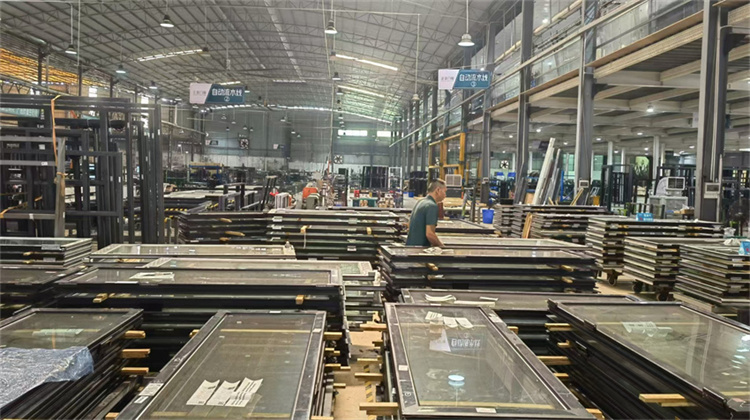
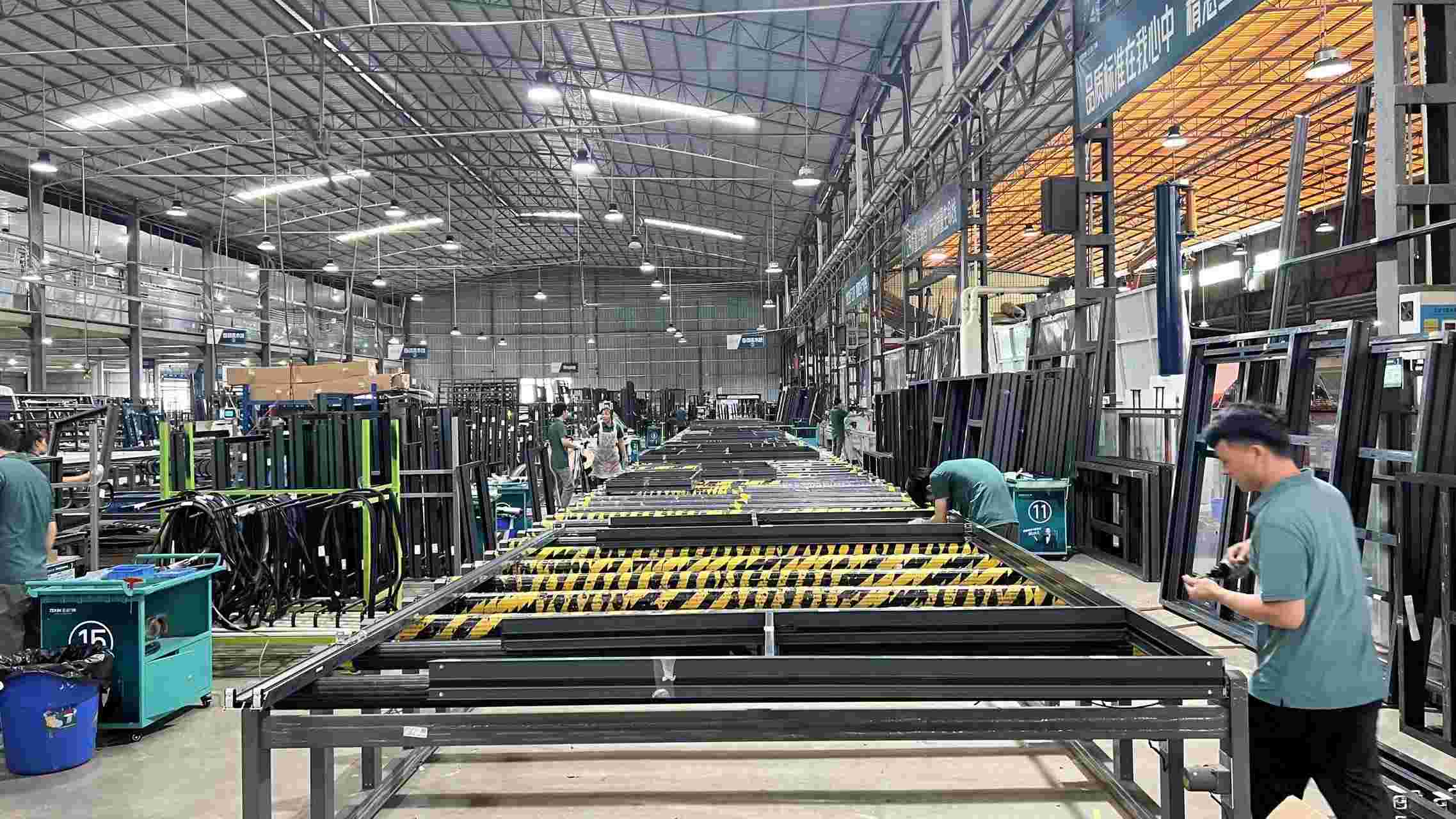 1. Structural Gluing
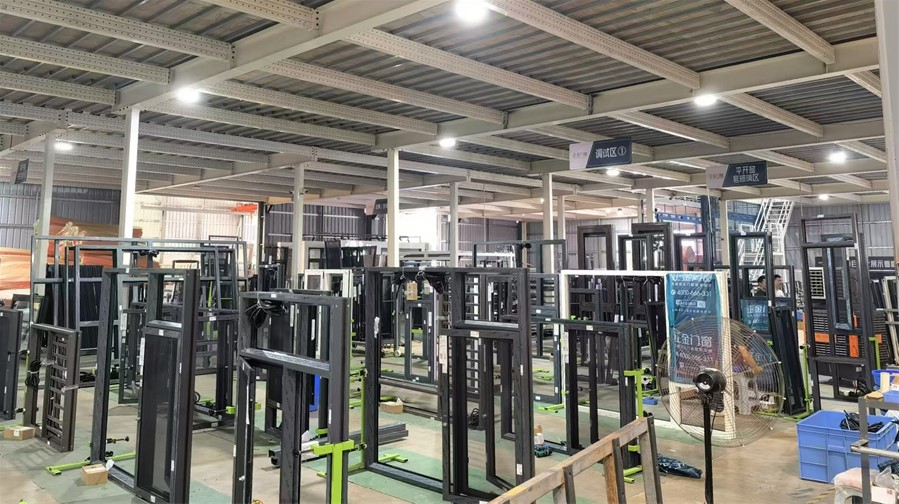
 2. Modular Frame Assembly
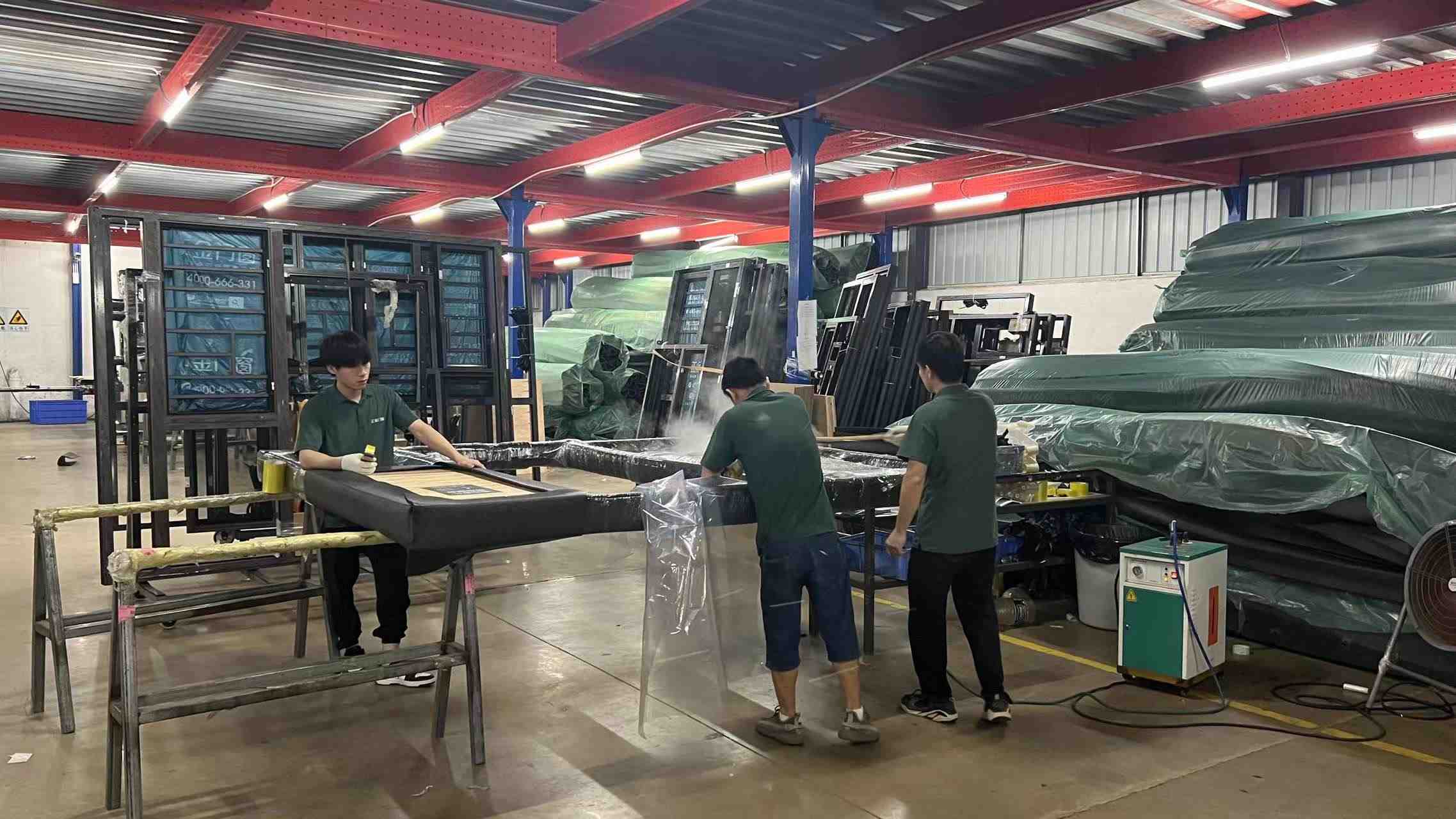
 3. Hardware Calibration
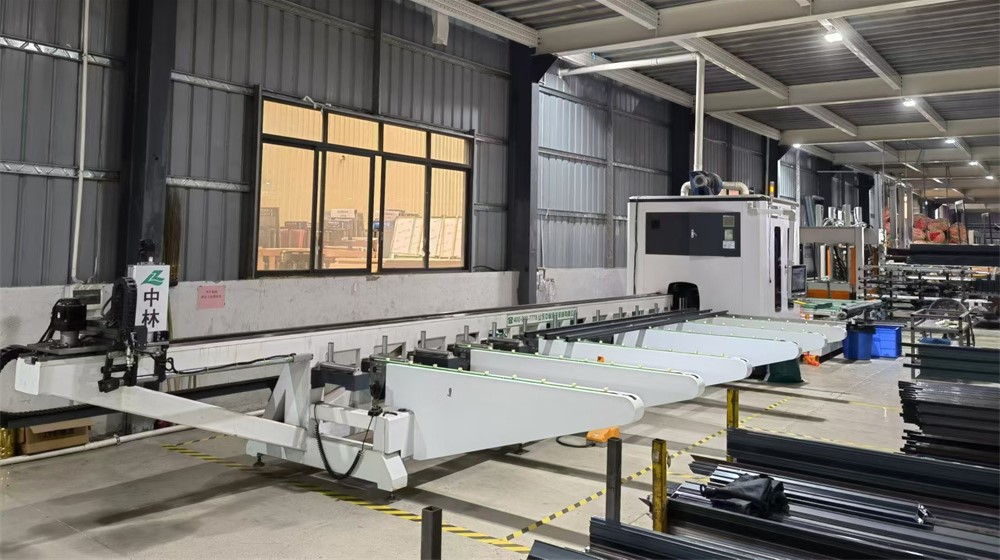
 4. Tokyo Packaging & Logistics
State-of-the-art automated machinery ensuring zero-defect manufacturing and high-throughput volume production.
High-precision laser processing for structural steel and heavy-gauge aluminum profiles, achieving tolerances within ±0.05mm for flawless joint alignment.
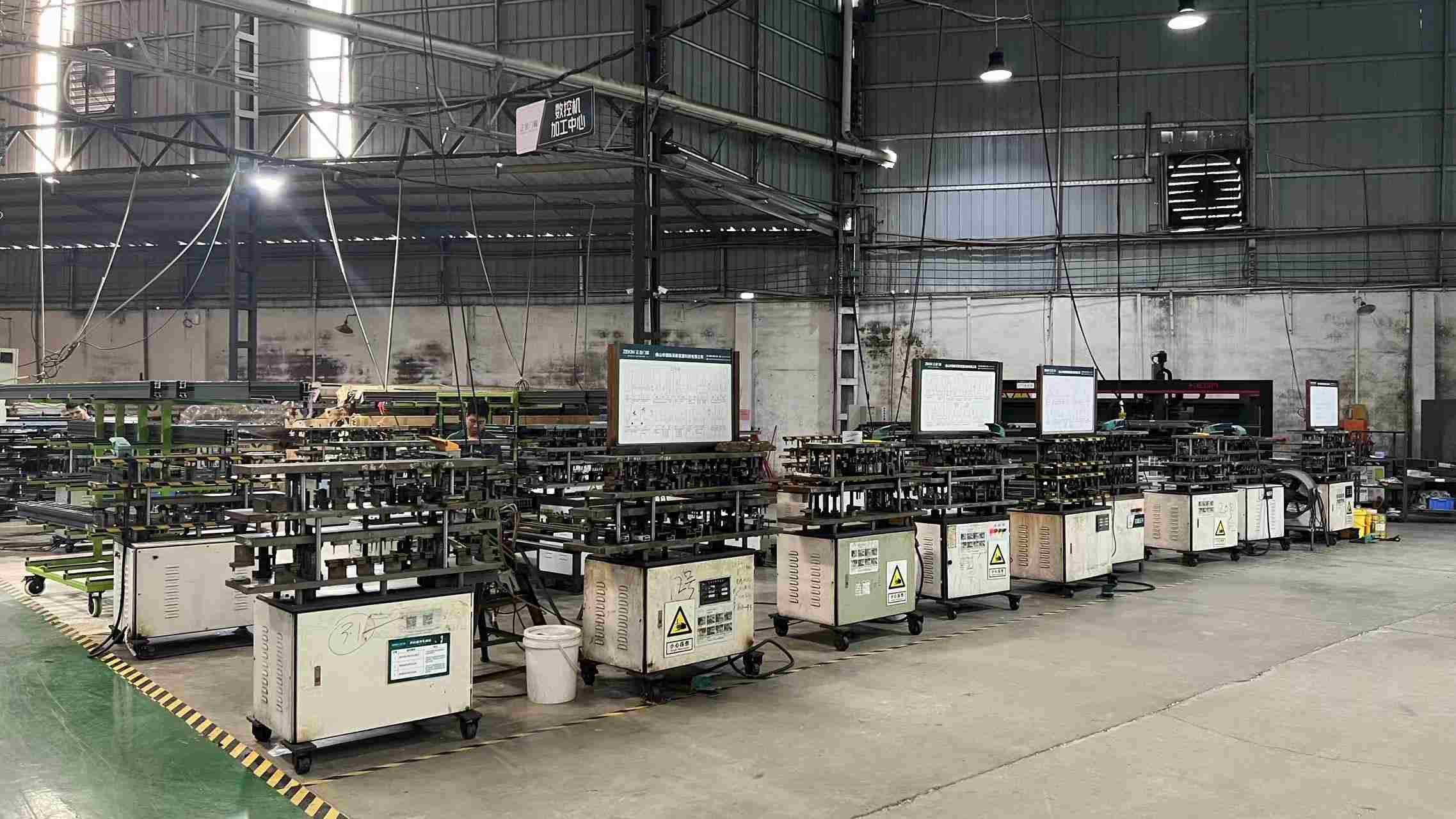
Computerized punching operations for multi-point lock hardware slots, drainage channels, and pressure-equalization vents.
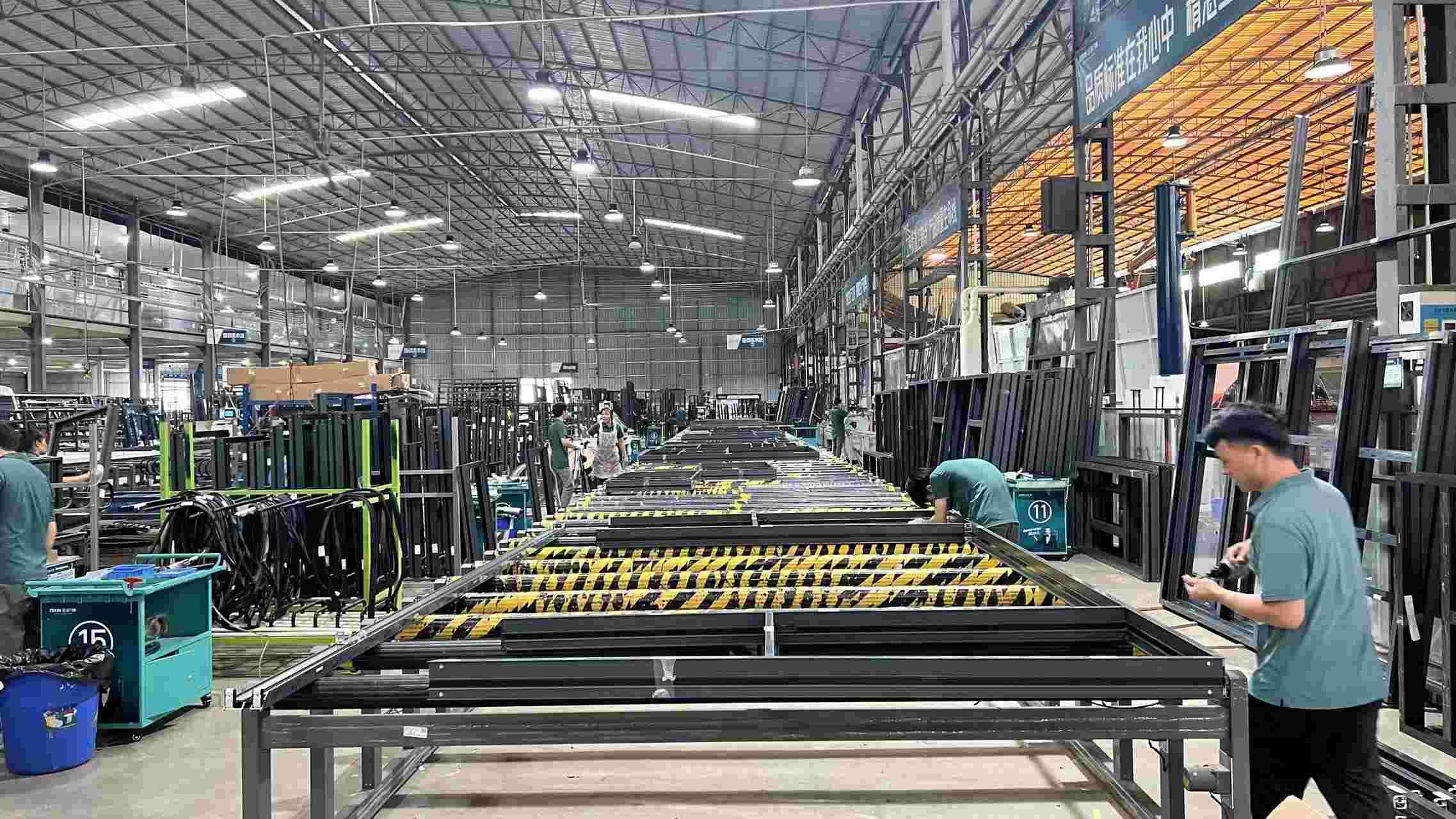
Synchronized assembly lines integrated with digital torque monitoring and automated seal insertion for uniform quality across high-volume production orders.
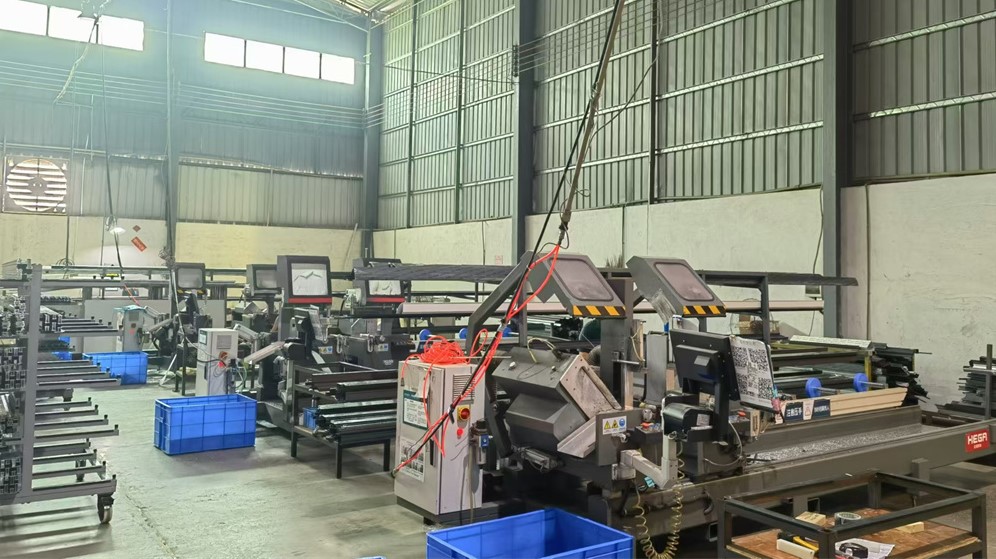
Dual-axis compound miter sawing for aluminum profiles, providing smooth, burr-free miter cuts critical for thermal break continuity.
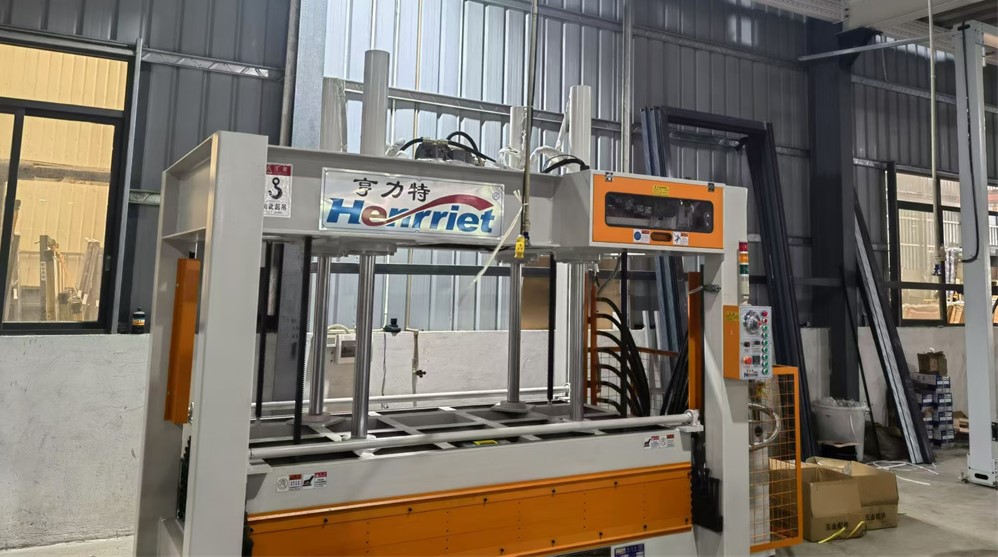
Hydraulic corner crimping system that injects dual-component structural adhesive into aluminum frame joints for maximum mechanical rigidity.
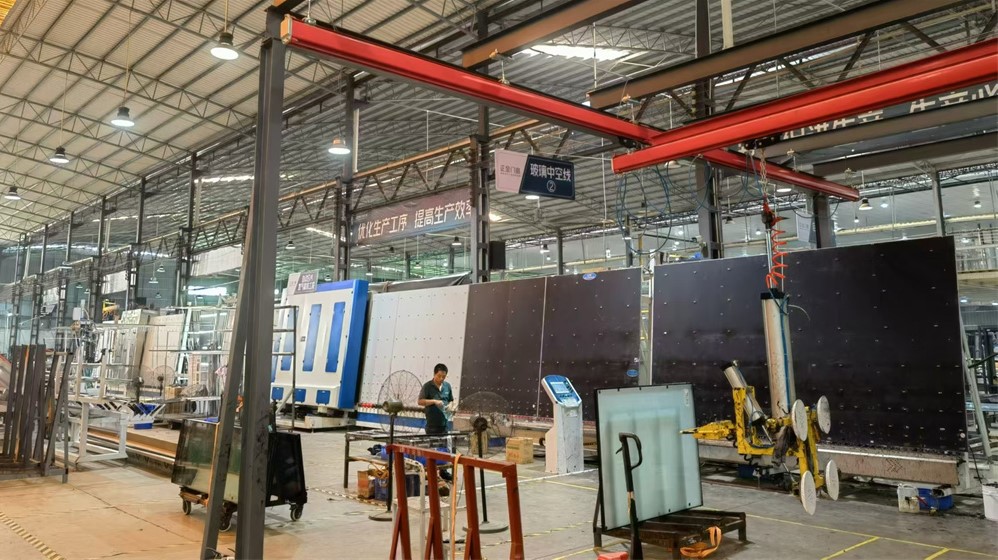
Robotic glass washing, automated desiccant filling, warm-edge spacer placement, argon gas injection, and secondary structural silicone sealing.
Seamless procurement, customs clearance support, and job site delivery tailored to the Greater Tokyo Metropolitan Area.
We maintain streamlined export logistics pathways directly to Tokyo Port (Oi/Aomi Container Terminals) and Yokohama Port. All shipments utilize moisture-proof vacuum wrapping, fumigated solid wood crates, and edge-protected steel rack containers to prevent shipping damage during sea transit across the East China Sea.
We supply full technical submittals required by Japanese general contractors and municipal plan checkers in Tokyo, including structural calculation sheets, mill test reports (MTR), heat transmission coefficient certificates, and CAD/BIM Level 2 object models for smooth architectural design integration.
Explore our complete range of certified Passive House windoors, fire-rated entry doors, and automated fenestration solutions.
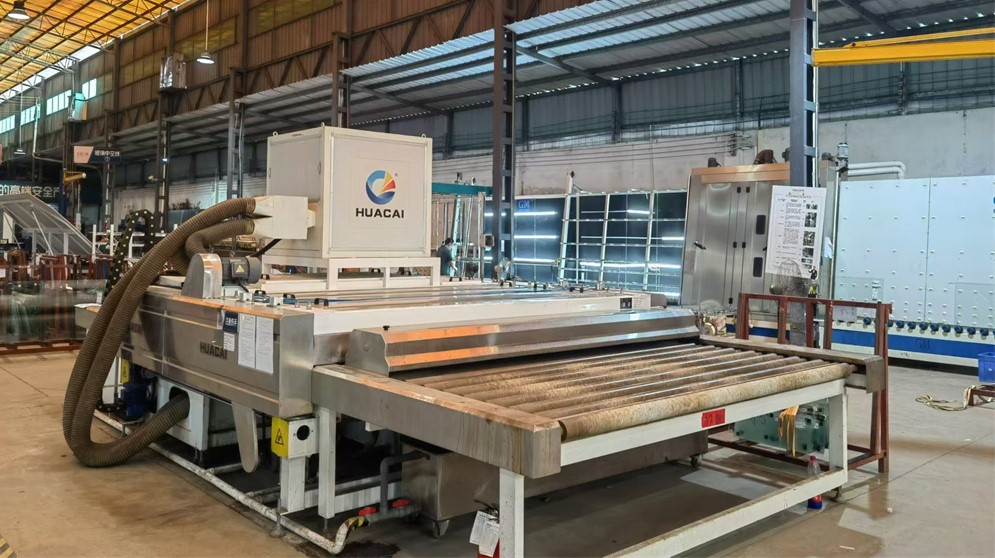
Deionized water washed ultra-clear low-iron tempered glass units with hydrophobic self-cleaning coatings ideal for Tokyo high-rise facades.
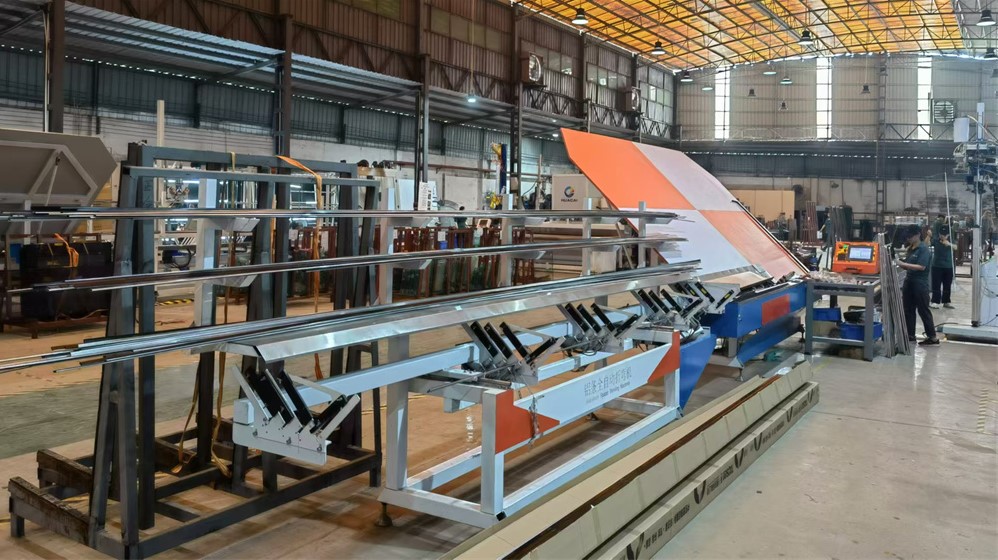
Precision cold-bend profile processing supporting bespoke architectural heritage restoration and modern organic facade designs across Tokyo.
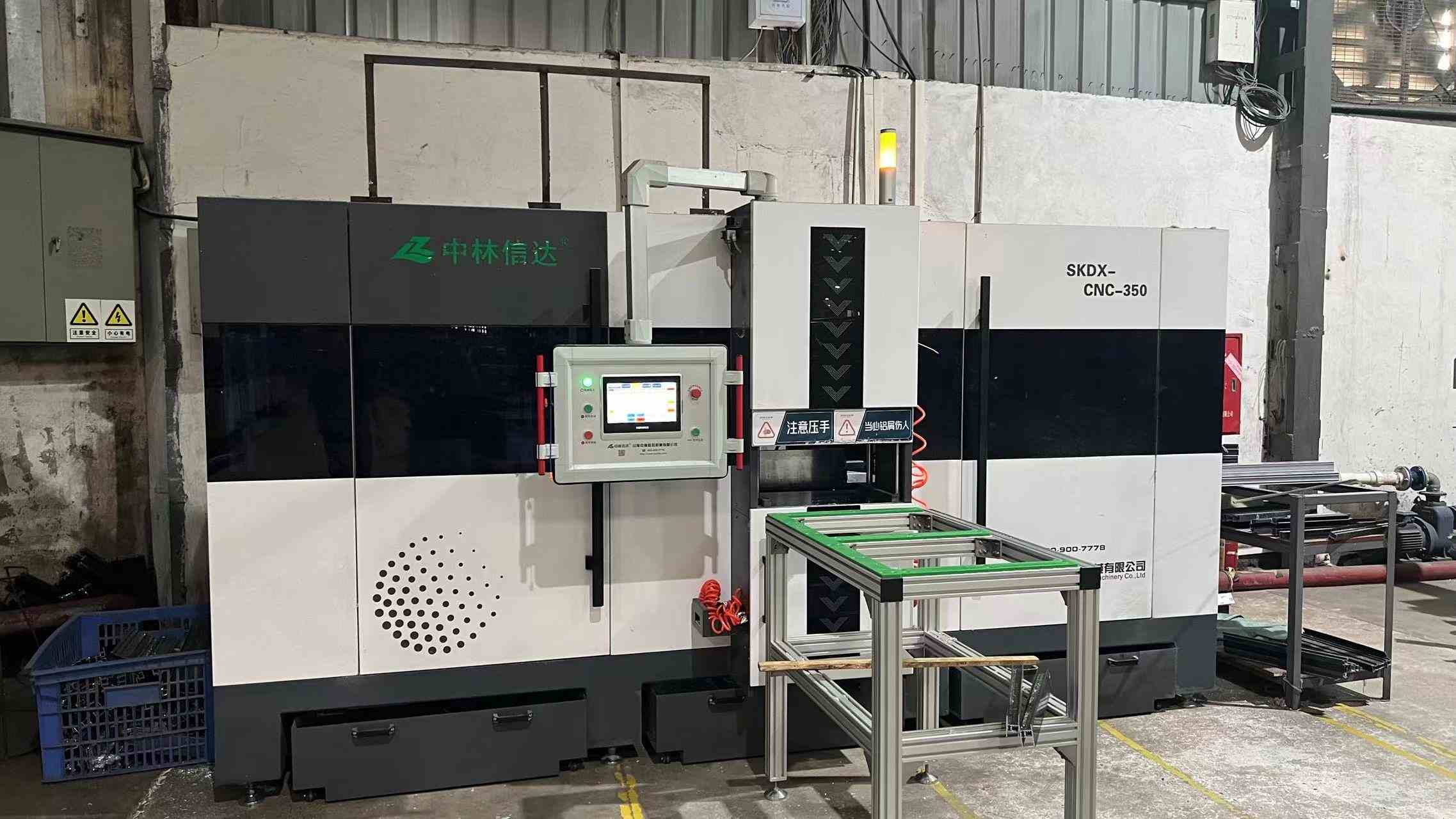
Automatic end-milled transom and mullion joint connections ensuring zero micro-gaps for severe weather resistance in Tokyo coastal zones.
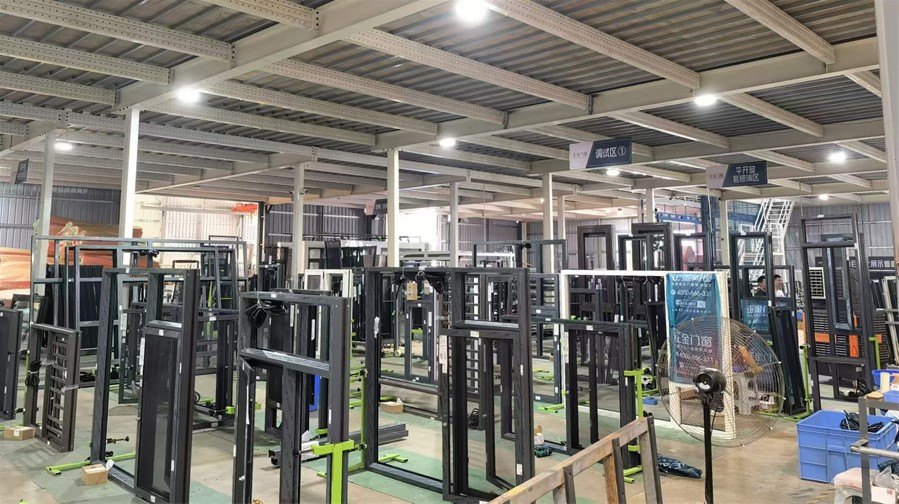
UL fire-rated entry door systems featuring multi-factor biometric smart locks, thermal break cores, and integrated facial recognition for luxury Tokyo apartments.
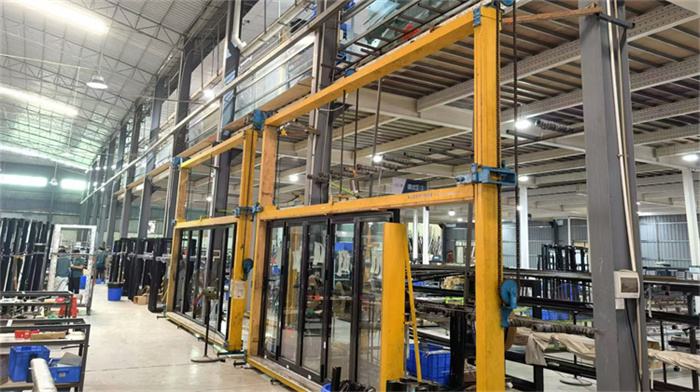
Pre-shipment rig calibration verifying opening-closing smooth force (< 20N) and continuous rubber gasket compression for Tokyo commercial projects.
Unitized thermal break curtain wall modules optimized for rapid cranes-on-site assembly in Tokyo's tight urban construction environments.
European-style tilt and turn dual-function hardware allowing optimal secure ventilation alongside high acoustic isolation in dense urban zones.
Ultra-slim sightline lift & slide patio door systems featuring heavy-duty stainless steel rollers capable of supporting sash weights up to 400kg.
Everything Tokyo developers and general contractors need to know about sourcing certified Passive House fenestration from China.
Our engineered Passive House aluminum and timber-clad window systems achieve overall thermal transmittance ($U_w$) values ranging from 0.68 W/m²K to 0.78 W/m²K, exceeding both the Passive House Institute (PHI) standard (≤ 0.80 W/m²K) and the Tokyo Zero Emission House Tier 3 standards.
Our products undergo rigorous dynamic wind load pressure testing up to 6000 Pa (exceeding JIS A 4706 Grade S-6) and water tightness testing up to 1000 Pa (Grade W-5+). Structural frames incorporate flexible seismic expansion anchors engineered to absorb lateral inter-story drift during Japanese earthquakes without glass fracture or seal failure.
For standard architectural specifications, our factory lead time is 25 to 35 days from shop drawing approval. Direct ocean freight from Ningbo/Shanghai port to Tokyo Port takes approximately 3 to 5 days, enabling an exceptionally fast total delivery cycle of under 6 weeks.
Yes. Supported by 350 skilled R&D engineers, we specialize in complete OEM/ODM customization. We can adjust profile frame depths, powder-coated finishes (Kynar 500 / PVDF), wood grain finishes, triple glass coatings, and custom hardware integration to meet project-specific CAD/BIM drawings.
Our manufacturing plant operates under strict ISO9001 quality management guidelines. Product lines hold official CE, UL fire-rated, and hurricane-impact certifications, validated through rigorous third-party testing labs.
 Shieldoors