Explore our certified range of custom aluminum pivot systems, thermal break folding doors, and hurricane impact-rated envelope solutions.
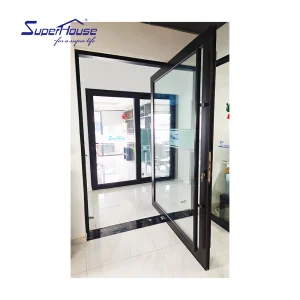
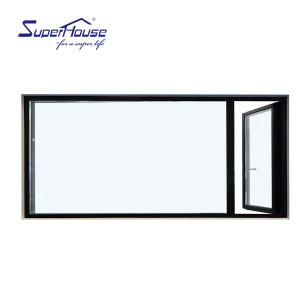
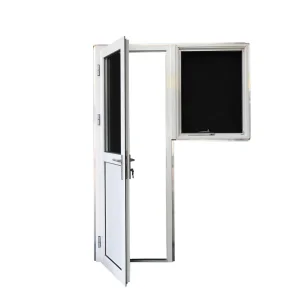
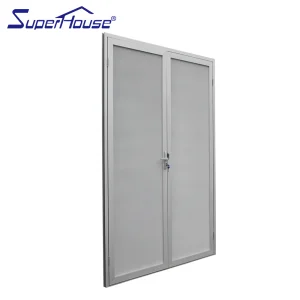
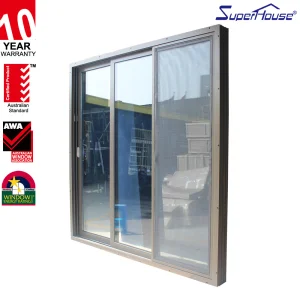
The global architectural fenestration sector has undergone a structural paradigm shift over the past decade. Modern commercial landmarks, ultra-luxury residential estates, and high-density mixed-use developments are increasingly abandoning traditional butt-hinged door configurations in favor of large-format custom pivot door systems. Operating on a vertical axis supported by floor-mounted hydraulic pins and overhead pivot spindles, these systems overcome the fundamental structural weight limitations inherent to traditional side-hinged door frames.
From a global macroeconomic perspective, the market demand for oversized architectural pivot doors is driven by three main factors: advancing luxury real estate design trends emphasizing fluid indoor-outdoor transitions, strict building thermal performance standards (such as NFRC and Passive House standards), and an increased requirement for extreme weather resistance in tropical and hurricane-prone coastal zones (including Florida HVHZ and Australian Cyclone Regions).
As structural openings scale beyond 3 meters in height and 2 meters in width, standard hinge configurations experience significant shear stress, frame sag, and perimeter seal degradation over time. Custom pivot doors distribute panel self-weight downward onto a heavy-duty floor closer rather than transferring lateral tension exclusively to the vertical side jamb. This mechanical advantage allows architects to specify single-panel grand entrances weighing up to 1,000 kg while maintaining effort-free, soft-closing operation and reliable air/water tightness integrity.
A Recognized Industry Pioneer in Precision Door & Window Systems Manufacturing
Established in 2016, Zhejiang Shieldoors Security Technology Co., Ltd. operates out of a state-of-the-art 45,000 m² industrial production campus. Built upon 10 years of domestic engineering leadership and 6 years of deep international trade expertise, our annual global export revenue reached USD 42,000,000 in the last fiscal cycle.
Our commitment to technical rigor is maintained through strict ISO9001-certified quality management frameworks and third-party laboratory accreditations. Our product lines hold full certification for CE marking, UL fire-resistance ratings, Florida Miami-Dade NOA, NFRC thermal performance compliance, FPA, and Australian AS2047 standard validation.
A specialized quality assurance team of 78 QC specialists monitors every stage of raw extrusion, thermal break insertion, structural glazing, and hardware calibration. Backed by 350 skilled R&D engineers, we introduced 450 new customized architectural designs last year alone, serving global developers across North America, Australia, Europe, and Southeast Asia.
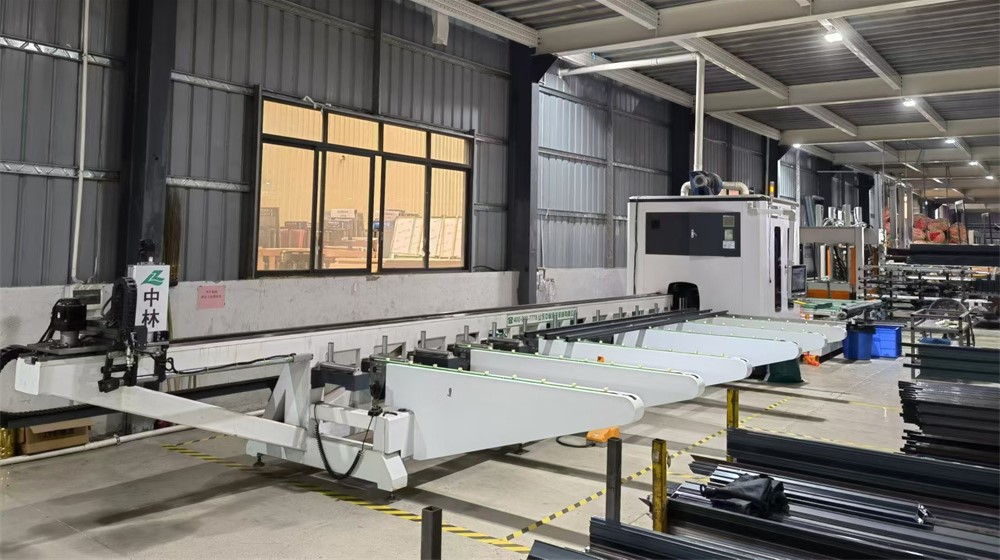
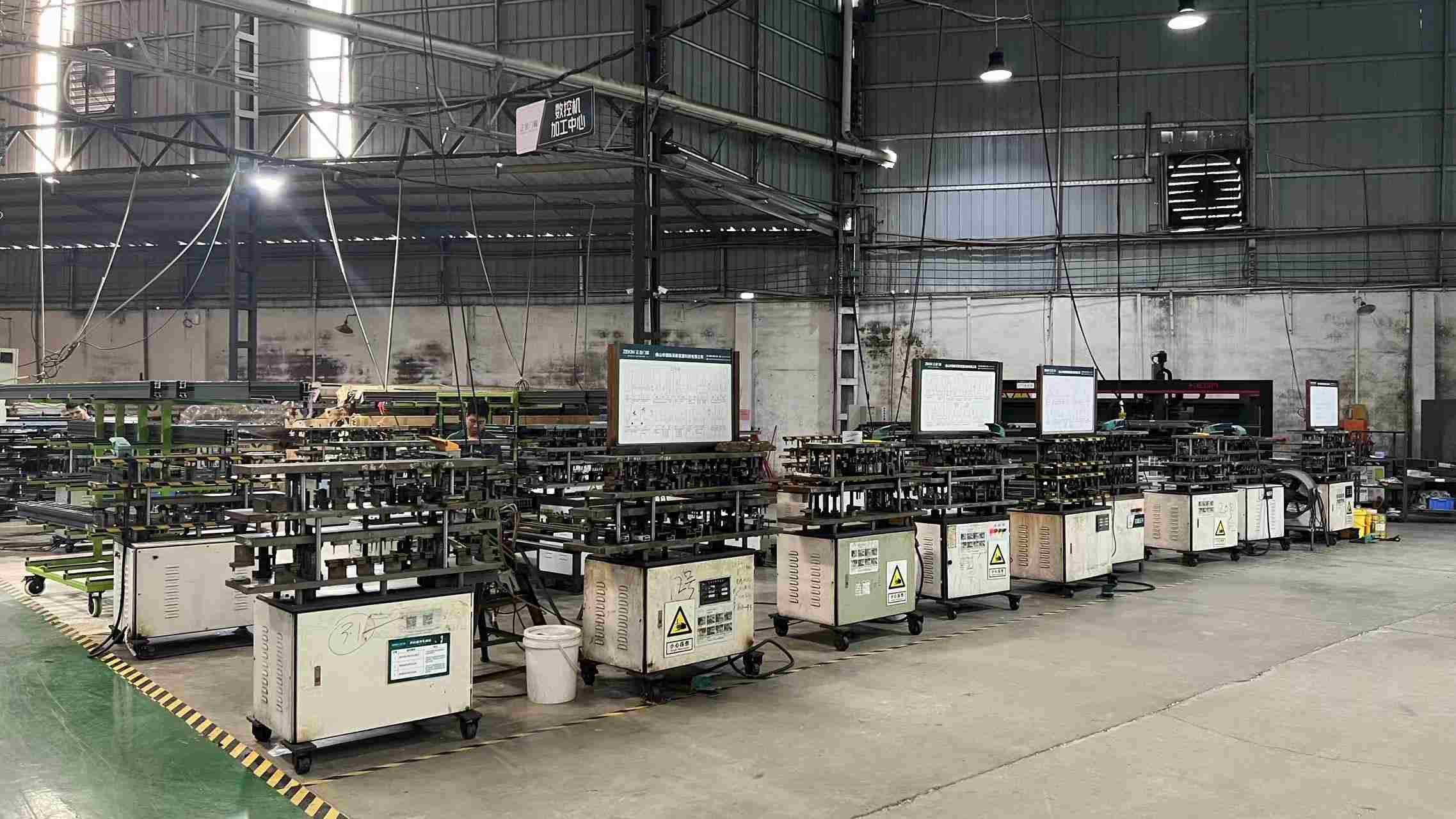
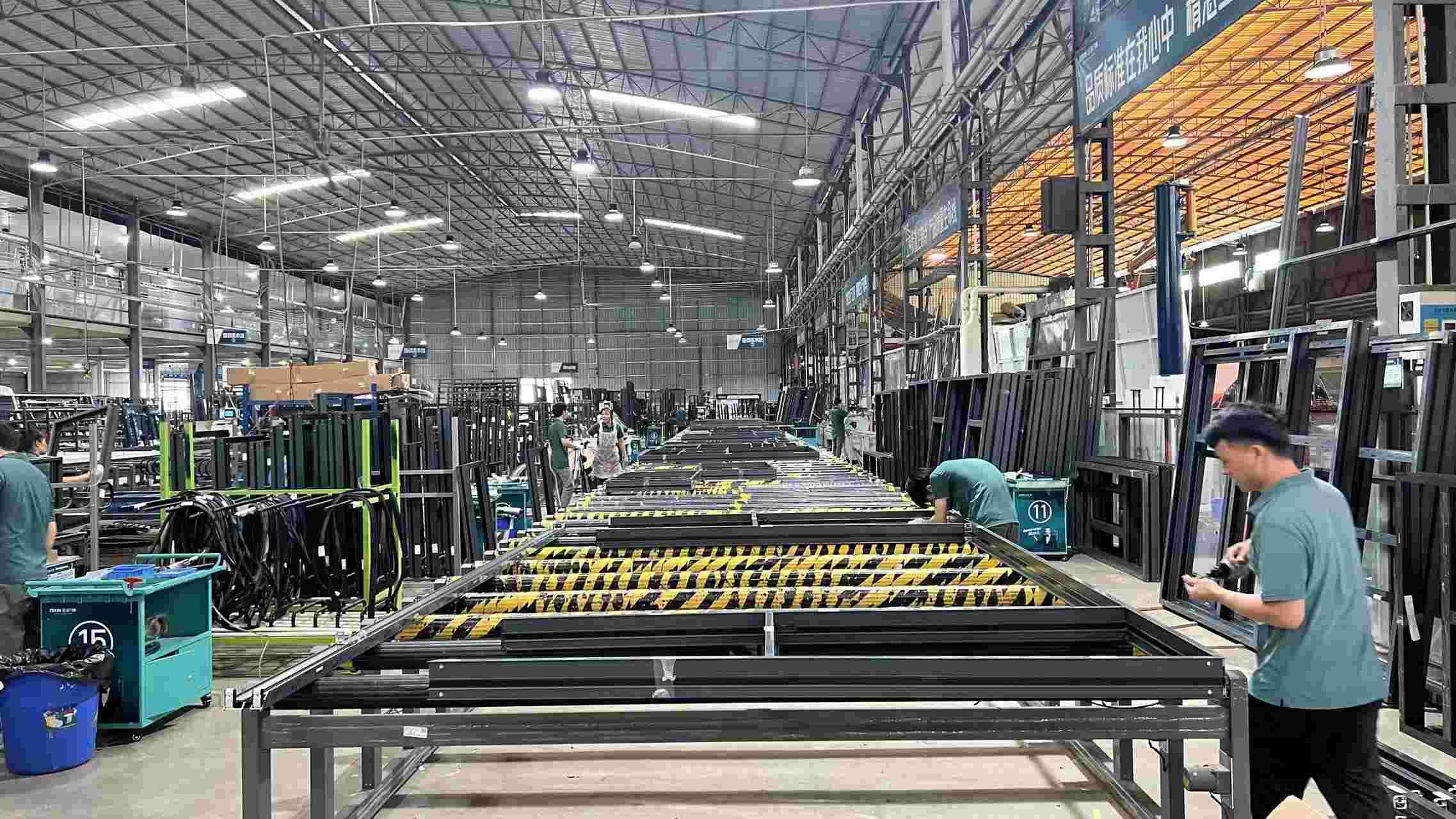
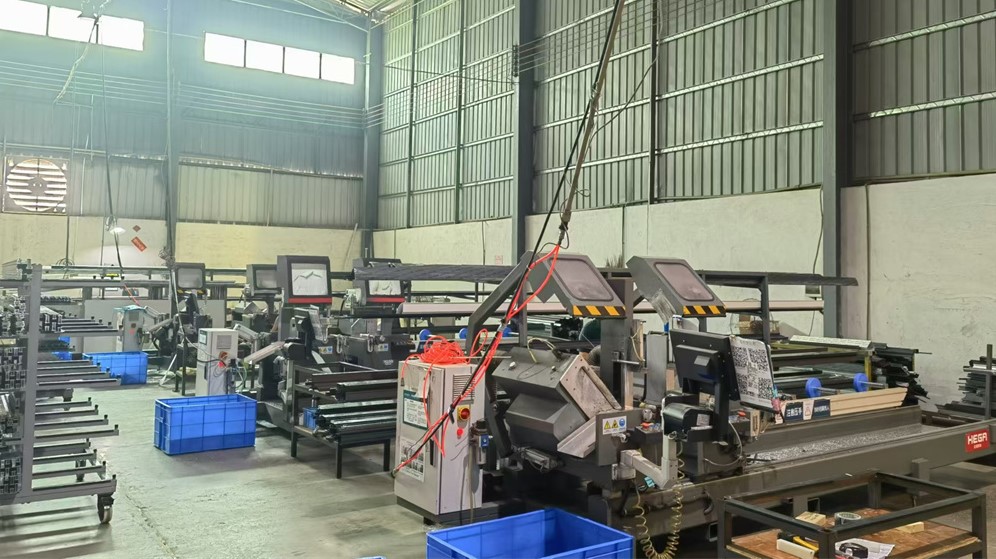
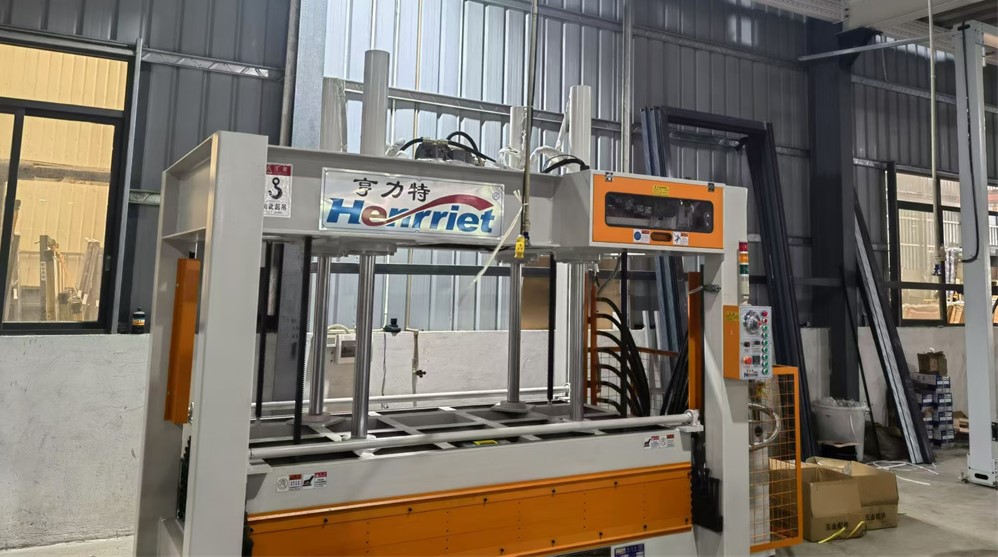
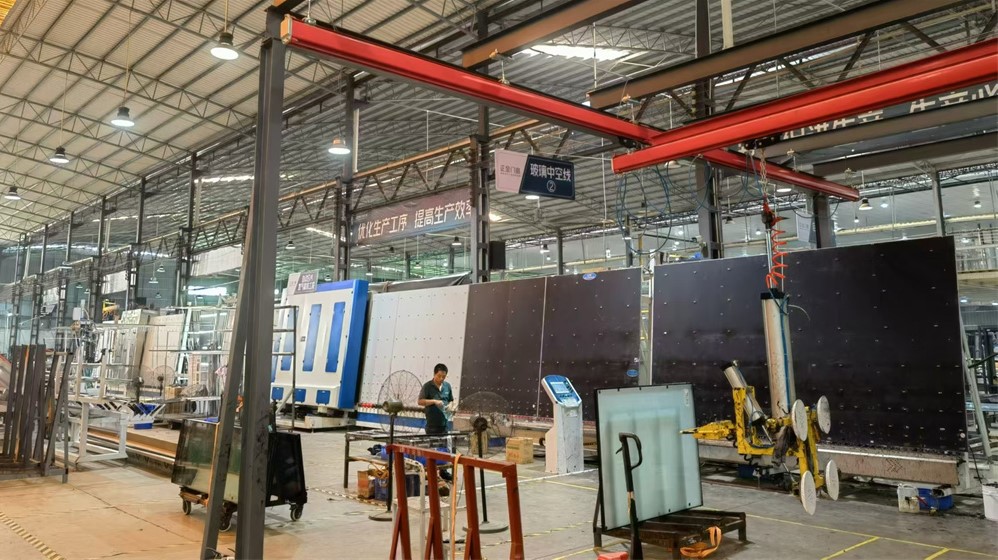
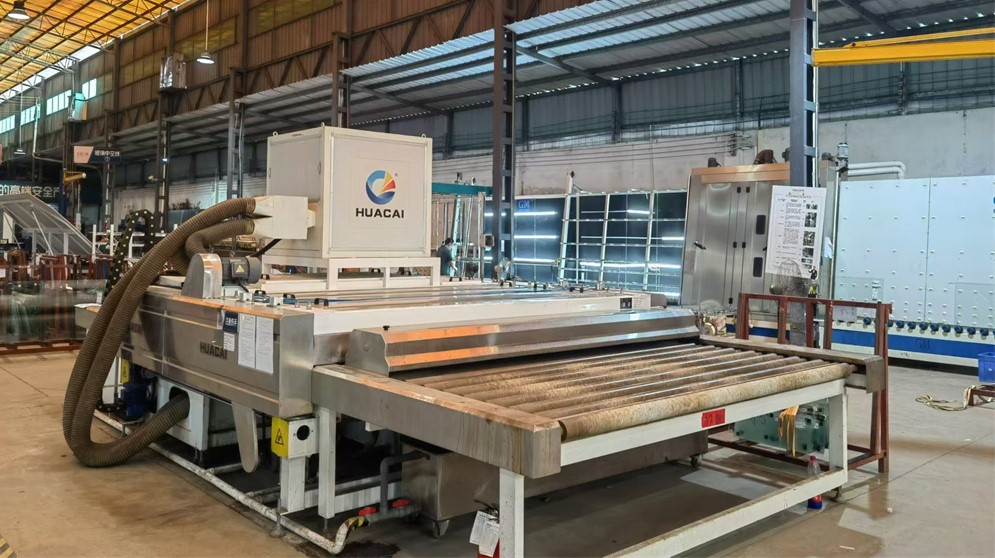
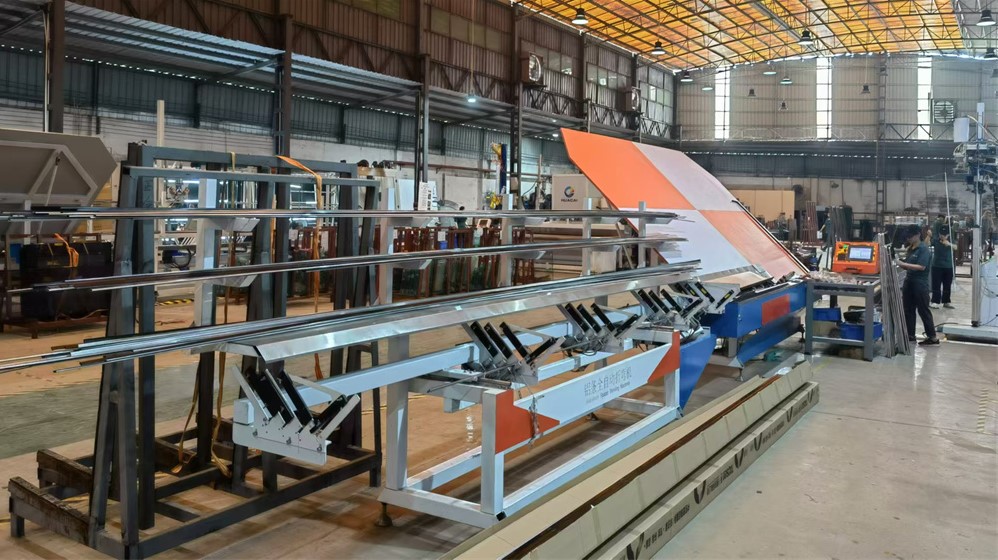
End-to-end automated control ensuring tight fabrication tolerances and reliable structural assembly.
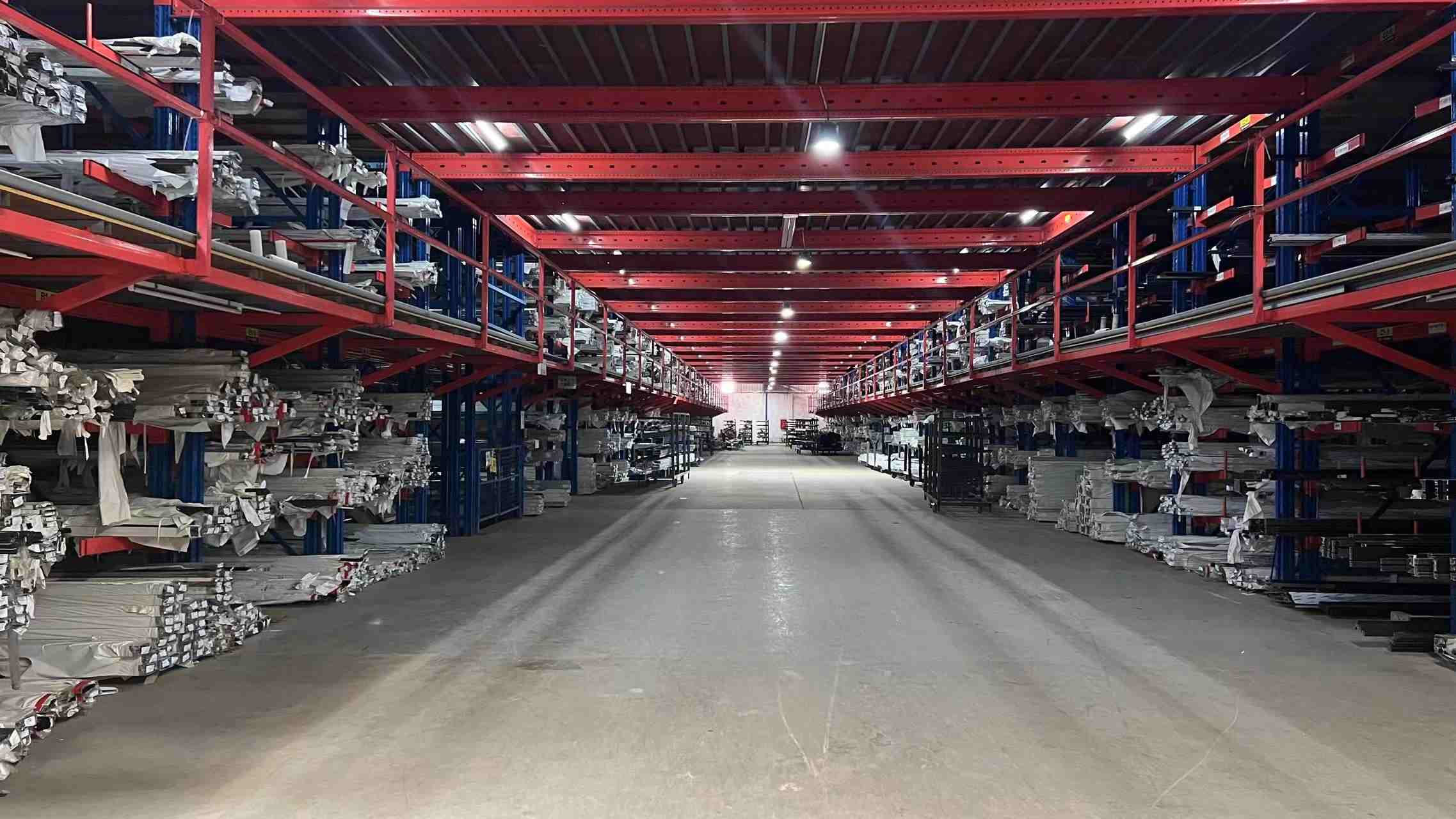
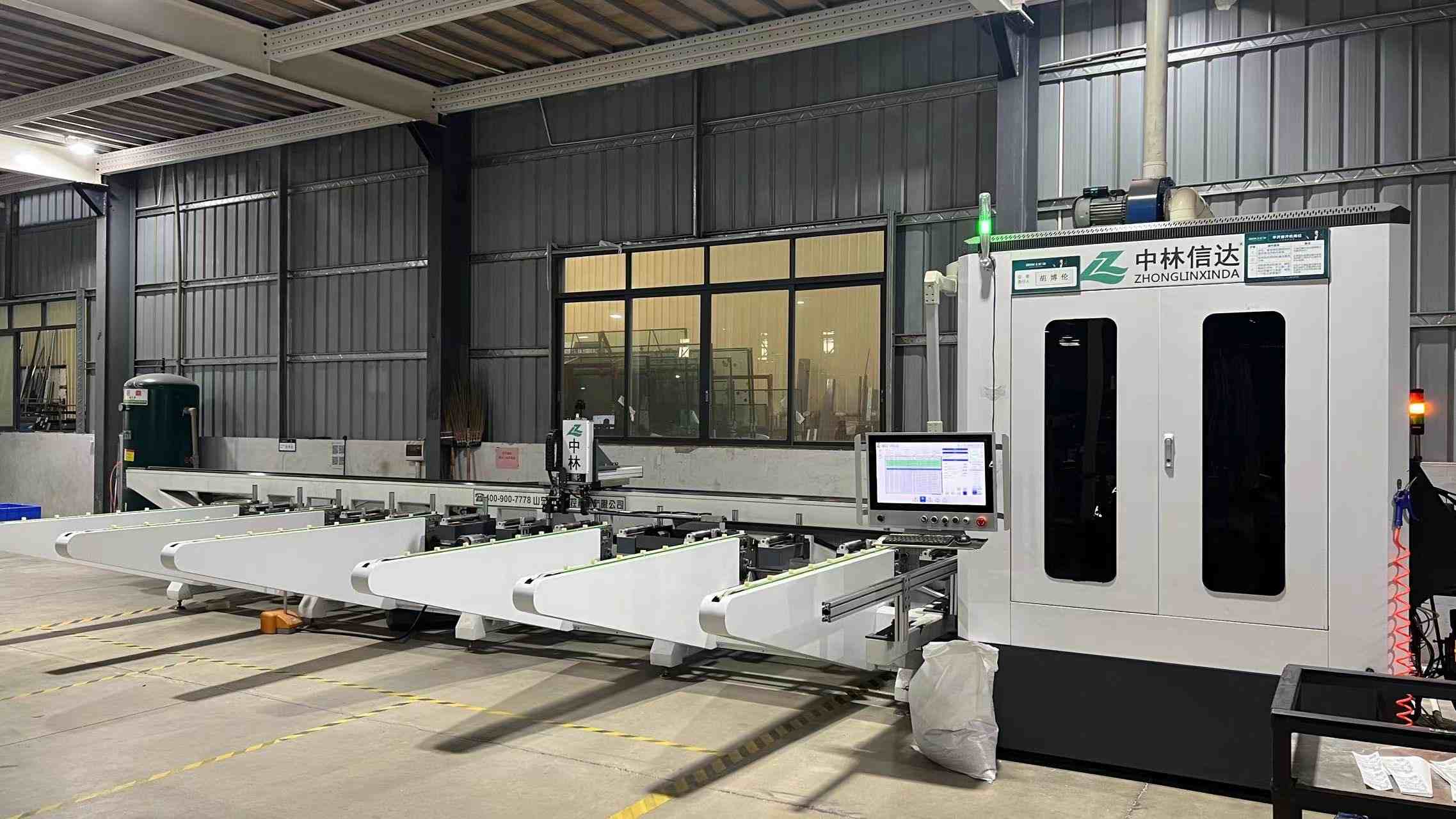
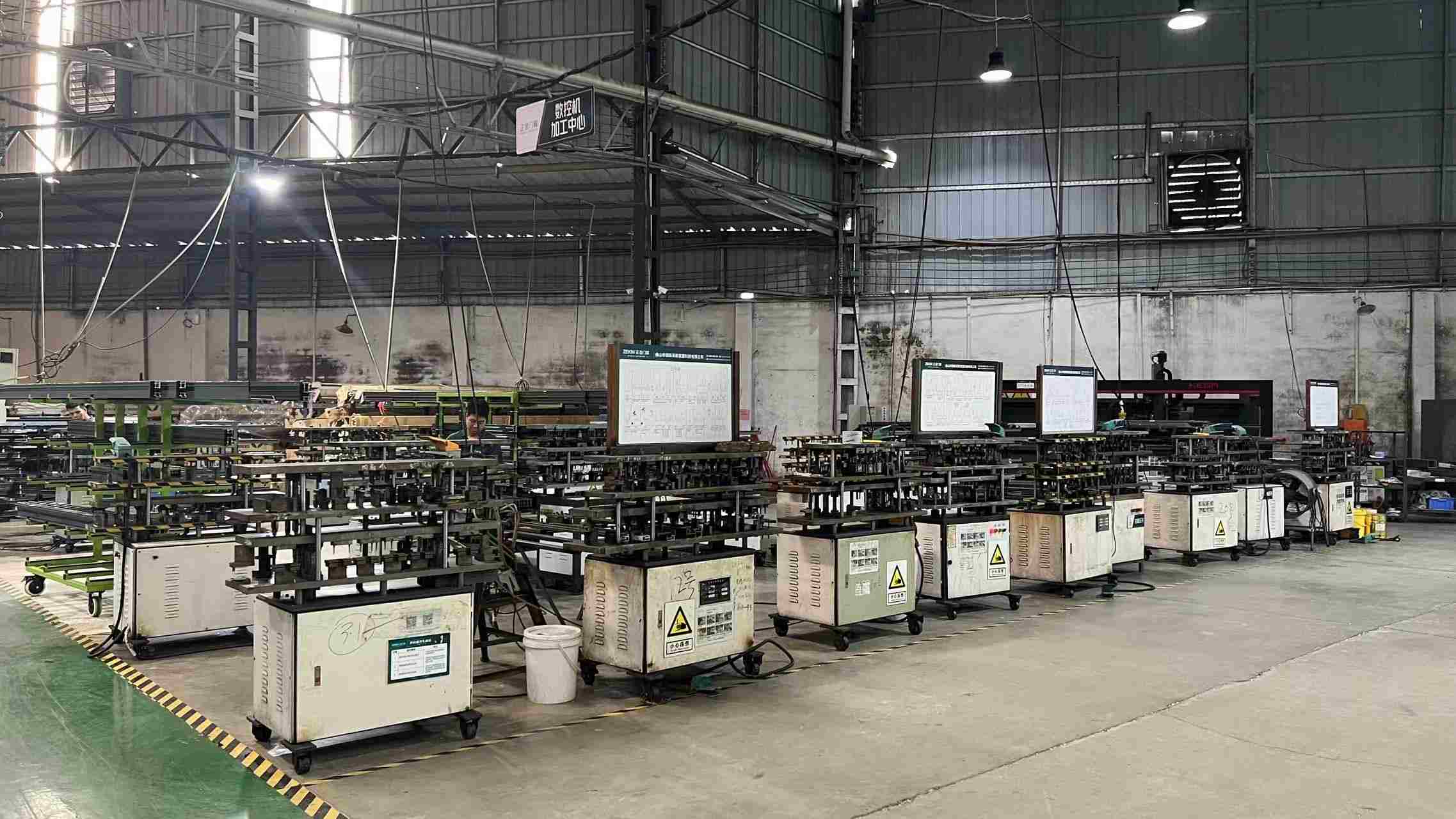
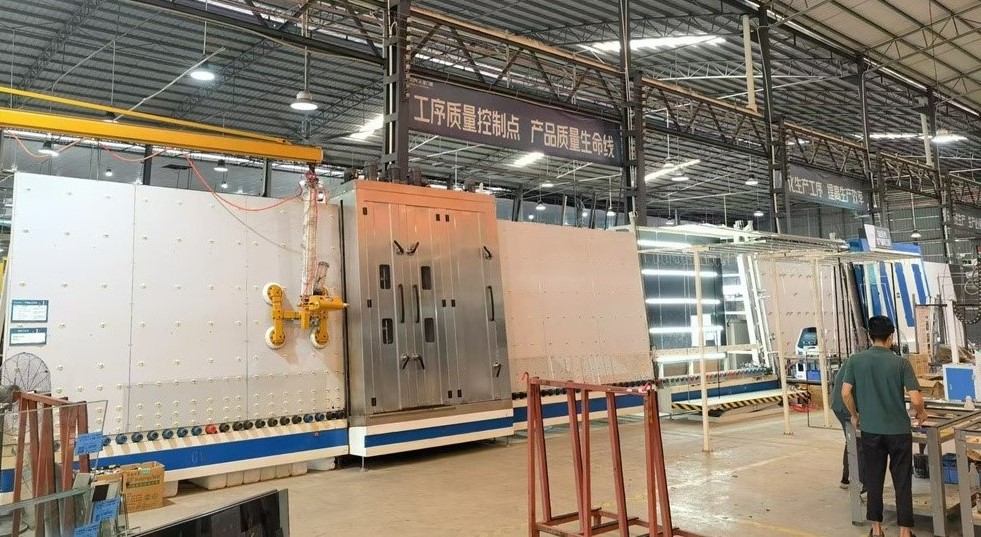
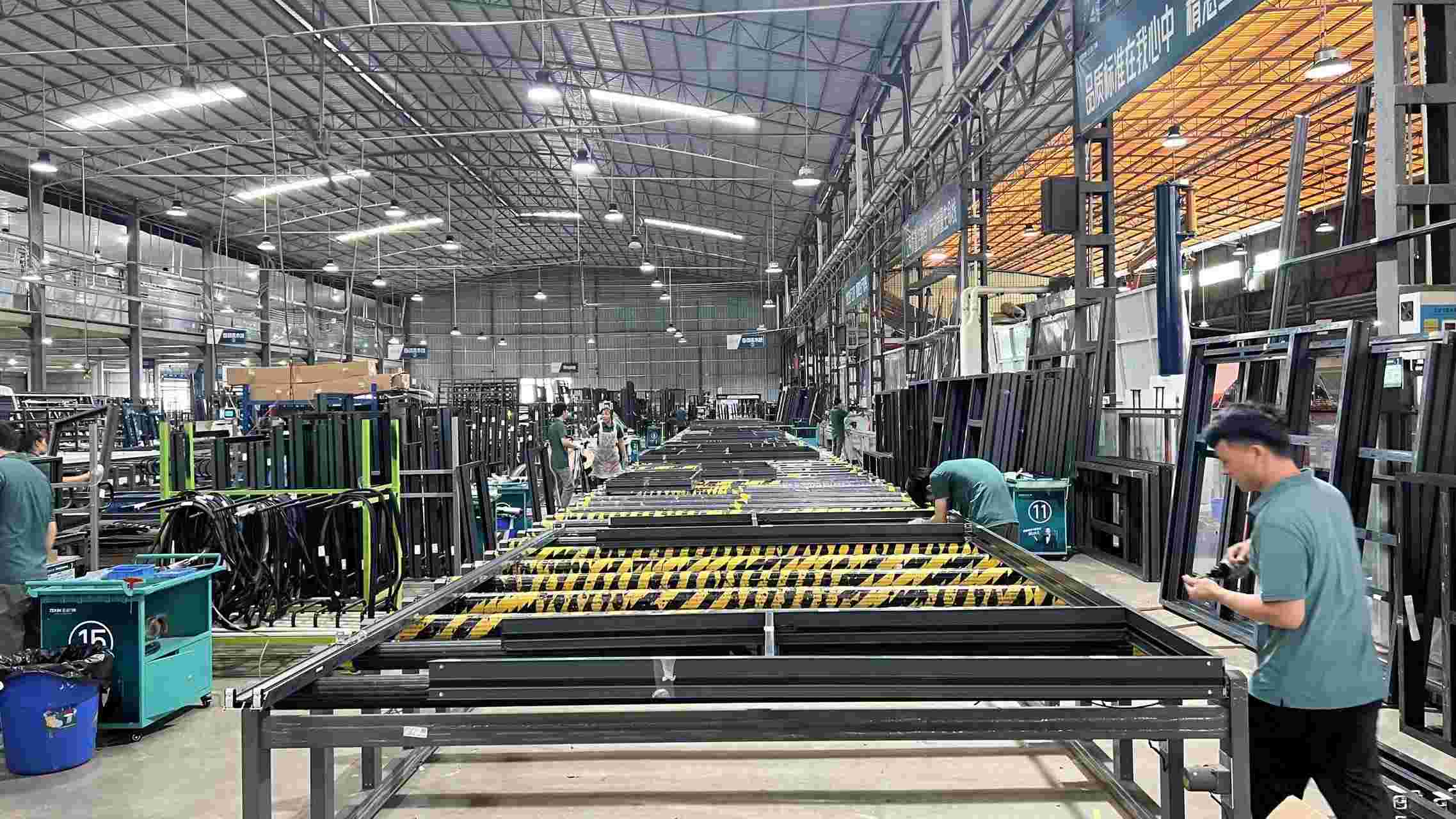
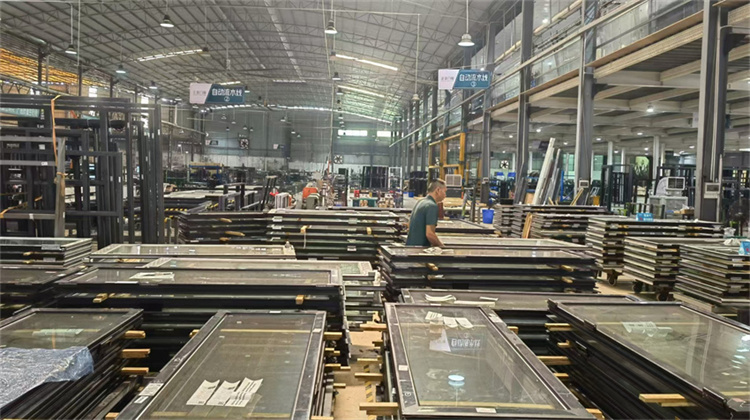
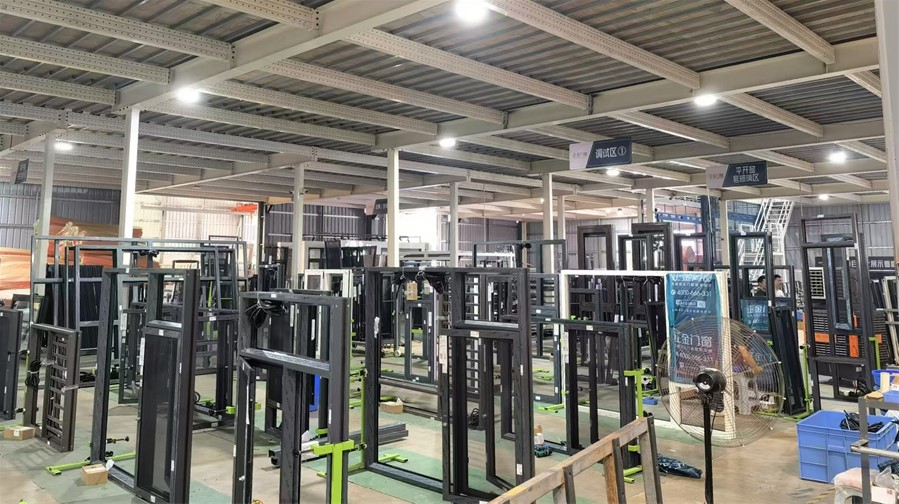
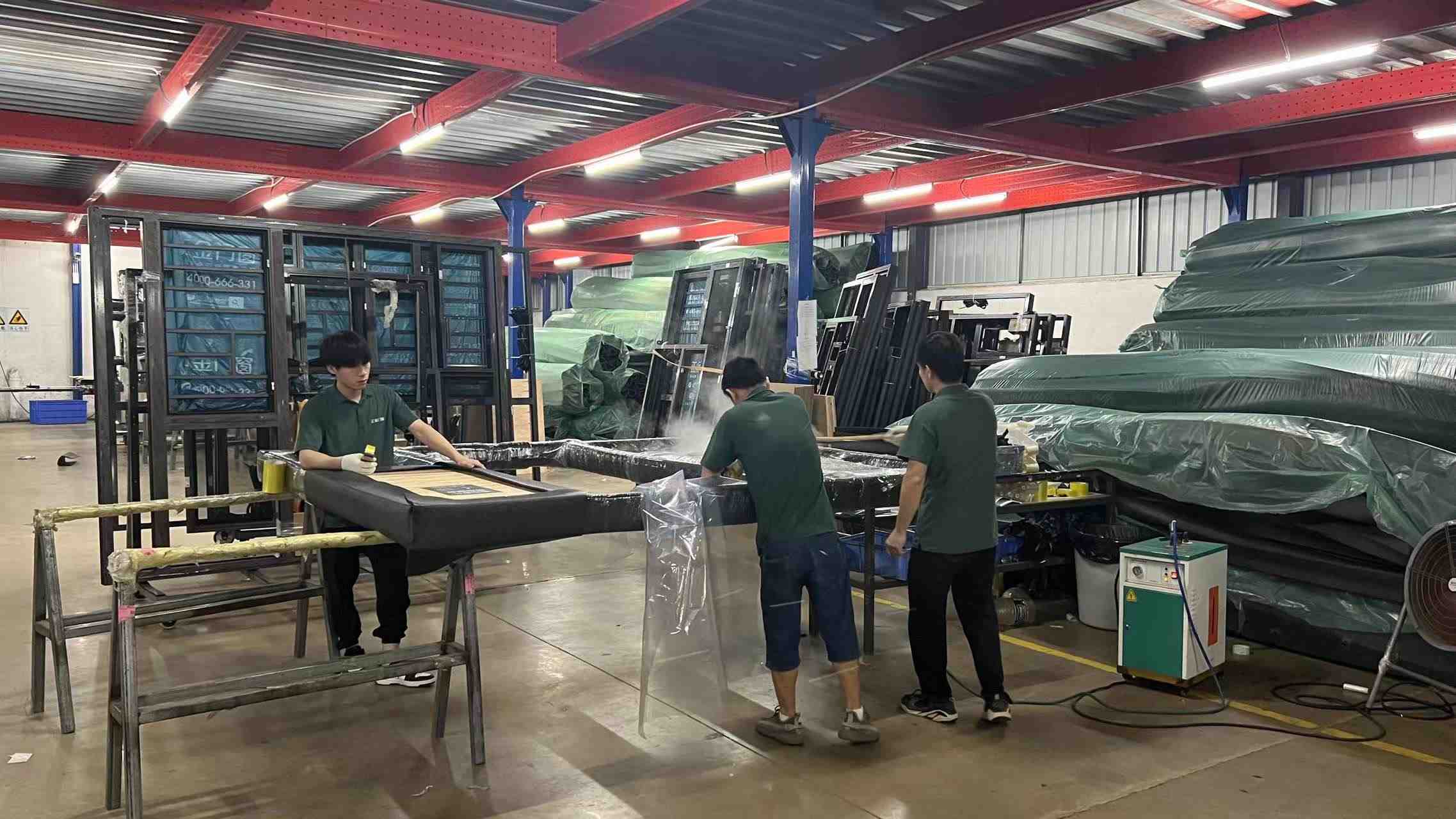
Our facility integrates high-precision CNC machinery to ensure angular alignment within ±0.2mm tolerances across large custom pivot assemblies.
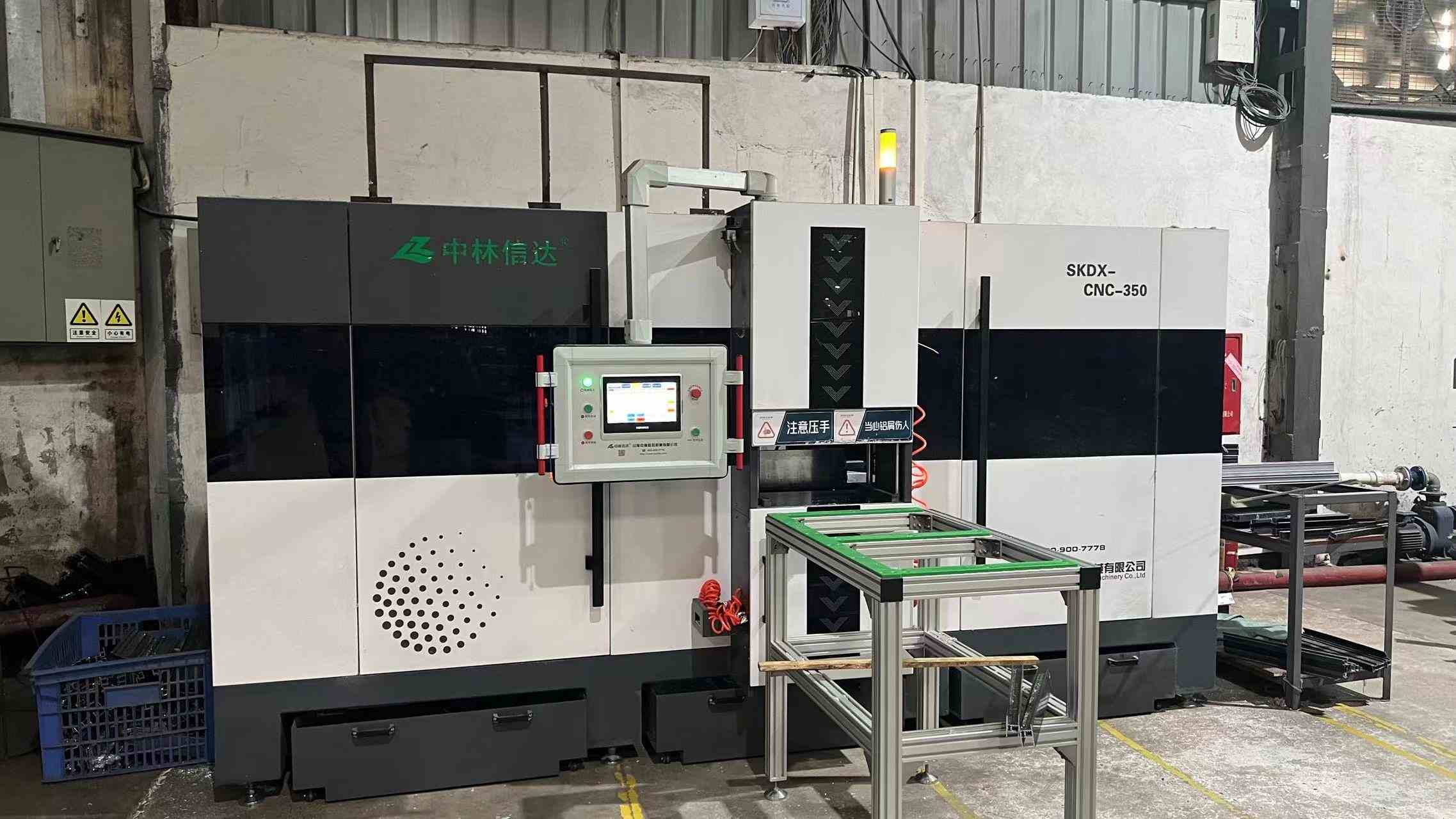
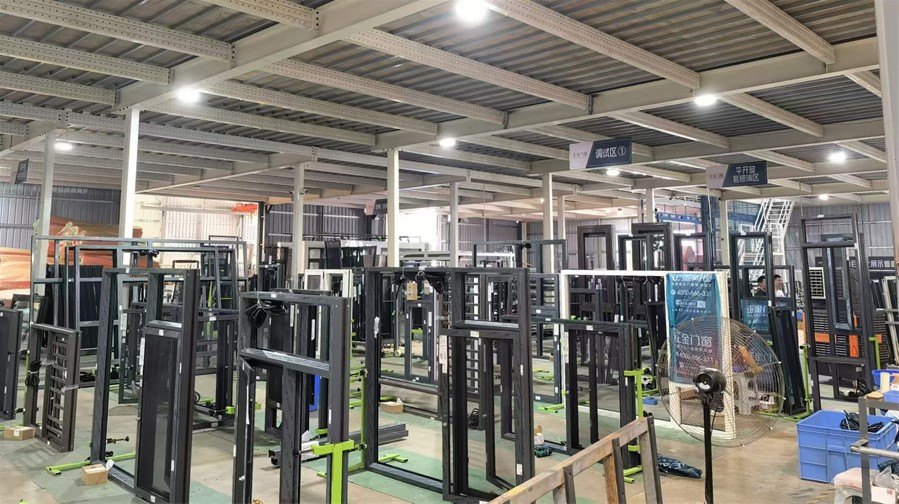
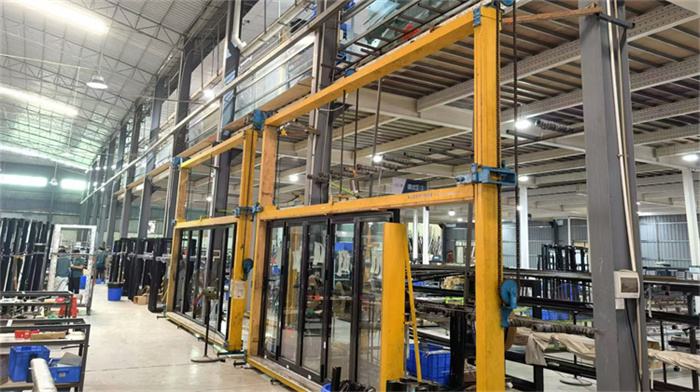
Engineering load distribution, thermal breaks, and atmospheric weather sealing.
Unlike hinges that exert cantilever leverage on side frames, custom pivot doors transfer panel load vertically into the slab. Utilizing integrated Dormakaba or FritsJurgens hydraulic pivot spindles, our doors accommodate panel weights up to 1,000 kg with variable rotation limits (90°, 180°, or 360° total rotation) and hold-open functionality.
To prevent condensation and lower structural thermal conductivity, our profiles utilize high-grade Technoform polyamides (PA66-GF25 reinforced with 25% fiberglass). This engineering technique physically separates interior and exterior aluminum profiles, helping reduce overall system U-values down to 0.85 W/m²K.
Addressing a key weakness of oversized pivot doors—air infiltration along top and bottom horizontal gaps—our systems incorporate continuous quad-blade EPDM rubber gaskets combined with drop-down automatic weather seal plungers that deploy upon door closure.
| Engineering Specification | Standard Hinged Commercial Door | Shieldoors Heavy-Duty Custom Pivot System |
|---|---|---|
| Maximum Panel Weight Limit | 120 kg - 180 kg | 800 kg - 1,200 kg |
| Maximum Dimension Envelope | 1200mm (W) x 2400mm (H) | 3000mm (W) x 6000mm (H) per Leaf |
| Thermal Transmittance (U-Factor) | 2.2 - 3.5 W/m²K | 0.85 - 1.2 W/m²K (Thermal Break & Low-E Triple IGUs) |
| Wind Pressure Resistance (DP) | +30 / -30 PSF | +70 / -70 PSF (HVHZ Miami-Dade NOA Compliant) |
| Locking Security Points | Single to 3-Point Deadbolt | 5 to 7-Point Motorized Automatic Electric Drop-Bolts |
Customized window and door systems designed to meet localized climatic, structural, and regulatory criteria worldwide.
For coastal projects in South Florida, Texas, and the Caribbean basin, pivot doors must endure high design wind pressures and large missile impact loads without structural seal compromise. Shieldoors engineered pivot frames feature reinforced 6063-T6 aluminum alloys with SentryGlas® (SGP) laminated glass interlayers. Tested under ASTM E1886/E1996 standards, these doors provide high wind-borne debris protection while maintaining thermal compliance under NFRC thermal metrics.
The Australian continent requires window and door systems to handle extreme weather, UV exposure, and bushfire hazards (BAL ratings). Our pivot systems are validated under AS2047 (Windows and External Glazed Doors in Buildings) and AS1288 glass selection standards. Featuring acoustic glass configurations that mitigate up to 45 dB of external noise, they are suitable for high-density metropolitan developments in Sydney and Melbourne or coastal environments along the Gold Coast.
In Northern and Central Europe, building envelopes focus heavily on thermal efficiency and air tightness. By utilizing 3-chamber thermal breaks and triple-glazed krypton-filled insulating glass units (IGUs), our custom pivot doors achieve low U-values compliant with Passive House criteria, while dual-swallowing weather strip seals prevent air infiltration up to Class 4 limits under EN 12207.
High relative humidity and tropical downpours demand robust water drainage and corrosion-resistant hardware coatings. Our pivot door frames utilize anodized surface treatments (25 microns) or Fluorocarbon PVDF coatings (3-coat system) that resist salt-spray corrosion, paired with concealed internal drainage channels that channel water away from the interior threshold during intense monsoons.
The convergence of smart home automation, structural material science, and clean building technology.
Next-generation pivot doors are shifting from passive building components to active security access points. Shieldoors R&D is standardizing non-contact facial recognition modules, biometric fingerprint scanners embedded directly into vertical pull handles, and automated motor-driven pivot openers controllable via smartphone apps and central smart home hubs.
Integrating Photovoltaic (BIPV) solar glass and dynamic electrochromic glass within massive pivot door panels allows total control over light transmission and solar gain. With the push of a button or an automated sensor trigger, the glass transitions from fully transparent to opaque, generating auxiliary electricity while eliminating the need for interior window shades.
Replacing traditional double or triple IGUs with ultra-thin Vacuum Insulated Glass panels dramatically reduces panel overall thickness and weight without sacrificing thermal performance. A 10mm VIG unit achieves lower thermal conductivity than a standard 40mm triple-glazed panel, enabling sleek door profiles with superior structural structural rigidity.
Tailored structural entrance configurations designed for major architectural project categories.
For high-end villas and custom-built homes, grand pivot entry doors serve as a central focal point. Options include authentic solid timber overlays, metallic bronze finishes, or stone veneer surfaces combined with full-height structural glass sidelights.
Commercial building lobbies require high traffic capacity and reliable automated locking. Shieldoors offers heavy-duty motorized pivot solutions featuring magnetic card readers, emergency egress panic hardware integrations, and wind-load dampening floor spring assemblies.
High-end coastal resorts demand expansive structural openings with resistance to marine atmospheric corrosion. Our custom pivot systems utilize marine-grade 316 stainless steel hardware, triple EPDM gaskets, and PVDF-coated aluminum frames that endure high humidity and wind-driven sea spray.
In-depth technical answers for structural engineers, project architects, and general contractors.
Weather-tightness in high-end pivot systems is achieved through a multi-tiered sealing system. Unlike standard doors with continuous perimeter frames, pivot doors rotate on an axis, leaving minimal physical clearance top and bottom. Shieldoors addresses this using drop-down automatic bottom seals engineered with internal magnetic or spring-loaded triggers. When the door leaf aligns with the frame, the seal drops down to compress against the floor threshold. Concurrently, top EPDM gasket fins interlock with structural brush seals, stopping draft and water ingress under high wind pressures.
Installing a heavy-duty pivot system requires pre-planning during slab pouring or floor recessing. Hydraulic floor closers (such as Dormakaba BTS series) require a cement box pocket cut into the concrete slab, typically measuring 60mm to 90mm in depth. The sub-floor must be structurally sound and level to carry vertical loads up to 1,000 kg. Alternatively, for retrofit projects where floor trenching is not permitted, Shieldoors offers top-and-bottom pin pivot hardware configurations where the hydraulic dampening system is built entirely inside the aluminum bottom door profile, requiring only minor anchors into the finished floor.
Yes. While tempered double or triple-glazed architectural glass is popular, our structural aluminum internal skeleton supports a wide variety of custom infills. These include solid architectural wood veneers (Teak, Oak, Walnut), natural ultra-thin granite or marble stone panels, sintered stone slabs, ceramic slating, oxidized copper plates, and custom powder-coated geometric aluminum panels. The internal framework incorporates balanced counterweights to ensure fluid pivot operation regardless of material choice.
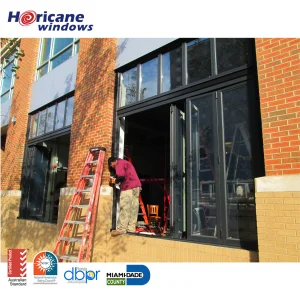
To obtain Florida Miami-Dade NOA approval and meet High-Velocity Hurricane Zone (HVHZ) requirements, our pivot systems undergo cyclic wind pressure loading (+70/-70 PSF) and large missile impact testing (8-foot 2x4 lumber shot at 50 feet per second). The construction utilizes heavy-wall extruded T6-6063 aluminum frames, internal steel stiffeners, structural silicone glazing (SSG) with Dow Corning 995, and DuPont SentryGlas® (SGP) laminated glass. When impacted, the glass shatters but remains bonded to the structural interlayer, keeping the building envelope intact.
Discover our full line of energy-efficient stacker doors, hurricane casements, bi-folding commercial systems, and multi-track solutions.

 Shieldoors