The global high security entry door market has entered a transformative era driven by geopolitical volatility, climate extremes, and the rapid digitization of building security access points. Moving beyond simple physical barriers, modern high-security entry assemblies represent complex engineering matrices that fuse high-tensile structural metallurgy, ballistic-rated glazing, environmental thermal breaks, and IoT-enabled biometrics.
Market Analysis Projection: The global market for structural high-security doors is expanding at a compound annual growth rate (CAGR) of 6.8%, reaching an estimated valuation of $7.4 Billion by 2028. Demand is primarily driven by North American hurricane resilience mandates, European RC3/RC4 burglar resistance standards, and luxury residential requests for panic-room level exterior security.
Modern entry systems must counter dual threats: physical intrusion via high-footprint mechanical tooling and digital breach via smart access hacks. Leading factories now integrate encrypted electromechanical multi-point locking (EN 14846) directly with building management systems (BMS).
Energy mandates such as Energy Star 7.0 and NFRC certifications dictate that high-security steel and extruded aluminum doors must deliver exceptional thermal insulation (U-factors below 0.18 BTU/h·ft²·°F) without compromising anti-burglary or blast resilience.
From ASTM F3038 forced-entry testing to High-Velocity Hurricane Zones (HVHZ) requirements, manufacturers are pushed to deploy multi-layer laminated SentryGlas® interlayers combined with heavy-gauge 6063-T6 aluminum or cold-rolled steel cores.
| Manufacturer Name | Primary Market / HQ | Core Engineering Specialty | Key Certifications | Factory Footprint & Production Capacity |
|---|---|---|---|---|
| Zhejiang Shieldoors Security Tech | China / Global Export | Thermal Break Aluminum, Smart Security Integration & Custom Panel Engineering | ISO9001, CE, UL Fire-Rated, NOA Hurricane, NFRC, AS2047 | 45,000 m² Base; 350 R&D Engineers; USD 42M Export Output |
| Hörmann Group | Germany / Europe | Industrial Security Doors, Steel Security Main Entrances (ThermoCarbon series) | EN 1627 RC4, DIN ISO 9001, SKG*** | Global multi-factory network; over 40 specialized plants |
| ASSA ABLOY Security Doors | Sweden / Global | High-security electromechanical locks, commercial blast/bullet doors | UL 752 Ballistic, EN 1522, ANSI/BHMA A156 | Extensive global OEM manufacturing facilities |
| Biffar Gmbh | Germany | Luxury Residential Security Doors with customized aluminum cladding | VdS certified, EN 1627 RC3/RC4 | Custom automated precision production facility in Edenkoben |
| Codel Entry Systems | United States | Fiberglass & Steel Coastal Security Systems with impact ratings | Florida Building Code HVHZ, NFRC Energy Star | North American assembly & distribution hubs |
| Tord William Security | United Kingdom | Steel security door sets for government and critical infrastructure | LPS 1175 SR2 to SR5, Secured by Design (SBD) | Specialized UK fabrication center |
| Formawall Architectural | United States | Curtain wall integration & heavy-duty commercial entry portals | ASTM E330, AAMA 501, LEED Gold compliance | Large-scale automated metal extrusion plant |
| Fort Engineering Doors | Israel | Blast-resistant, anti-terrorist, structural defense entry barriers | IDF Defense Specs, NATO Standard STANAG 2280 | Heavy steel forging and defensive material facility |
| Shield Security Doors UK | United Kingdom | Bespoke structural apartment front entry doors with acoustic cores | BS EN 1627 Class 3, PAS 24 Enhanced Security | European automated assembly facility |
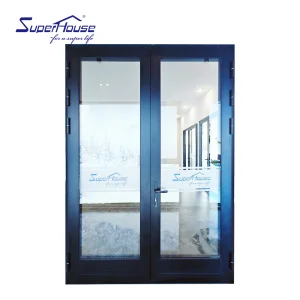
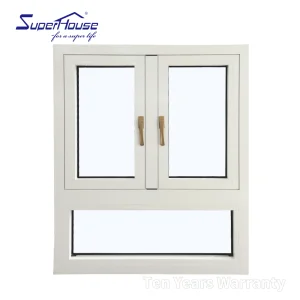
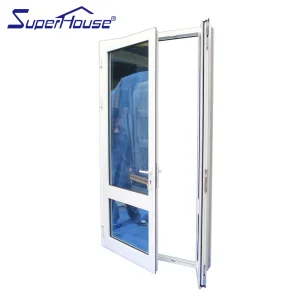
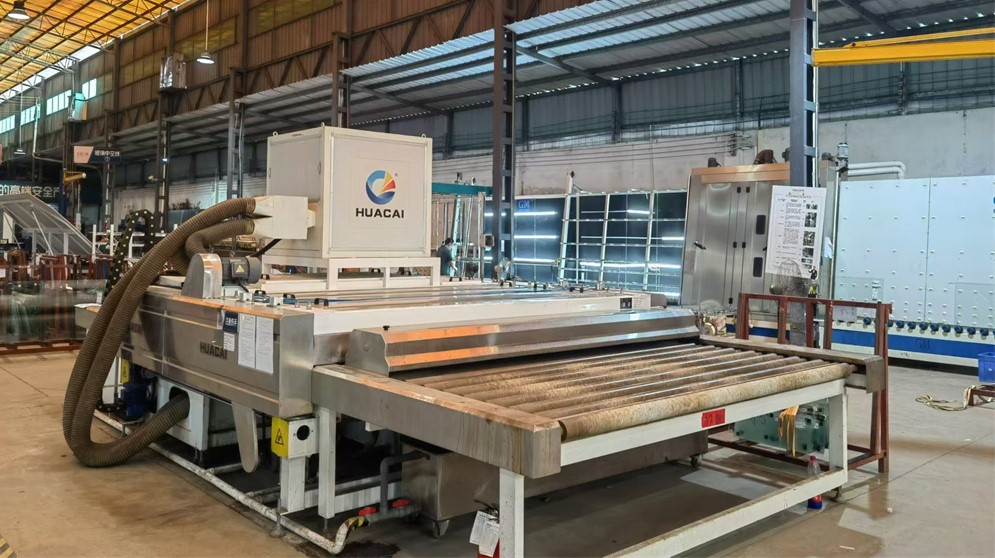
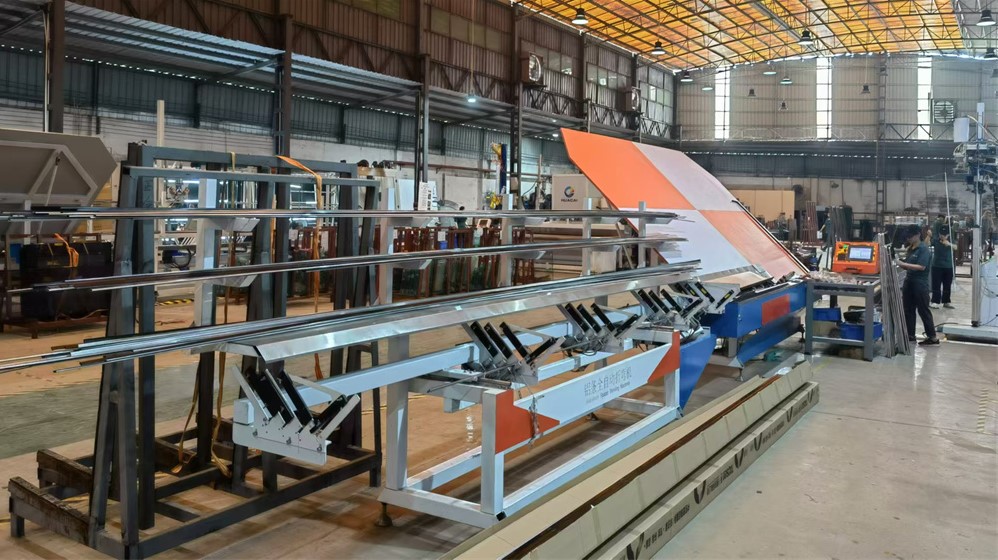
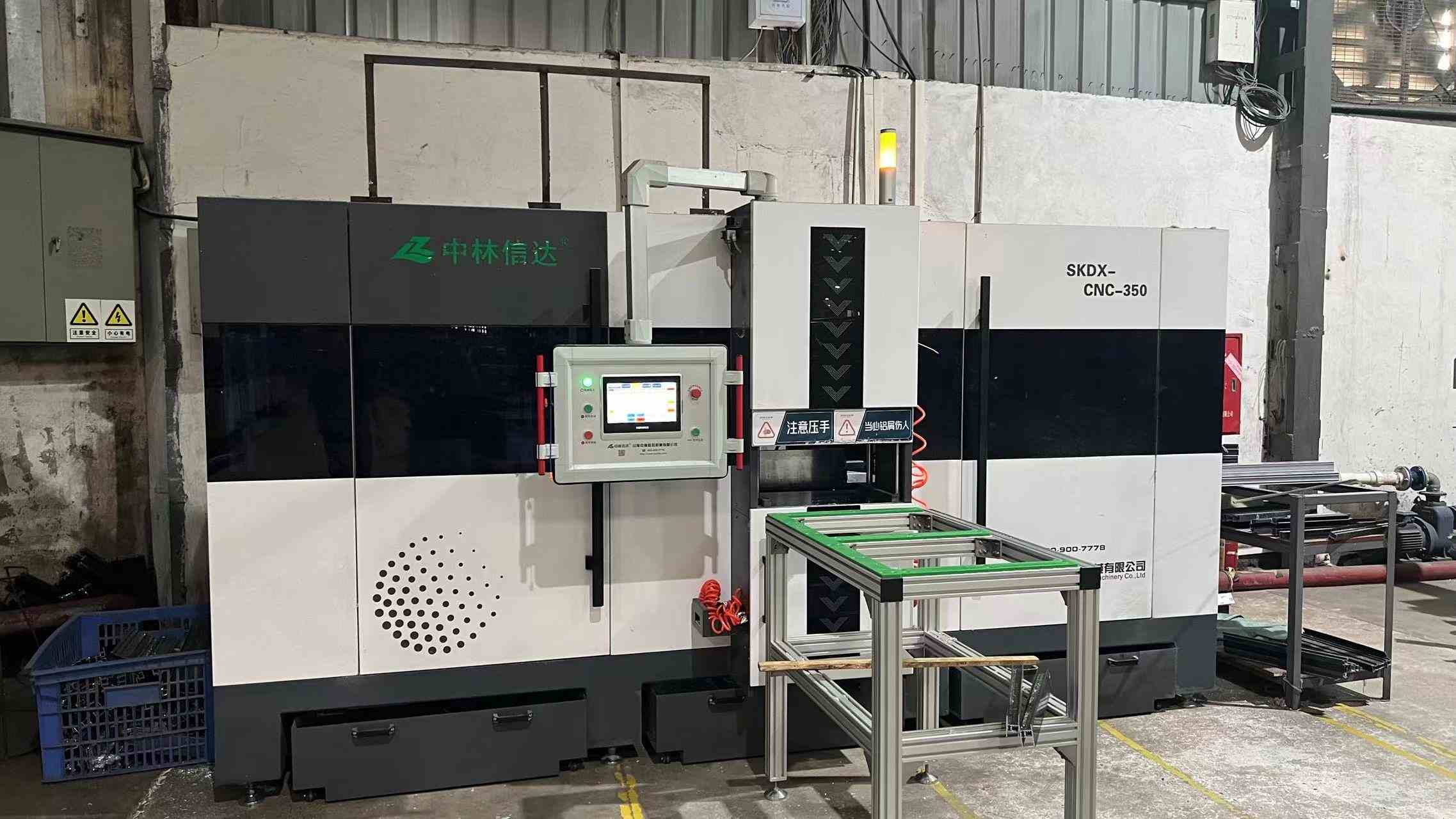
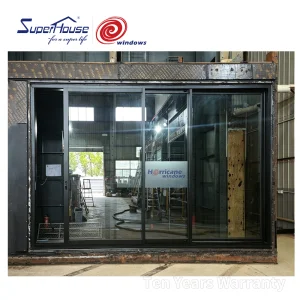
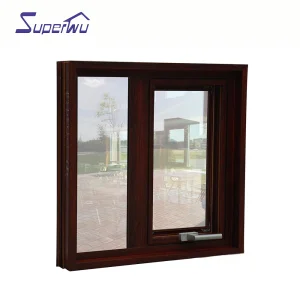
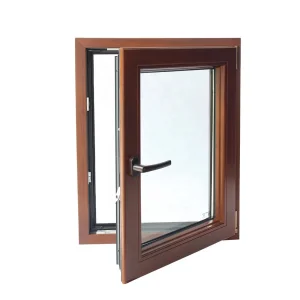
| Superhouse Windows & Doors | Global OEM / China | Architectural Aluminum Tilt-Turn & High-Security Villa Portals | AS2047, NFRC, CSA, Florida NOA | Modern automated CNC extrusion & assembly plant |
Each manufacturer listed above addresses unique structural demands. While European manufacturers lead in rigid standardizations (like EN 1627 RC4), top-tier integrated exporters like Zhejiang Shieldoors Security Technology Co., Ltd. bridge the gap between heavy structural defense, customized architectural aesthetics, and global compliance testing (including stringent American NOA hurricane and NFRC thermal standards).
High-security entry doors rely on high-grade 6063-T6 aircraft aluminum alloys or cold-rolled galvanized steel cores. Reinforced with internal steel structural ribs and anti-drill manganese plates, these profiles offer tensile strengths exceeding 240 MPa, rendering forced mechanical separation nearly impossible.
To eliminate thermal bridging without weakening structural rigidity, advanced doors employ glass-fiber reinforced Polyamide (PA66 GF25) thermal strips. This separation creates an insulated thermal barrier capable of achieving U-factors under 0.16 BTU/h·ft²·°F, satisfying extreme cold and hot regional demands.
High-security doors incorporating glass use multi-layer insulated laminated units (IGUs). Utilizing SentryGlas® (SGP) interlayers sandwiched between tempered Low-E glass panes, these units withstand high-velocity projectile impacts (TAS 201 standard) and hand-tool attacks (EN 356 P6B to P8B).
Security effectiveness depends largely on lock point distribution. Single-latch entry doors fail under targeted crowbar pressure. Modern high-security entry assemblies deploy multi-point automatic deadbolt systems.
| Security Grade Level | Locking Mechanism Points | Resistance Capability | Target Application |
|---|---|---|---|
| Class RC2 / PAS24 3-Point Mechanical Lock | 3 Heavy Steel Deadbolts (Top, Middle, Bottom) | Basic hand tools (screwdrivers, pliers, levering up to 3KN) | Standard Luxury Residential Front Doors |
| Class RC3 / NFRC 5-Point Automatic Hook Lock | 5 Locking Points with dual anti-saw hardened steel hooks | Heavy mechanical tools (crowbars, hammers, drilling up to 5KN) | High-End Villas & Executive Residential Entrances |
| Class RC4 / UL752 7-to-9 Point Motorized Lock | 7+ Rotating Hooks, top/bottom shoot-bolts & solenoid drive | Power tools (heavy drills, angle grinders, sledgehammers, bullet resist) | Commercial Financial Vaults, Panic Rooms, Embassy Portals |
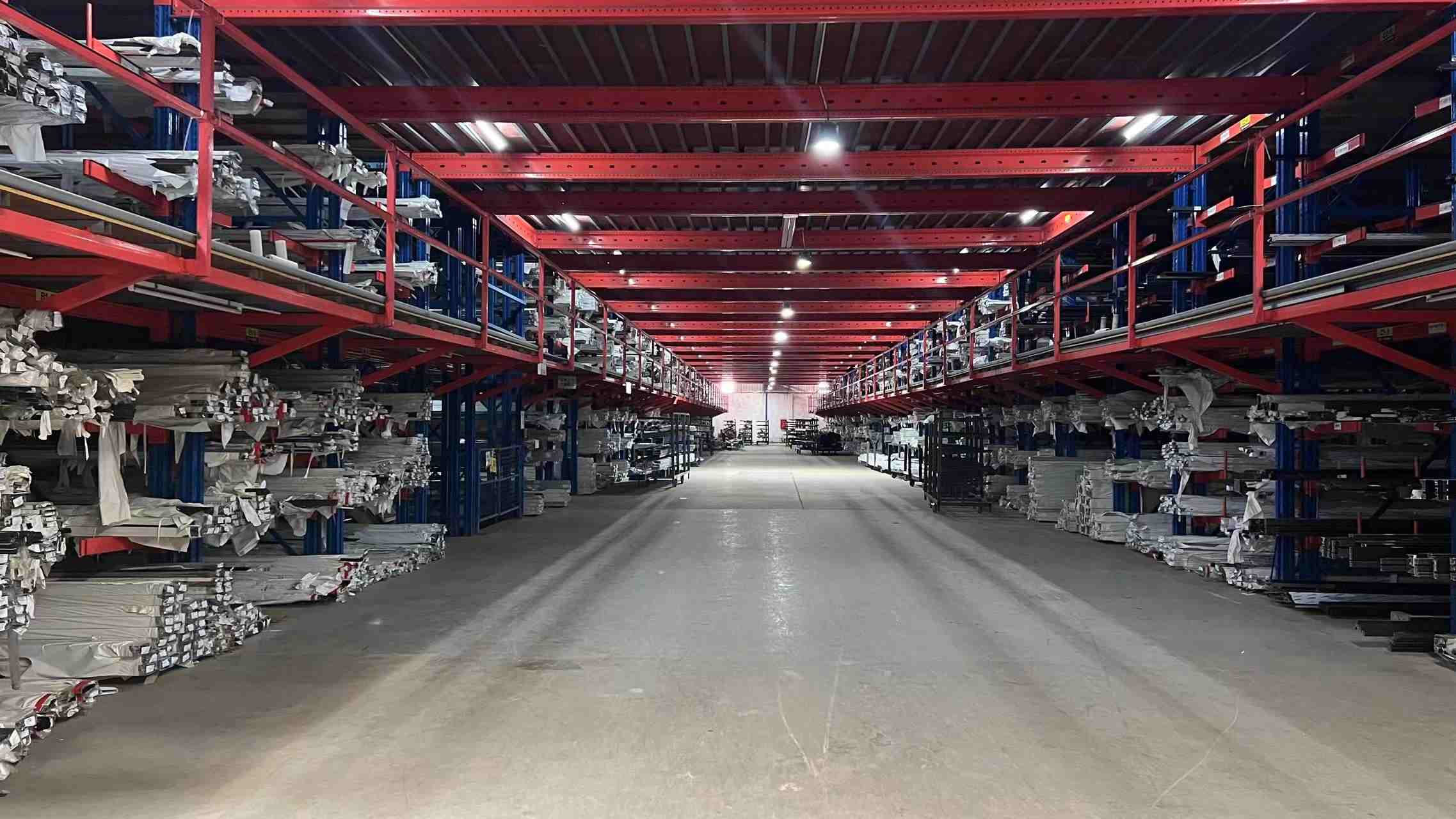
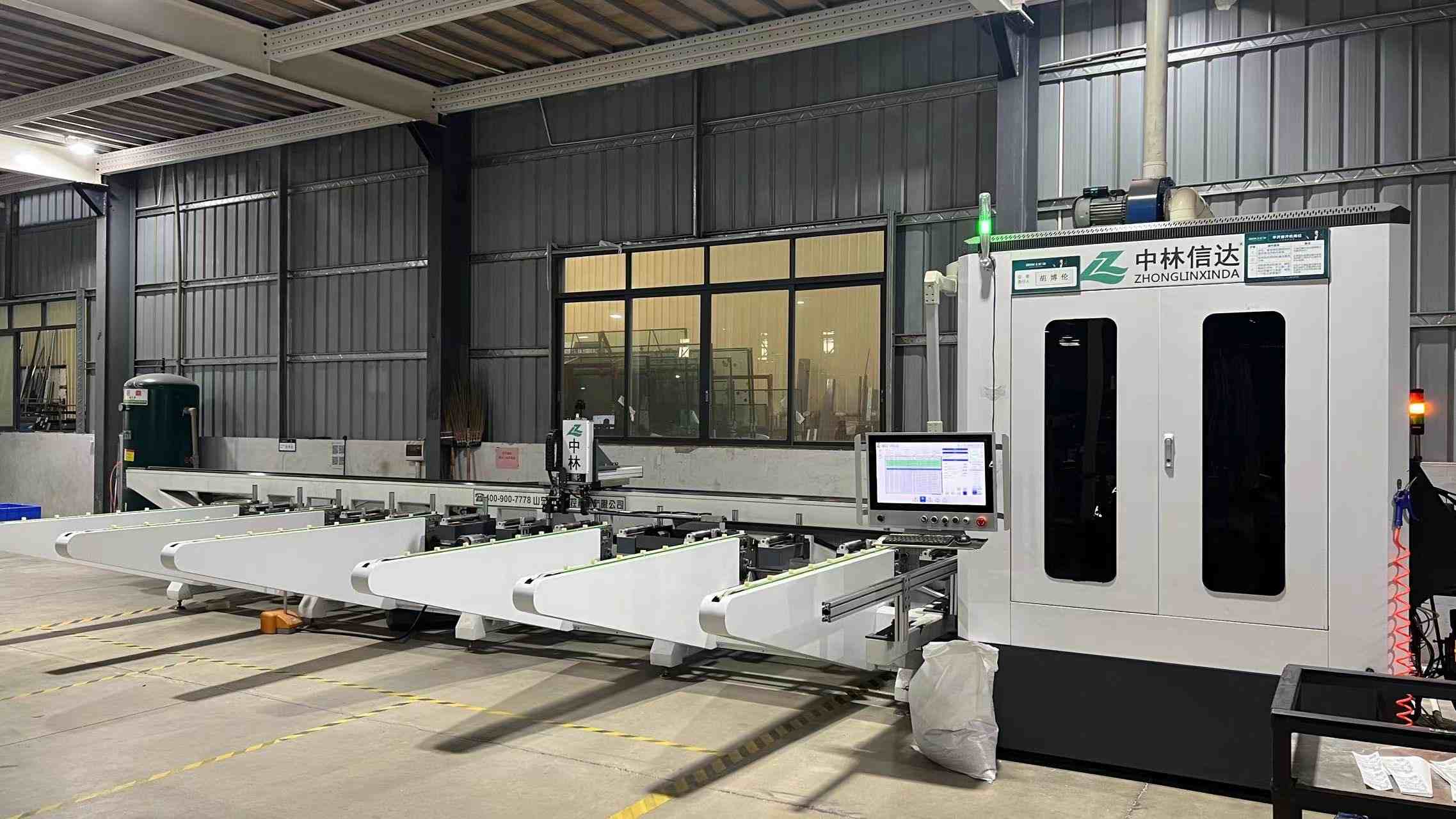
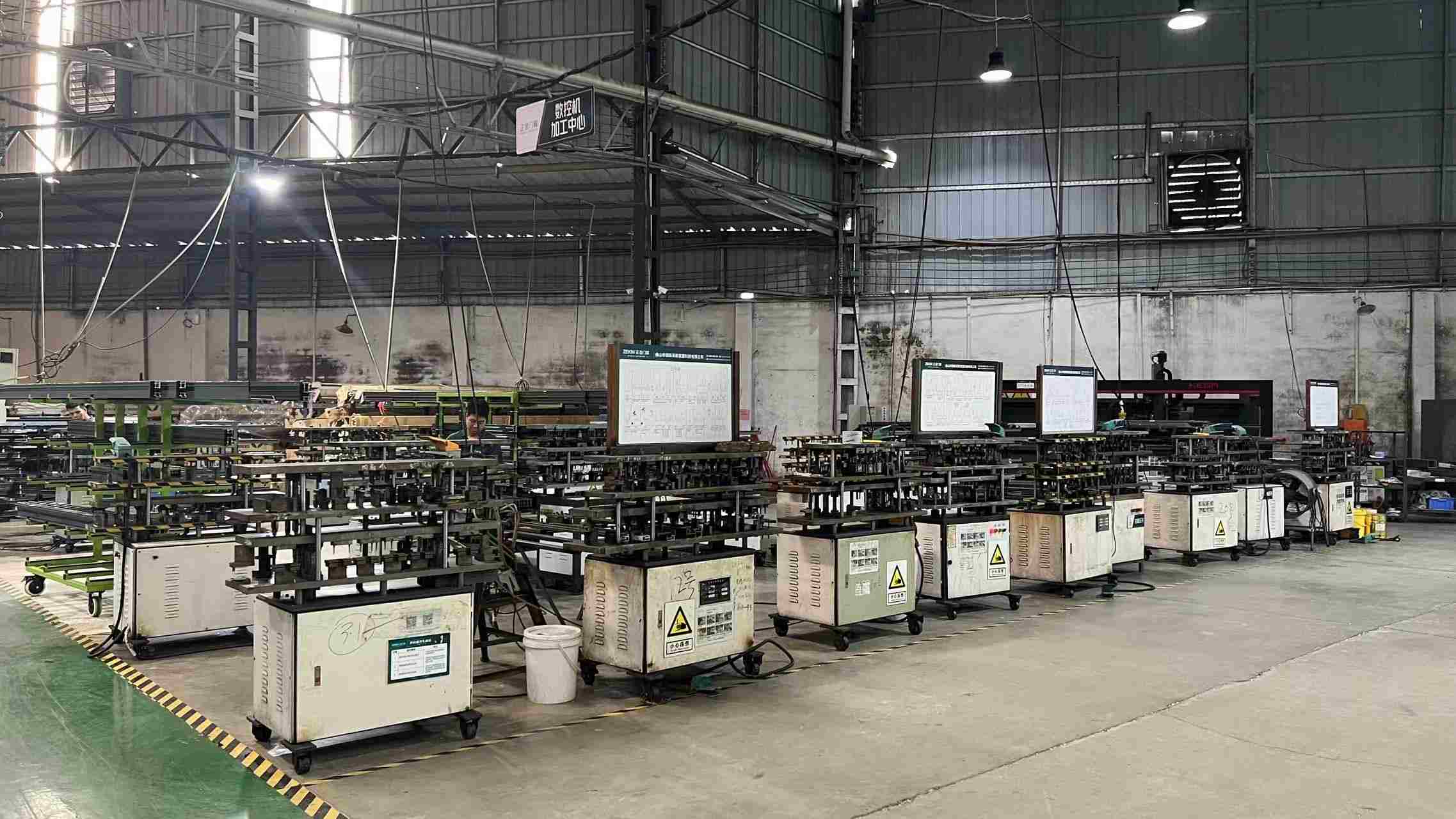
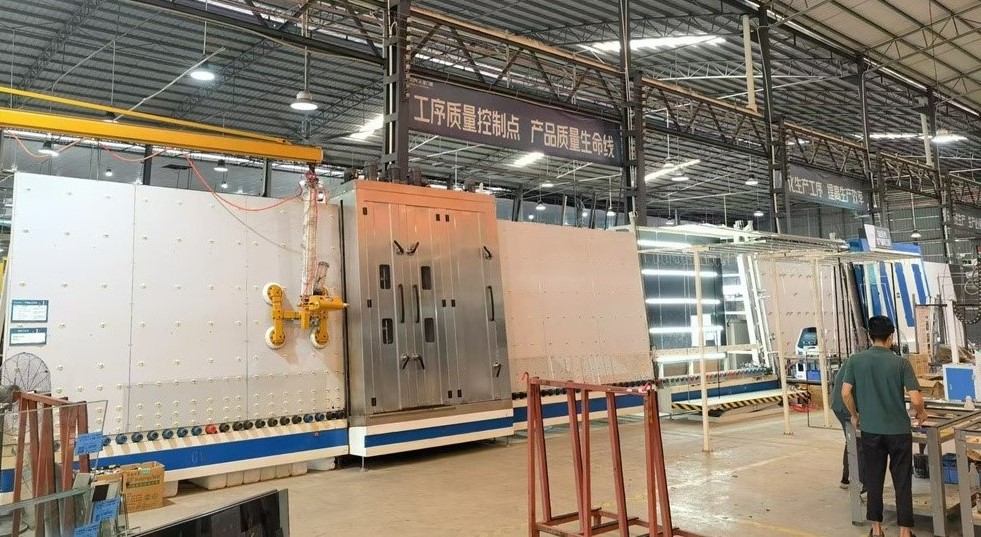
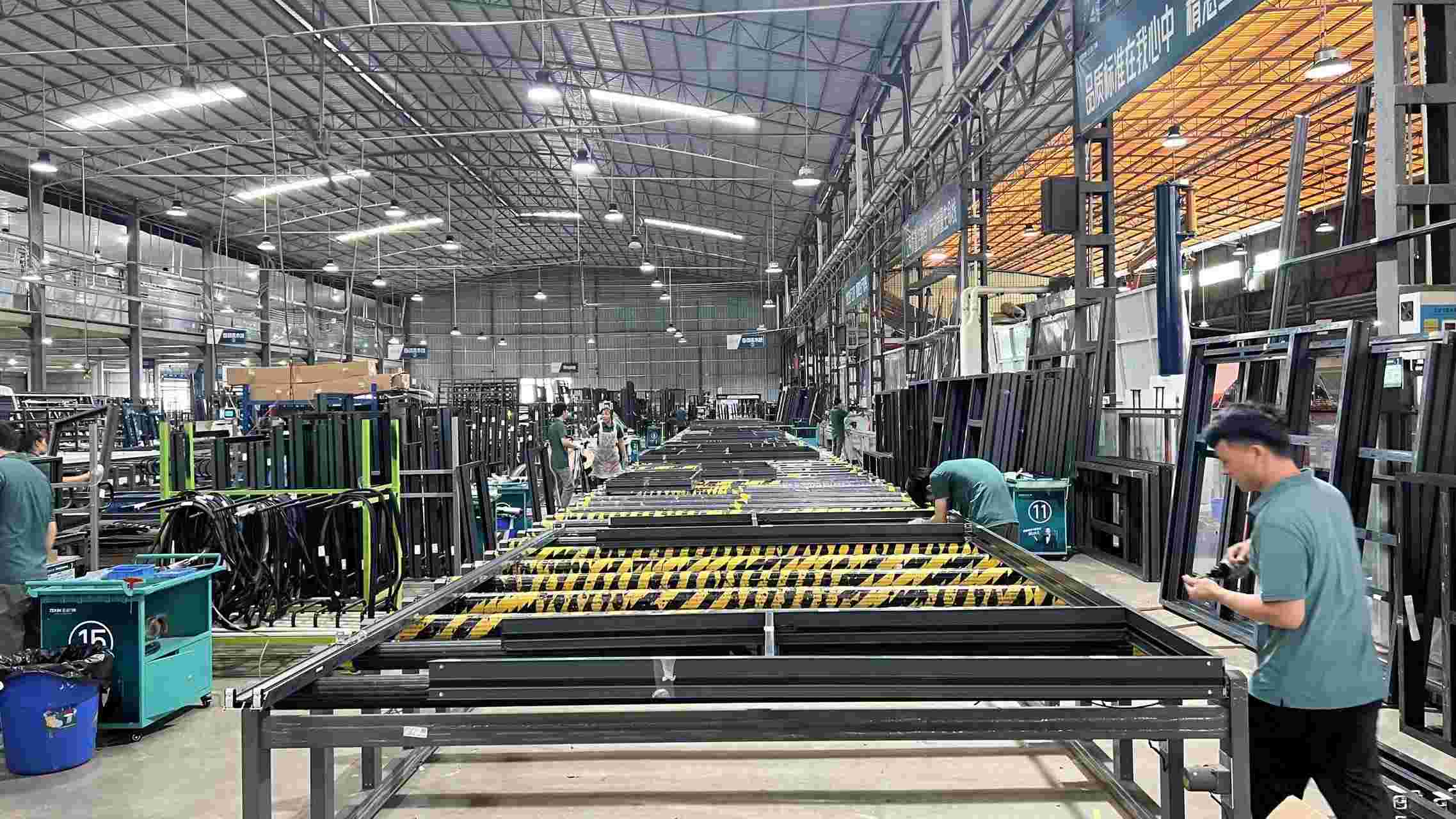
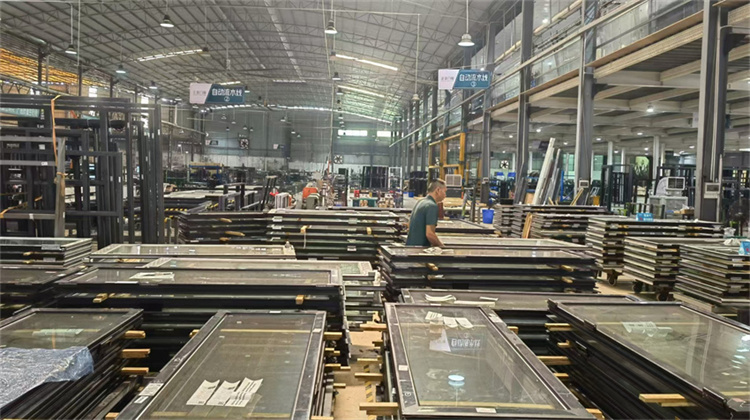
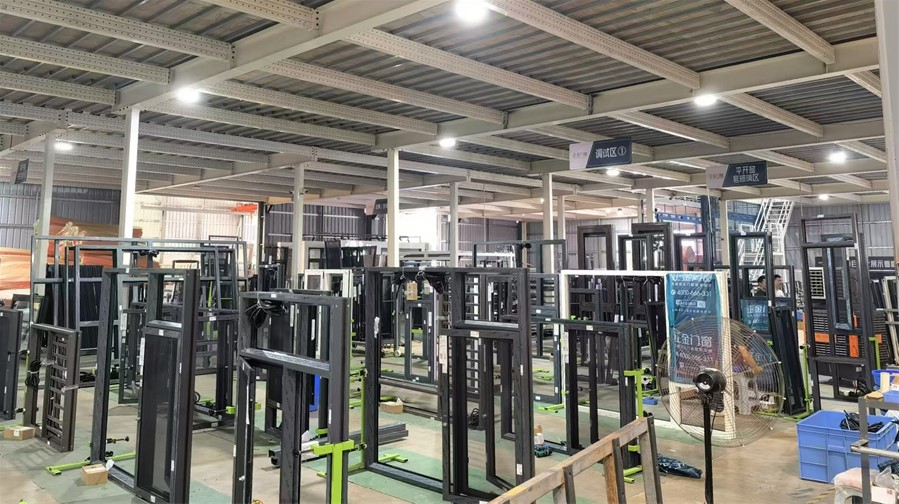
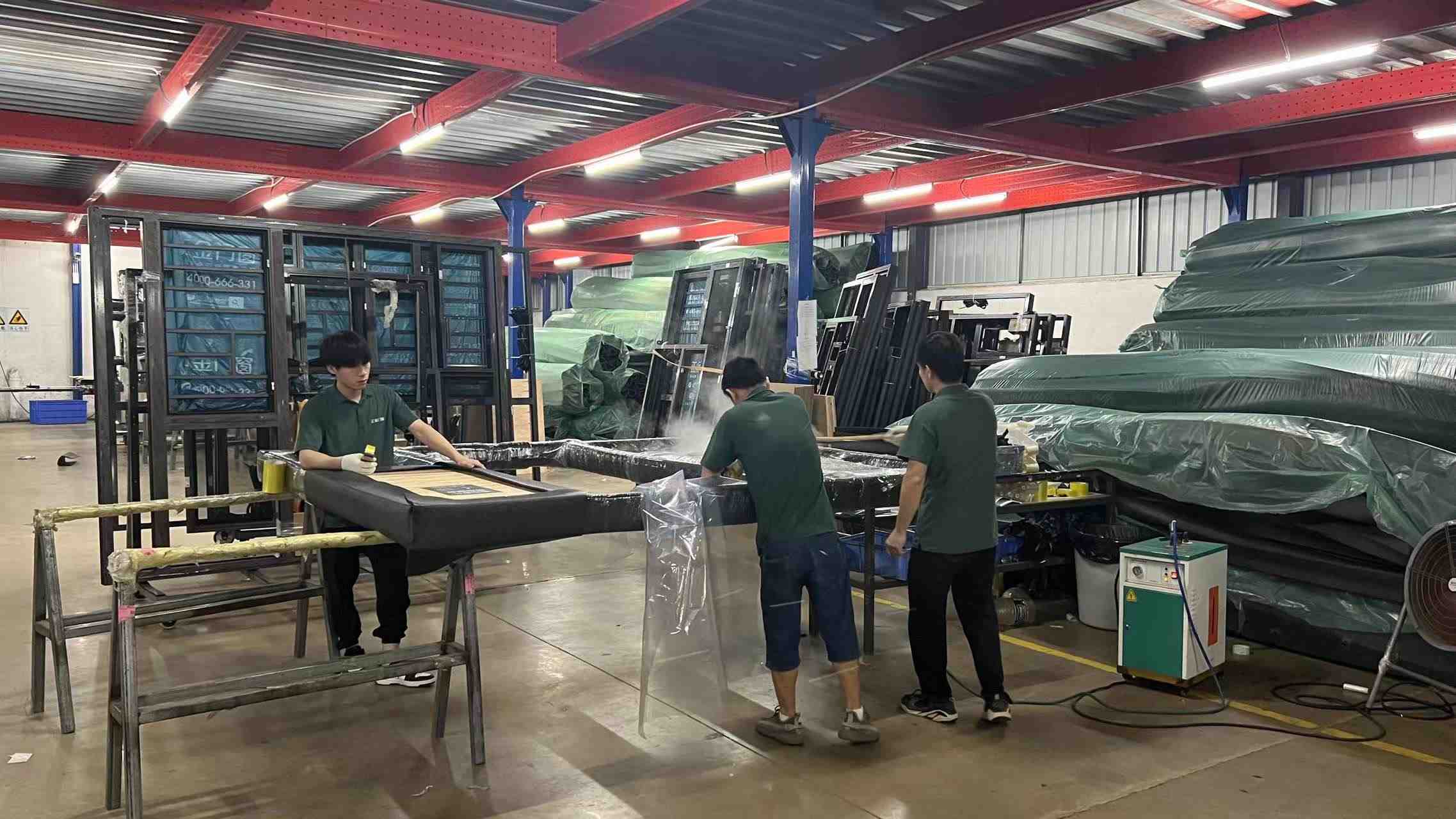
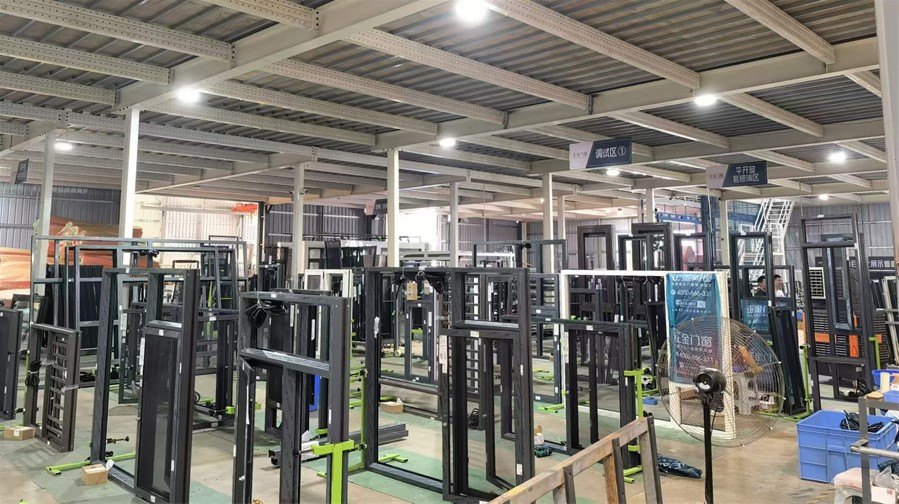
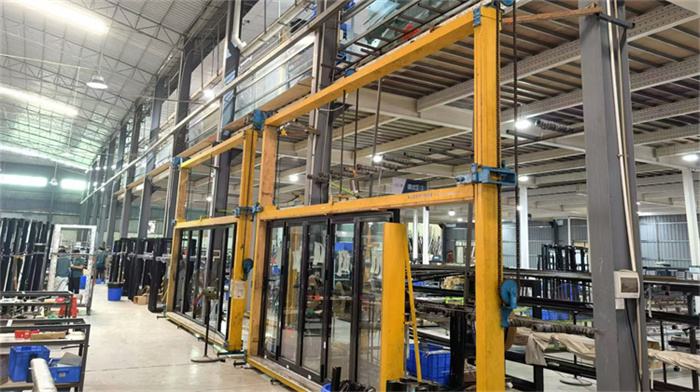
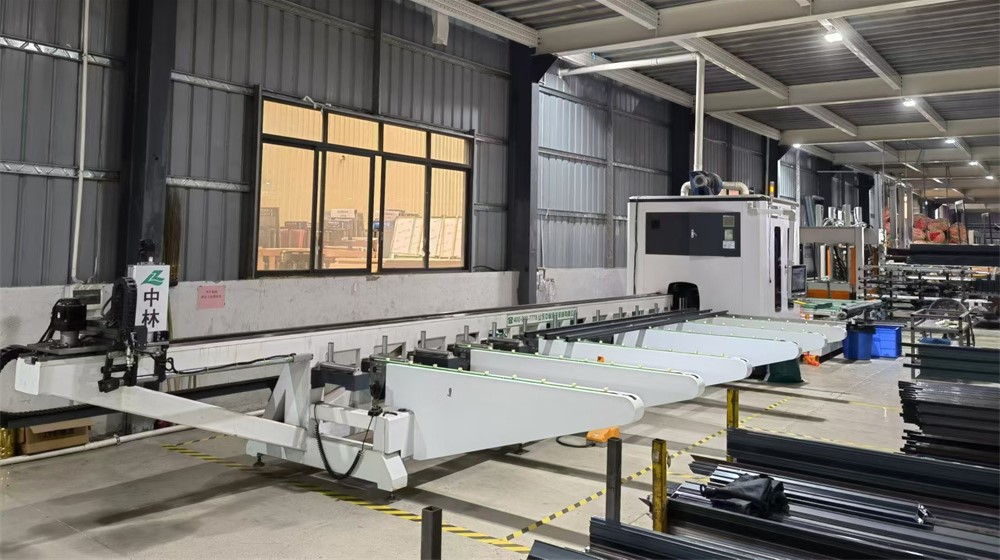
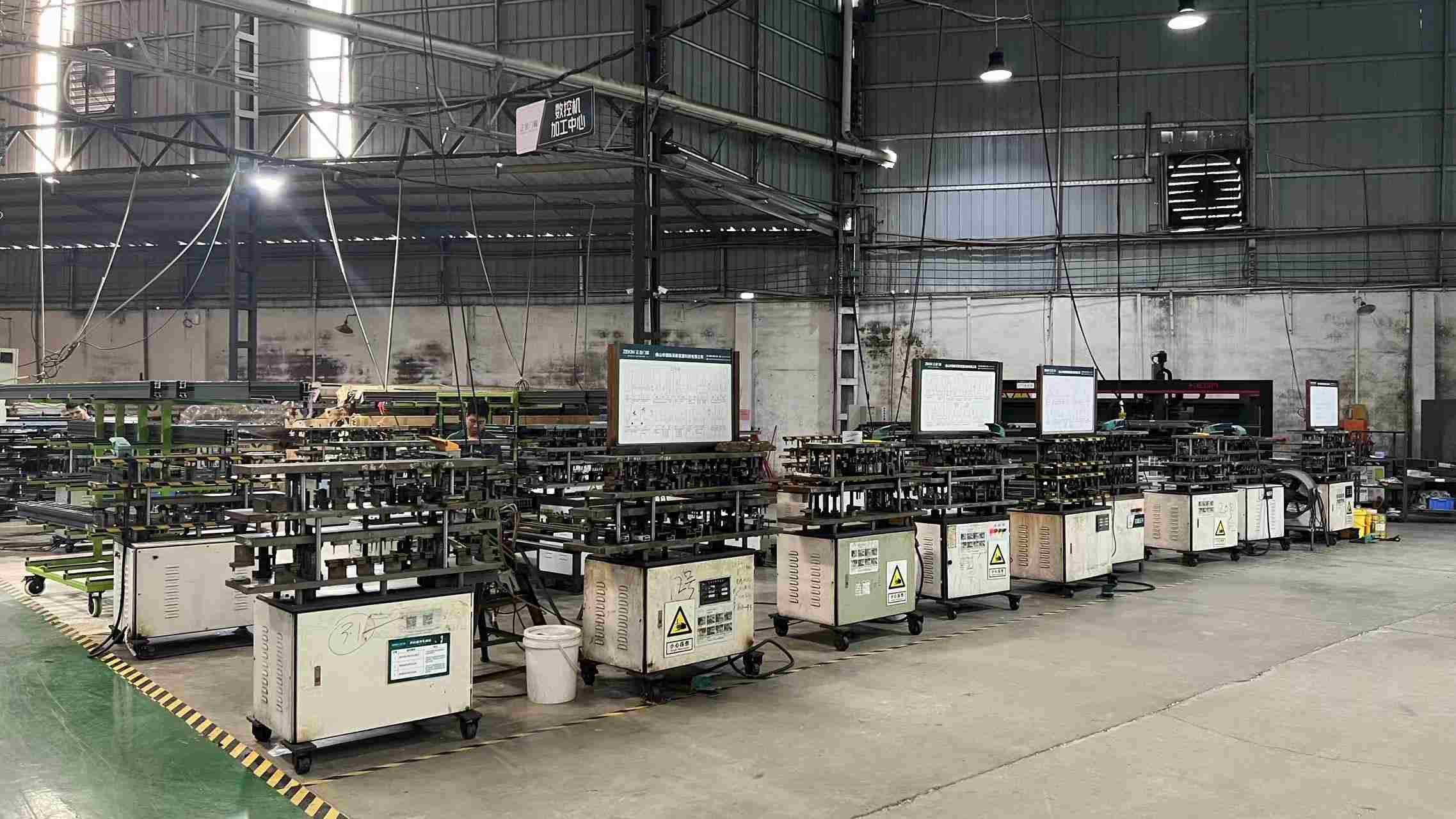
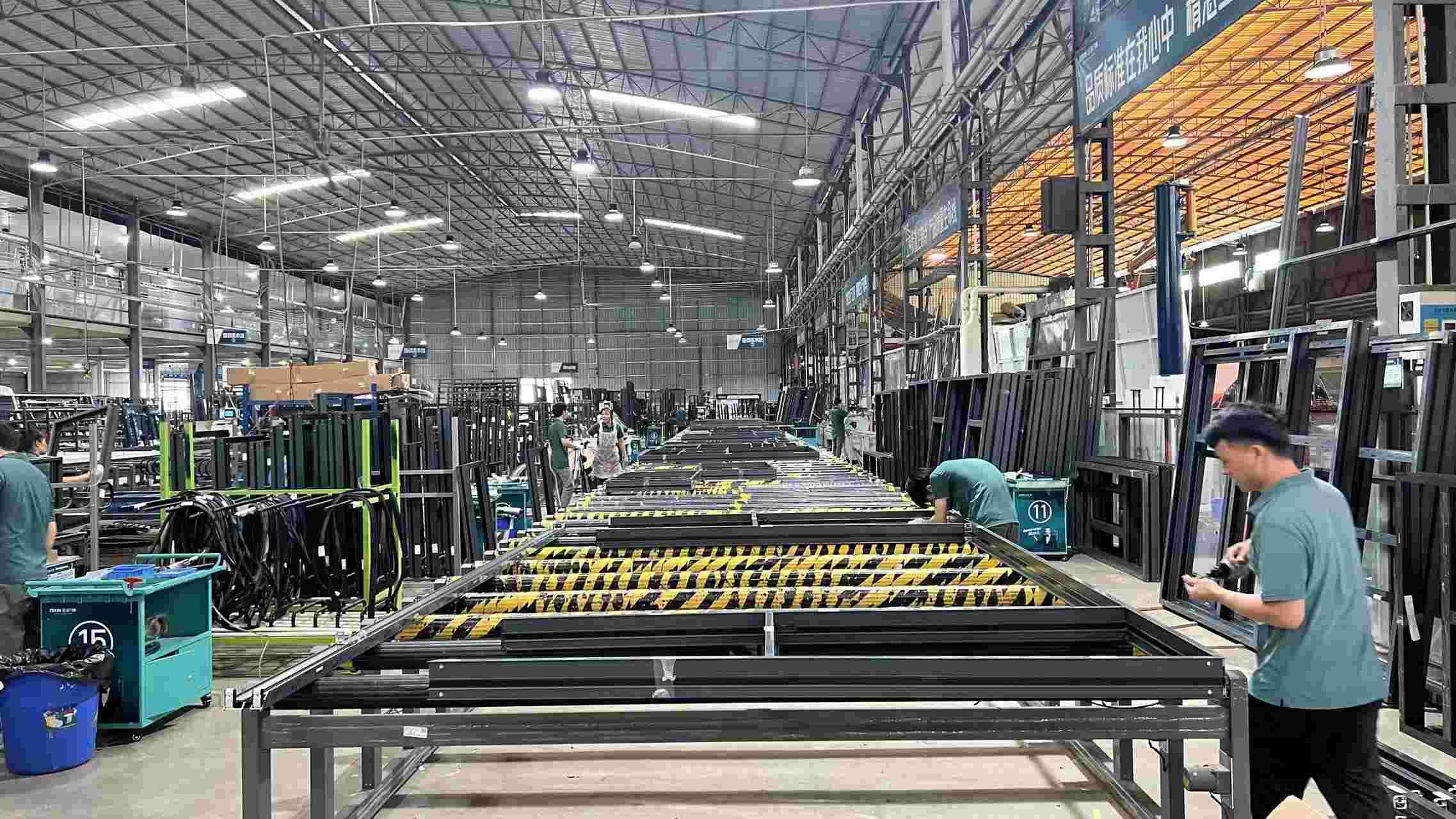
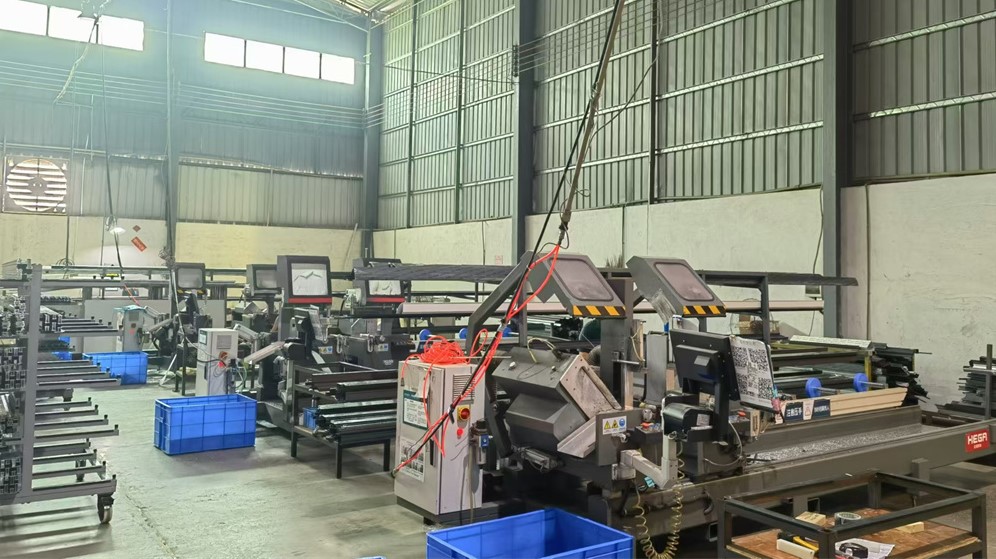
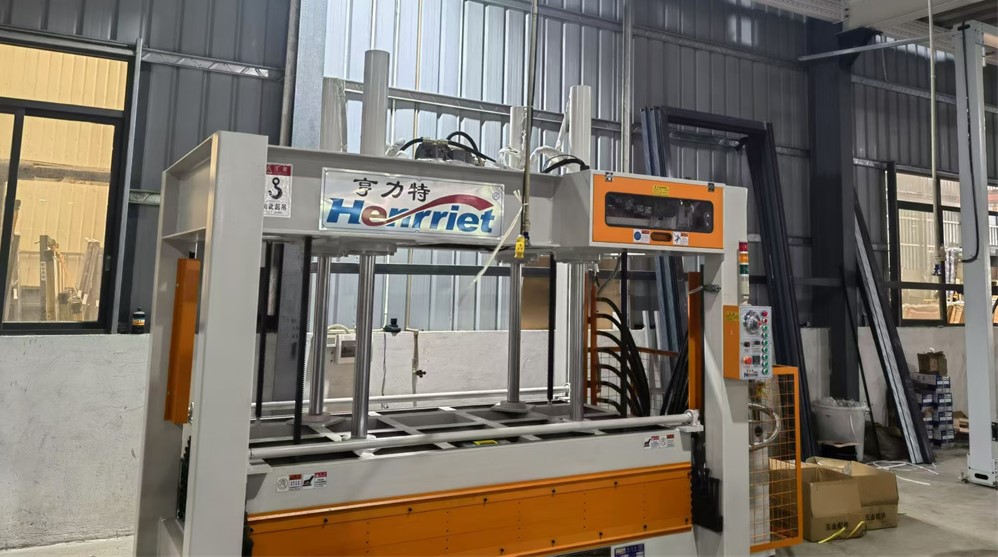
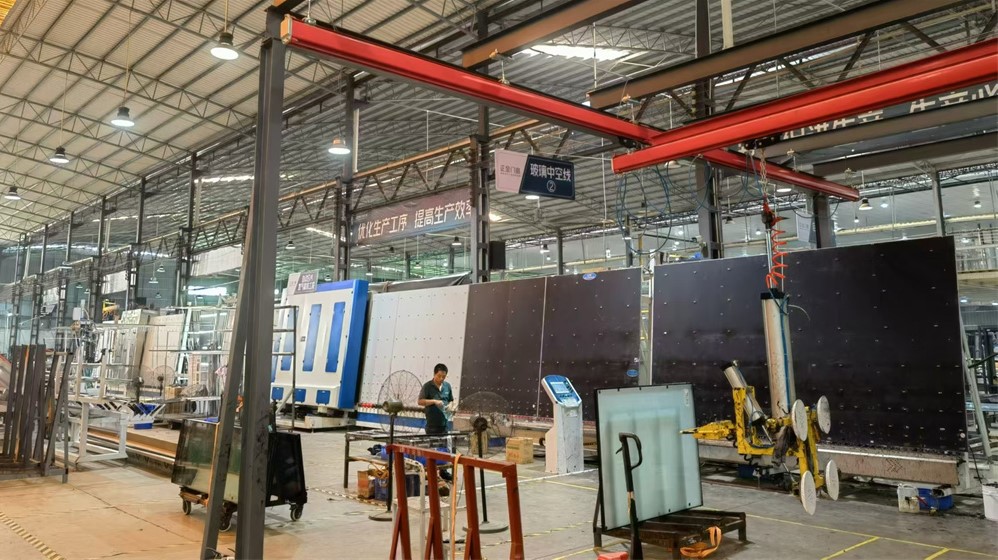
Established in 2016 and building upon over 10 years of industry leadership and 6 years of intensive international trade expertise, Zhejiang Shieldoors Security Technology Co., Ltd. stands as a premier manufacturing powerhouse. The enterprise maintains rigorous ISO9001-certified quality management across every phase of production. Products are subjected to exhaustive third-party laboratory evaluations, successfully earning high-tier international certifications including CE marks, UL fire ratings (up to 90-minute fire barriers), and NOA hurricane-impact approvals.
With a forward-thinking R&D team launching over 450 new custom product designs annually, Shieldoors serves premier real estate developers, architectural specifiers, and commercial building material distributors across North America, Australia, Europe, and Southeast Asia.
Key Regulations: Florida Building Code (HVHZ / NOA Certification), NFRC Thermal Performance, AAMA 101/I.S.2/A440.
Entry doors must survive structural pressure tests exceeding +/- 70 PSF, heavy missile impact strikes (9-lb 2x4 lumber fired at 50 ft/s), and thermal cycling. Essential for coastal Florida, Gulf Coast regions, and luxury estates requiring combined hurricane and anti-burglary defense.
Key Regulations: EN 1627-1630 (RC2, RC3, RC4 resistance classes), CE Marking under EN 14351-1, PAS 24 / Secured by Design.
Focuses heavily on dynamic load testing and tool-attack resistance time (e.g., Class RC4 requires withstanding an operator armed with heavy drills, shears, and angle grinders for 10 minutes of direct contact). Paired with Passive House thermal performance (U-value ≤ 0.8 W/m²K).
Key Regulations: AS2047 (Windows and doors in buildings), AS1170 (Structural design actions / Cyclonic conditions), BAL-40/BAL-FZ Bushfire ratings.
Requires rigorous water penetration resistance under high wind pressure (up to 450 Pa water test) and fire-resistant seals to prevent ember intrusion in bushfire-prone zones.
Key Regulations: High-humidity coastal anti-corrosion (Qualicoat Class 2/3 powder coating), Tropical Thermal Isolation, Blast Mitigation.
Focuses on resistance against salt-spray corrosion (C5-M environment standard), intense solar radiation without thermal warping, and integration with high-efficiency air conditioning to prevent tropical condensation.
Transitioning from standard RFID and optical fingerprint scanners to 3D facial mesh recognition and sub-dermal palm-vein scanners powered by on-device edge AI processors, preventing spoofing and digital brute-force bypasses.
Integration of shear-thickening fluid (STF) layers and honeycomb titanium lattices within door cores to absorb extreme impact kinetic energy from explosive blasts or mechanical rams without increasing total structural weight.
Fluoropolymer powder coatings infused with self-repairing microcapsules to eliminate scratches automatically under sunlight, alongside BIPV (Building Integrated Photovoltaics) glass inserts that power electronic multi-point lock actuators off-grid.
Ensure that entry assemblies provide structural wind load deflection ratings of L/175 or higher under ASTM E330 testing. Steel-reinforced aluminum frames prevent frame distortion over decades of heavy daily operation.
For urban executive residences or high-density luxury apartments, entry doors should provide sound transmission class (STC) ratings between 42 dB and 48 dB, utilizing perimeter double-gasket EPDM sealing and acoustic core infills.
High-security doors can exceed 150 kg to 350 kg in total weight. Specify heavy-duty 3D adjustable 304/316 stainless steel concealed hinges or heavy pivot hardware rated for over 500,000 continuous opening cycles (EN 1935 Grade 14).
Verify manufacturer third-party testing credentials directly via official body databases (e.g., NFRC, Intertek ETL, UL, Miami-Dade NOA active search portals) to ensure compliance integrity across batch shipments.
 Shieldoors