Engineered for Hurricane Protection, Energy Efficiency, and High-Traffic Architectural Applications
Analyzing Structural Performance, Thermal Decarbonization, and Procurement Criteria across Global Regions
The global entrance door manufacturing sector is undergoing a structural paradigm shift driven by stringent building energy codes (such as the EU Energy Performance of Buildings Directive and US Title 24), extreme weather frequency, and the rapid adoption of smart building integration. Selecting the optimal entrance door manufacturer for modern architectural projects requires evaluating far more than surface aesthetic designs. Commercial developers, general contractors, and facade engineers must navigate complex metrics surrounding overall heat transfer coefficients (U-Factor), Solar Heat Gain Coefficients (SHGC), Sound Transmission Class (STC), structural wind load Design Pressure (DP) ratings, and ballistic or forced-entry protection protocols.
In high-velocity hurricane zones (HVHZ) such as Florida, coastal Australia, and the Caribbean, facade systems must endure severe cyclic wind pressure testing and heavy missile impact testing (TAS 201/202/203). Concurrently, zero-energy building (ZEB) designs require advanced polyamide thermal break profiles, triple-pane argon-insulated glazing units (IGUs), and low-emissivity (Low-E) coatings to prevent thermal bridging. This white paper serves as an authoritative evaluation benchmark for global sourcing specialists seeking qualified tier-one entrance door manufacturers.
Implementation of structural polyamide 66 (PA66GF25) thermal breaks achieves U-factors below 0.22 BTU/h·ft²·°F, matching passive house insulation targets.
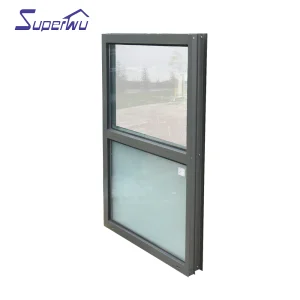
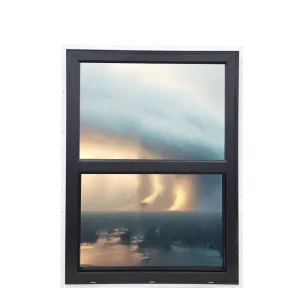
Tested against Miami-Dade Protocols (NOA) and Australian AS2047 standard, resisting peak wind speeds exceeding 170 mph (76 m/s).
Standardized BIM models, factory-direct OEM/ODM scaling, and vertically integrated extrusion facilities drive 30% reduced project lead times.
A Precision Manufacturing Powerhouse Backed by Decades of Engineering Leadership
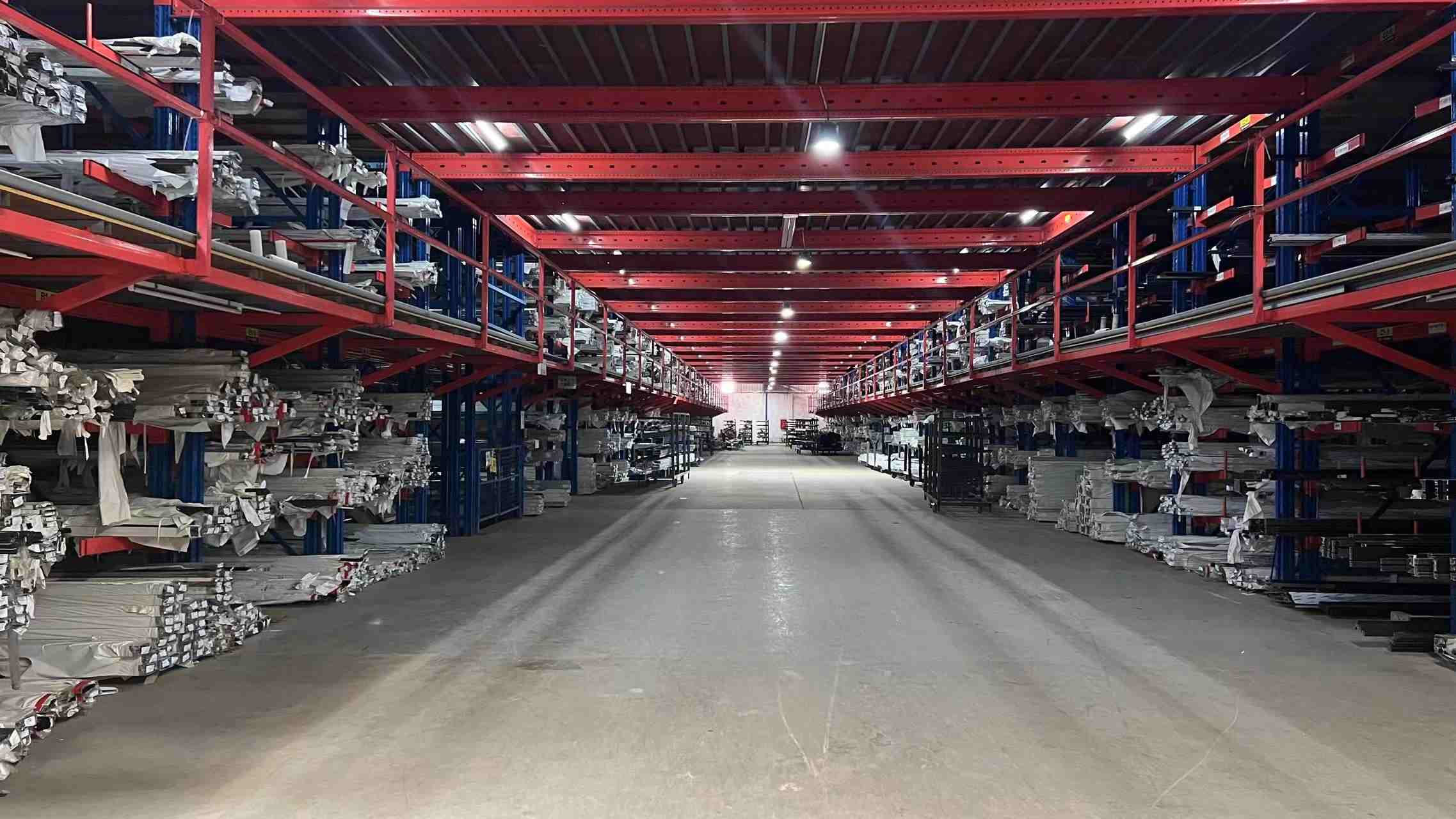
Zhejiang Shieldoors Security Technology Co., Ltd. was established in 2016 and is located in an expansive 45,000 m² production base. Building on 10 years of industry leadership and 6 years of international trade experience, the company generates an annual export revenue reaching USD 42,000,000.
Our commitment to excellence is maintained through rigorous ISO9001-certified quality control and third-party product testing methods, including CE, UL fire-rated, and hurricane-impact certifications. A dedicated quality inspection team of 78 QC specialists ensures that every entry door meets international safety standards. Working with a robust ecosystem of 1,400 supply chain partners, our trade background covers direct export, project bidding, and global supply chain integration, mainly targeting key markets in North America, Australia, and Southeast Asia.
Innovation is at the heart of our operations. Supported by 350 skilled R&D engineers, we launched 450 new product designs last year. We serve major real estate developers, architectural firms, and building material retail chains by offering tailored customization options ranging from soundproofing and thermal insulation features to smart lock integration and custom panel finishes.
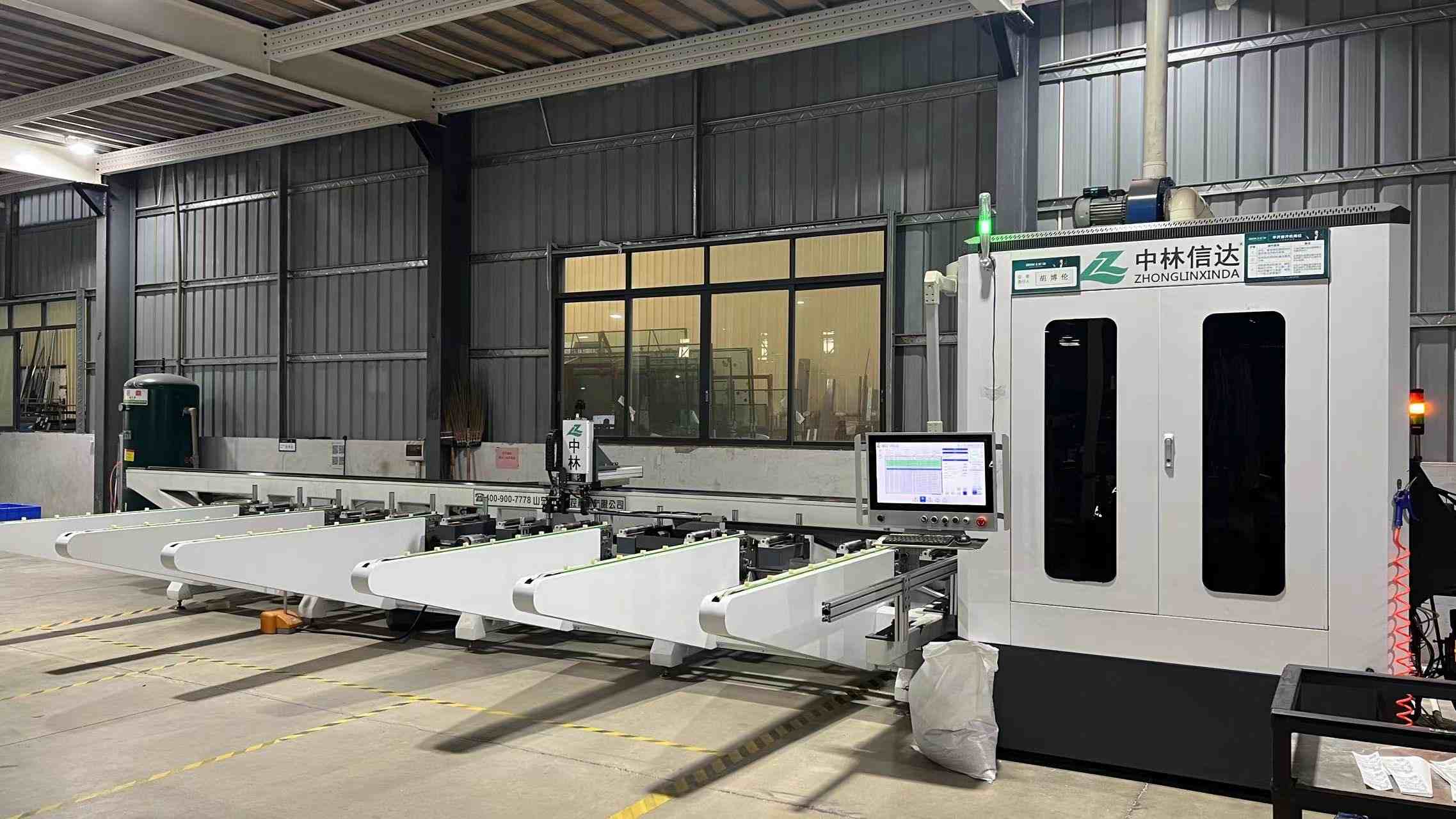
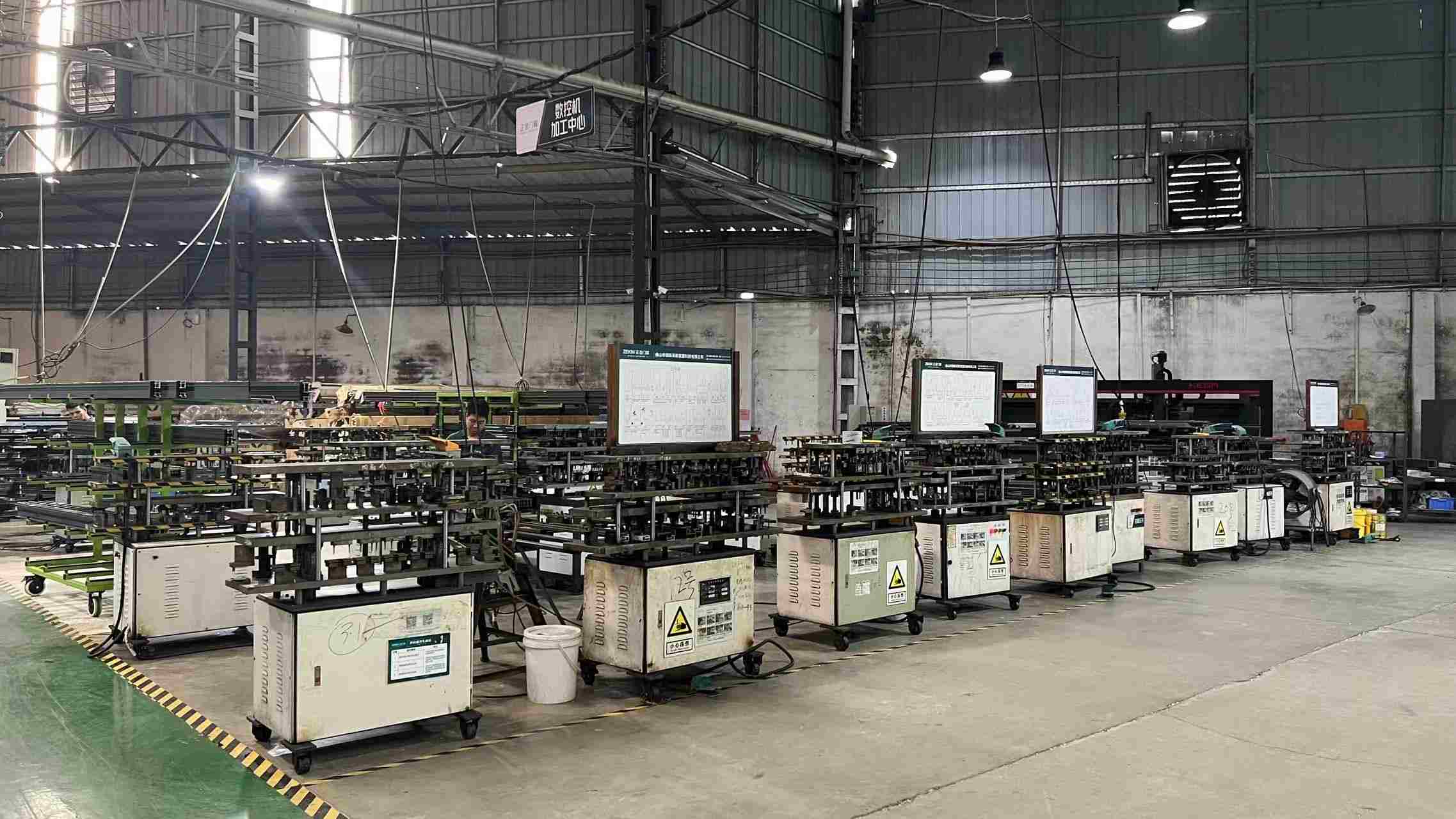
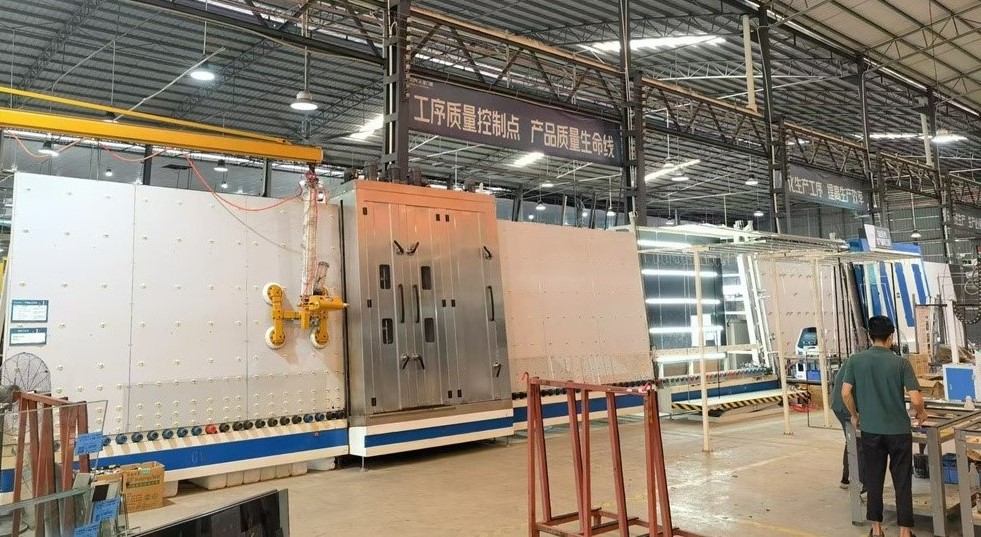
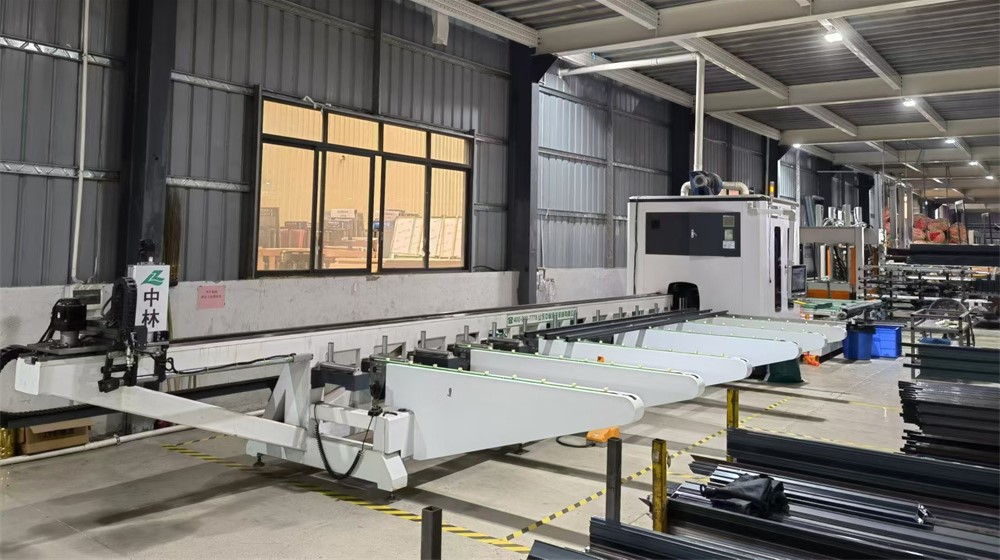
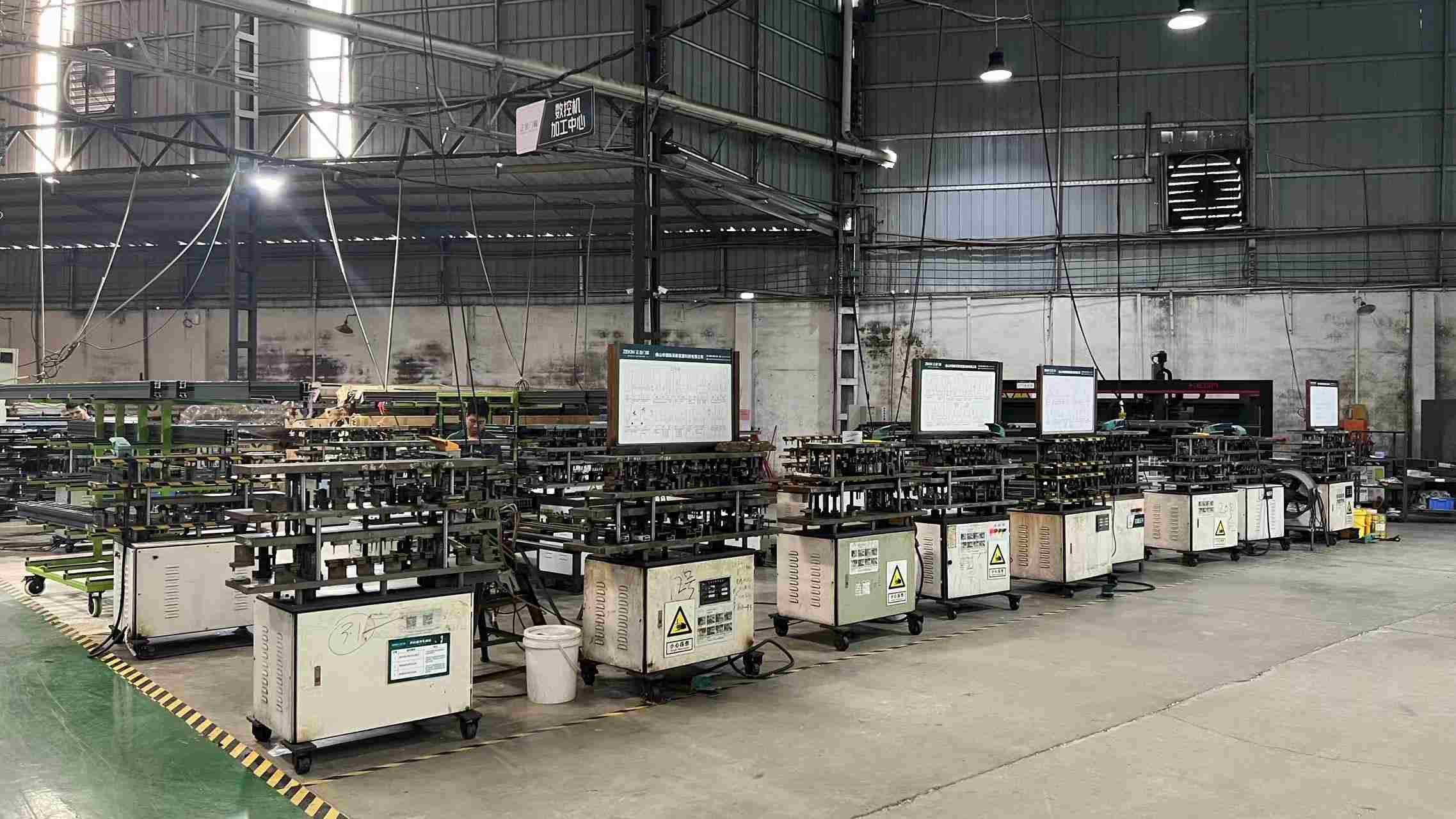
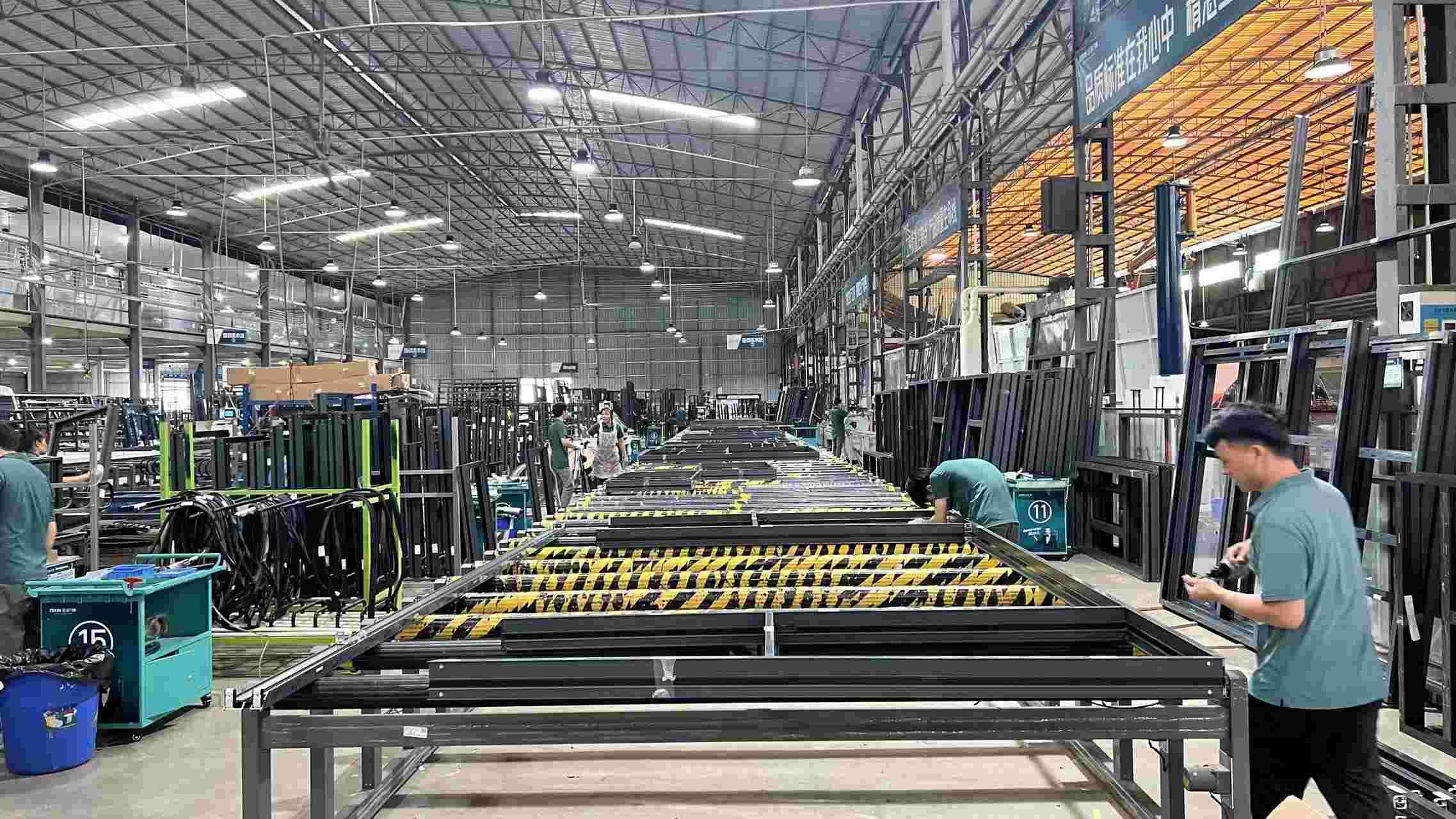
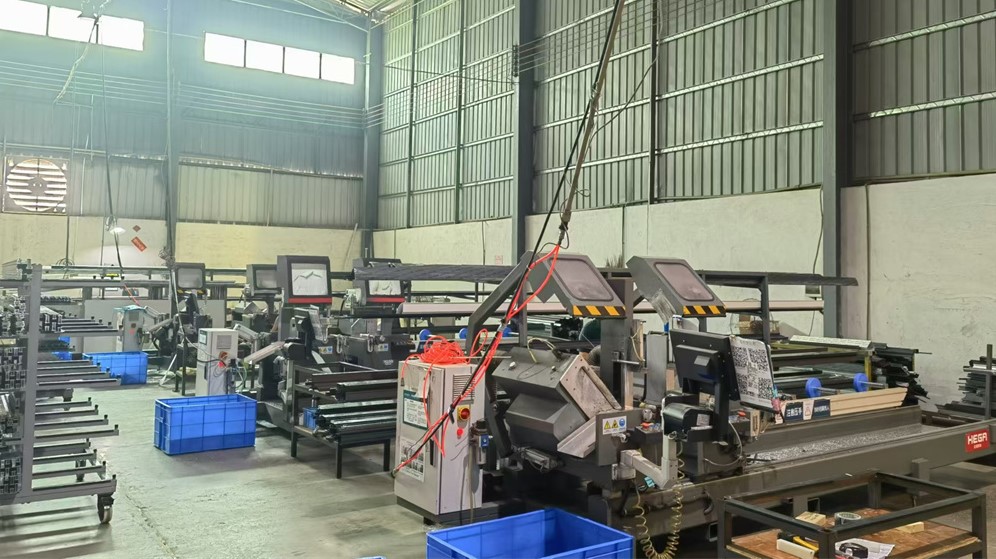
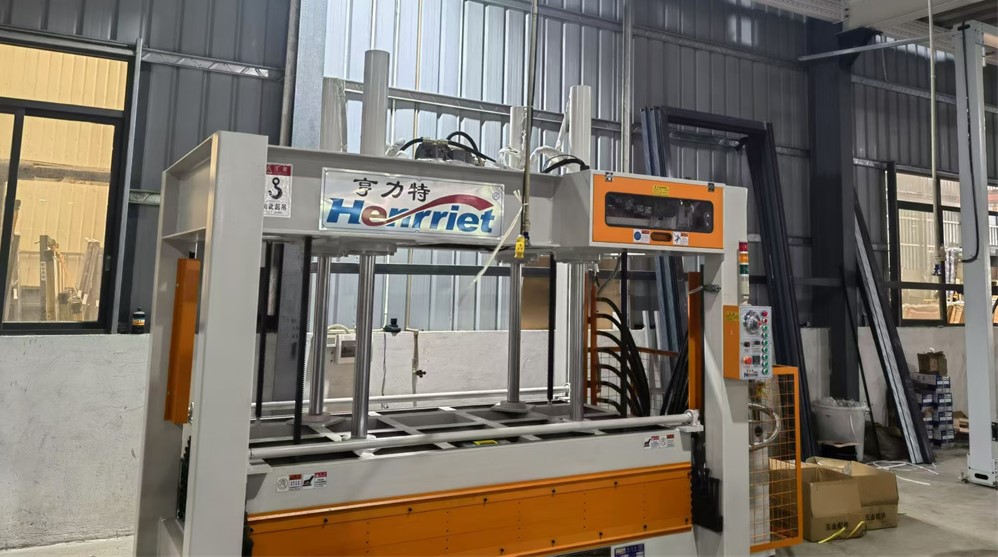
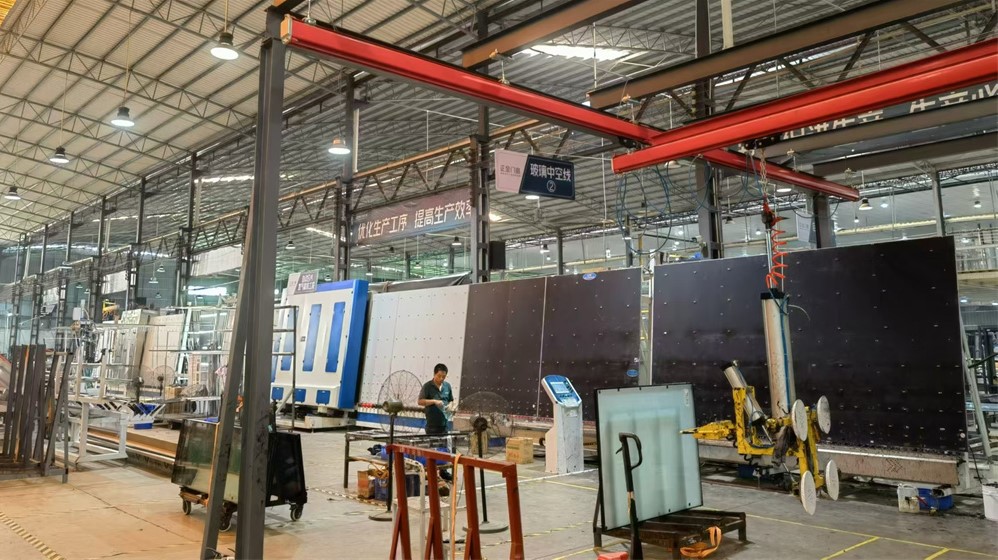
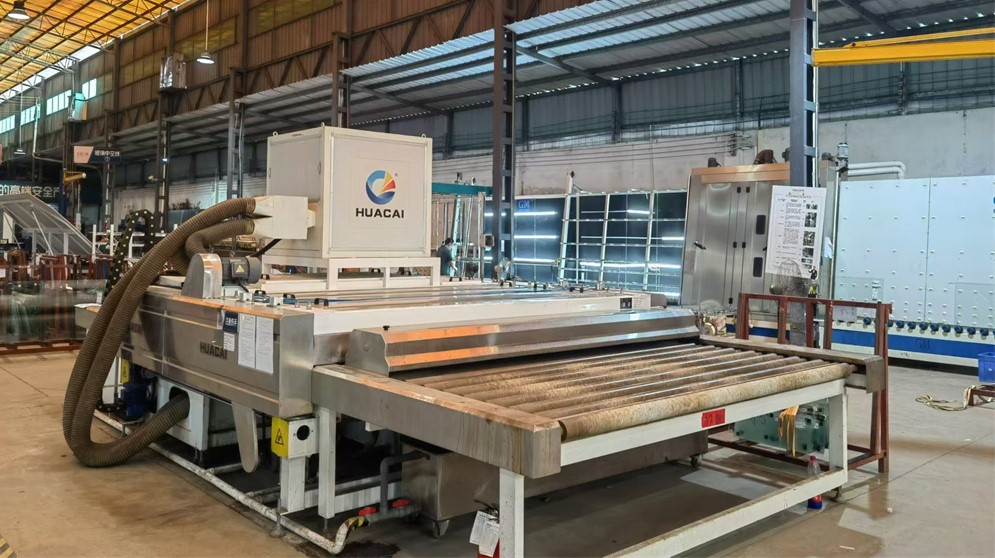
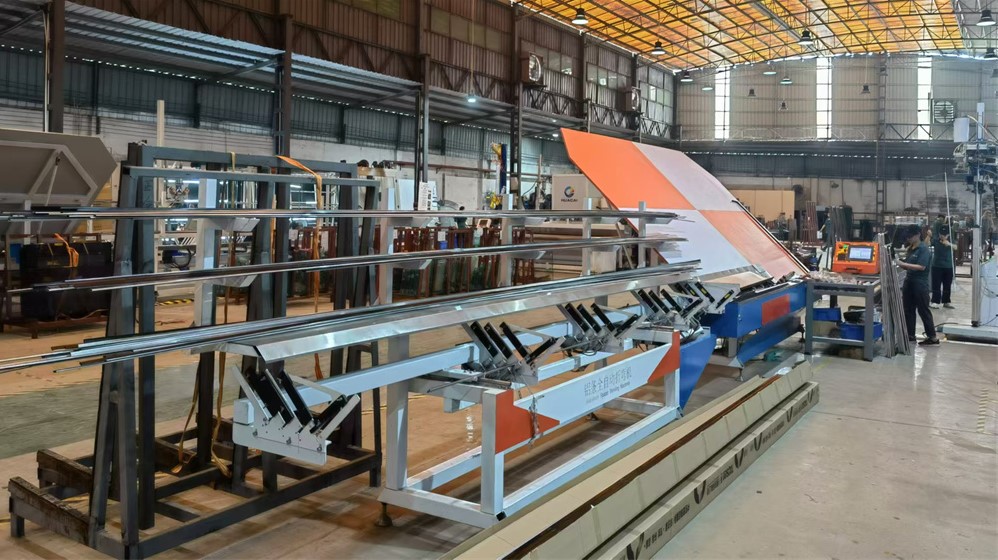
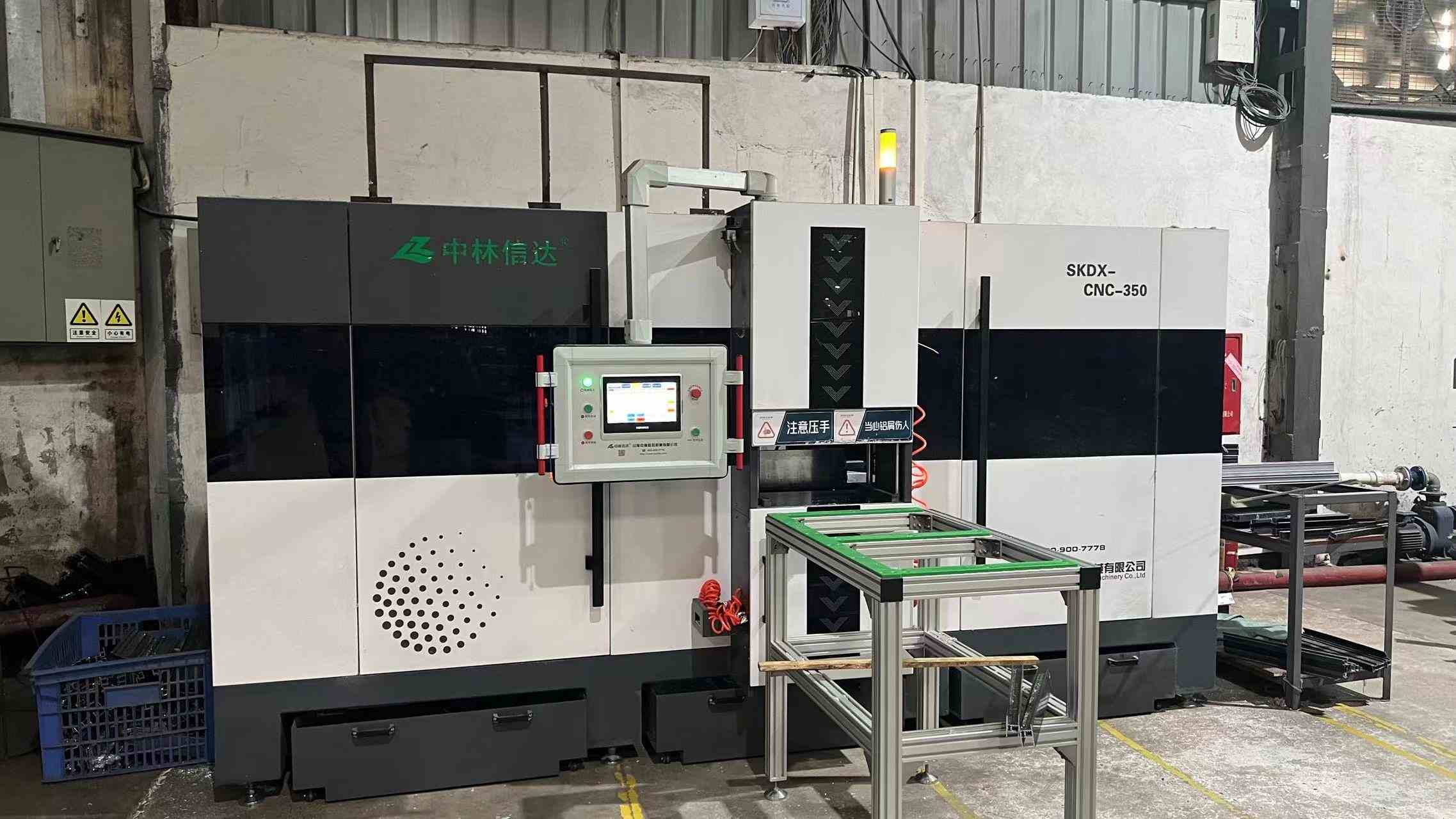
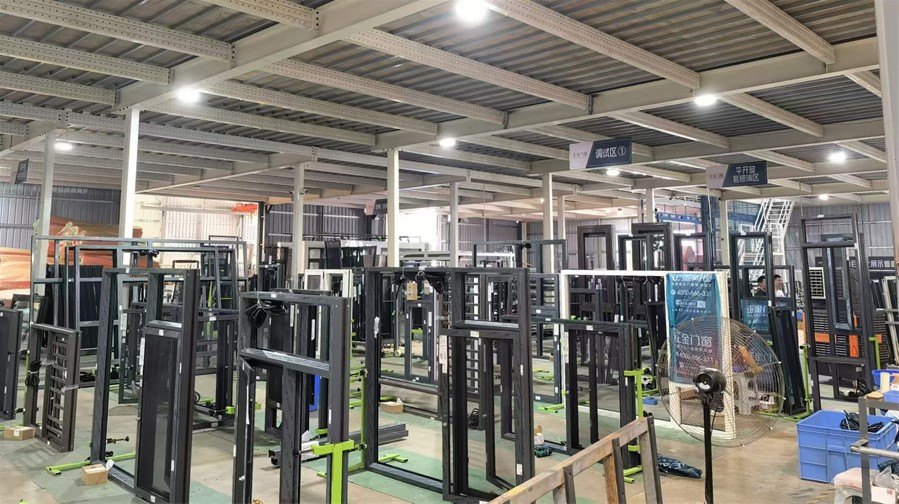
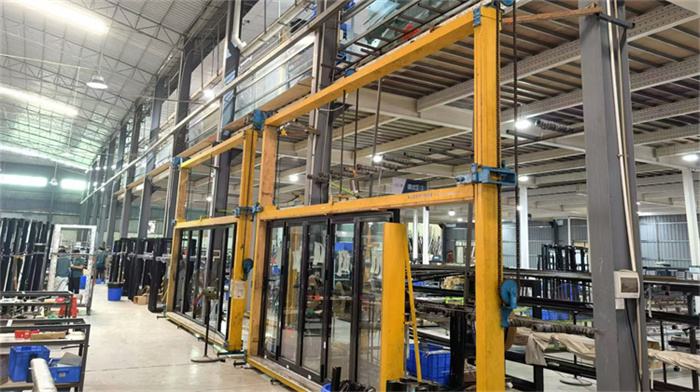
End-to-End Quality Management via Automated CNC Precision Equipment and Assembly Lines
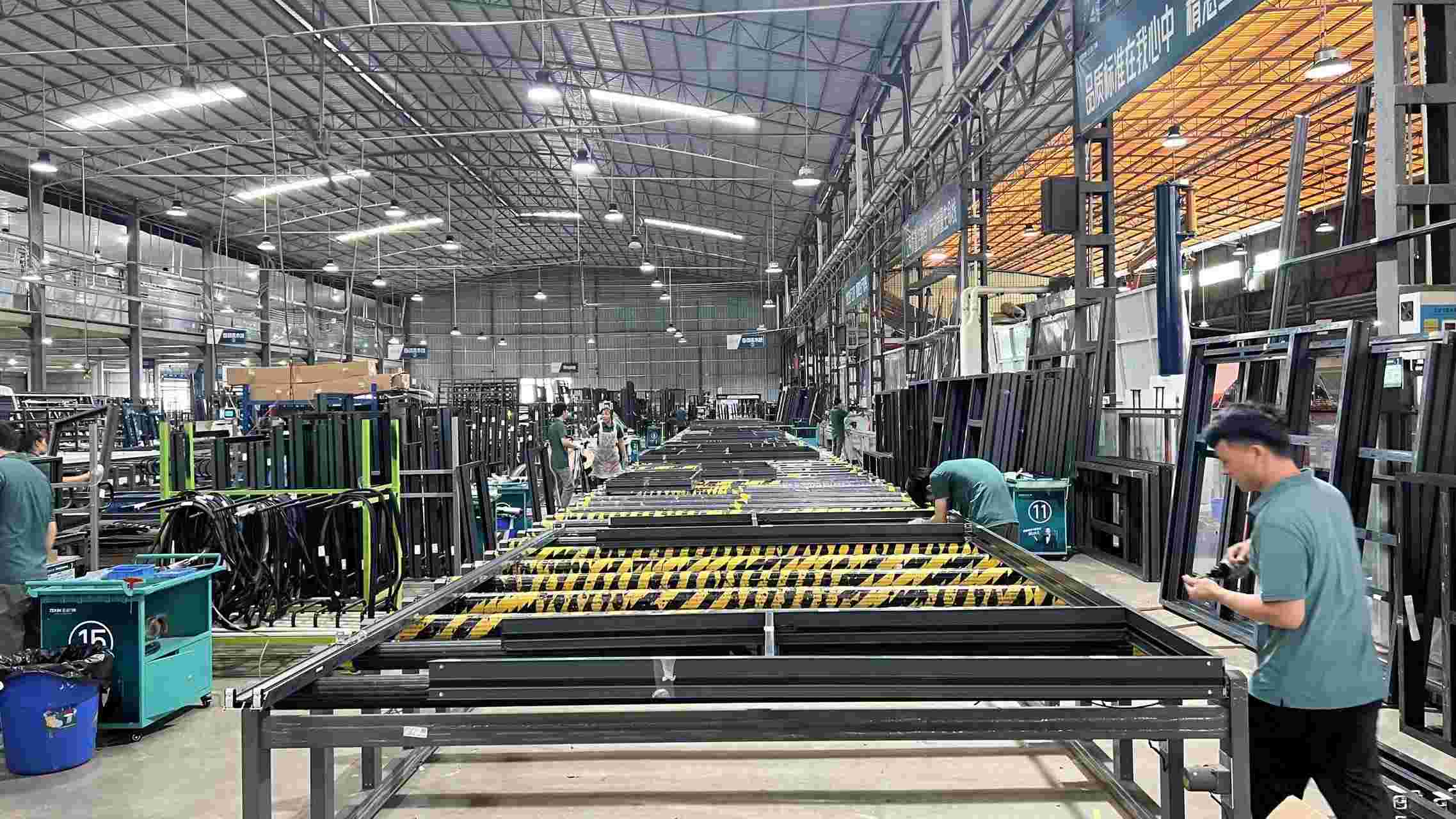
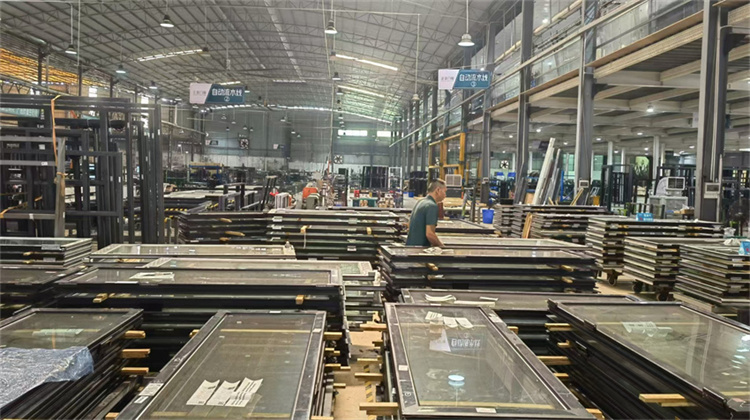
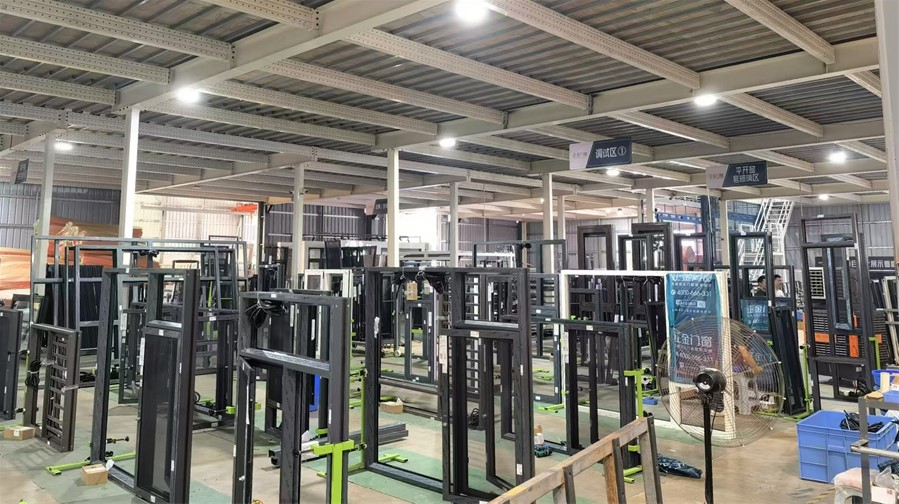
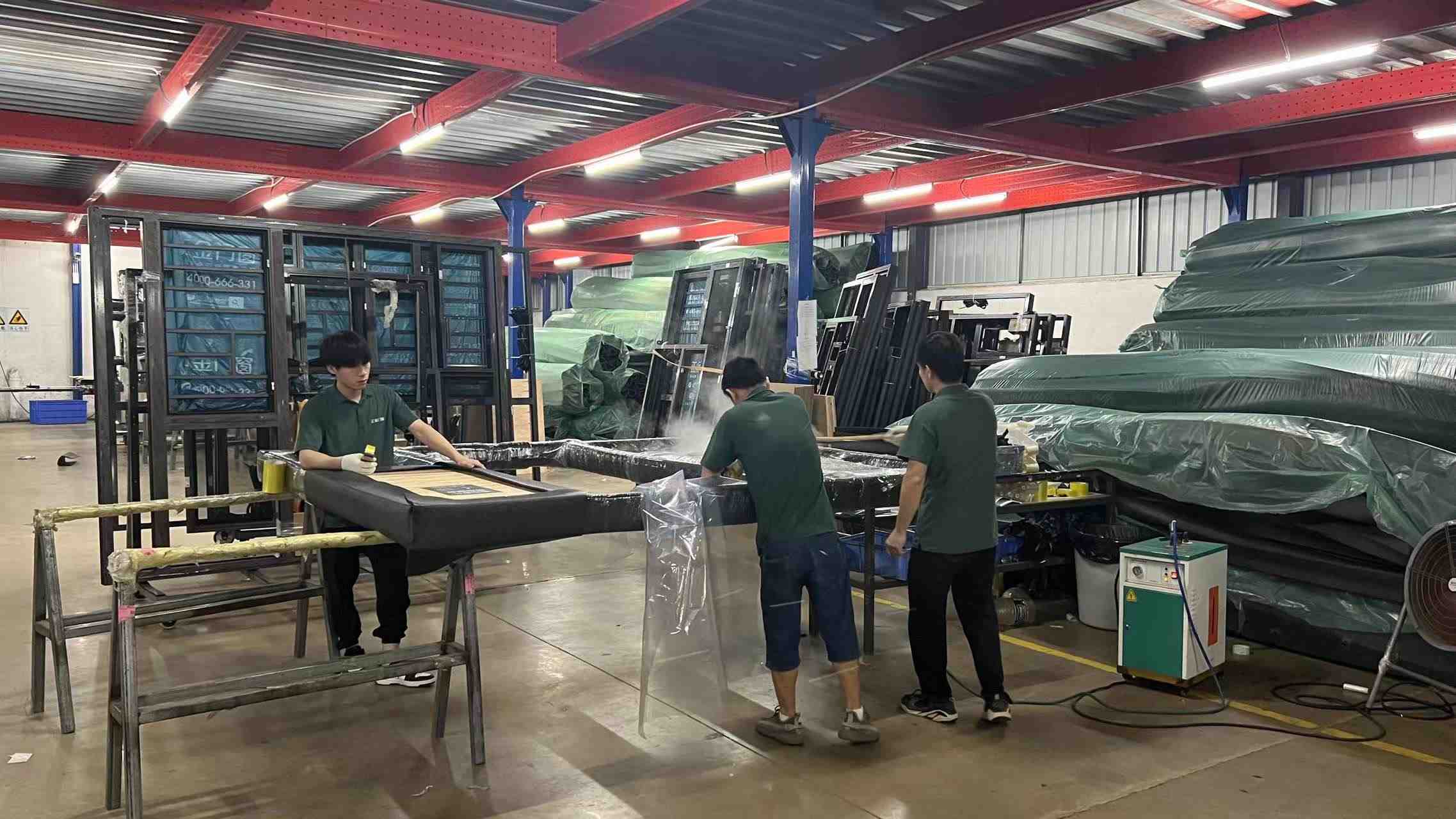
Ensuring Seamless Integration into North American, Australian, and European Architectural Codes
For project procurement within North America, entrance doors must fulfill structural design pressures specified by the American Architectural Manufacturers Association (AAMA). In coastal jurisdictions, compliance with Miami-Dade County Notice of Acceptance (NOA) is non-negotiable. Shieldoors structural entry profiles undergo extensive cyclic testing (TAS 203) and large-missile impact tests (TAS 201). Thermal performance is validated through National Fenestration Rating Council (NFRC) standards, guaranteeing accurate Solar Heat Gain Coefficients (SHGC) and U-factor metrics to pass strict local energy codes.
The Australian building environment demands stringent window and door assembly compliance under AS2047, evaluating wind load deflection, air infiltration, water penetration resistance, and ultimate strength. Coupled with AS1288 for structural glass selection, Shieldoors' product ranges—including commercial entry doors and heavy-duty sliding systems—are fully engineered to withstand harsh coastal weather and bushfire-prone zones (BAL ratings up to BAL-40).
Commercial entrance systems installed in public infrastructure, educational campuses, and luxury residential projects require certified passive fire protection. Shieldoors offers UL-listed fire-rated steel and composite entrance options (certified for 90-minute to 180-minute structural integrity under UL 10C standard). Additionally, full CE marking verifies non-toxicity, structural durability, and acoustic insulation compliance (EN ISO 10140-2).
Tailored Exterior & Structural Solutions for Commercial, Institutional, and Luxury Real Estate
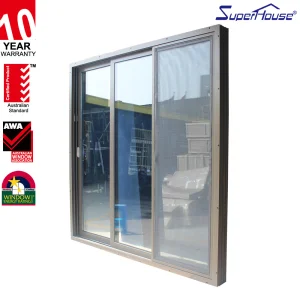
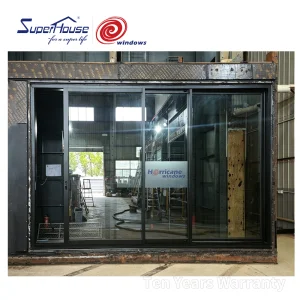
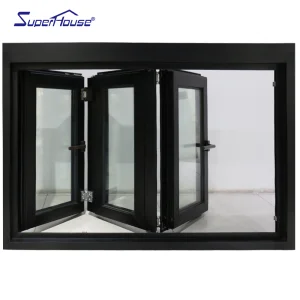
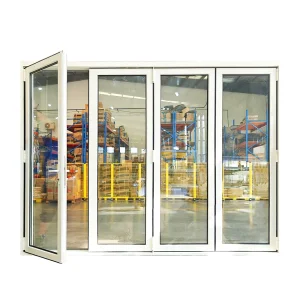
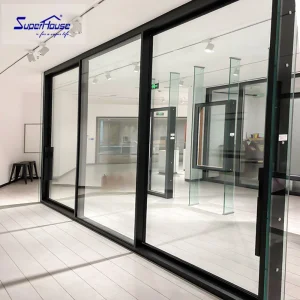
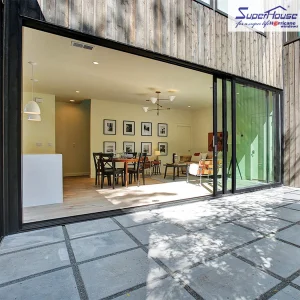
Extra-large hurricane-impact bi-fold and slim-frame sliding systems designed to resist salt-spray corrosion (AAMA 2605 powder coatings) while delivering panoramic ocean vistas.
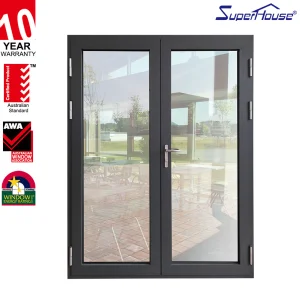
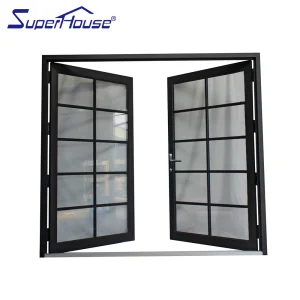
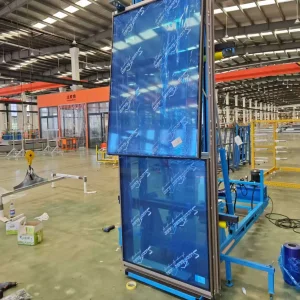
Overhead crane-operated hidden frame curtain walls and automated heavy-duty French swing doors equipped with smart access controls and high STC acoustic barrier glass.
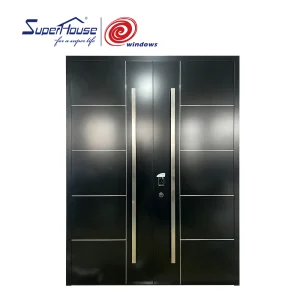
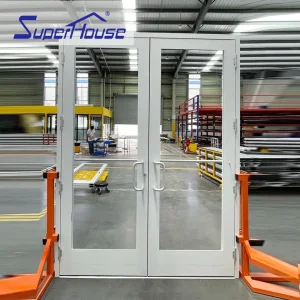
High-security commercial exit doors featuring crash push-bars, emergency panic closers, and heavy-gauge reinforced aluminum profiles for long lifespan under intensive traffic.
Driving Smart Building Connectivity, Aerogel Insulation, and Embodied Carbon Reduction
As smart cities and automated building management systems (BMS) become standardized globally, entrance door technology is rapidly evolving beyond passive physical barriers. Zhejiang Shieldoors Security Technology Co., Ltd. is leading this transformation through strategic research and development initiatives focused on three core pillars:
Expert Answers to Architectural, Structural Engineering, and B2B Sourcing Inquiries
Explore Heavy-Duty Bi-Folding, Escape, Hidden Frame, and Insulated Entry Systems
 Shieldoors