Explore our certified commercial-grade aluminium doors and structural window systems engineered for high-durability, extreme hurricane loads, and strict thermal insulation standards.
Understanding the macroeconomic drivers, regulatory mandates, and structural engineering paradigms elevating extruded aluminium to the dominant material of choice across commercial and residential developments worldwide.
Global building regulations—such as Europe's EPBD, ASHRAE 90.1 in North America, and Australia's NCC—impose stringent U-factor and SHGC limitations. Thermal break aluminium systems with advanced polyamide barriers (PA66GF25) are mandatory to mitigate thermal bridging and earn LEED/BREEAM certifications.
Aluminium features an exceptional strength-to-weight ratio (tensile strength up to 310 MPa for 6063-T6 alloys). This allows architects to design expansive floor-to-ceiling entrance portals, ultra-slim frame profiles, and heavy oversized double-glazed doors without structural deflection or frame sagging.
Unlike timber, which expands under moisture, or vinyl (uPVC), which degrades under intense UV exposure, anodized and PVDF fluoropolymer-coated aluminium doors withstand atmospheric corrosion, high-velocity wind loads (Miami-Dade NOA standard), and heavy foot traffic over 30+ year lifespans.
Evaluating the cluster economics, supply chain integration, automated machining precision, and cost efficiencies that position top Chinese OEM/ODM suppliers at the forefront of global commercial building projects.
Leading Chinese industrial hubs integrate bauxite refining, precision alloy extrusion, surface treatment (anodizing, powder coating, PVDF), insulated glass unit (IGU) manufacturing, and hardware assembly within micro-regional radii. This vertical integration drastically reduces component lead times and eliminates multi-tier middleman markups.
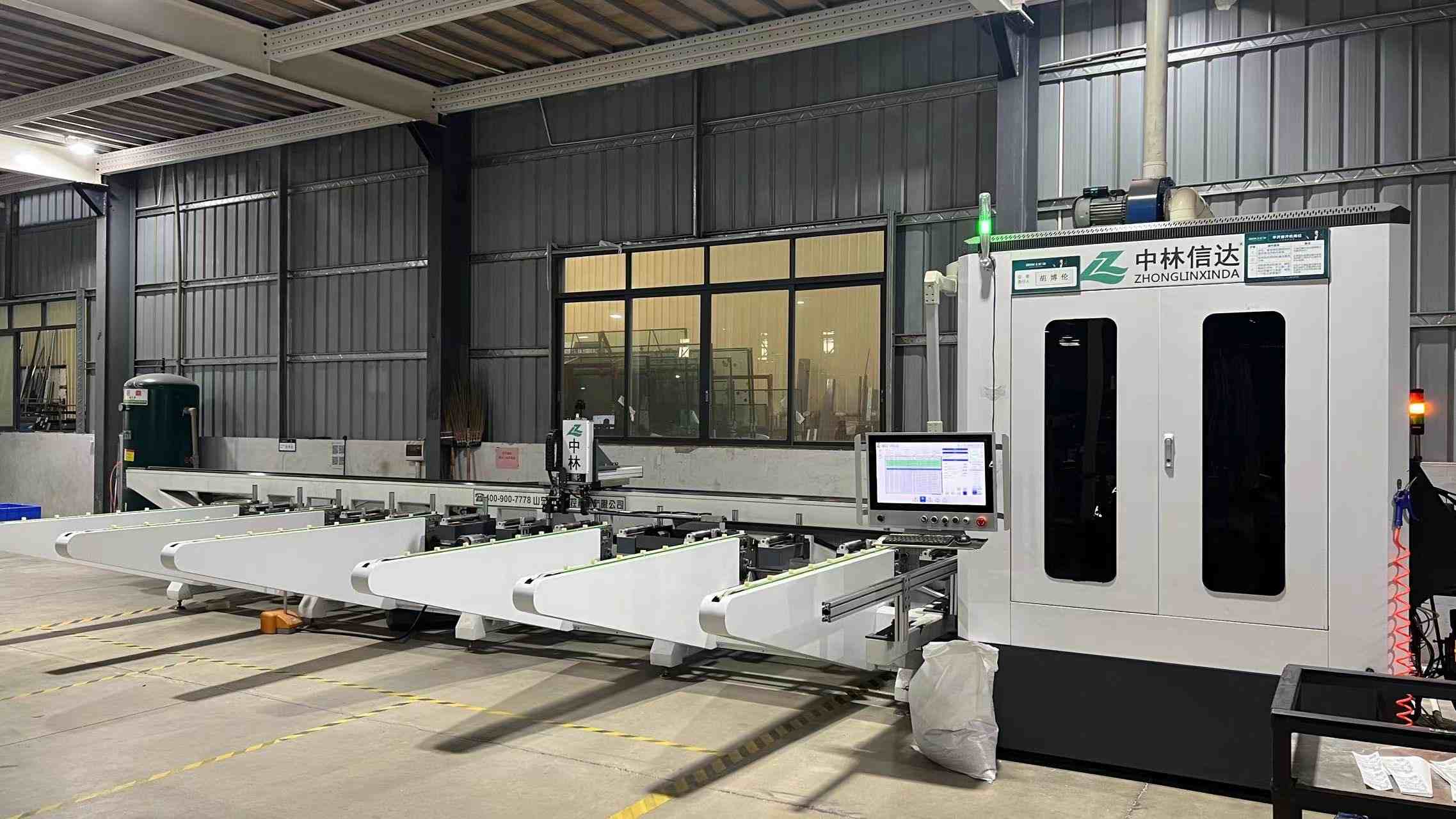
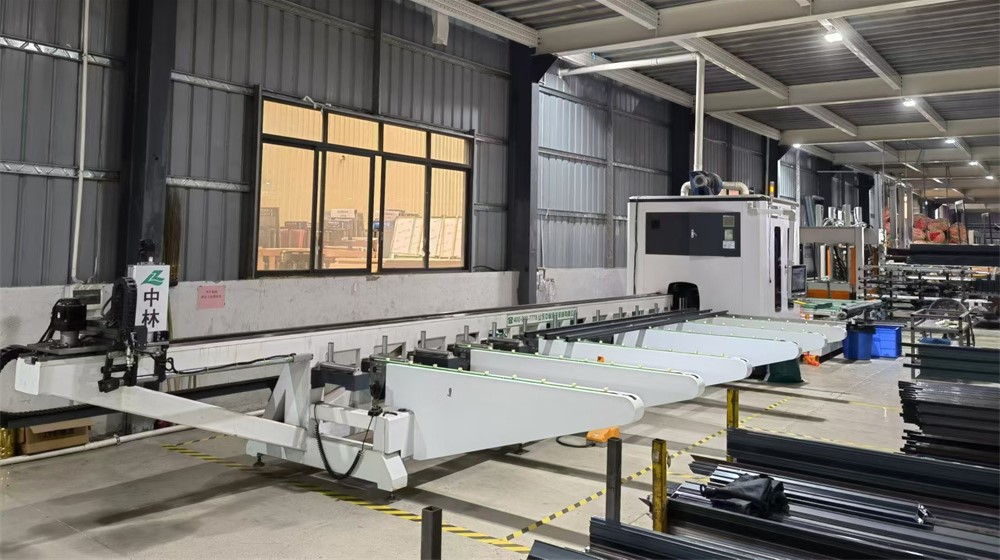
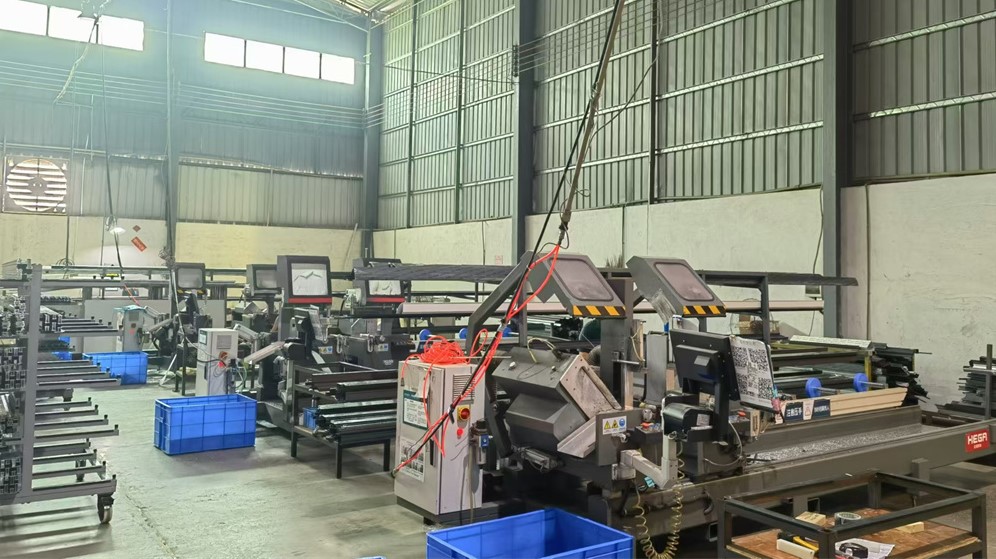
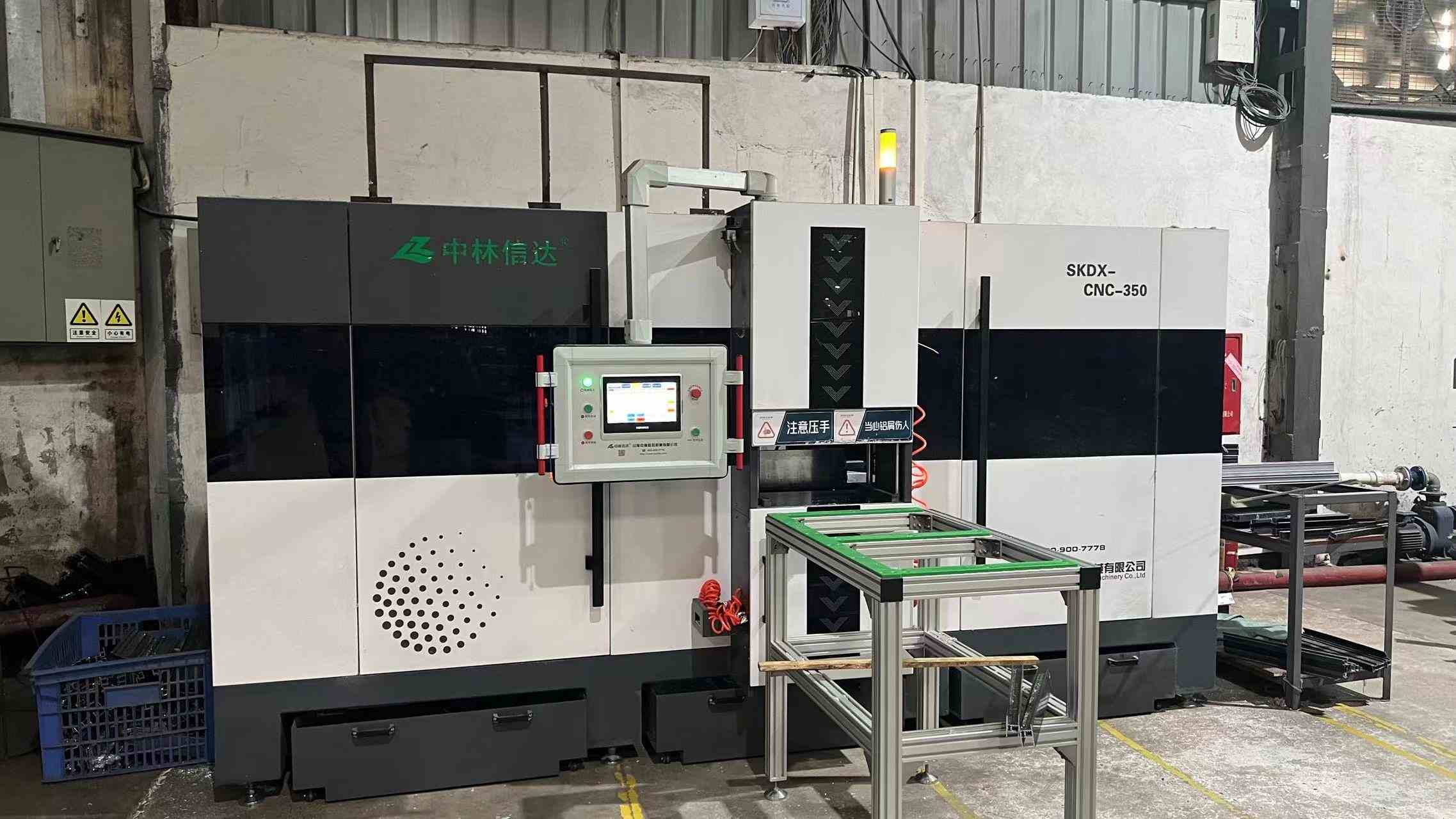
Modern Chinese door factories utilize 5-axis CNC machining centers, automated double-head cutting saws, and robotic corner-crimping technology. Tolerances are held strictly within ±0.5mm, ensuring seamless frame miter joints, perfect air-tightness seal compression, and zero structural deflection during installation.
Top-tier suppliers do not merely manufacture; they design against rigorous international standards. Products are pre-tested and certified by global authorities, obtaining NFRC U-factor ratings, Florida Building Code NOA (Notice of Acceptance) hurricane impact ratings, Australian AS2047 benchmark approval, and European CE/UL compliance.
Whether real estate developers require custom thermal break profile extrusions, integrated smart biometric hardware, motorized tilt-turn mechanics, or specialized acoustic glass laminates, Chinese enterprise manufacturers maintain high R&D capacity to take products from CAD/BIM designs to physically tested prototypes within weeks.
An exhaustive operational overview of an industry leader in architectural doors and fenestration engineering.
Zhejiang Shieldoors Security Technology Co., Ltd. was established in 2016 and is located in an expansive 45,000 m² production base. Building on 10 years of industry leadership and 6 years of international trade experience, the company generates an annual export revenue reaching USD 42,000,000.
Our commitment to excellence is maintained through rigorous ISO9001-certified quality control and third-party product testing methods, including CE, UL fire-rated, and hurricane-impact certifications. A dedicated quality inspection team of 78 QC specialists ensures that every entry door meets international safety standards. Working with a robust ecosystem of 1,400 supply chain partners, our trade background covers direct export, project bidding, and global supply chain integration, mainly targeting key markets in North America, Australia, and Southeast Asia.
Innovation is at the heart of our operations. Supported by 350 skilled R&D engineers, we launched 450 new product designs last year. We serve major real estate developers, architectural firms, and building material retail chains by offering tailored customization options ranging from soundproofing and thermal insulation features to smart lock integration and custom panel finishes.
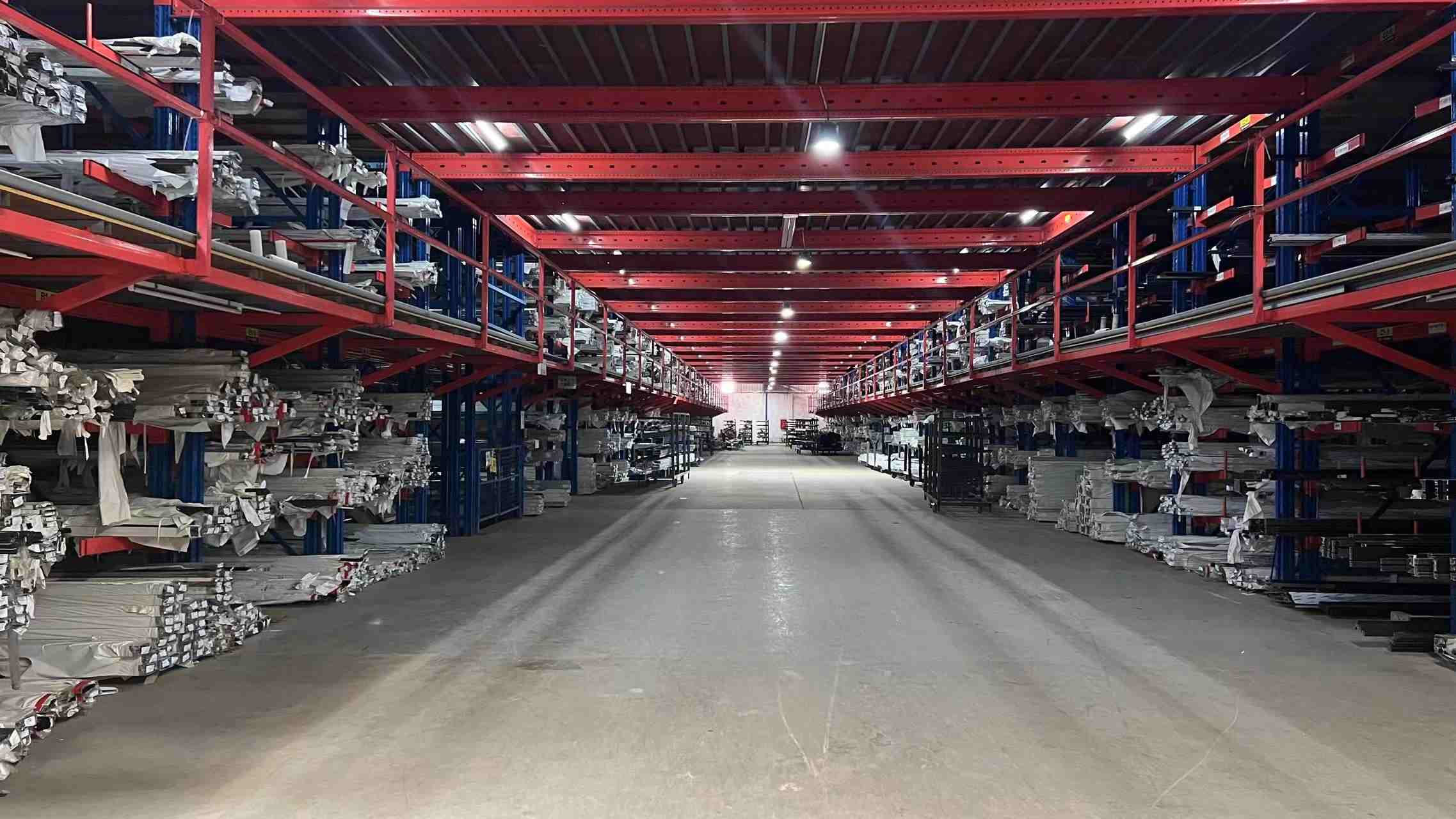
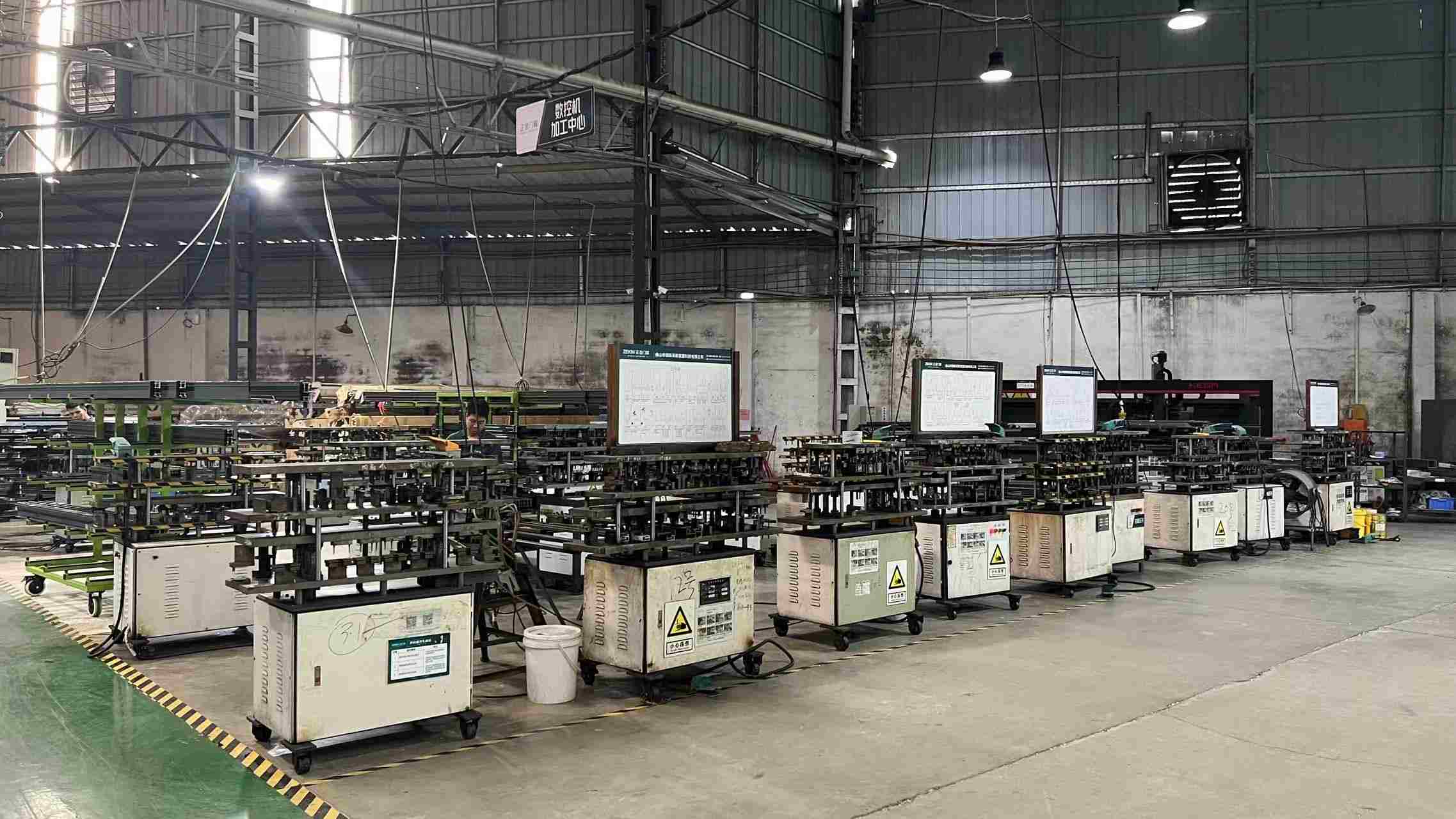
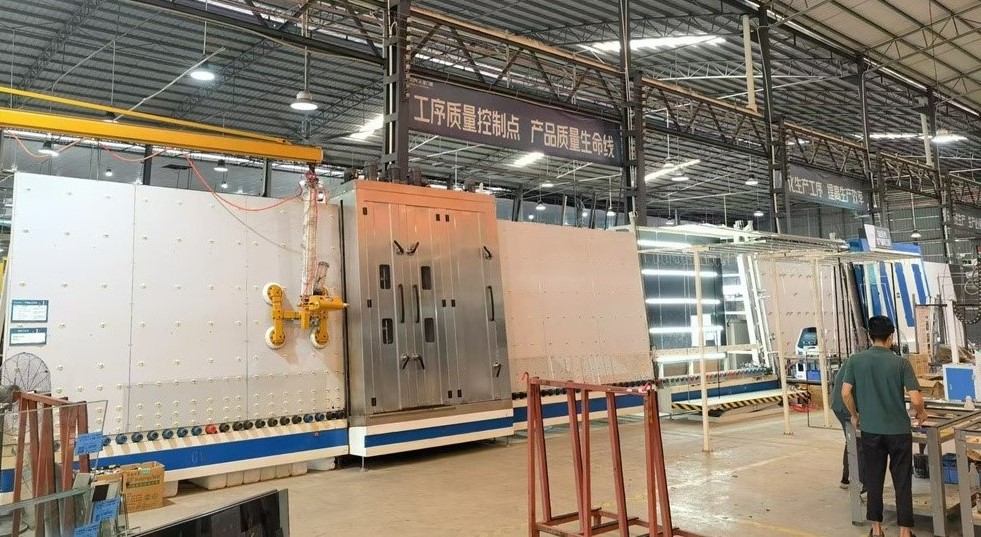
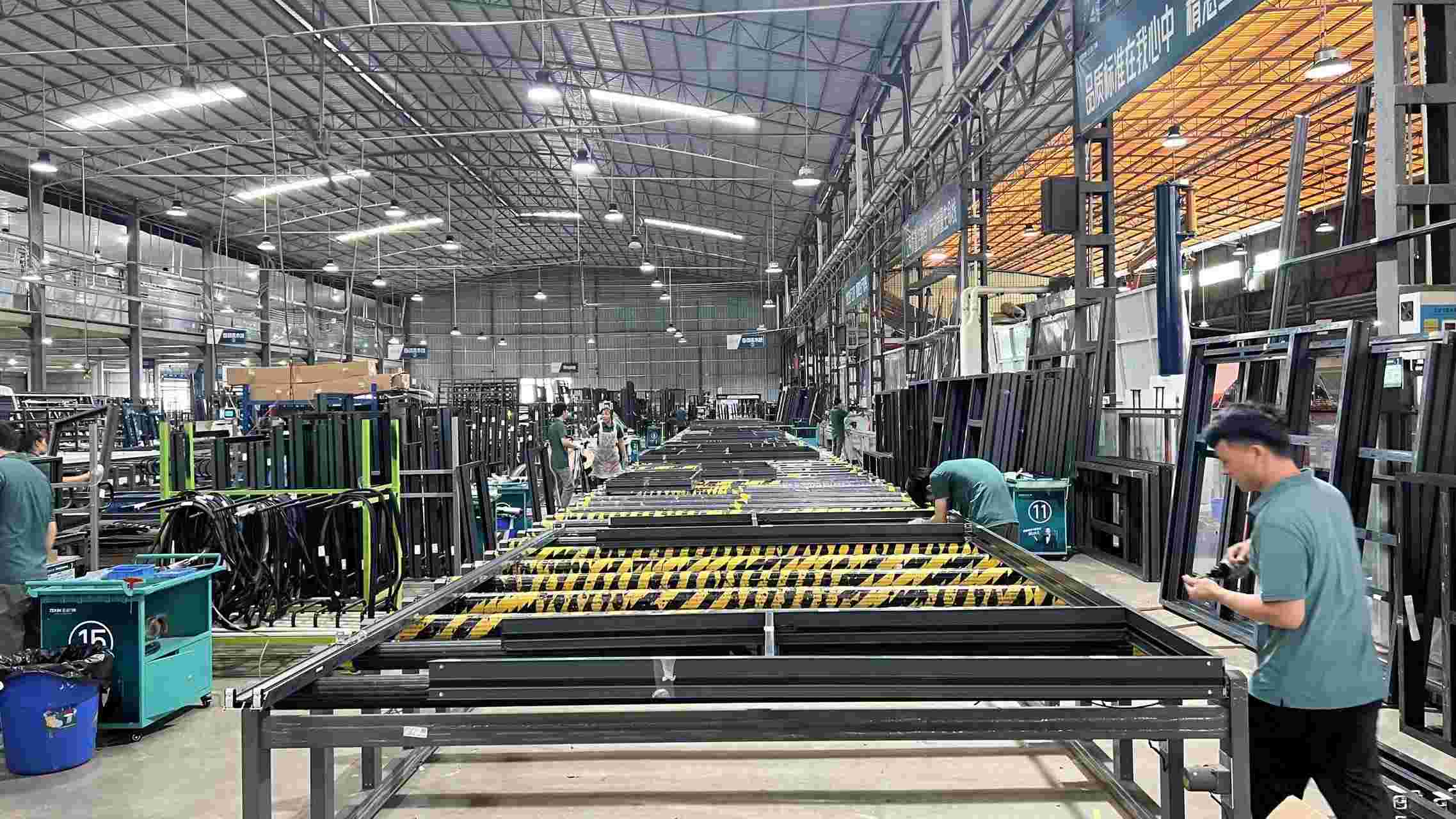
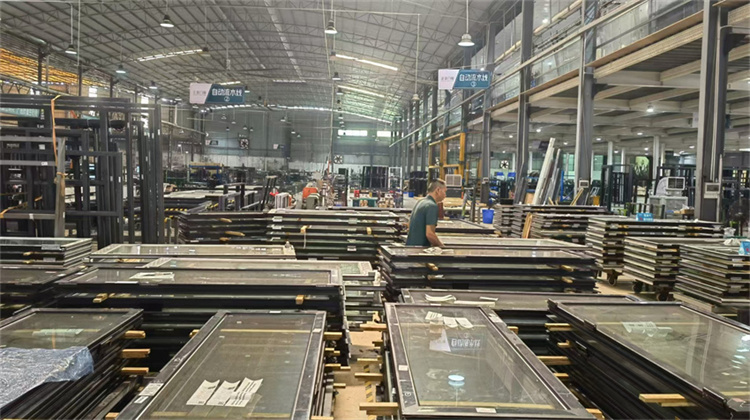
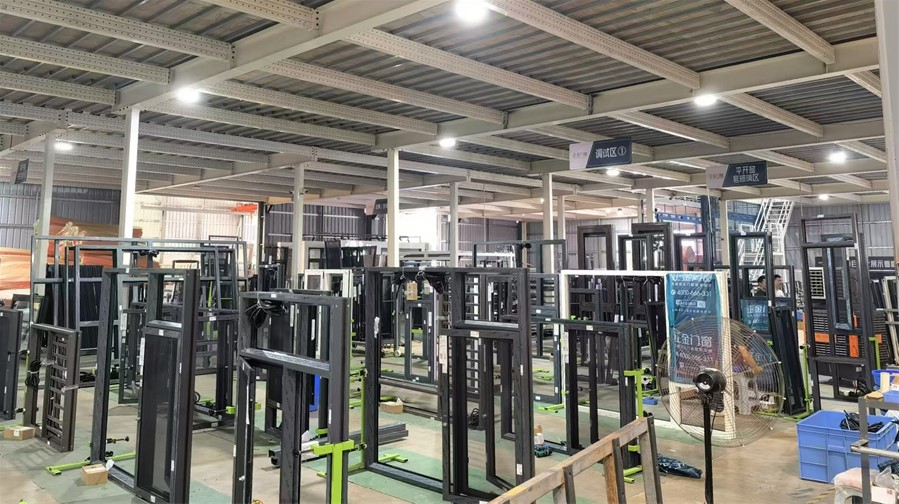
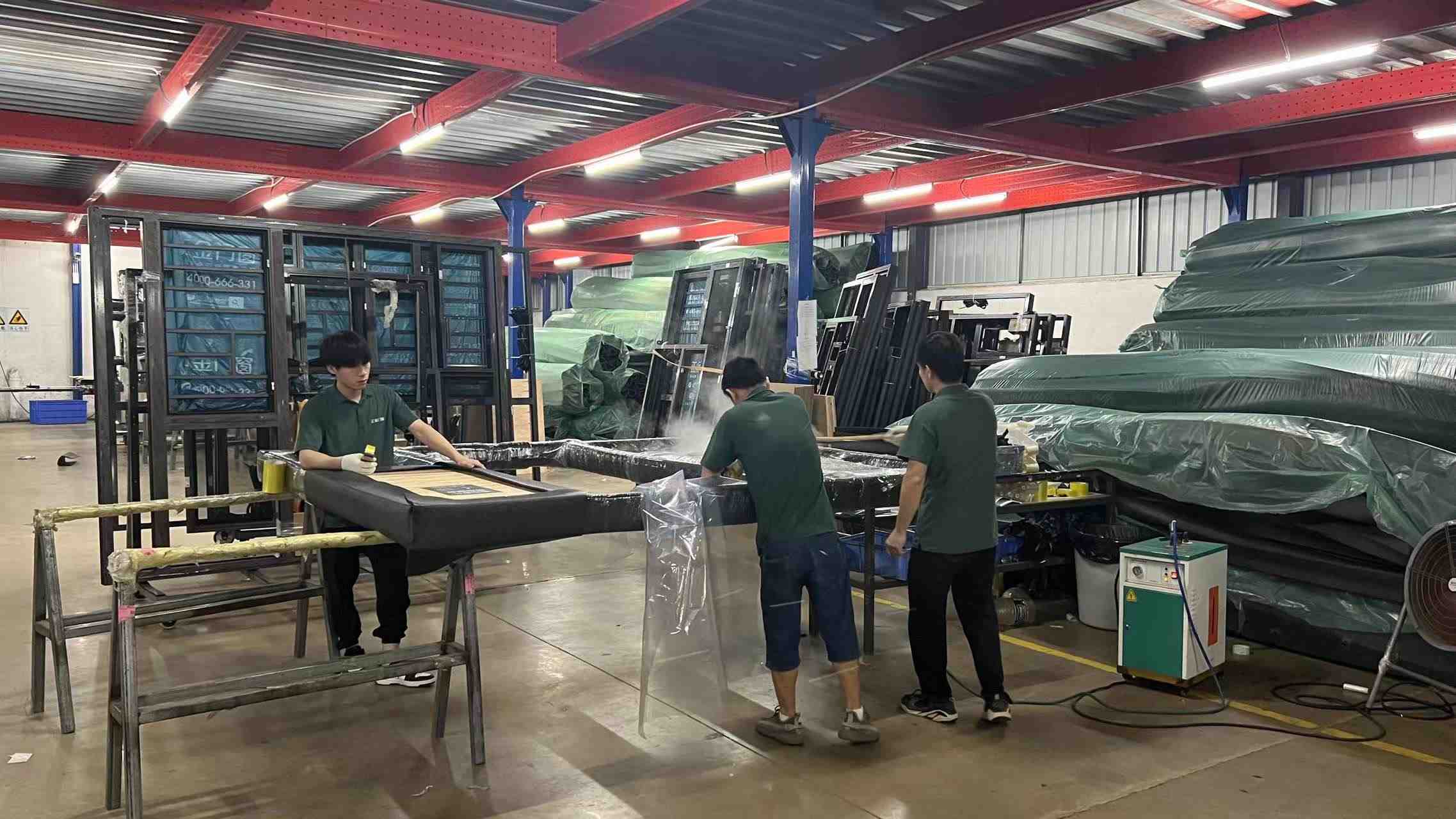
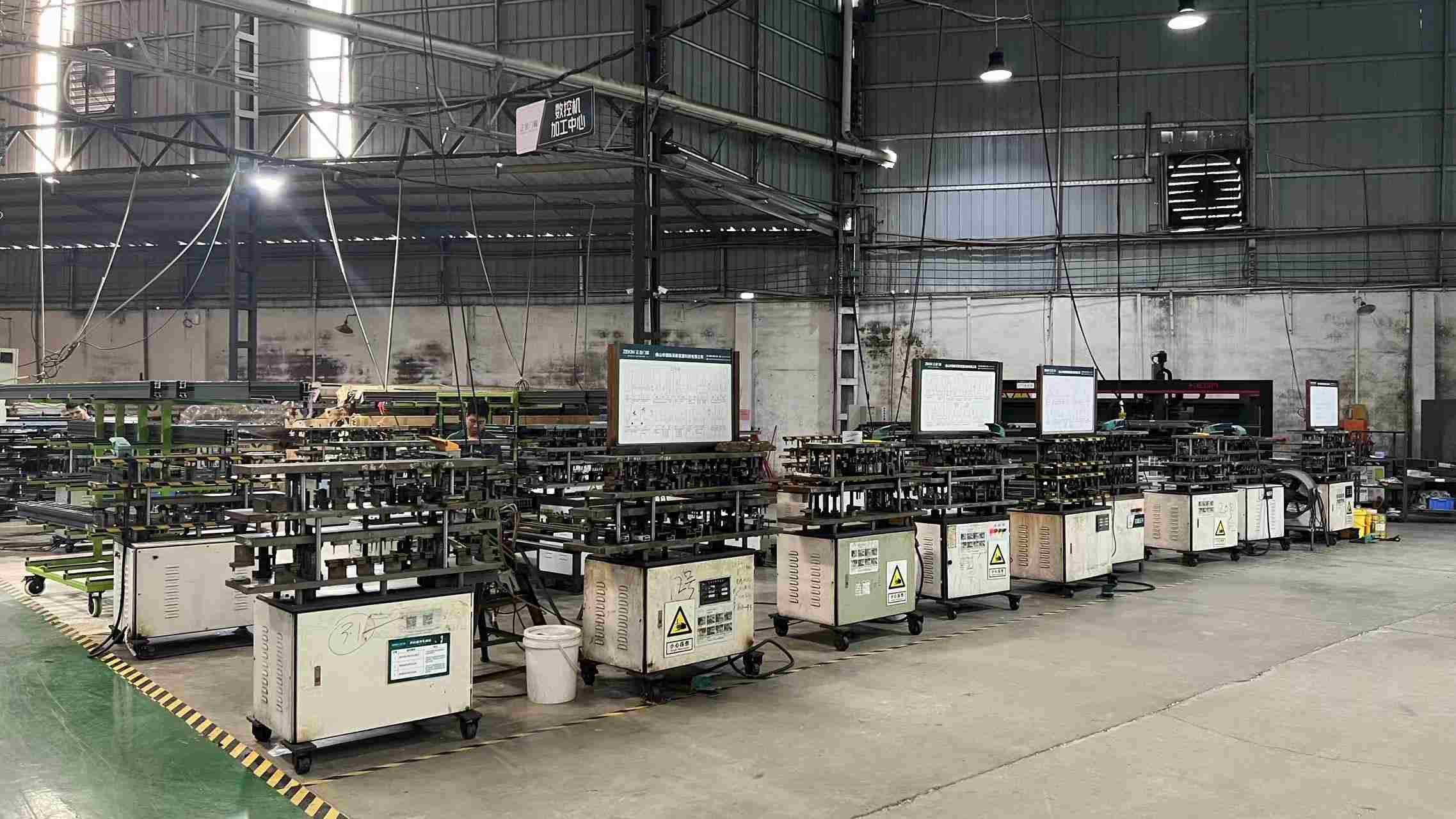
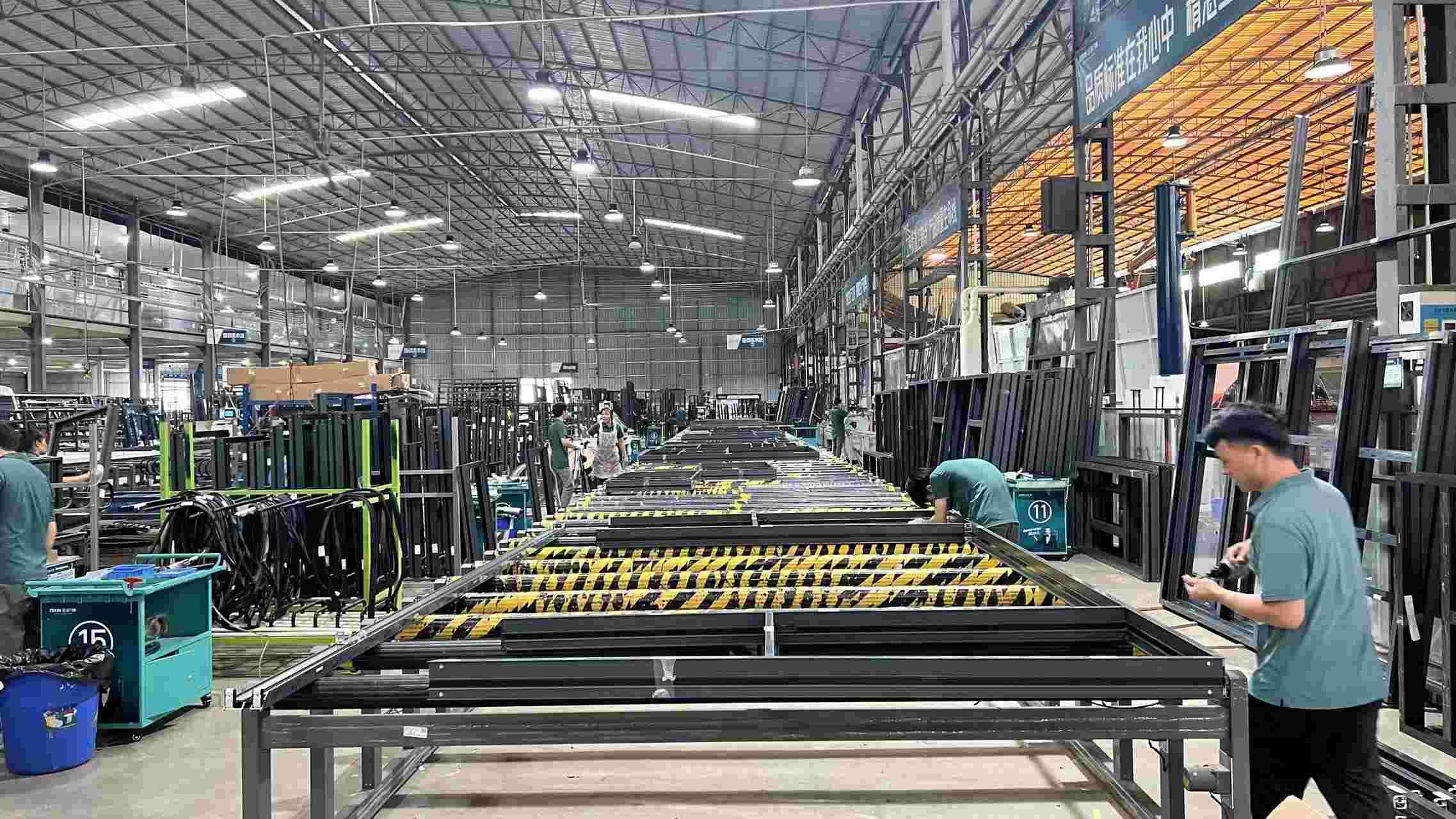
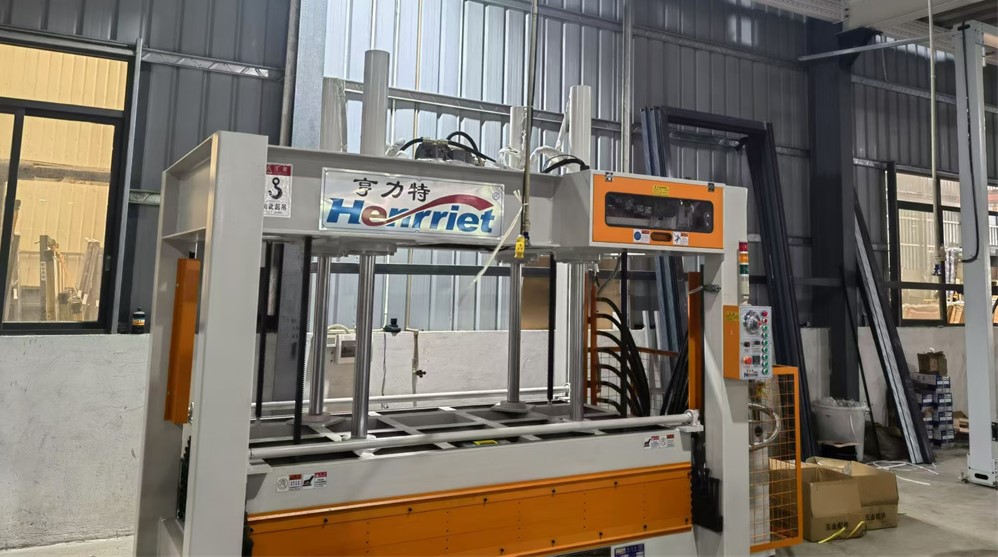
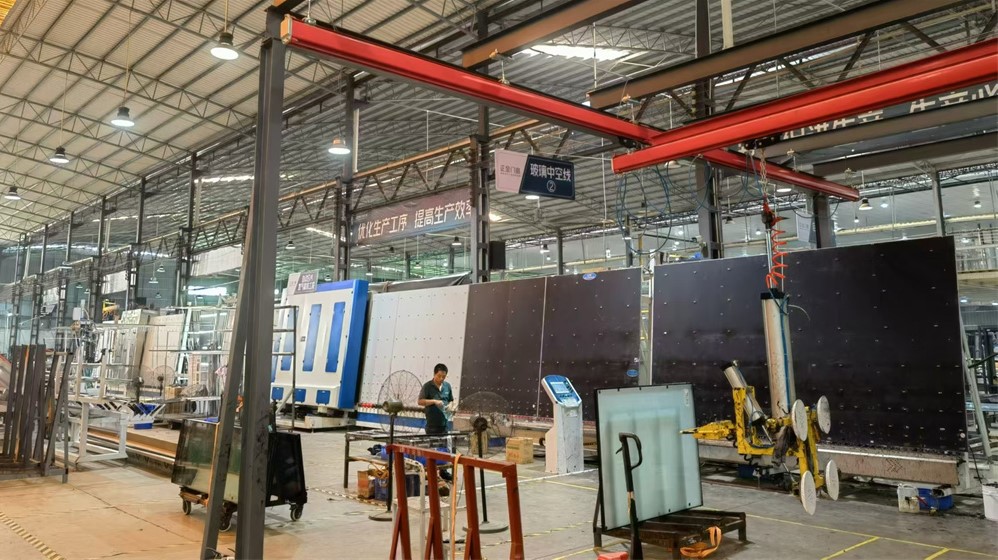
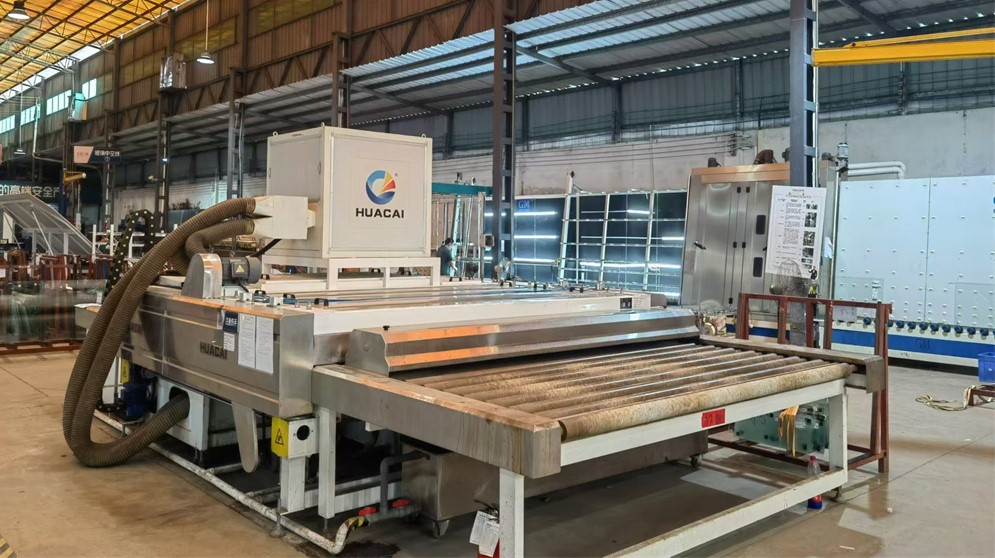
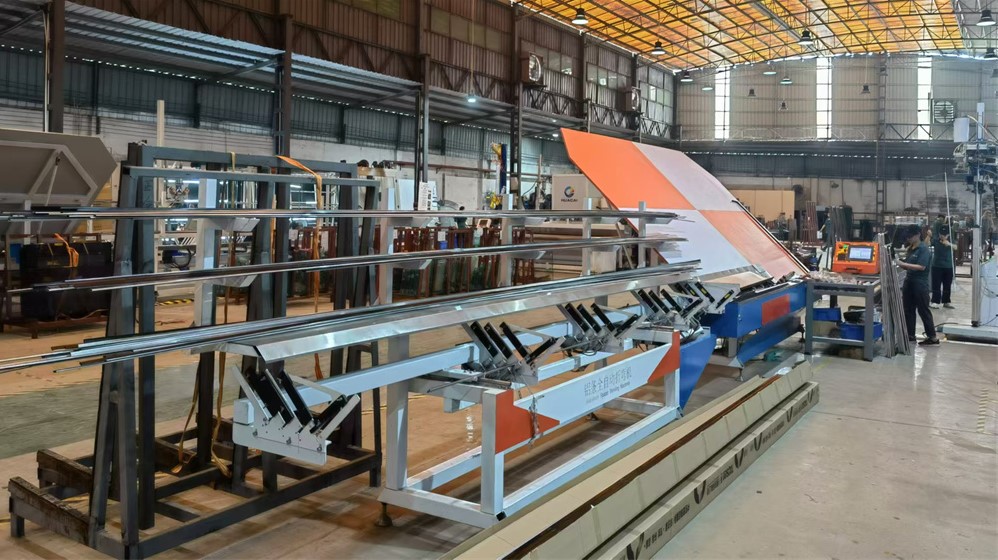
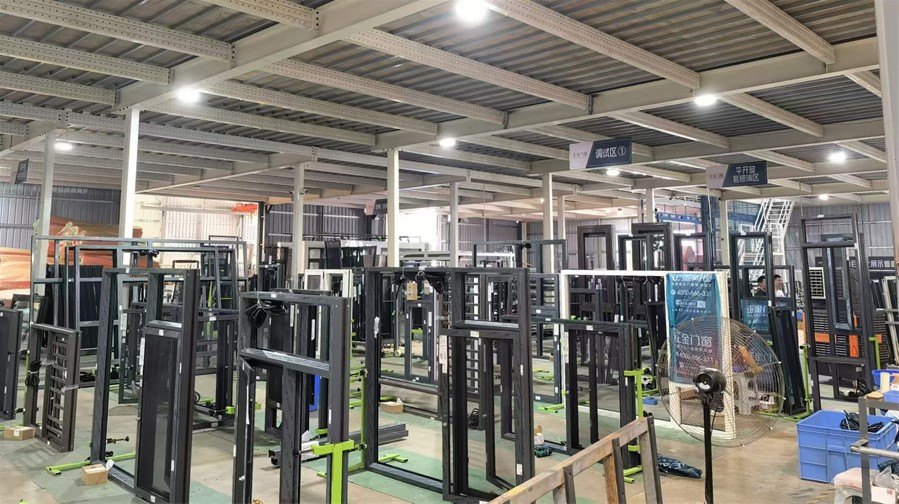
Inside Zhejiang Shieldoors' advanced manufacturing facility: Step-by-step assembly workflow and automated German/Italian machinery footprint.
Information Gain Deep-Dive: A rigorous breakdown of fenestration engineering metrics required for commercial enterprise specifications and project tender compliance.
| Engineering Parameter | Technical Standard & Testing Method | High-Performance Target Value | Structural Mechanism & Impact |
|---|---|---|---|
| Thermal Transmittance (U-Factor) | NFRC 100 / ISO 10077-2 / EN 673 | 0.8 to 1.4 W/m²·K (0.14 - 0.25 Btu/h·ft²·°F) | Achieved via Polyamide (PA66GF25) thermal struts inserted between inner and outer extruded aluminium profiles, breaking thermal conductivity. |
| Wind Load Resistance | ASTM E330 / AS2047 / EN 12210 | Design Pressure (DP) Up to ±90 PSF (HVHZ NOA) | Ensures structural integrity under extreme hurricane conditions without frame deformation or glass dislodgement. |
| Air Infiltration & Permeability | ASTM E283 / EN 12207 (Class 4) | < 0.1 cfm/ft² at 1.57 psf (75 Pa) | Utilizes multi-layer EPDM continuous weather stripping gaskets and interlocking compression seals. |
| Acoustic Attenuation (STC / OITC) | ASTM E90 / ISO 717-1 | STC 38 - 45 dB / OITC 32 - 38 dB | Combination of asymmetrical double/triple laminated glass panes with acoustic PVB Interlayers and argon gas fill. |
| Forced Entry Security Rating | EN 1627 (RC2 / RC3) / ASTM F588 | Class RC3 Security Level Pass | Multi-point hook locking mechanisms, anti-lift pins, and reinforced stainless steel hinge plates integrated into internal aluminum webs. |
Polyamide 66 reinforced with 25% glass fiber (PA66GF25) matches the coefficient of thermal expansion of aluminium (2.3 x 10⁻⁵/K). This prevents structural shear stress or delamination when doors are exposed to internal heating vs external sub-zero conditions.
For coastal environments (within 5 miles of salt water), 70% Kynar 500 / Hylar 5000 PVDF coatings or Class I Anodizing (25-micron thickness) must be specified to pass 3,000-hour ASTM B117 salt spray fog corrosion testing.
Modern entrance systems combine Low-Emissivity (Low-E) soft coatings on surface #2 or #3 with warm-edge composite spacers (Swisspacer/Technoform) and 90% Argon gas filling to achieve solar heat gain control (SHGC < 0.25).
Adapting door engineering to global regional requirements: How leading suppliers design for North American, Australian, European, and Middle Eastern environments.
Requires strict compliance with NFRC energy ratings, ADA (Americans with Disabilities Act) zero-threshold compliance for commercial entrances, and Miami-Dade County NOA impact standards in coastal hurricane zones. Products must withstand missile impact testing (TAS 201/203).
Governed by AS2047 (Windows and doors in buildings) and AS1288 (Glass in buildings). Aluminium doors must undergo water penetration resistance testing up to high pressure levels (450 Pa+), along with BAL (Bushfire Attack Level) fire-resistance rating up to BAL-40.
Focuses on mandatory CE Marking under EN 14351-1. Requires ultra-low U-values (<0.8 W/m²K for Passive House standards), strict REACH chemical compliance for powder coatings, and European RC2/RC3 anti-burglary security certification.
Demands thermal break systems capable of resisting extreme ambient heat exceeding 50°C and intense UV radiation. Highly specified with double-silver Low-E glass, heavy PVDF coatings, and dust-proof EPDM dual seals against sandstorms.
A step-by-step risk-mitigation checklist for procurement officers, general contractors, and real estate developers sourcing aluminium doors globally.
Audit whether the supplier employs a dedicated internal QC department (e.g., 78+ specialists) executing raw material spectrometer testing, corner-cleat tension tests, and water submersion leak checks prior to packing.
Verify options for tier-1 global hardware integration (such as German Siegenia, Hoppe, GU, Roto, or top-tier domestic brands like Kin Long) to ensure hinge weight capacities exceed 200kg per panel over 100,000 cycle tests.
Require heavy-duty export packaging: fully enclosed plywood crates, glass edge corner guards, protective anti-scratch film, and desiccants to prevent sea-air moisture oxidation during container transit.
Addressing technical, logistical, and commercial inquiries from developers, architects, and international supply chain managers.
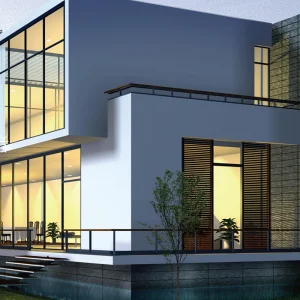
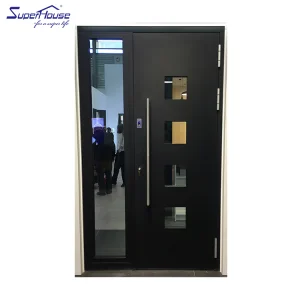
Explore additional certified architectural door models, fixed soundproof windows, and villa entry systems customized for international developers.
 Shieldoors