Explore our certified range of high-performance architectural windows and tempered glass entry doors engineered for extreme weather resilience, structural security, and premium thermal efficiency.
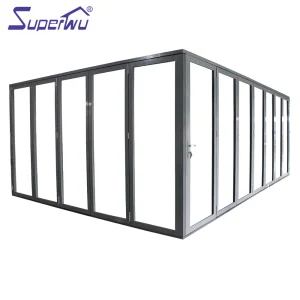
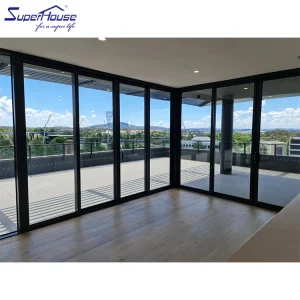
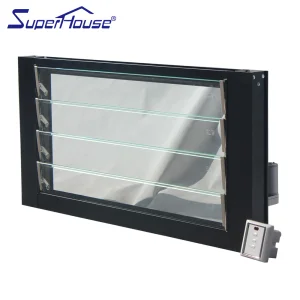
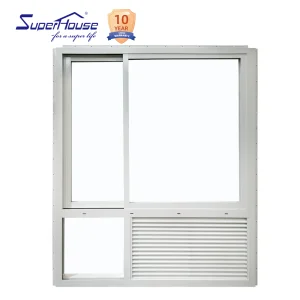
As architectural standards shift toward expansive glazing, structural transparency, and extreme thermal resilience, Zhejiang Shieldoors Security Technology Co., Ltd. stands as a premier manufacturing benchmark in custom entry systems and structural fenestration.
Established in 2016 and operating out of a state-of-the-art 45,000 m² automated production complex, Zhejiang Shieldoors Security Technology Co., Ltd. synthesizes over 10 years of domestic industry leadership with 6 years of deep global trade expertise. Achieving an annual export revenue of USD 42,000,000, our manufacturing plant serves global commercial contractors, luxury residential developers, and high-volume distributor networks across North America, Australia, Europe, and Southeast Asia.
Our enterprise quality infrastructure operates under strict ISO 9001 quality management protocols. Every tempered glass entry door, thermal break sliding assembly, and hurricane-rated curtain wall undergoes multi-stage structural validation. We maintain extensive internationally recognized third-party product certifications including CE Marking, UL Fire-Rated classifications, NFRC energy performance badges, and Miami-Dade NOA (Notice of Acceptance) structural hurricane-impact compliance. With a rigorous quality assurance force of 78 dedicated QC specialists and an integrated network of over 1,400 specialized material suppliers, we guarantee precise material traceability, structural integrity, and long-term durability.
Engineering innovation drives our enterprise trajectory. Powered by a division of 350 skilled R&D engineers, Shieldoors successfully engineered and commercialized over 450 new architectural product designs within the last operational year alone. From custom thermal break extrusion profiles and multi-point smart biometric hardware integrations to complex acoustic glazing units (IGUs) and minimal-frame panoramic entry profiles, we turn complex architectural blueprints into scalable, high-yield manufacturing reality.
Our fully automated manufacturing ecosystem ensures sub-millimeter machining precision, optimal glass tempering surface compression, and flawless assembly execution across all OEM/ODM lines.
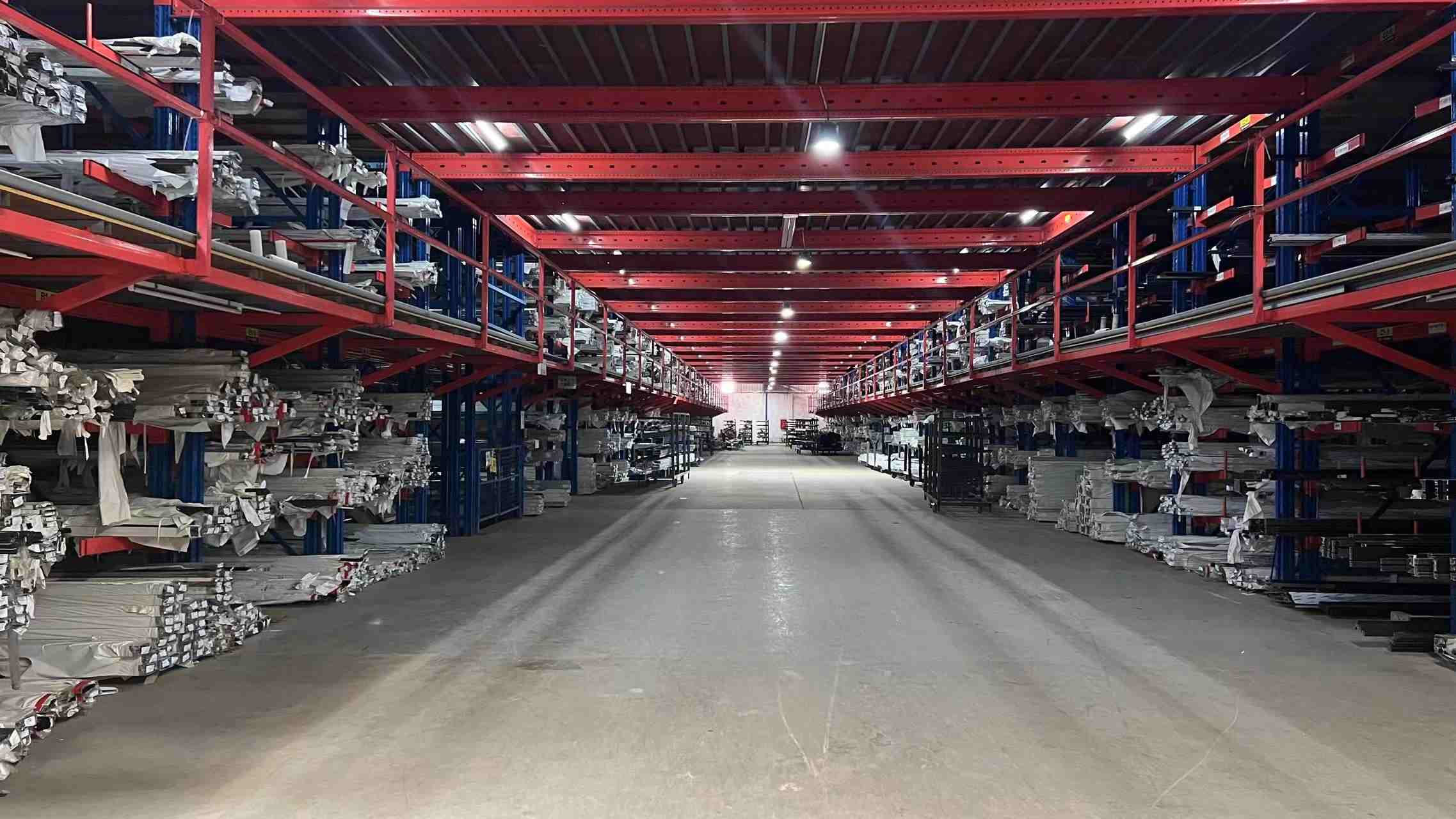 1. Raw Materials
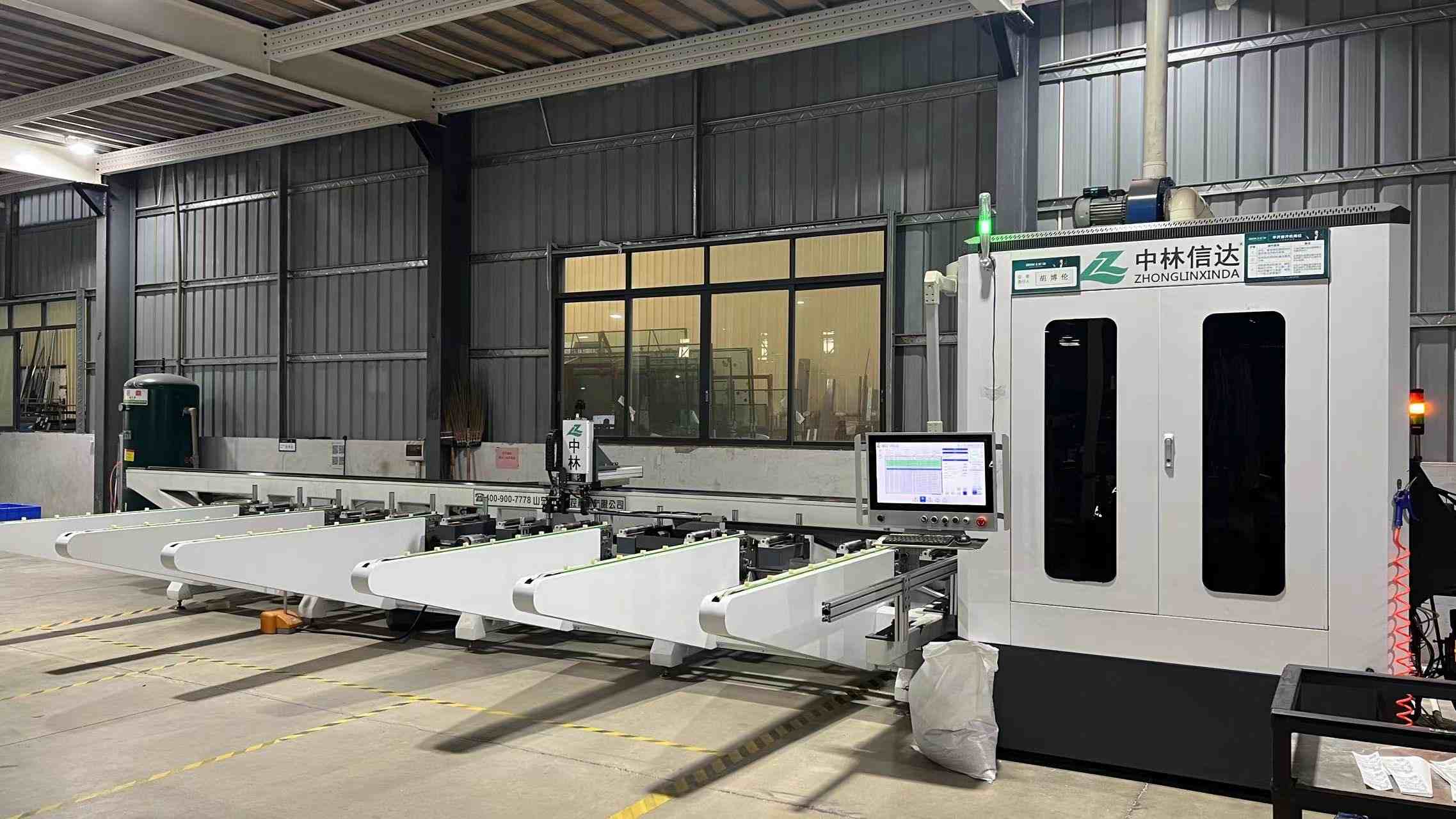 2. Cutting
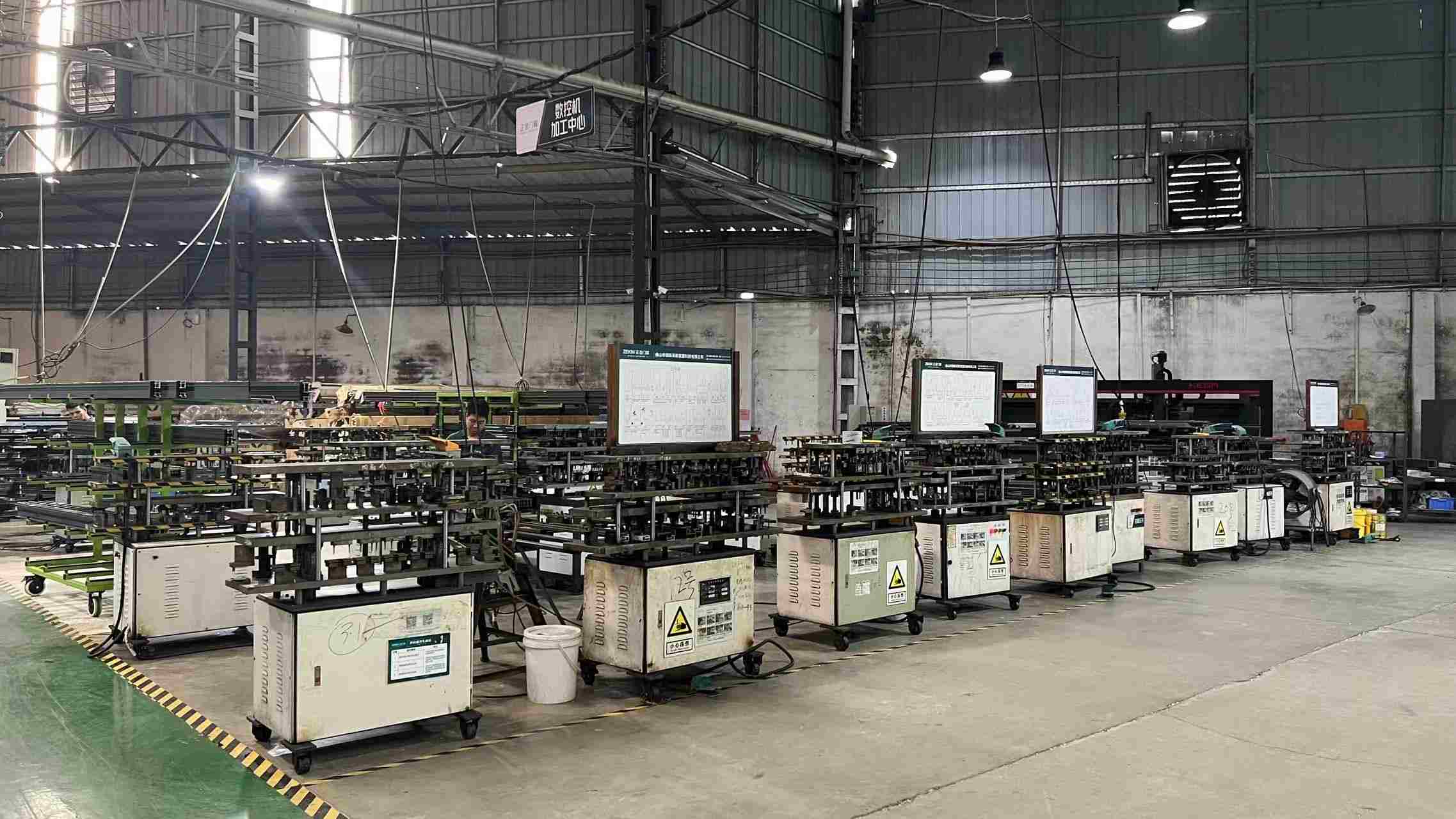 3. Punching
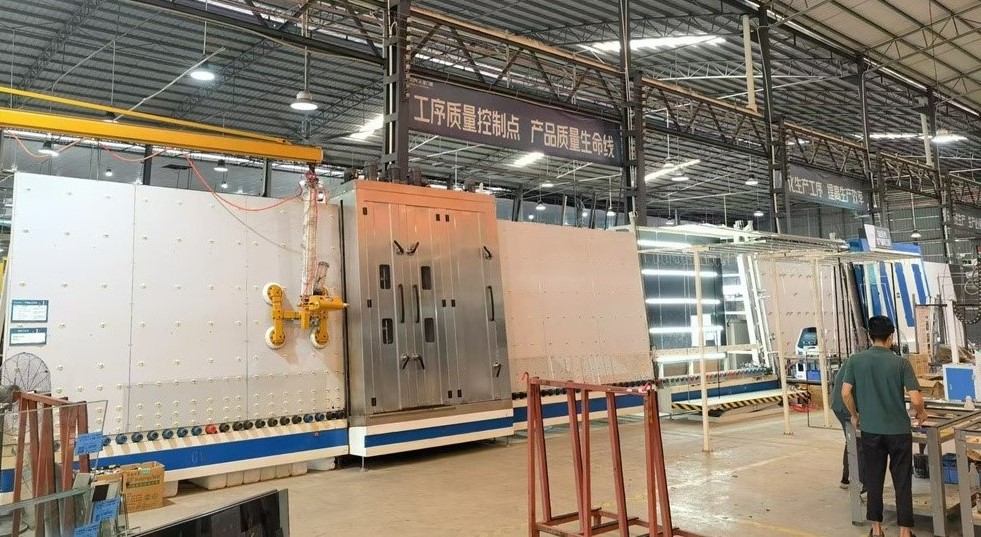 4. Hollow Processing
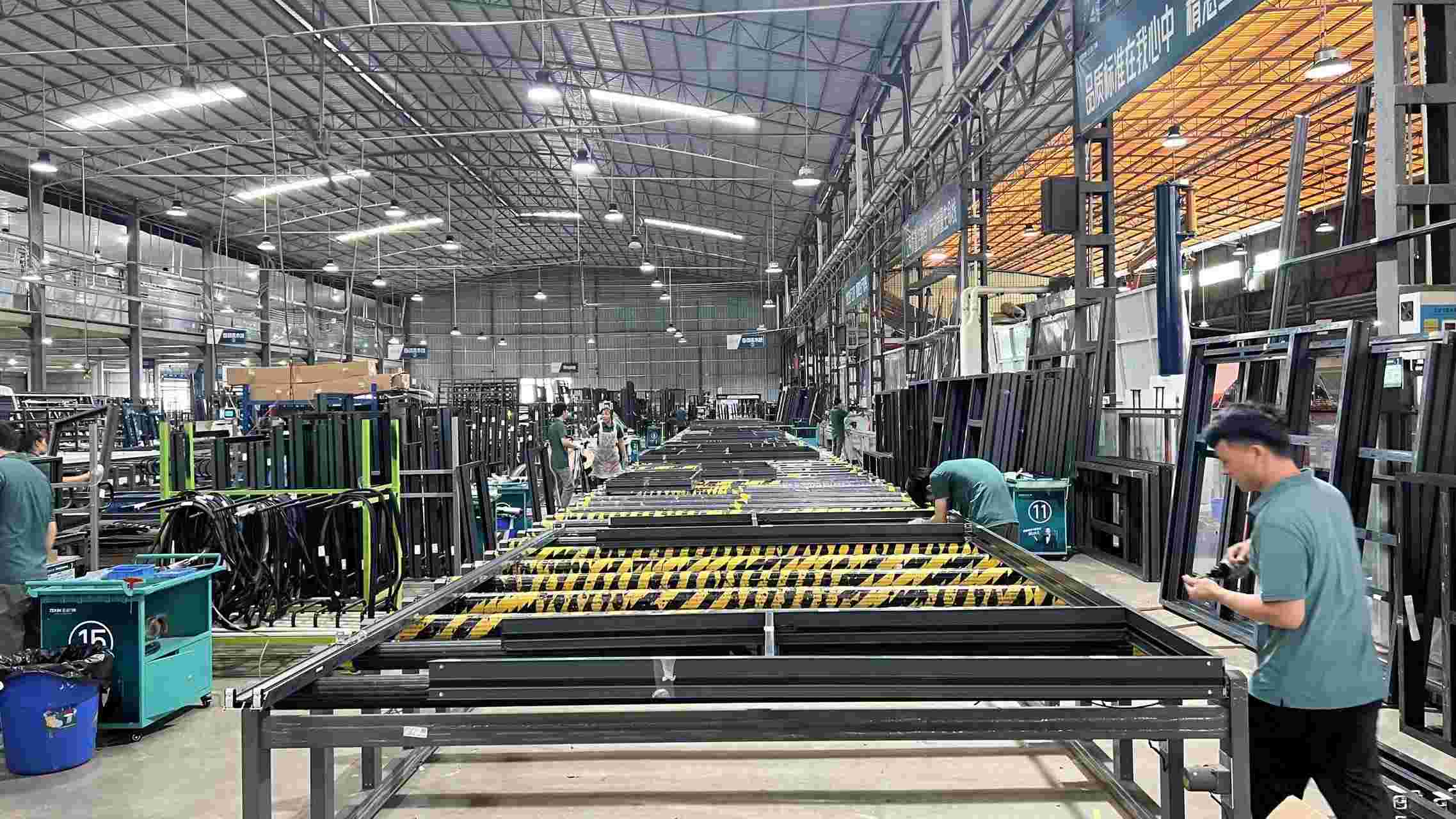 5. Gluing
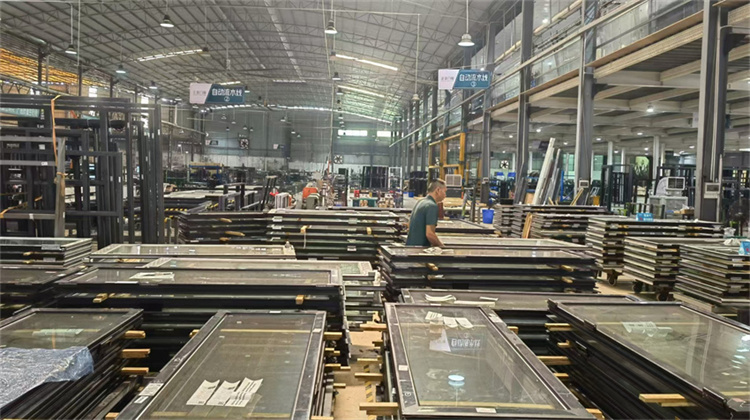 6. Assembly
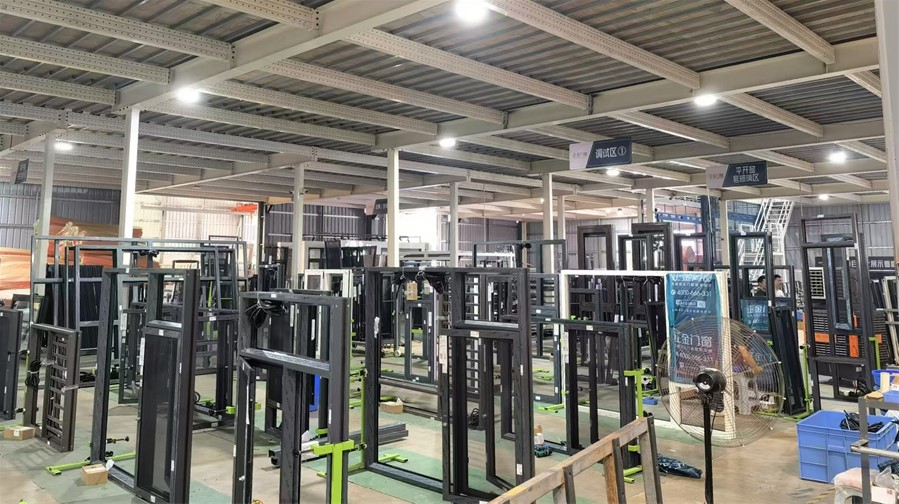 7. Debugging
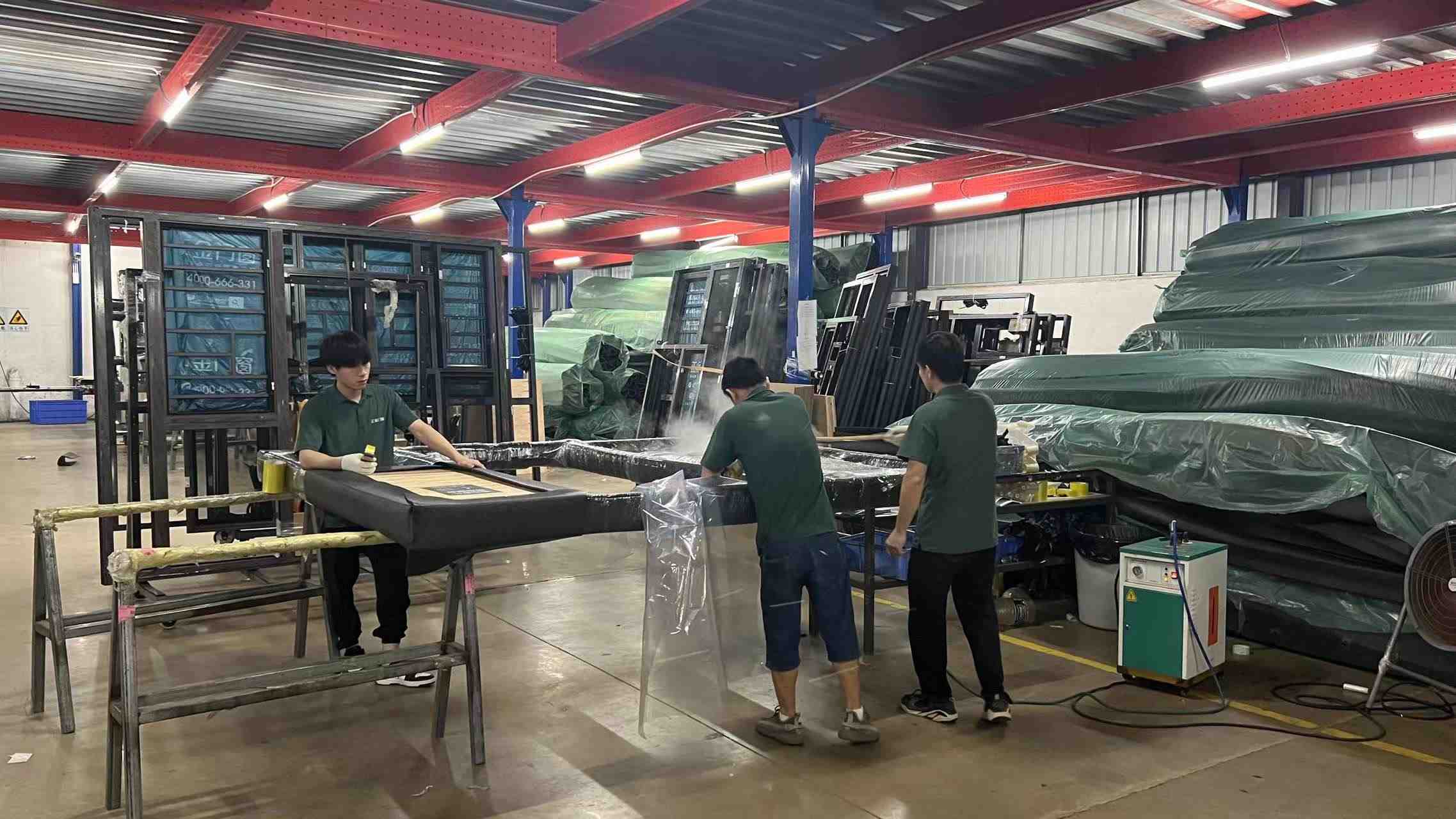 8. Packing
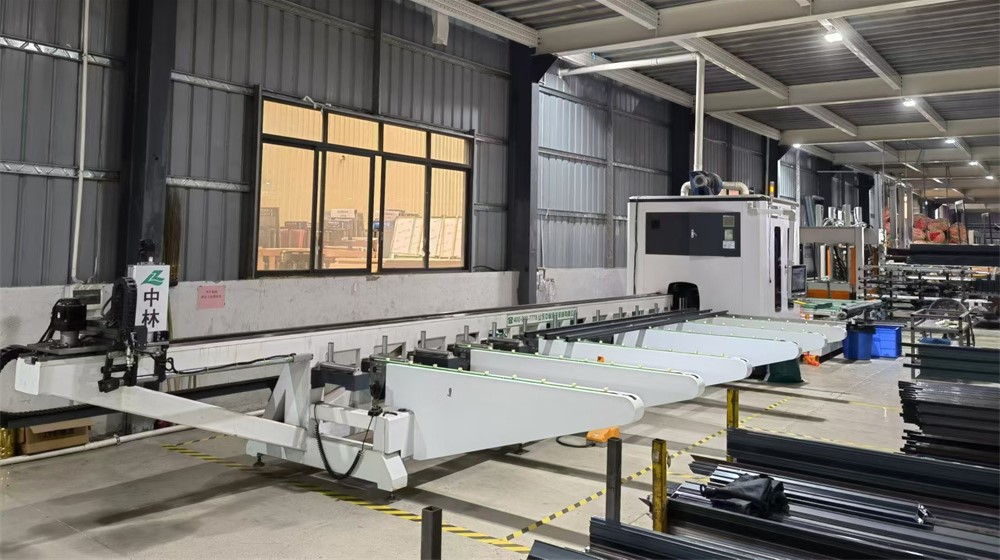 Laser Cutting Machine
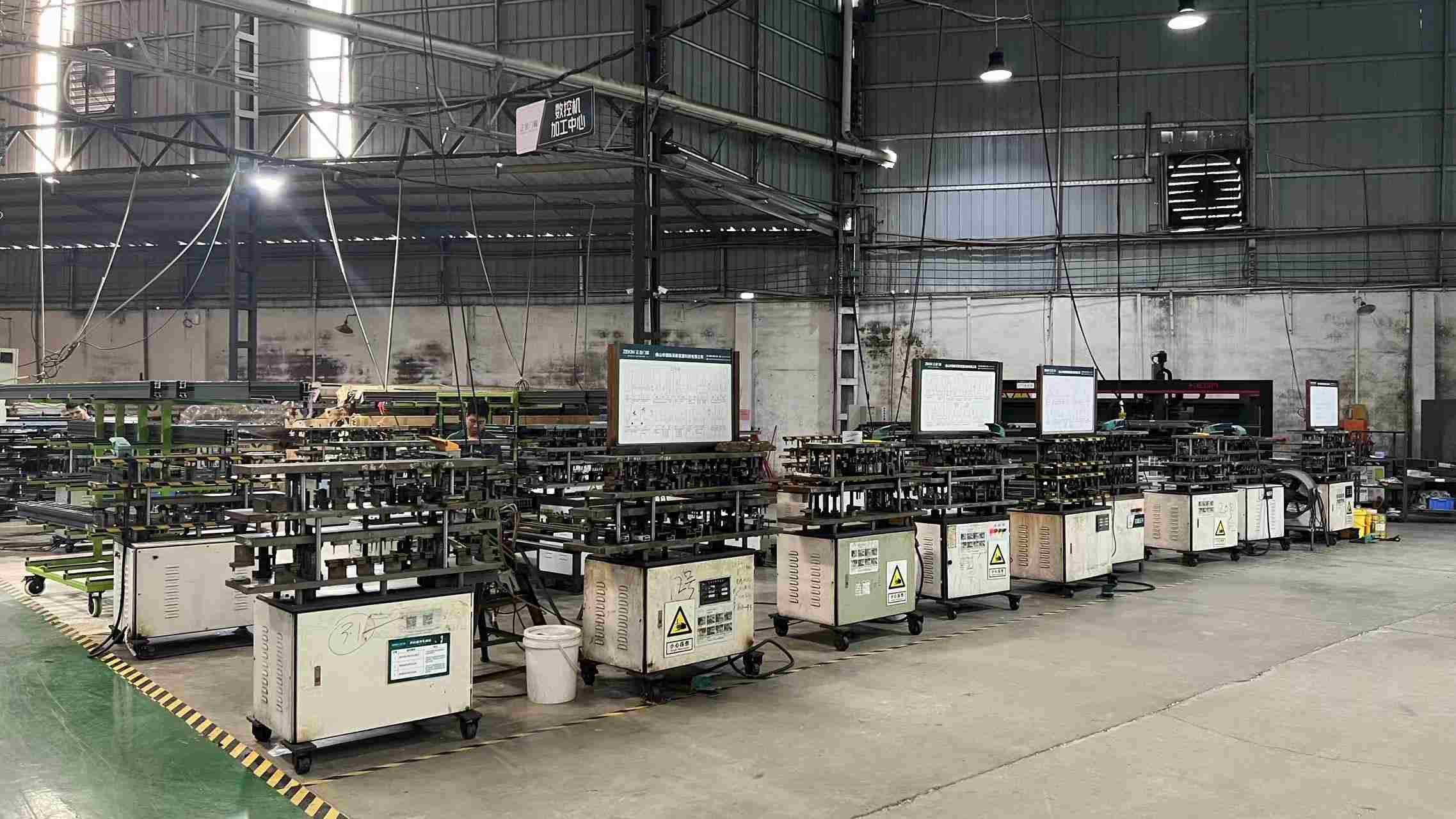 Punching Machine
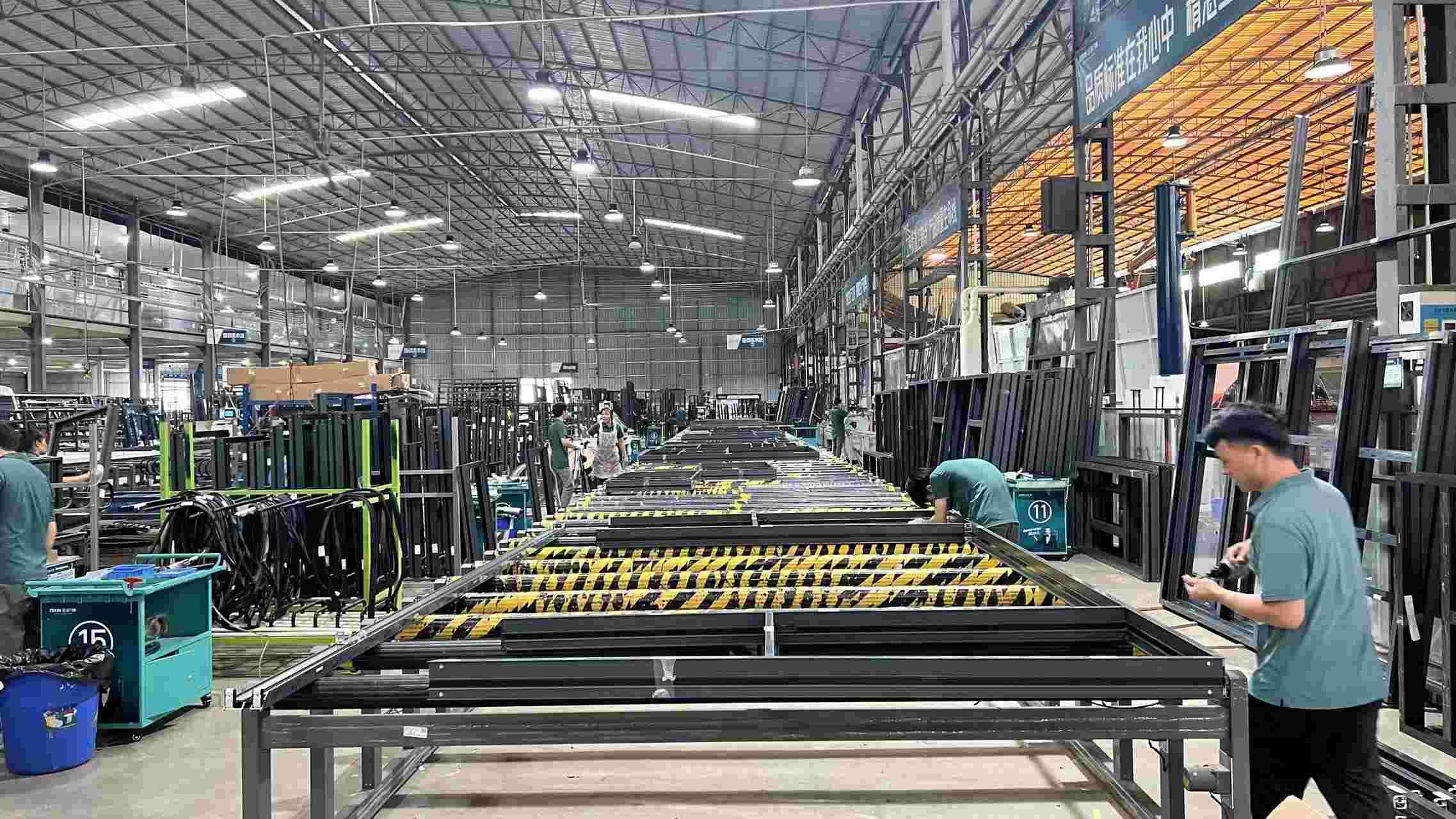 Assembly Line
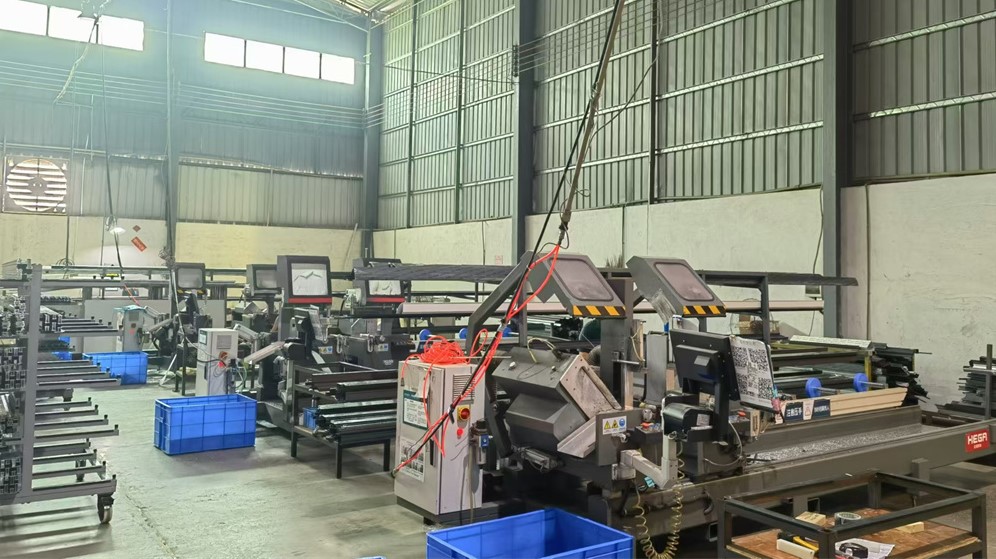 Double Head Sawing Machine
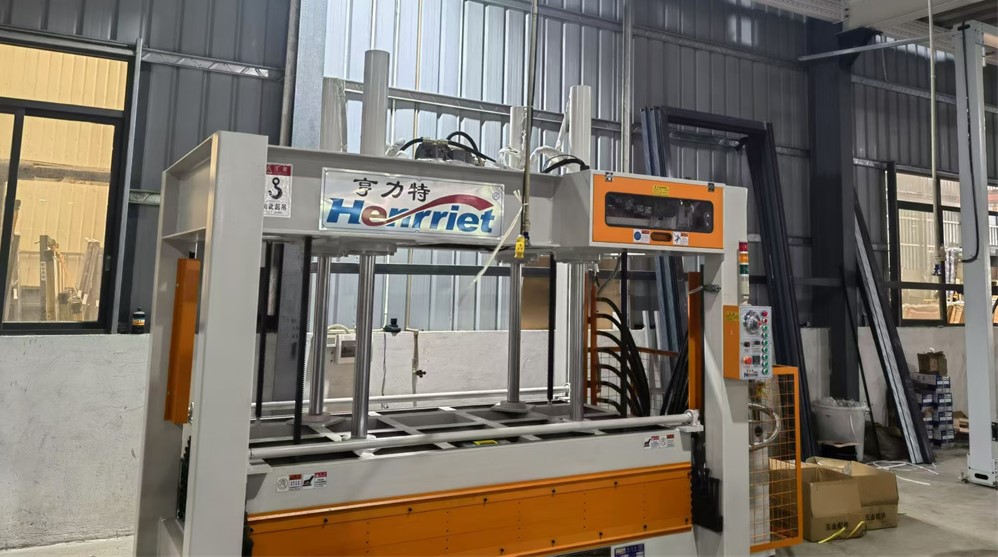 Pressing Machine
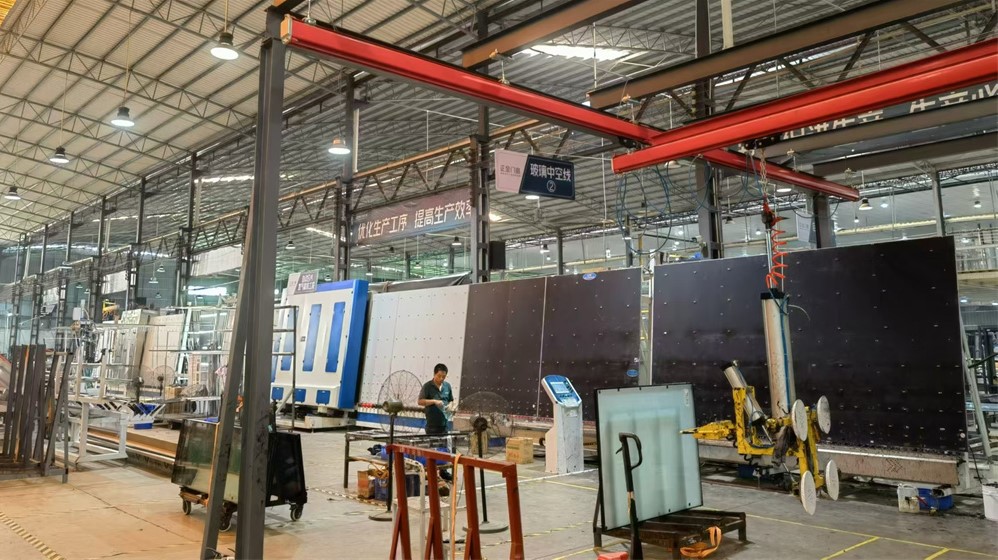 Hollow Line
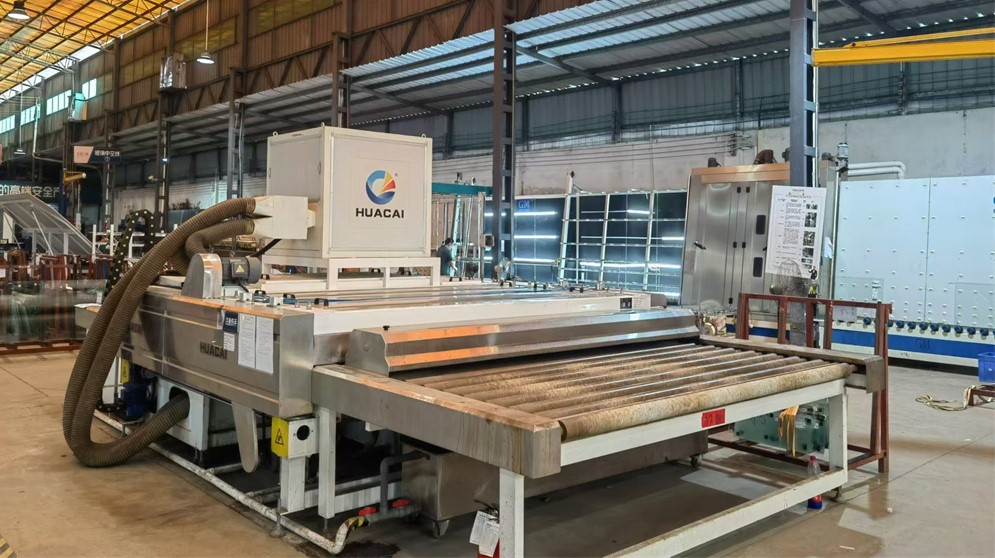 Glass Cleaning Machine
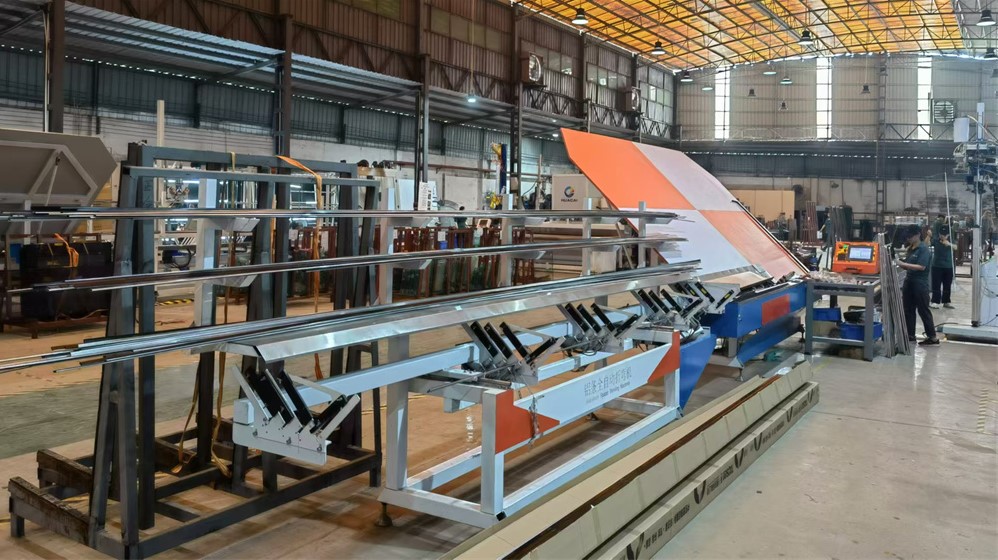 Bending Machine
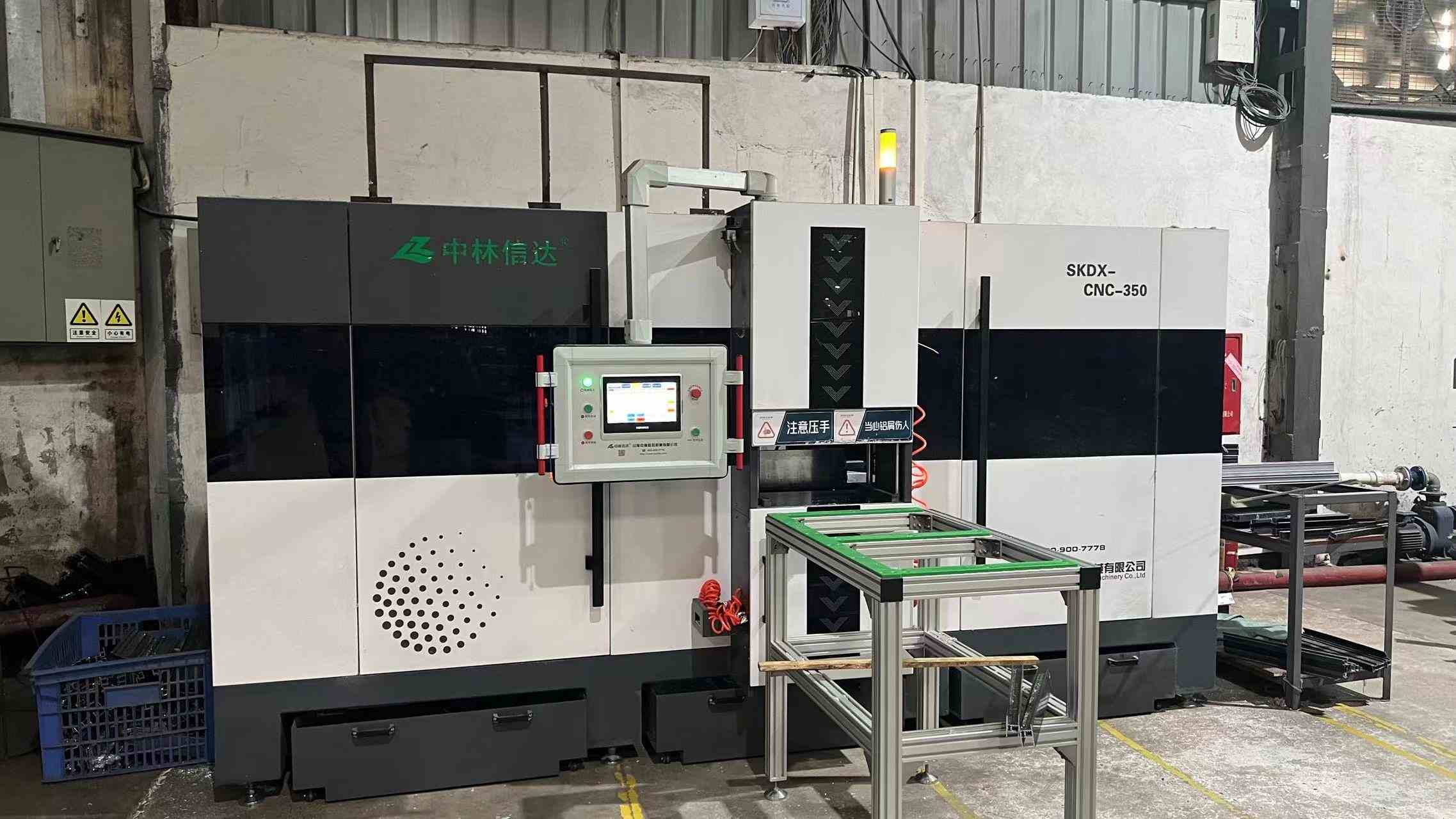 Automatic End Milling Machine
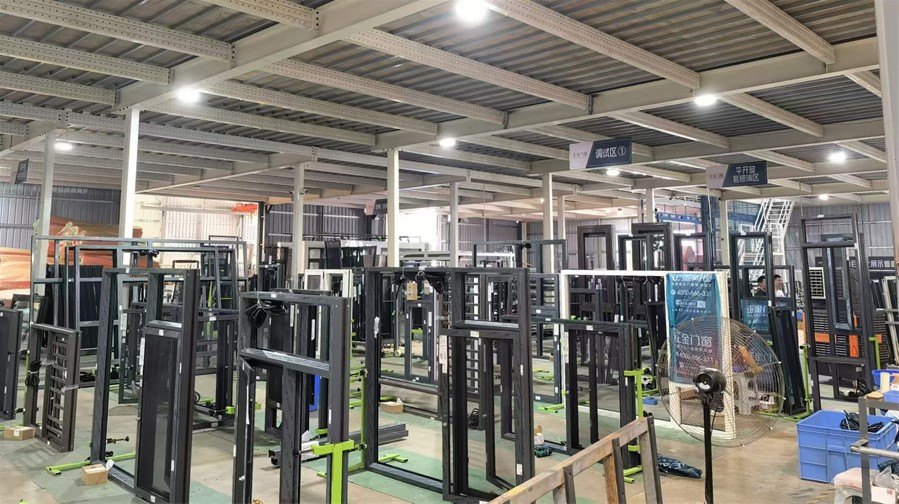 Debugging Station
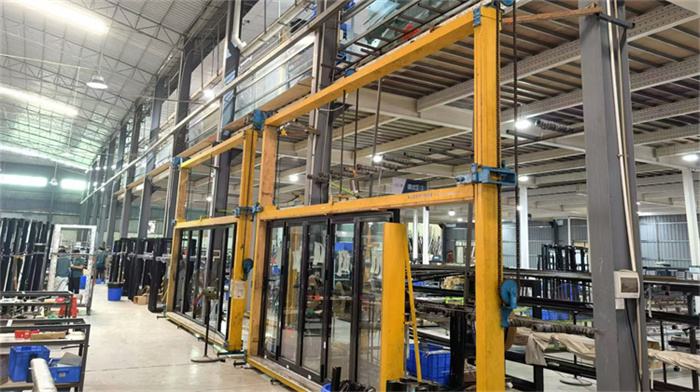 Debugging Frame
Understanding the physics of architectural glazing: How physical heat tempering, chemical modification, thermal break aluminum extrusions, and IGU spacer technology yield superior entry door performance.
Architectural tempered glass entry doors must withstand intense static and dynamic forces, including thermal shock, building deflections, direct wind pressure, and human impact. Tempered glass (also designated as toughened glass) is produced by subjecting standard float glass to a thermal cycle where it is heated to approximately 620°C (1,148°F) and subsequently chilled rapidly via high-pressure air quenching jets. This procedure locks the exterior surfaces into high permanent compression while inducing tensile stress within the interior core.
| Performance Characteristic | Monolithic Tempered Glass | Laminated Impact Tempered | Double Glazed Thermal Break (IGU) |
|---|---|---|---|
| Surface Compression Threshold | ≥ 69 MPa (10,000 psi) | ≥ 90 MPa (13,000 psi) per layer | ≥ 69 MPa Outer / Inner Panes |
| Structural Fracture Resistance | 5x Standard Float Glass | 10x Standard + PVB/SGP Interlayer Retain | 5x Wind Load & Dynamic Deflection |
| Thermal U-Factor Rating (W/m²K) | 5.7 (Single Pane) | 4.8 (Laminated Single) | 1.2 – 1.8 (Argon Filled + Low-E) |
| Acoustic Attenuation (STC Rating) | 30 - 32 dB | 38 - 42 dB (Acoustic Interlayer) | 36 - 45 dB (Asymmetric Glass Thickness) |
| Compliance Certification Target | ANSI Z97.1 / EN 12150 | Miami-Dade NOA / TAS 201, 202, 203 | NFRC / Energy Star / AS2047 |
Standard solid aluminum frames act as thermal bridges, readily conducting exterior ambient heat or cold into interior spaces. Shieldoors structural entry systems utilize high-grade Technoform Polyamide PA66 GF25 (25% glass fiber reinforced) thermal break strips. This mechanical separation effectively breaks thermal conductivity across the frame envelope, mitigating condensation risks, preventing thermal expansion warping, and maintaining interior room equilibrium under extreme climatic differential temperatures.
De-risking global procurement through integrated raw material sourcing, automated batch manufacturing, and end-to-end quality assurance.
By anchoring our manufacturing within Zhejiang’s primary industrial metallurgical cluster, we maintain direct partnerships with premier 6063-T5/T6 aluminum billet producers and primary float glass foundries (Xinyi, CSG Smart). This ensures consistent alloy purity, precise extrusion wall thicknesses (≥ 2.0mm structural grade), and uninterrupted raw material flow during peak production cycles.
Leveraging our 45,000 m² footprint and high-throughput robotic automated tooling (CNC end-milling, automated double-head sawing, robotic double-seal IGU lines), Shieldoors slashes total manufacturing lead times by 35% compared to Western counterparts, delivering superior unit cost efficiency without compromising material integrity.
Whether your project requires custom extruded architectural profiles, non-standard anodized or PVDF powder-coated RAL finishes, automated motor-driven glass louvers, or smart biometric locking hardware (fingerprint, keypad, RFID, Apple HomeKit), our 350 R&D engineers translate architectural design intent into production-ready CAD/CAM models within 48 hours.
Navigating stringent international building codes with certified testing protocols for North America, Europe, Australia, and coastal high-velocity hurricane zones.
Exporting entry doors globally requires absolute adherence to regional structural, thermal, and life-safety codes. Zhejiang Shieldoors Security Technology Co., Ltd. systematically designs and tests its product series against the world's most rigorous regulatory benchmarks:
For coastal zones subject to hurricane threats (High Velocity Hurricane Zones - HVHZ), our impact series passes TAS 201 (Large Missile Impact Test), TAS 202 (Static Air Pressure), and TAS 203 (Cyclic Wind Pressure Loading). NFRC ratings ensure compliance with U-factor and Solar Heat Gain Coefficient (SHGC) targets mandated by IECC energy codes across all US climate zones.
Our European door and window lines adhere to EN 14351-1 standards, evaluating air permeability (EN 12207), water tightness (EN 12208), resistance to wind load (EN 12210), and acoustic insulation metrics. Standard UL 10C certifications cover our specialized fire-rated metal-glass composite door assemblies.
Tested in accordance with AS2047 (Windows and doors in buildings) and AS1288 (Glass in buildings selection and installation). We provide certified structural deflection ratings, water penetration resistance up to 600 Pa, and ultimate limit state (ULS) wind load testing tailored to Australian terrain categories.
From contemporary residential estates to high-occupancy commercial facades, our customizable tempered glass entry systems engineered for precise environmental conditions.
Coastal structures face continuous salt-spray corrosion and seasonal tropical storms. Our heavy-duty aluminum entry hinged doors and sliding systems combine SentryGlas® (SGP) laminated tempered glass with 50-micron PVDF fluorocarbon coatings, guaranteeing corrosion immunity and hurricane protection without compromising visual elegance.
Acoustic isolation and wind load deflection are critical for urban towers. Shieldoors double-glazed argon-filled insulated tempered glass doors achieve STC ratings up to 45 dB, keeping street noise out while delivering low U-factors that cut building HVAC energy expenditures by up to 28% annually.
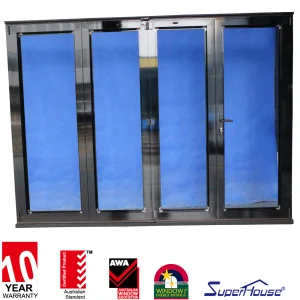
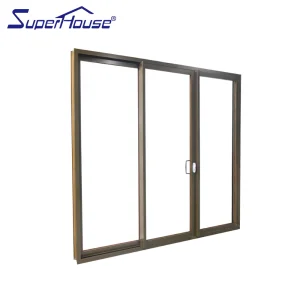
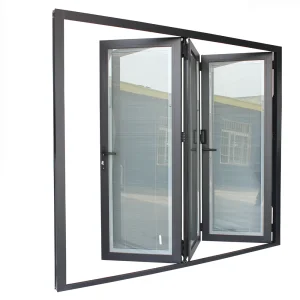
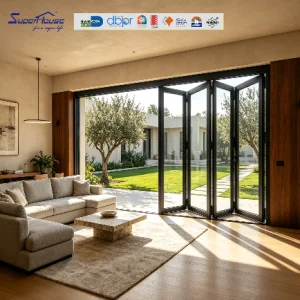
Designed for fast modular installation, our prefabricated aluminum sliding and folding glass door kits feature universal framing channels, integrated stainless steel bug screens, flush zero-threshold drainage sills, and multi-point German security locking hardware.
Next-generation technological developments shaping the future of high-performance glass entrance engineering.
As building envelopes become smarter and more integrated into sustainable building management systems (BMS), entry door manufacturing is undergoing a paradigm shift. Zhejiang Shieldoors is actively investing R&D capital into four core technological vectors:
Electronically switchable privacy glass that transitions from transparent to opaque via smartphone app or home automation, eliminating the need for traditional interior window blinds.
Next-gen glazing featuring a micro-vacuum gap between tempered panes, achieving center-of-glass U-factors as low as 0.60 W/m²K in an ultra-slim profile footprint.
Structural adhesive glass bonding allowing interlocking frame sightlines under 20mm, maximizing natural daylight while retaining high dynamic wind load strength.
Fully concealed electric mortise multi-point locks with facial recognition, battery back-up system, and emergency mechanical key overrides engineered directly into the thermal break door stile.
Direct insights from our senior engineering team regarding glazing specifications, ordering parameters, and compliance details.
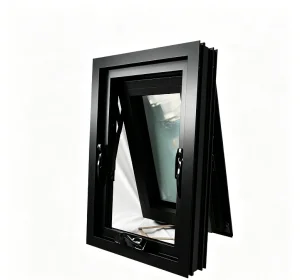
Discover our full commercial catalog of bi-fold accordion systems, high-security hinge entry doors, and heavy-duty stacker sliding options.
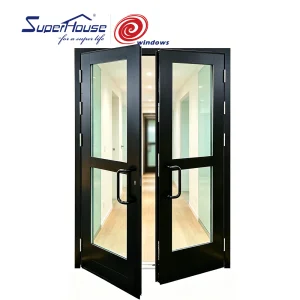
 Shieldoors