Explore high-performance certified structural systems engineered for commercial bidding, high-end residential security, and extreme climate compliance.
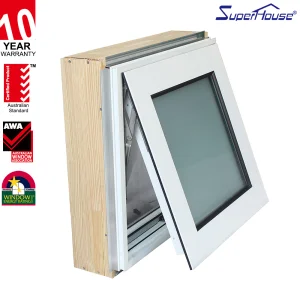
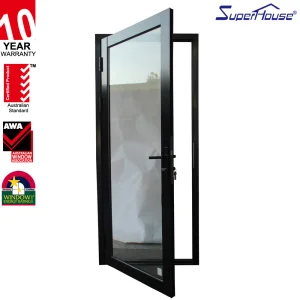
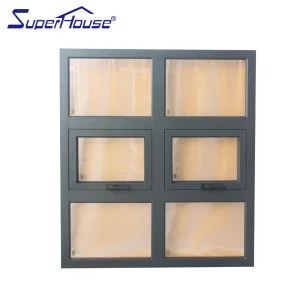
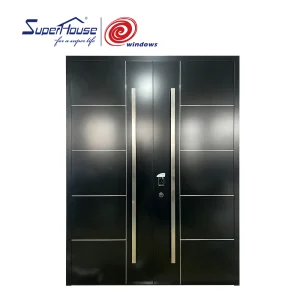
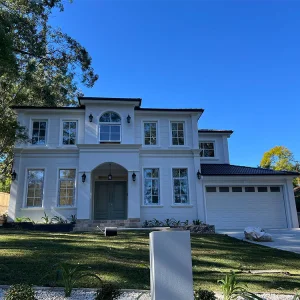
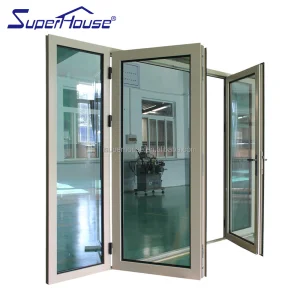
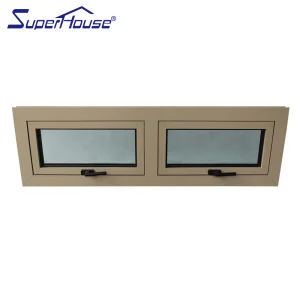
Zhejiang Shieldoors Security Technology Co., Ltd. delivers robust, anti-burglary architectural envelope systems integrated with precision OEM supply chain logistics.
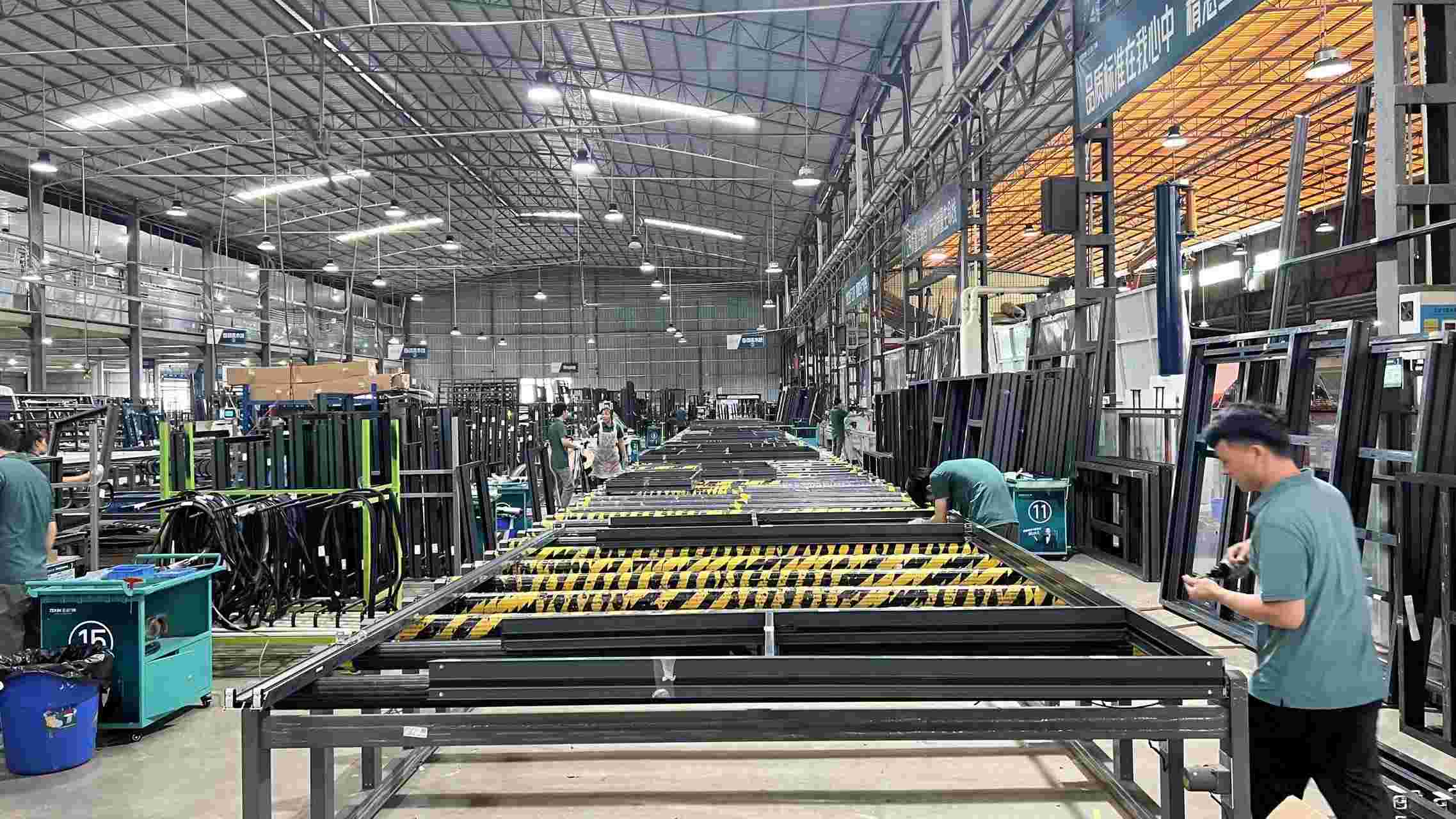
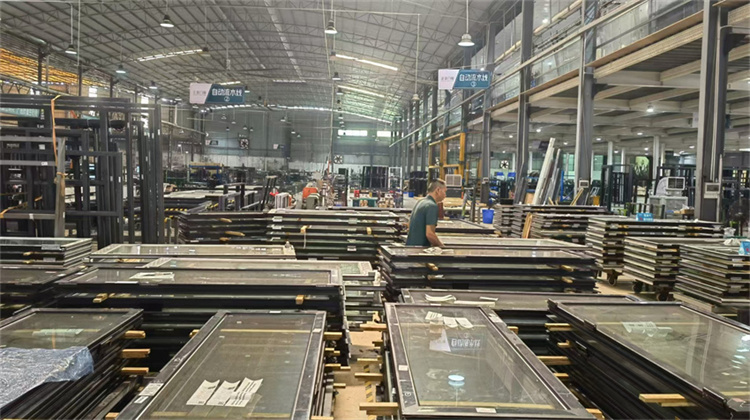
Zhejiang Shieldoors Security Technology Co., Ltd. was established in 2016 and is located in an expansive 45,000 m² production base. Building on 10 years of industry leadership and 6 years of international trade experience, the company generates an annual export revenue reaching USD 42,000,000.
Our commitment to excellence is maintained through rigorous ISO9001-certified quality control and third-party product testing methods, including CE, UL fire-rated, and hurricane-impact certifications. A dedicated quality inspection team of 78 QC specialists ensures that every entry door meets international safety standards. Working with a robust ecosystem of 1,400 supply chain partners, our trade background covers direct export, project bidding, and global supply chain integration, mainly targeting key markets in North America, Australia, and Southeast Asia.
Innovation is at the heart of our operations. Supported by 350 skilled R&D engineers, we launched 450 new product designs last year. We serve major real estate developers, architectural firms, and building material retail chains by offering tailored customization options ranging from soundproofing and thermal insulation features to smart lock integration and custom panel finishes.
Our vertical integration enables custom engineering for high-rise commercial structures, residential estates, and industrial complexes while preserving direct-factory margin leverage.
A comprehensive analysis of structural extrusion alloys, dynamic forced-entry resistance ratings, multi-point locking kinetics, and severe weather dual-certification.
In modern physical security design, the fenestration envelope represents the primary defense line against unauthorized access, opportunistic forced entry, and organized intrusion. Historically, security doors relied heavily on heavy-gauge structural steel panels. However, contemporary architectural trends prioritize clean geometry, expansive glass-to-frame ratios, and thermal efficiency—driving the rapid transition toward high-tensile burglar-resistant aluminum doors.
International building codes now mandate rigorous mechanical testing protocols. Systems manufactured by Zhejiang Shieldoors are engineered to harmonize structural rigidity with high aesthetic appeal. Global procurement specs frequently evaluate doors using standard classification frameworks:
| Standard System | Classification Level | Testing Methodology & Tools Used | Typical Commercial Application |
|---|---|---|---|
| EN 1627 - 1630 (Europe) | Resistance Class 2 (RC2 / RC3) | Static loading up to 6kN, dynamic impact testing, and manual attack using crowbars, screwdrivers, and pliers (3 to 5 min force time). | High-end residential villas, retail storefronts, corporate headquarters. |
| EN 1627 - 1630 (Europe) | Resistance Class 4 (RC4) | Heavy-duty physical intrusion using heavy hammers, axes, chisels, and cordless drills (6 min active attack time). | Financial institutions, server rooms, luxury jewelry store entrances. |
| PAS 24:2022 (UK / Commonwealth) | Enhanced Security Door System | Manual attack testing alongside mechanical loading (4.5kN infill pressure) and hard/soft body impact tests. | Multi-family residential developments and commercial property developments. |
| ASTM E2395 / UL 972 (USA) | Forced Entry & Glazing Security | Impact energy absorption via drop-ball, pendulum impact, and pry-bar forced leverage across frame joints. | High-risk commercial property, educational facilities, government buildings. |
| Florida TAS 201/202/203 (NOA) | HVHZ + Forced Entry Dual Rating | Large missile impact test (9-lb 2x4 lumber at 50 ft/s) followed by 9,000 cyclic wind pressure loadings. | Coastal commercial resorts, hurricane zones, extreme environmental applications. |
Aluminum's strength-to-weight ratio makes it ideal for security doors. We utilize primary architectural aluminum alloy 6063-T6 and 6061-T6, precision-extruded to profile wall thicknesses between 2.0mm and 3.0mm (exceeding standard 1.4mm residential profiles).
Key metallurgical properties include:
A security door frame is only as dependable as its locking points. Shieldoors integrates multi-point locking gear box assemblies (featuring German hardware options like Siegenia, Hoppe, and GU) that engage solid steel mushroom heads and hook bolts simultaneously across the top, latch-side, and bottom sill.
Hardware features include:
To ensure high optical clarity without compromising intruder defense, structural glass infills feature multi-layer laminated security glass configurations. Rather than standard monolithic tempered glass, our burglar-resistant units integrate PVB (Polyvinyl Butyral) or SGP (Kuraray SentryGlas®) interlayers sandwiched between dual tempered glass panes.
Even if the outer glass pane is shattered by impact weapons, the high-modulus SGP interlayer resists tearing, maintaining an impermeable physical barrier against intrusion while keeping wind pressures out.
Multi-cavity insulated glass units achieve STC (Sound Transmission Class) ratings up to 42 dB, blocking urban noise pollution.
24mm to 34mm Polyamide thermal break strips prevent thermal bridging, yielding U-factors down to 0.24 Btu/h·ft²·°F.
Double/triple Low-E optical coatings block up to 99% of harmful UV rays while optimizing daylight transmission.
For international buyers, real estate developers, and commercial contractors, sourcing custom-engineered security door systems directly from China offers strategic supply chain advantages:
Integrated aluminum billet extruding, anodizing, powder coating, and automated assembly reduce unit production costs by 30% to 45% compared to Western counterparts without sacrificing quality specs.
With 350 R&D engineers, custom extrusion profiles, tailored hardware finishes, and bespoke architectural designs move from CAD conceptualization to certified production in weeks.
Our 78 QC specialists enforce 100% factory inspection protocols including air infiltration, water tightness, structural wind load, and mechanical cycled durability testing.
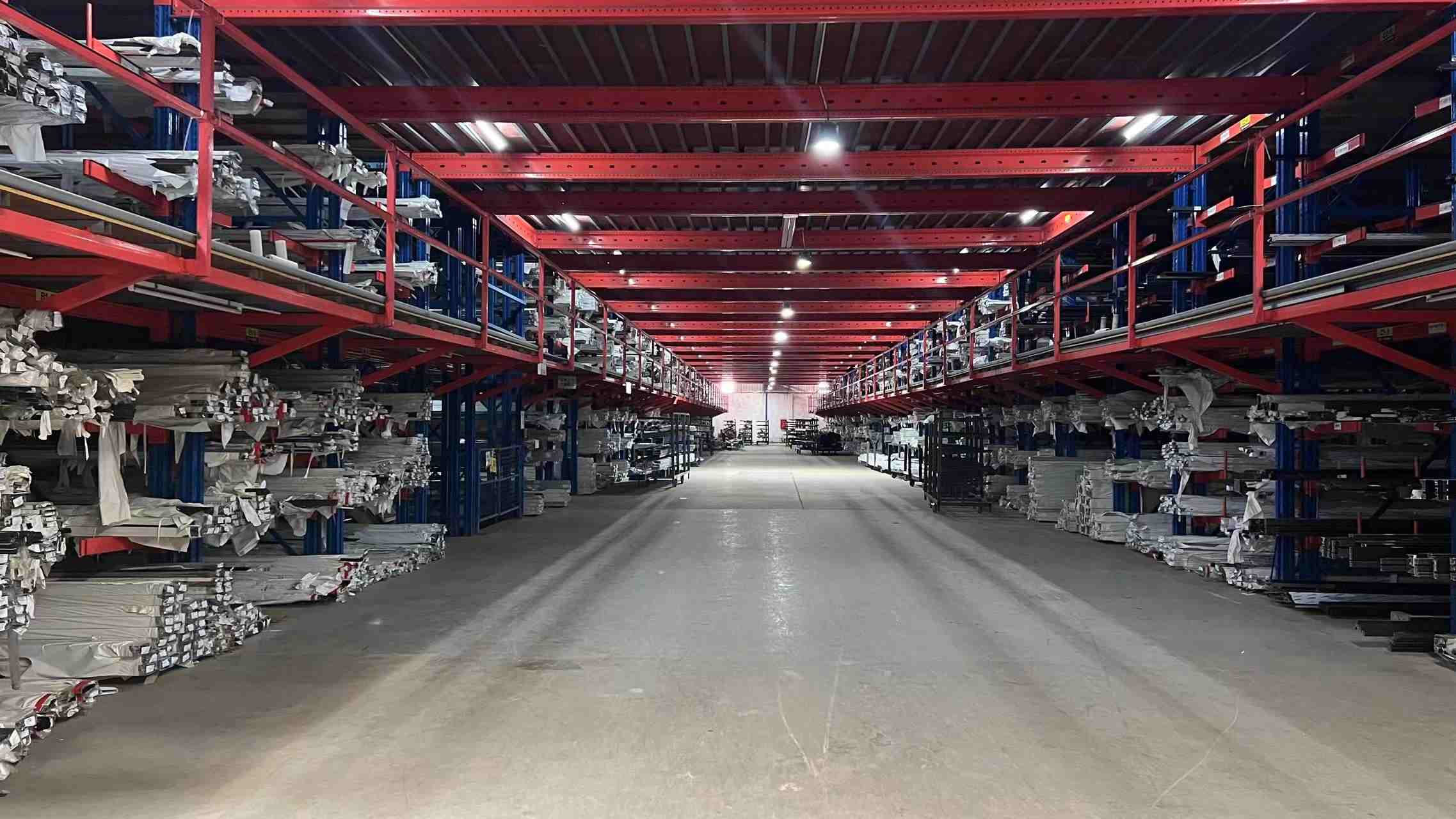
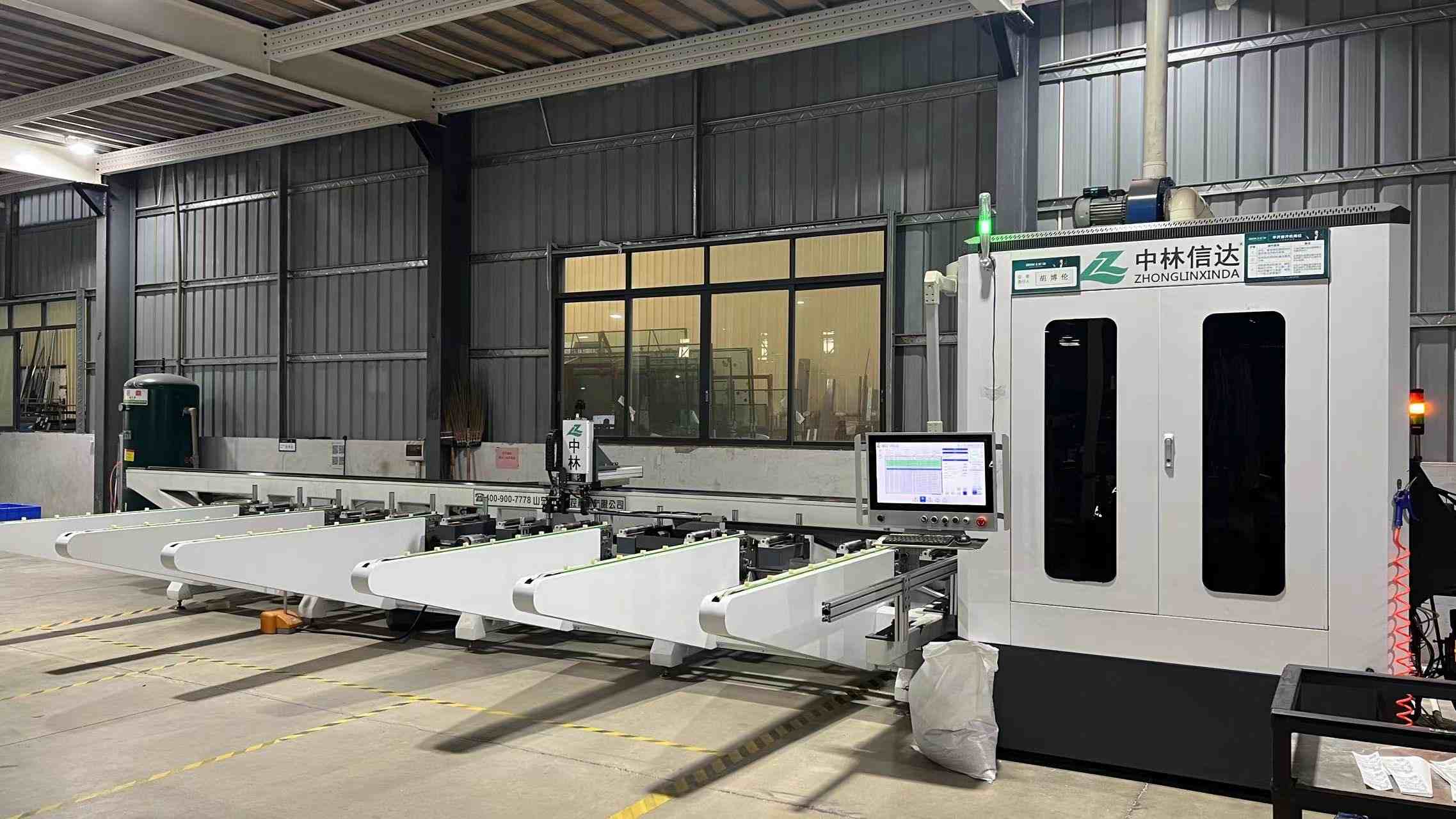
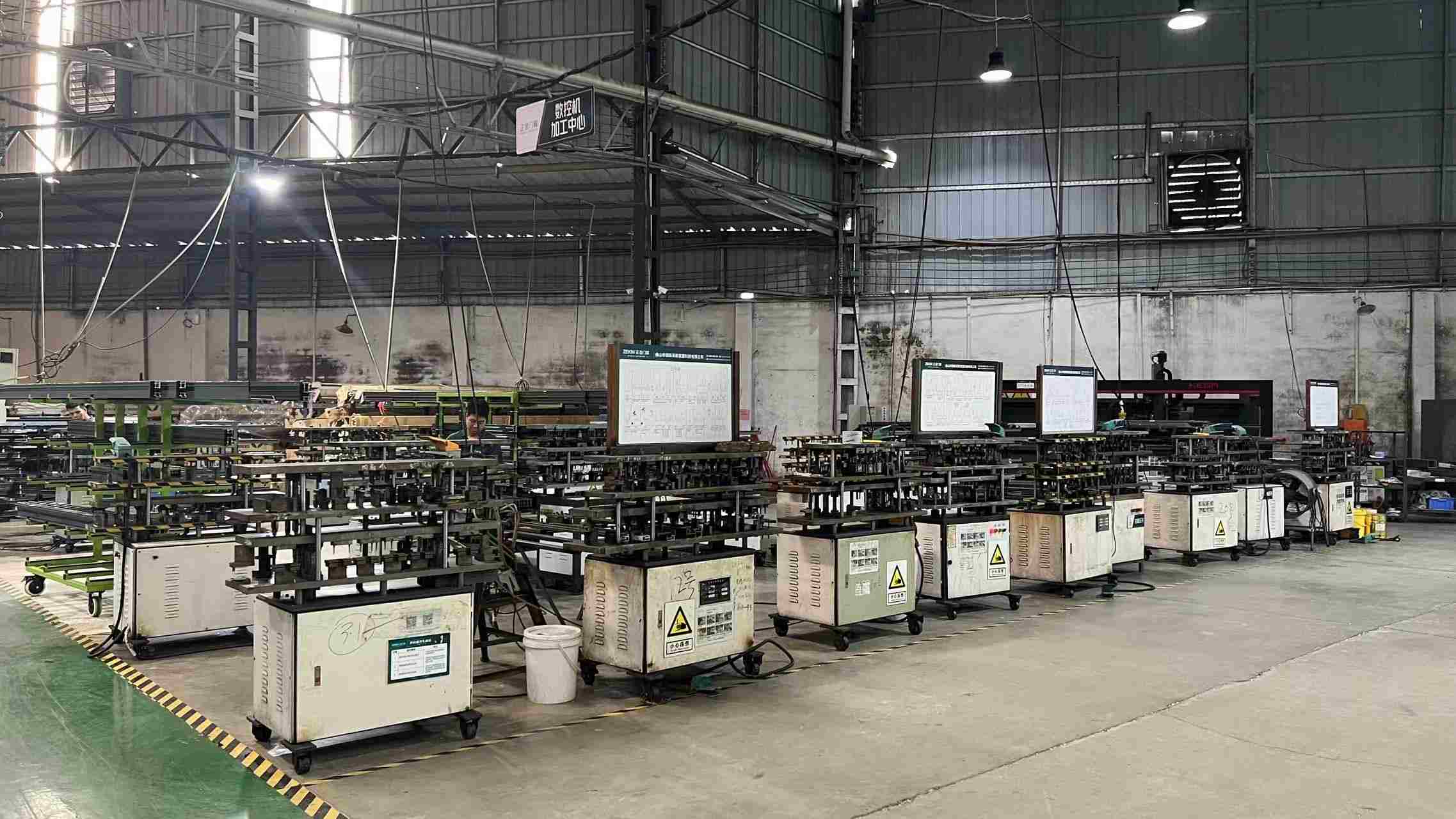
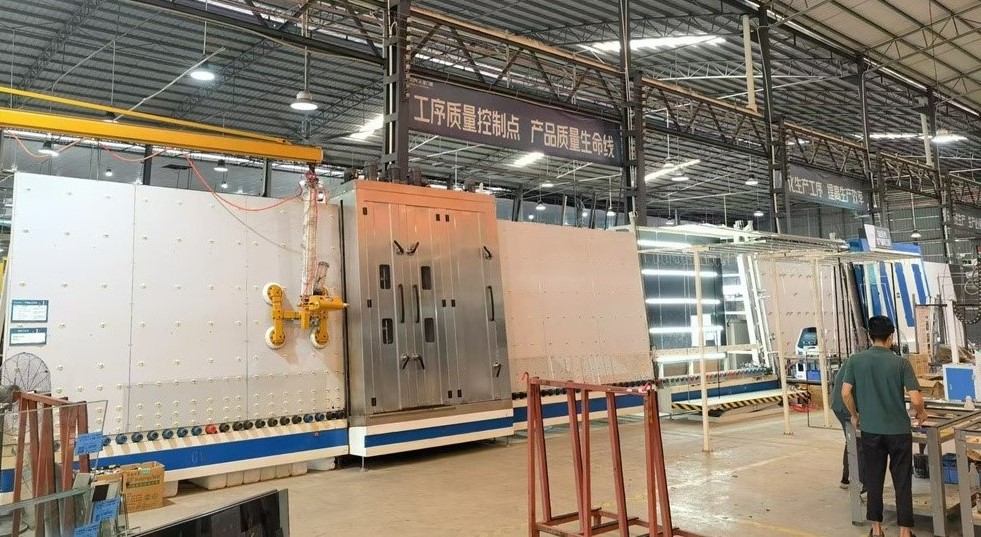
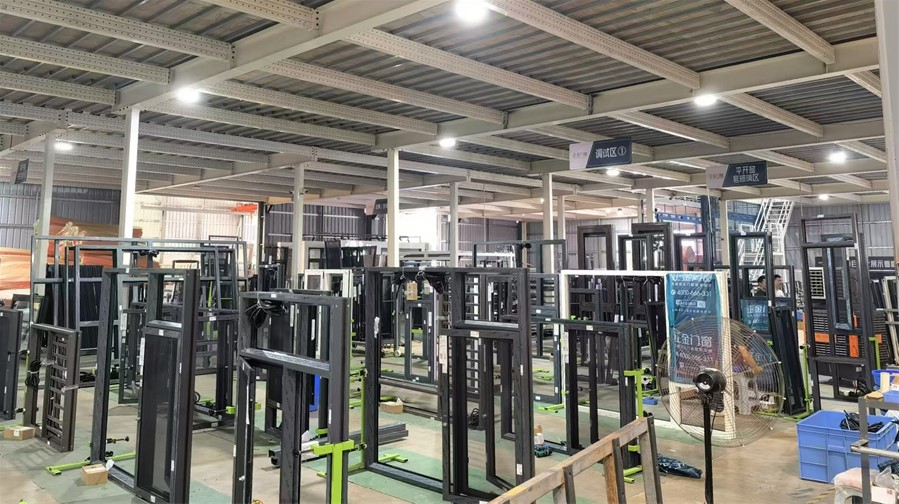
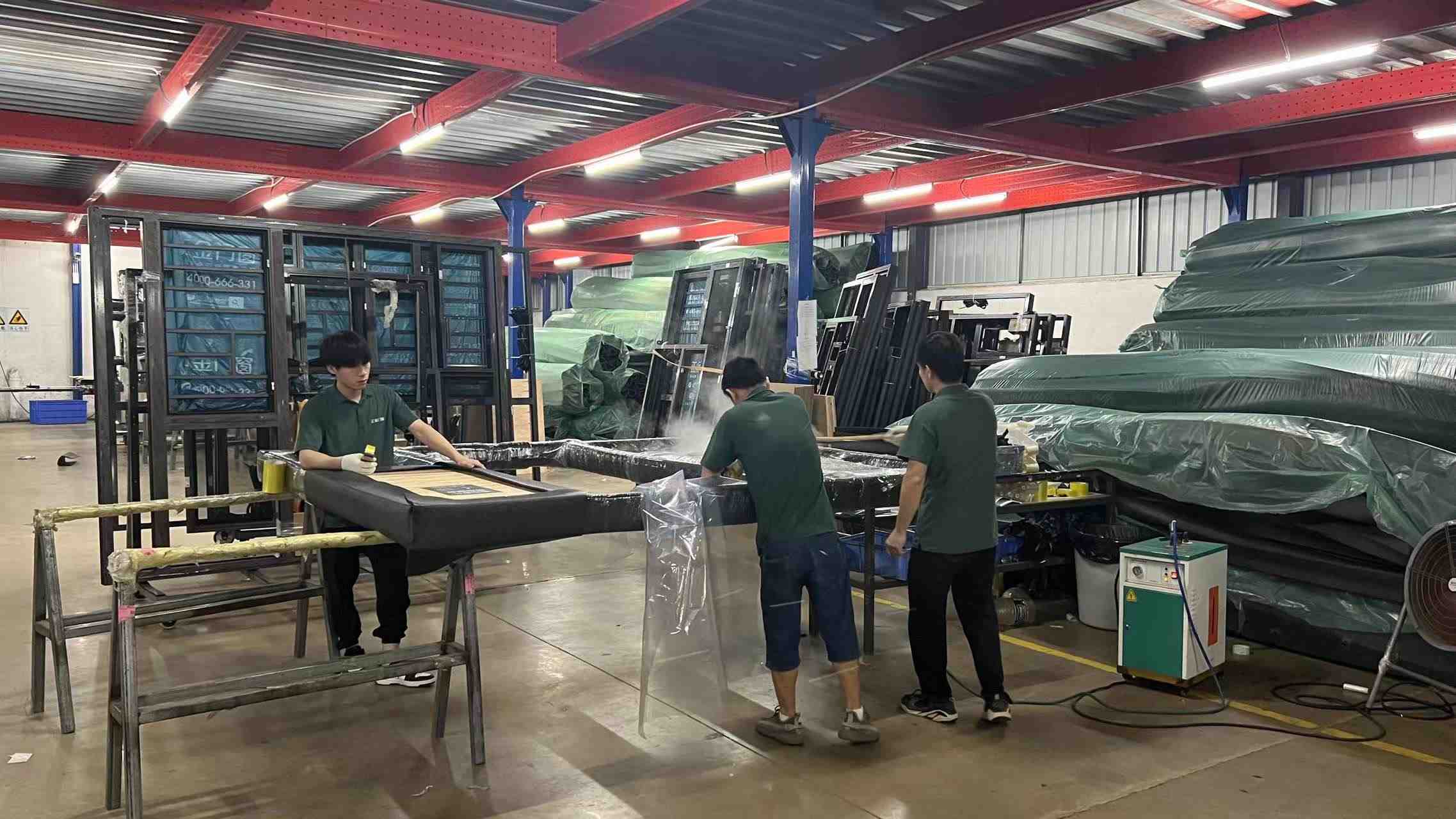
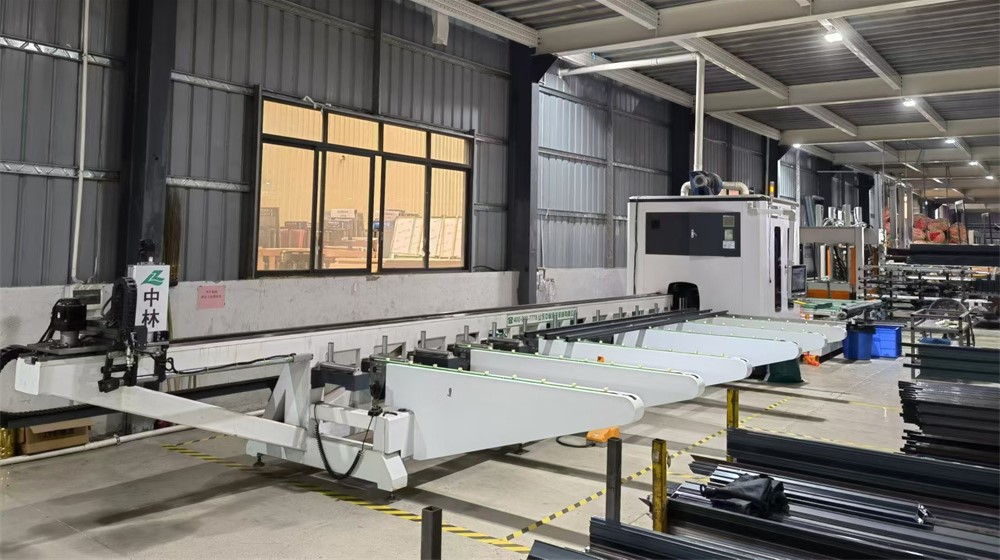
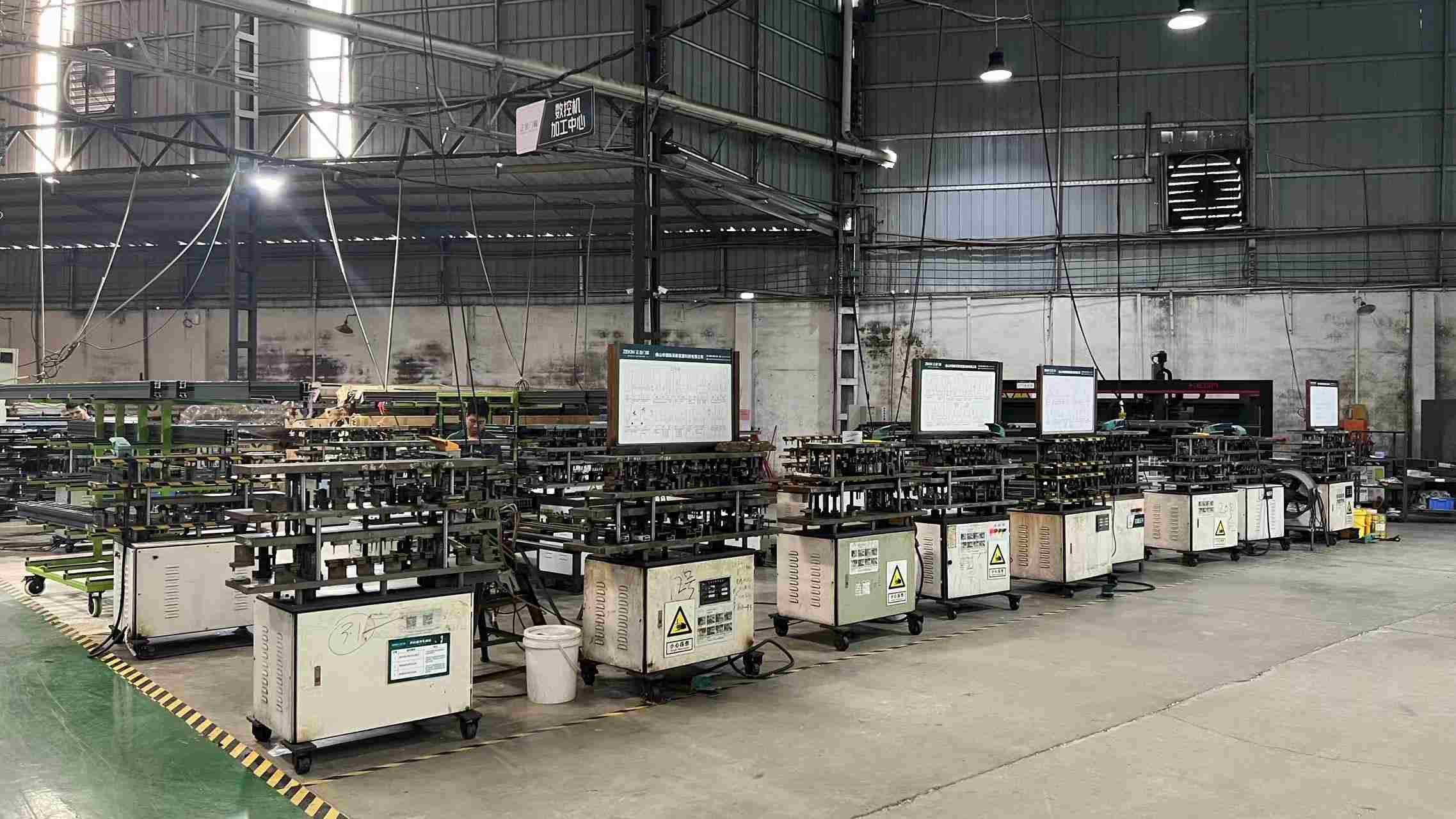
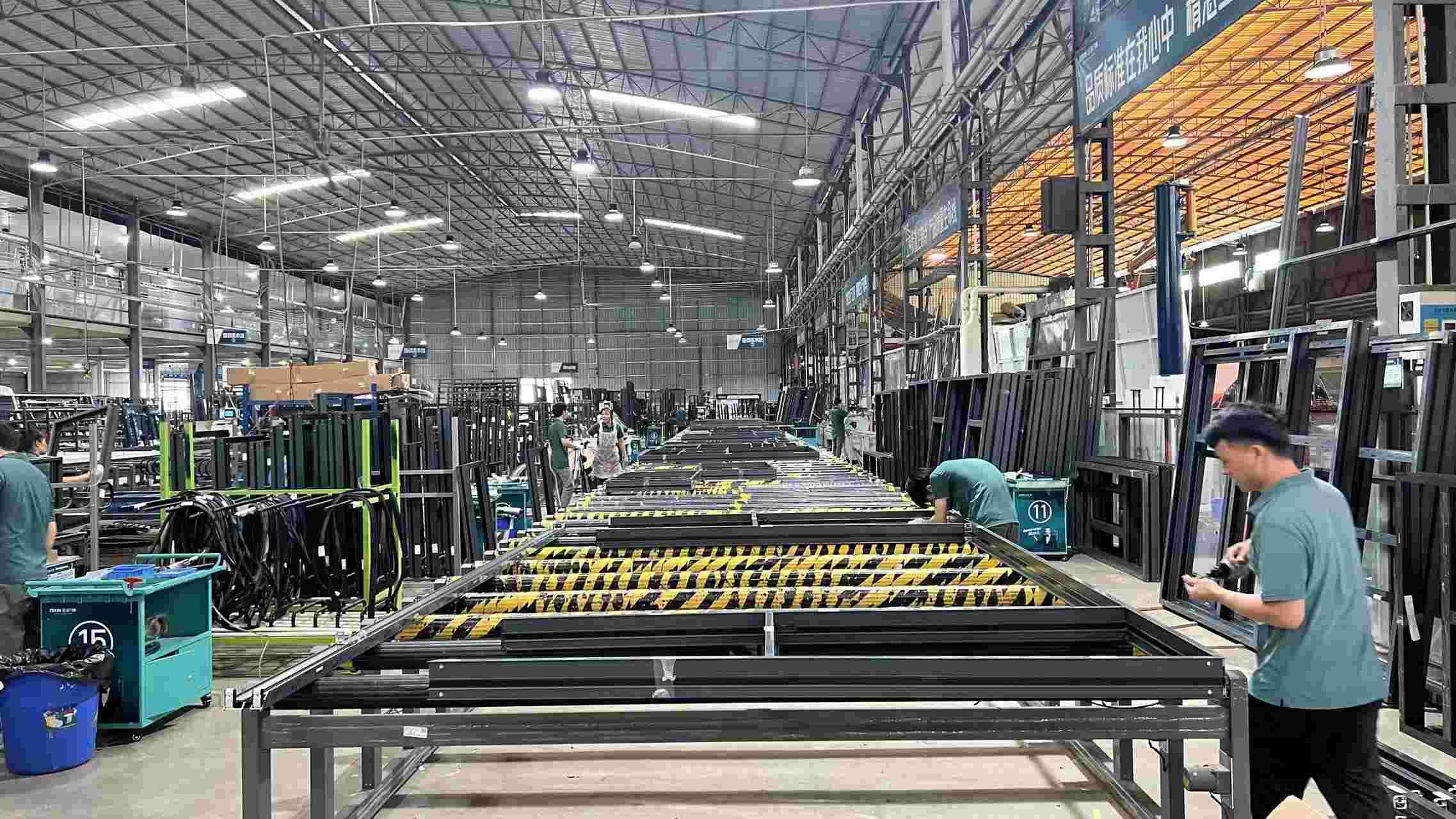
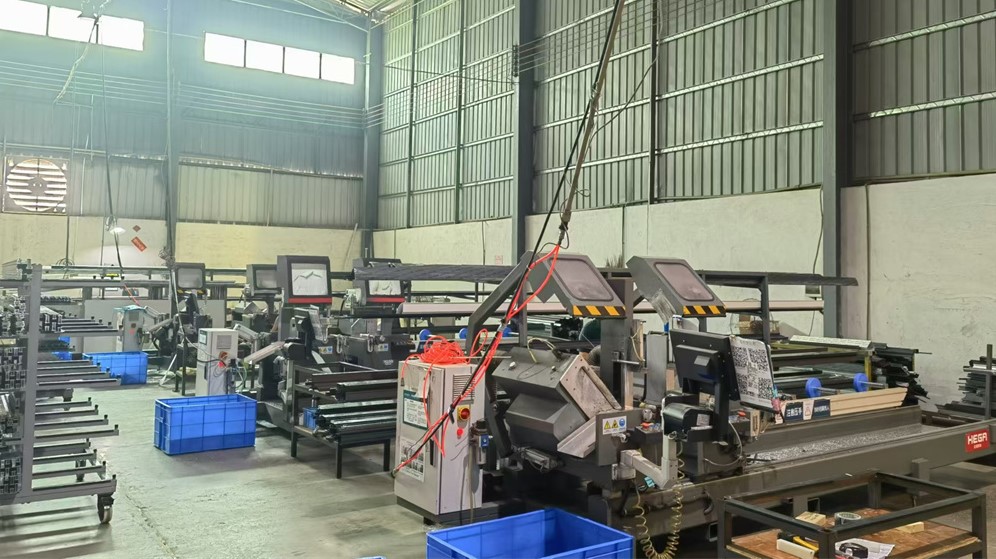
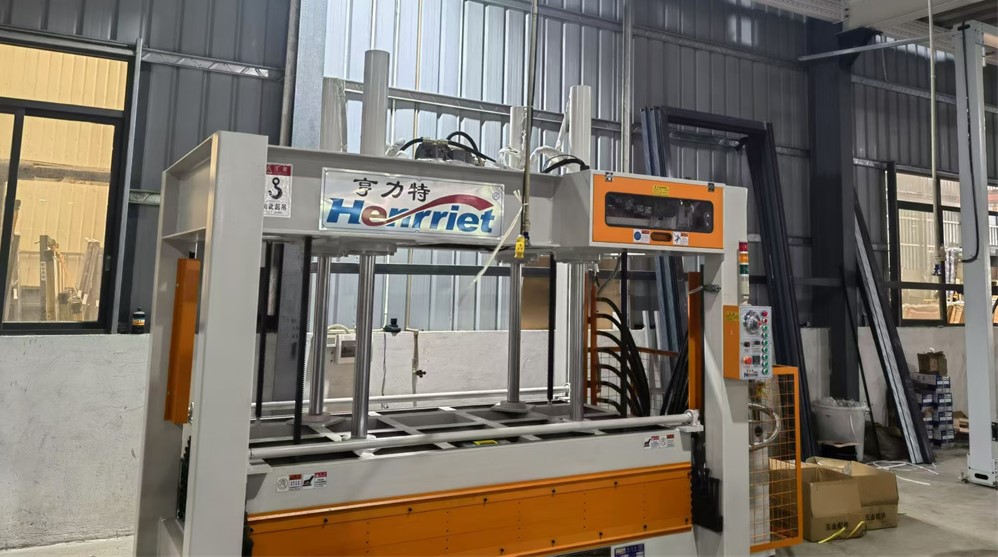
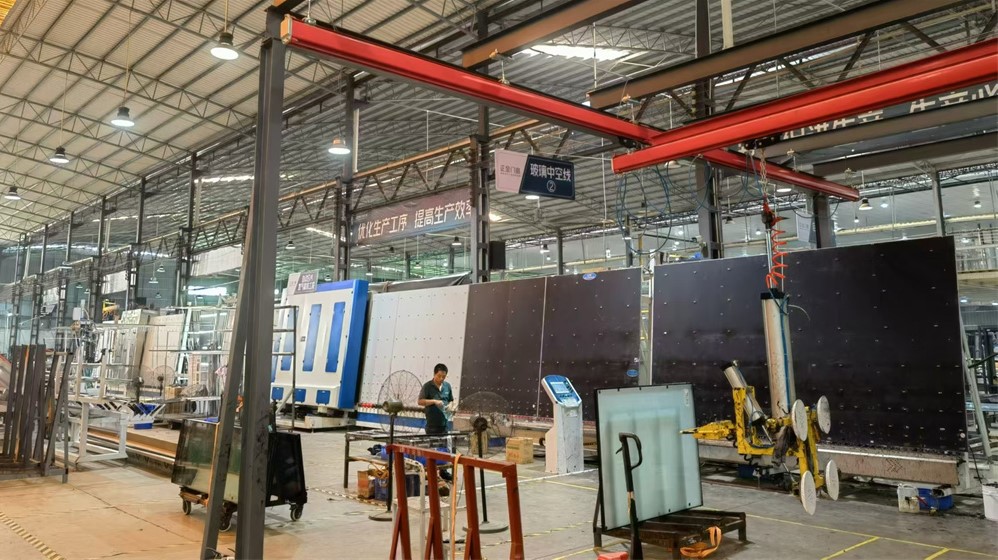
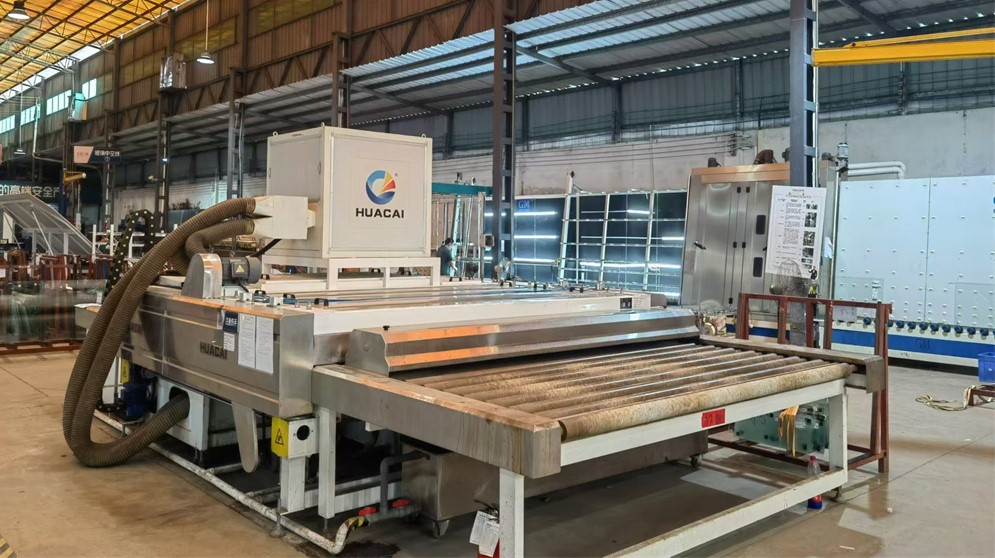
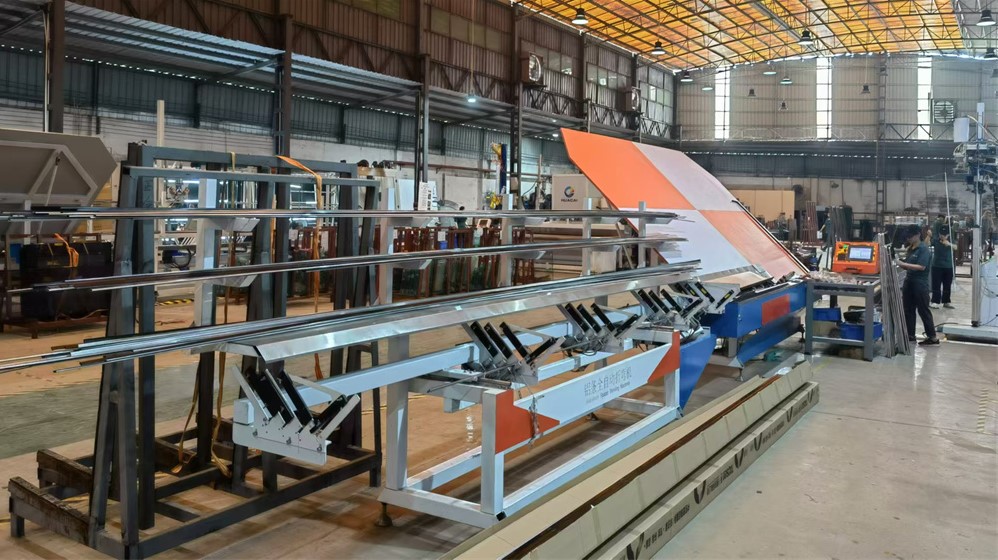
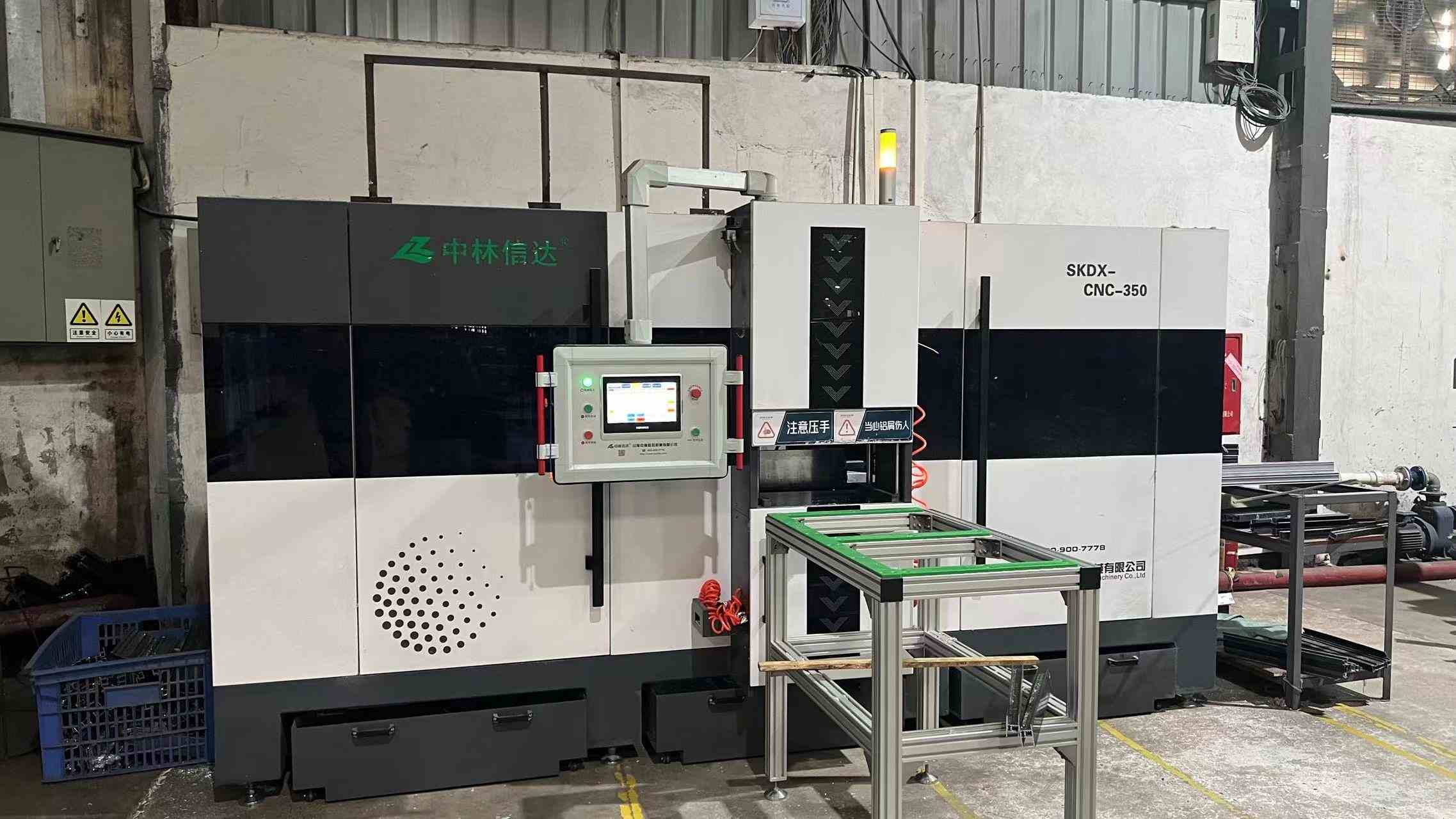
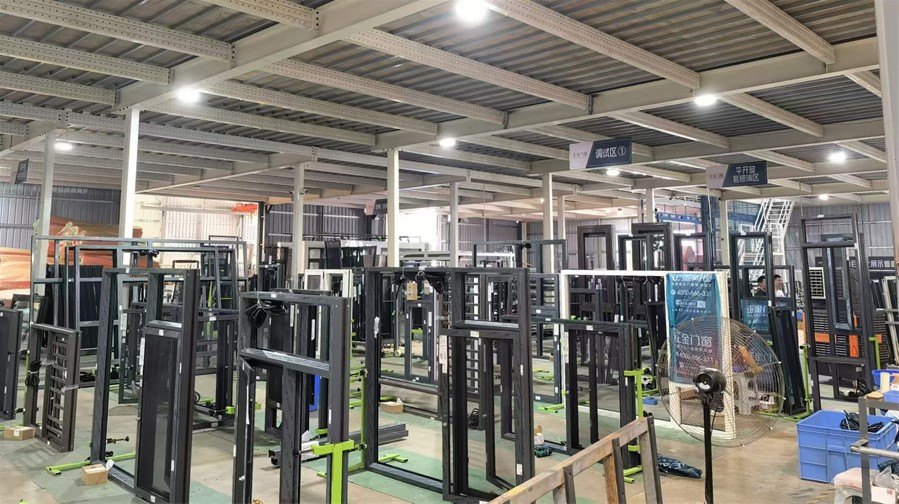
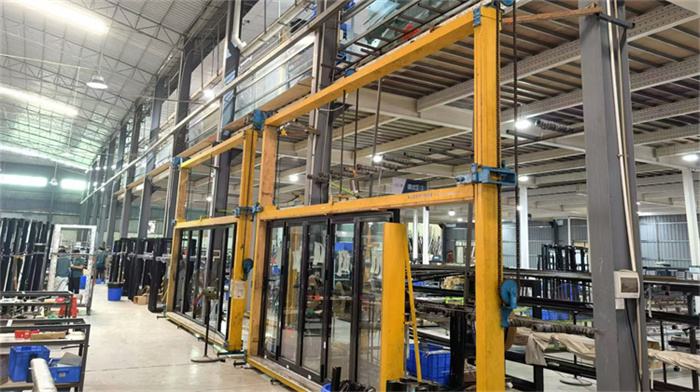
Take an operational look at our 45,000 m² facility, automated CNC machinery, and rigorous quality debugging stations.
Understanding regional compliance mandates and forward-looking technological integrations shaping global architectural demand.
Demands heavy-duty Florida Miami-Dade NOA (Notice of Acceptance) compliance combining High-Velocity Hurricane Zone (HVHZ) wind pressures with ASTM E2395 anti-burglary standards. Thermal insulation (NFRC rated) is strictly enforced in northern territories.
Strict compliance with AS2047 (Windows and doors in buildings) and AS1288 glazing rules. Structural strength must satisfy high cyclonic wind load regions alongside bushfire attack level (BAL-40 / BAL-FZ) security mesh integrations.
Focuses on certified EN 1627 RC3/RC4 ratings paired with multi-chamber thermal breaks. In the Middle East, extreme heat resistance, high UV resistance, and sandstorm sealing gaskets are critical engineering parameters.
Clear, definitive answers to technical, logistical, and commercial inquiries for architects, developers, and wholesale buyers.
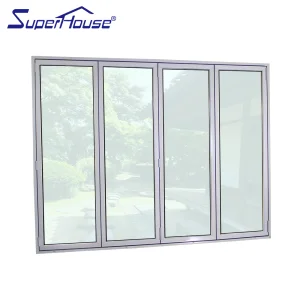
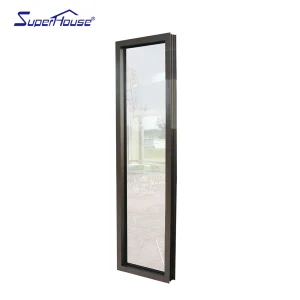
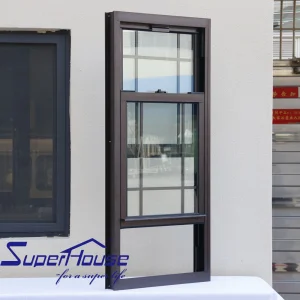
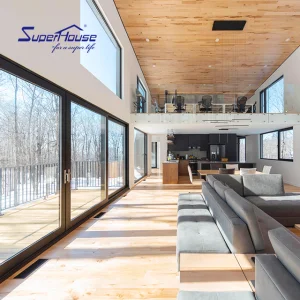
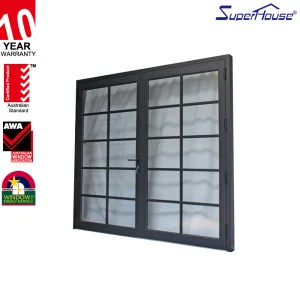
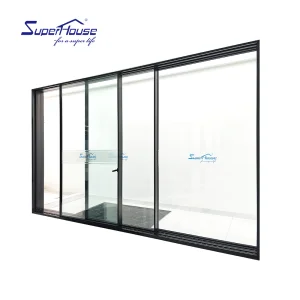
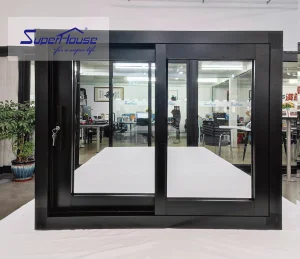
Discover complete structural door and window solutions certified for high-end residential, hotel, and commercial exterior applications.
 Shieldoors