Explore our flagship certified exterior and egress structural hardware engineered for extreme wind resistance, fire life-safety, and modern architectural aesthetics.
The evolution of panic exit hardware is driven by international life safety mandates, high-occupancy building regulations, and advanced material science.
Modern commercial infrastructure demands instantaneous, fail-safe evacuation mechanisms. Industrial panic exit hardware—commonly referred to as crash bars, panic bars, or touch bars—is strictly regulated under North American standard ANSI/BHMA A156.3 Grade 1 / UL 305 and European benchmark EN 1125. These standards ensure that an unlatched door opens effortlessly under minimal push force (less than 15 lbf / 66 N) during emergency panics without requiring prior knowledge of key operation.
As smart building management systems (BMS) become ubiquitous, China's leading panic hardware manufacturers are pioneering intelligent electro-magnetic panic systems. Combining physical latch integrity with motorized latch retraction (MLR), delay-egress logic, delayed action exit devices, and centralized fire alarm interlocking system connectivity, modern panic hardware guarantees real-time containment control alongside uncompromised emergency egress paths.
Panic hardware installed on perimeter entryways must withstand extreme structural pressures. High-rise commercial buildings in hurricane-prone zones require hardware combinations capable of resisting cyclical wind pressure over 100 PSF and large missile impact testing (Miami-Dade NOA, ASTM E1886/E1996). Premium aluminum profile design integrated with structural steel panic devices guarantees thermal insulation, air tightness, and storm resistance.
Information Gain Insight: Selecting panic hardware is not merely choosing a push bar; it involves evaluating structural door leaf rigidity, hinge load-bearing dynamics, fire door core density, and frame anchoring calculations to pass localized authority having jurisdiction (AHJ) field inspections.
A global pioneer in security entry systems, architectural door hardware, and large-scale project manufacturing integration.
Zhejiang Shieldoors Security Technology Co., Ltd. was established in 2016 and is located in an expansive 45,000 m² production base. Building on 10 years of industry leadership and 6 years of international trade experience, the company generates an annual export revenue reaching USD 42,000,000.
Our commitment to excellence is maintained through rigorous ISO9001-certified quality control and third-party product testing methods, including CE, UL fire-rated, and hurricane-impact certifications. A dedicated quality inspection team of 78 QC specialists ensures that every entry door meets international safety standards. Working with a robust ecosystem of 1,400 supply chain partners, our trade background covers direct export, project bidding, and global supply chain integration, mainly targeting key markets in North America, Australia, and Southeast Asia.
Innovation is at the heart of our operations. Supported by 350 skilled R&D engineers, we launched 450 new product designs last year. We serve major real estate developers, architectural firms, and building material retail chains by offering tailored customization options ranging from soundproofing and thermal insulation features to smart lock integration and custom panel finishes.
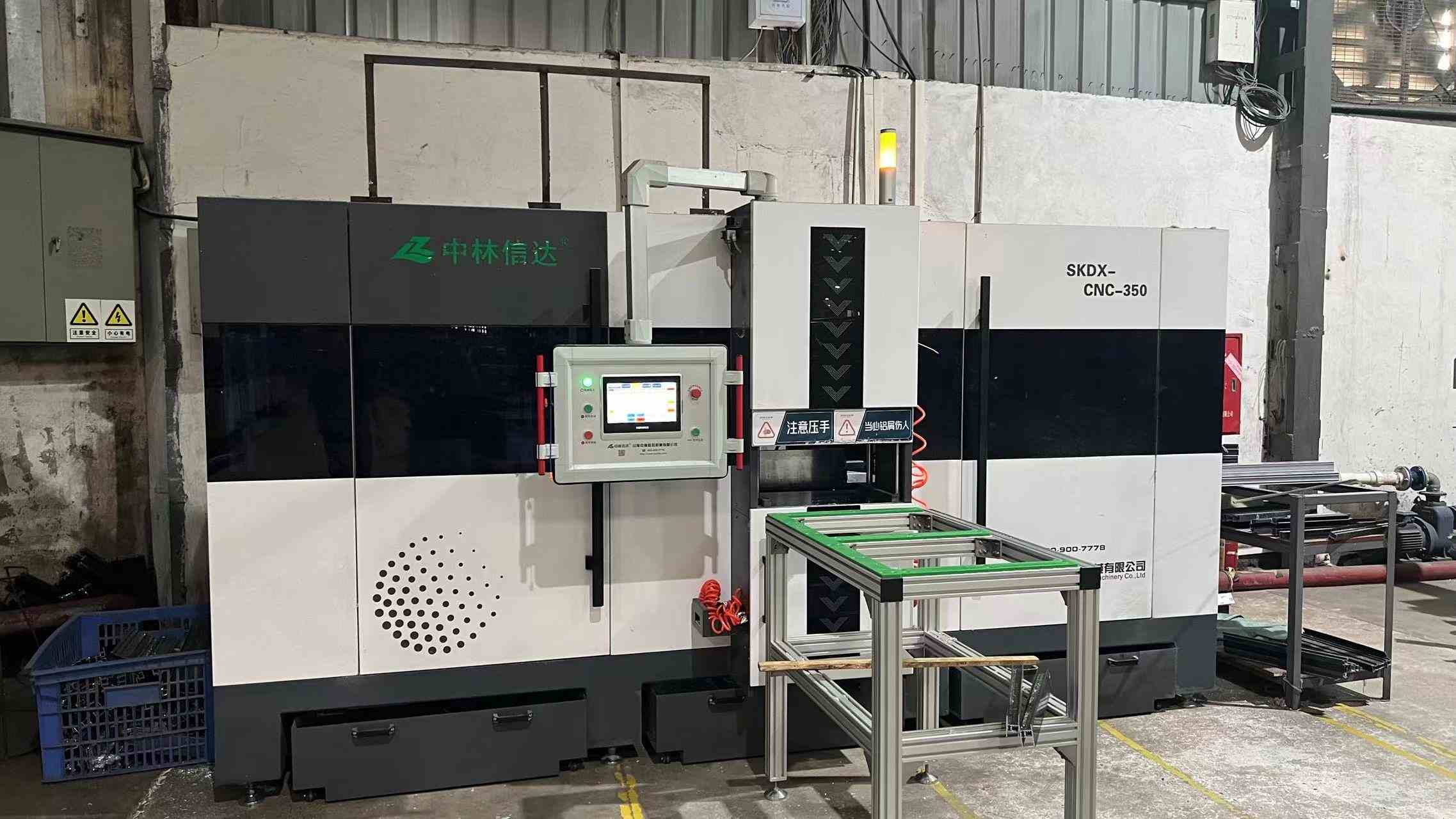
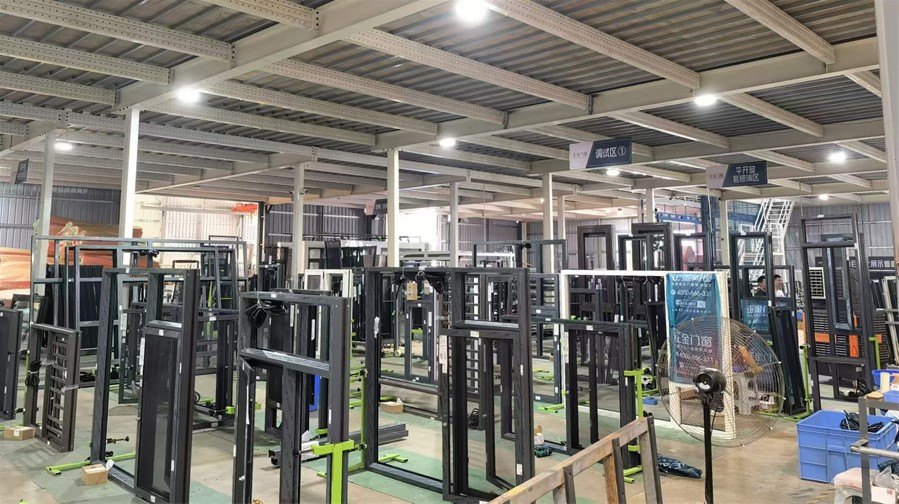
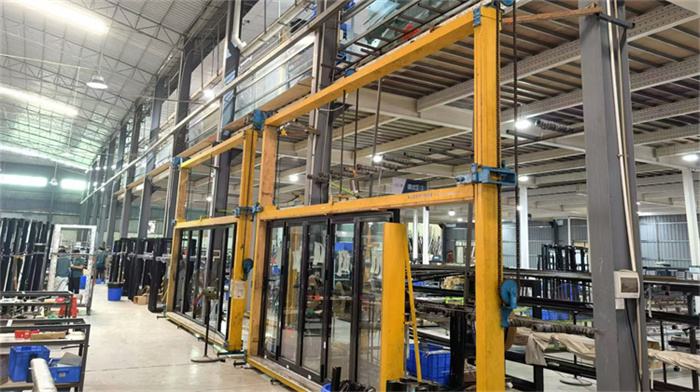
Our standardized 8-stage manufacturing workflow utilizes state-of-the-art automated machinery to maintain sub-millimeter tolerances on all panic exit door components.
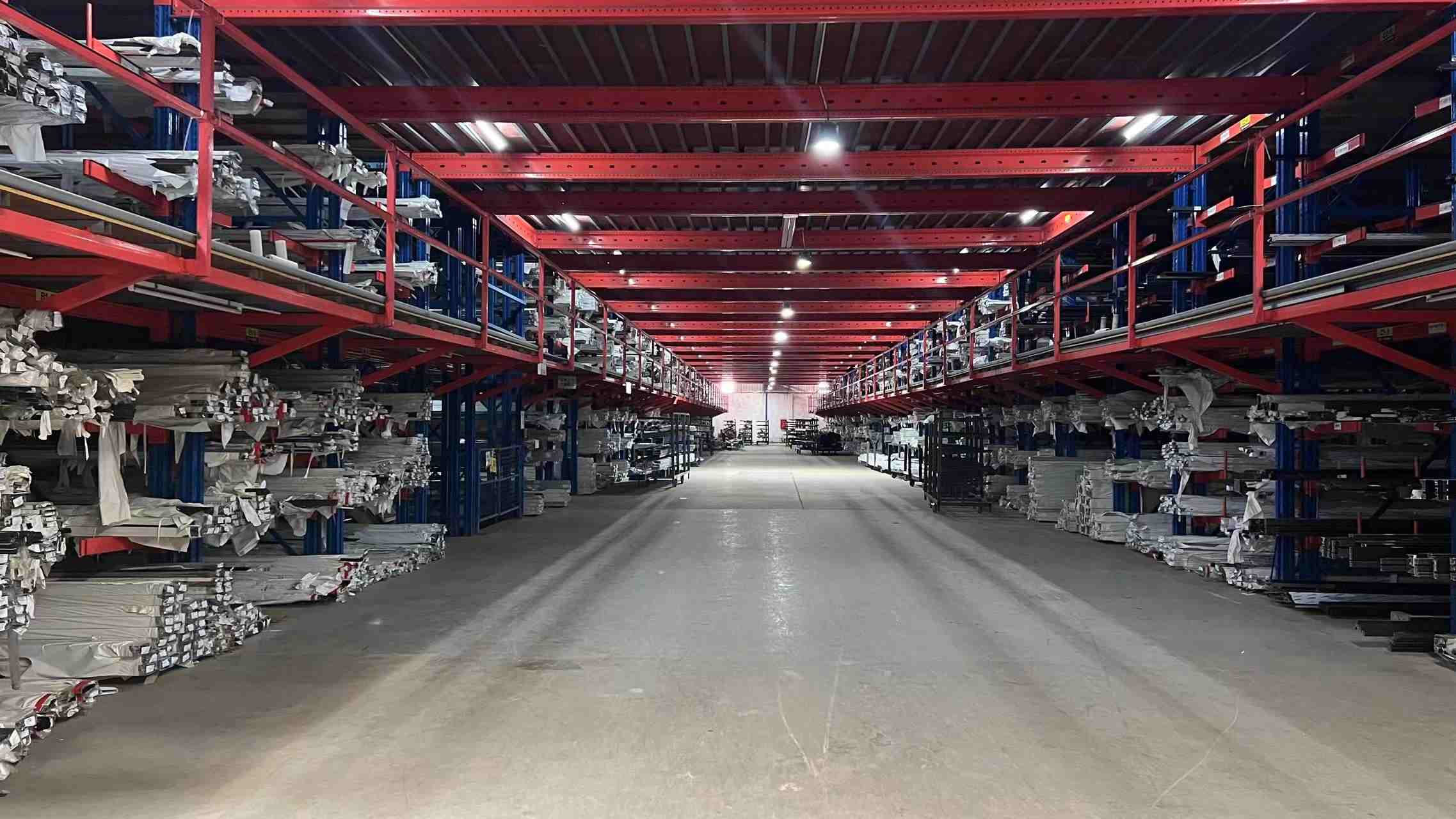
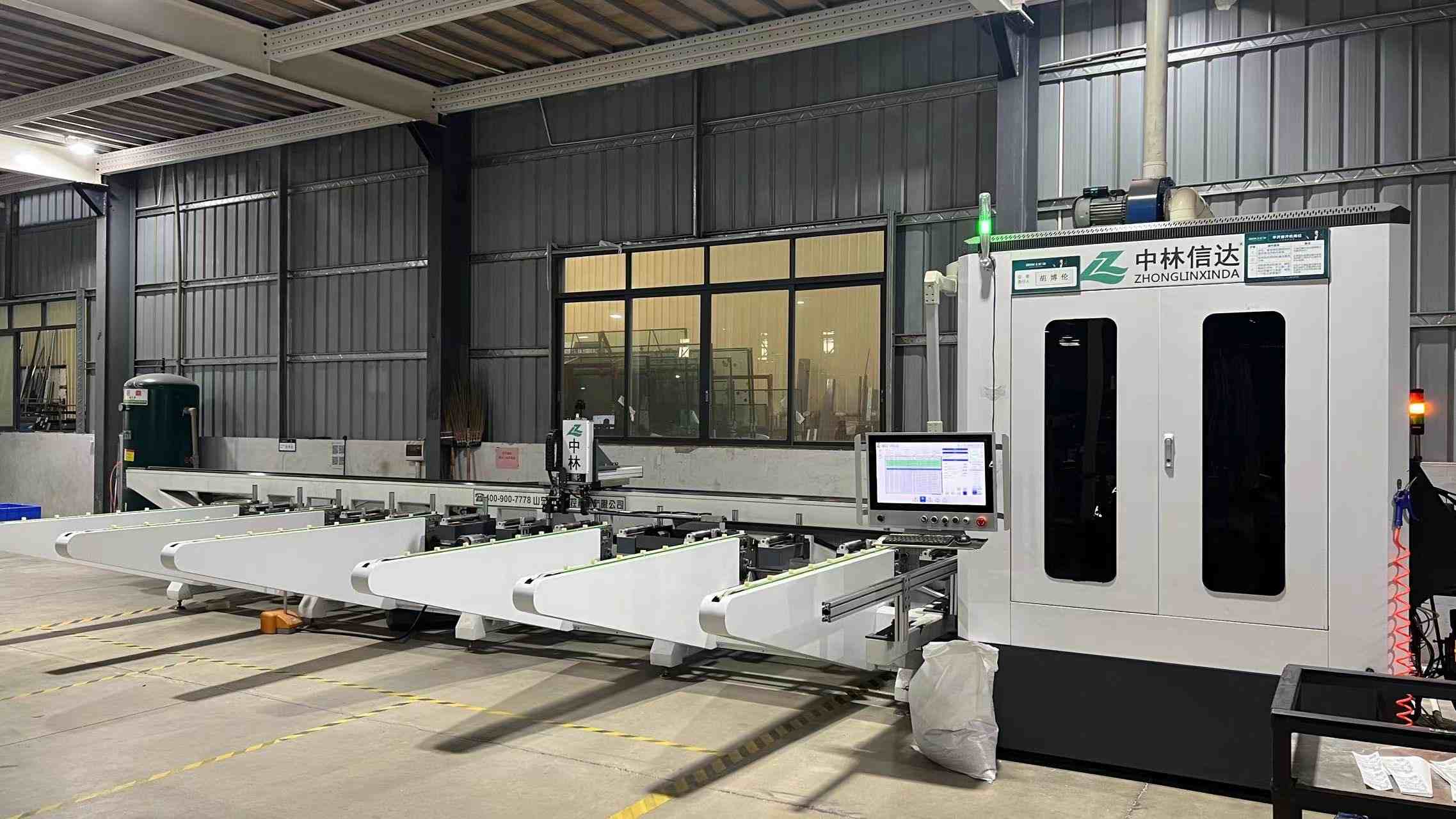
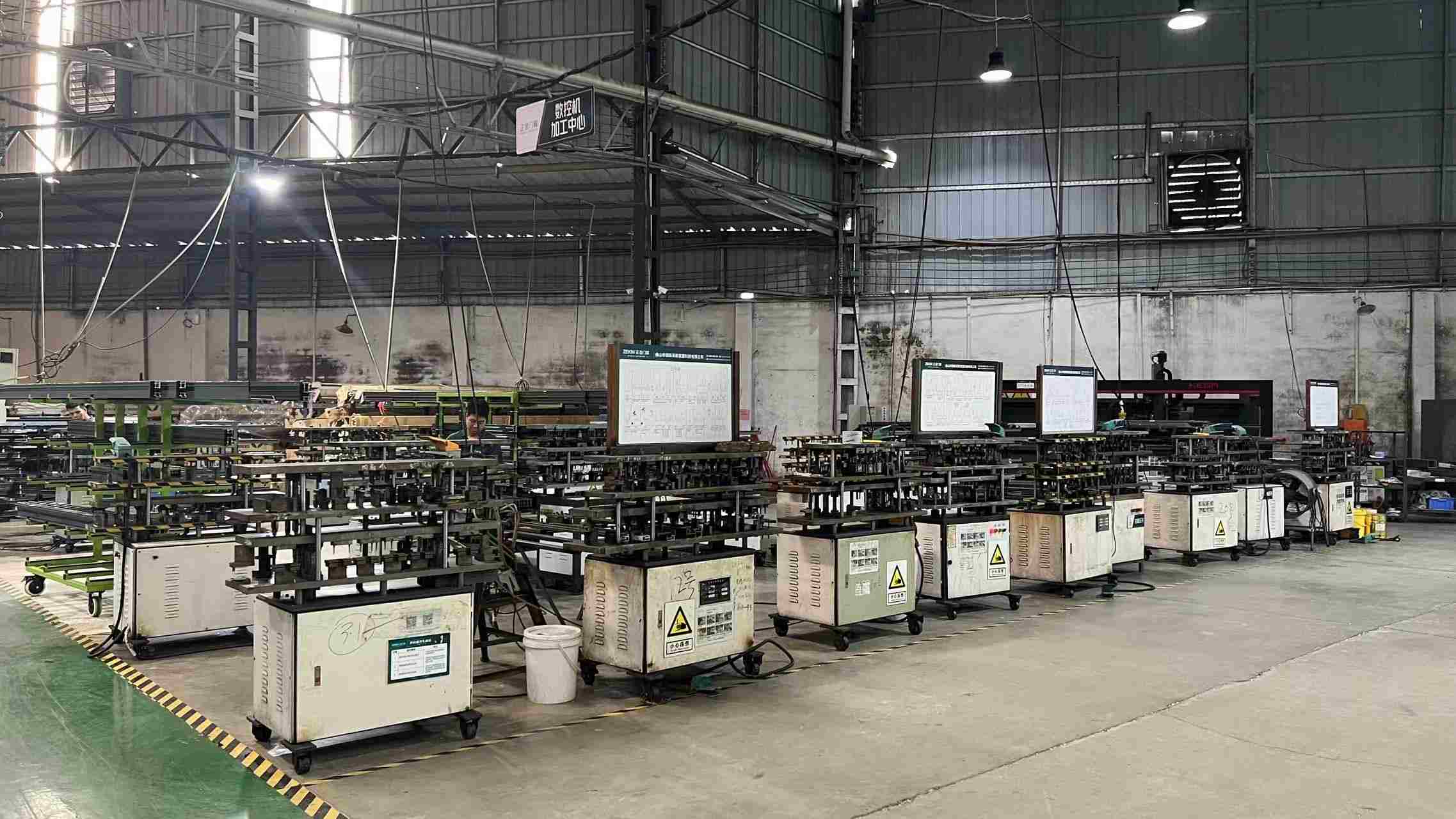
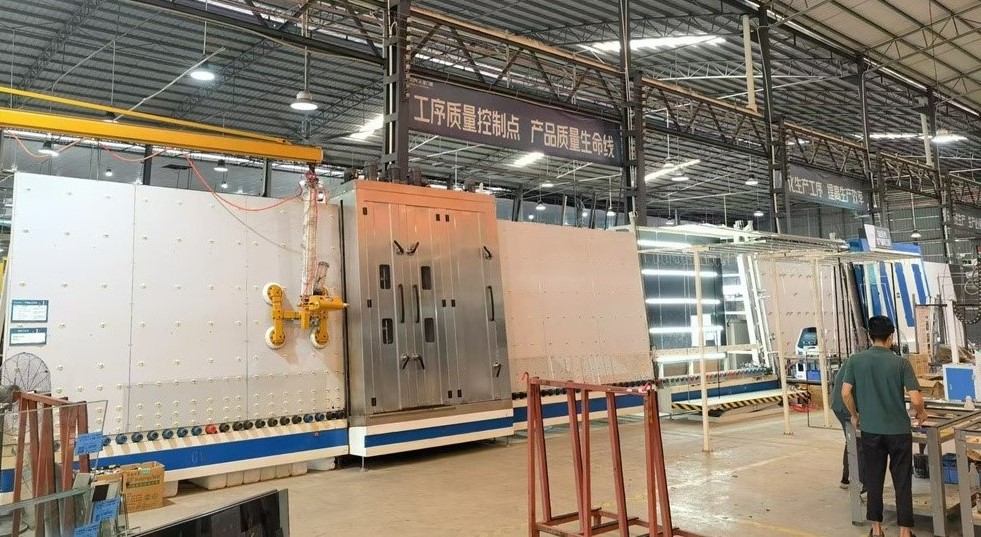
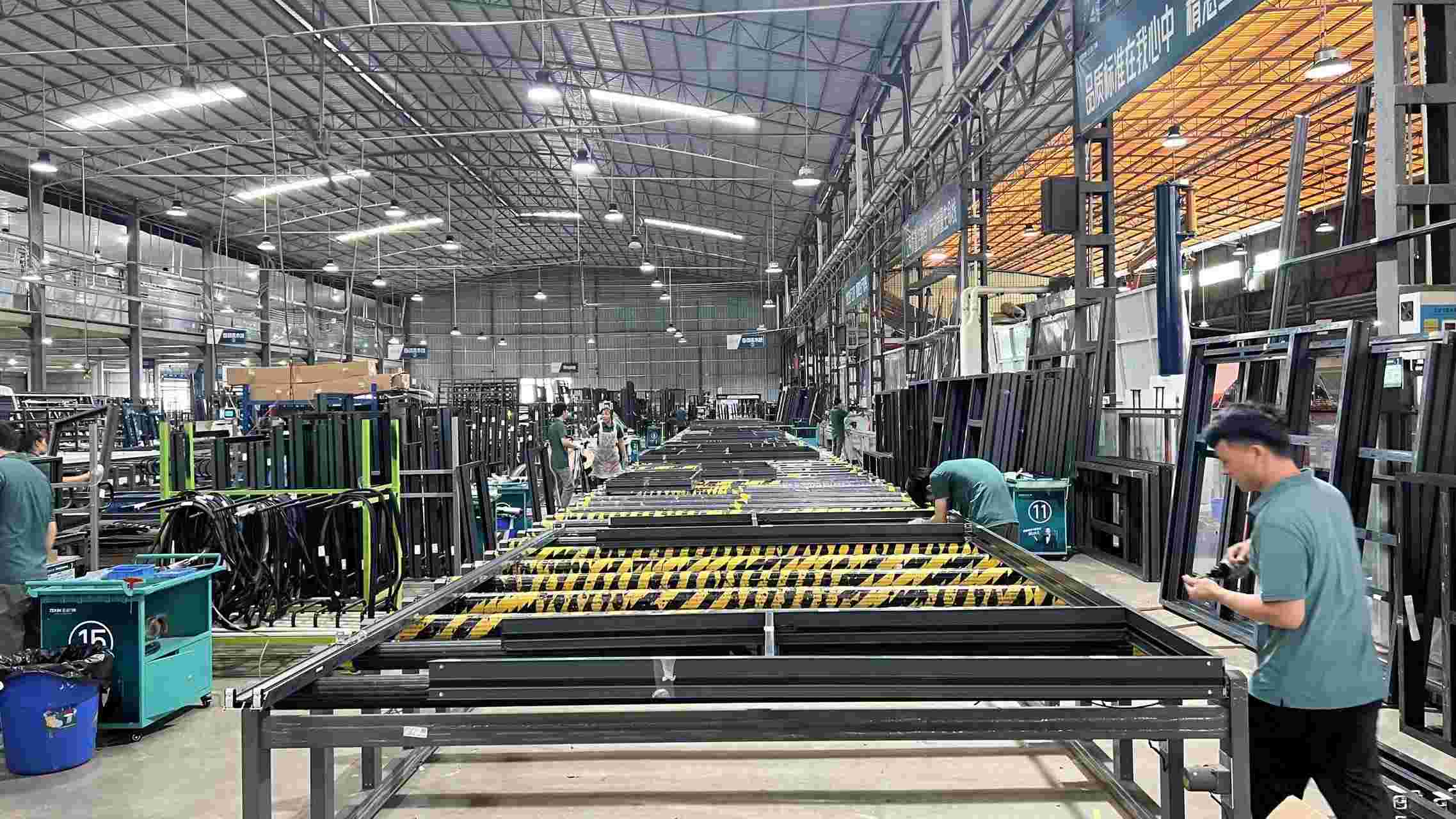
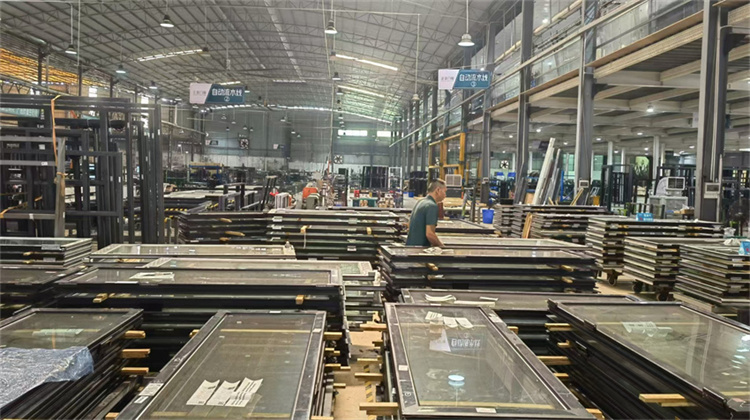
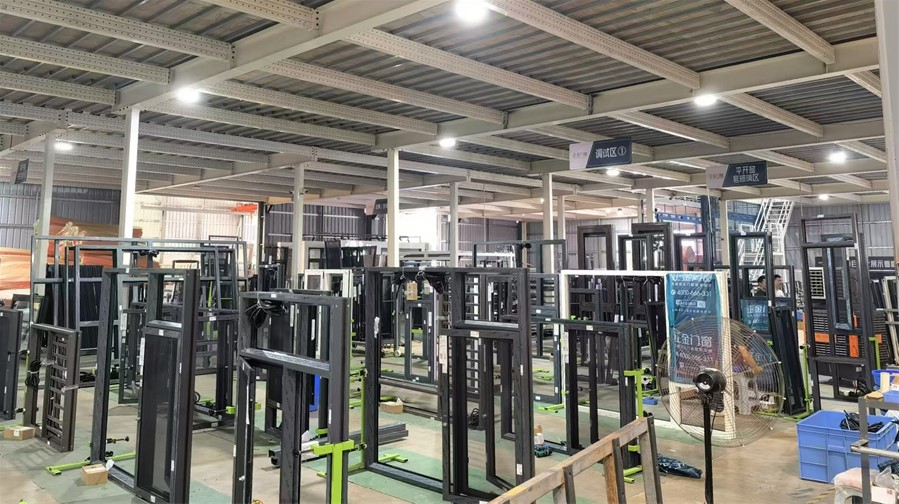
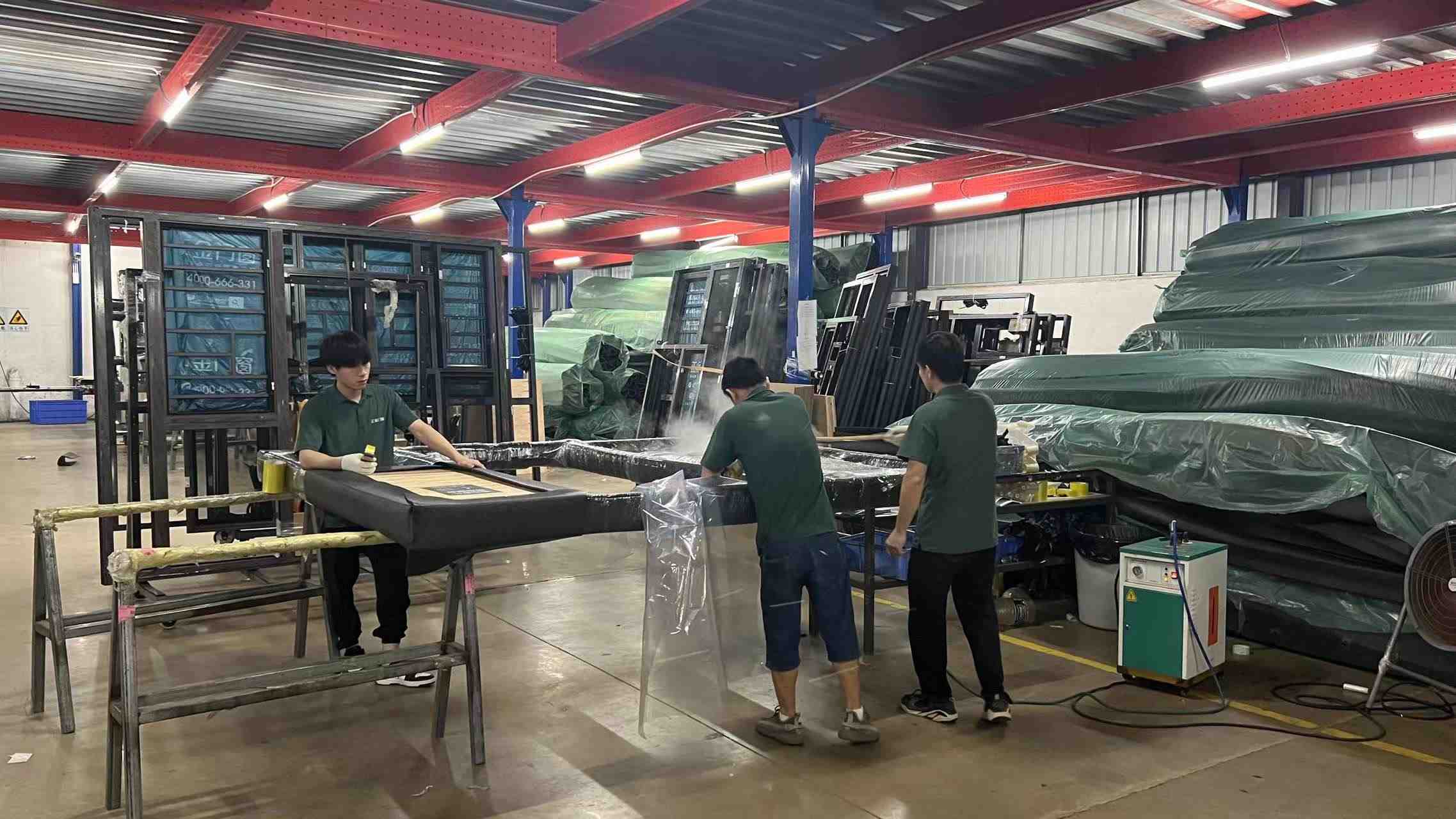
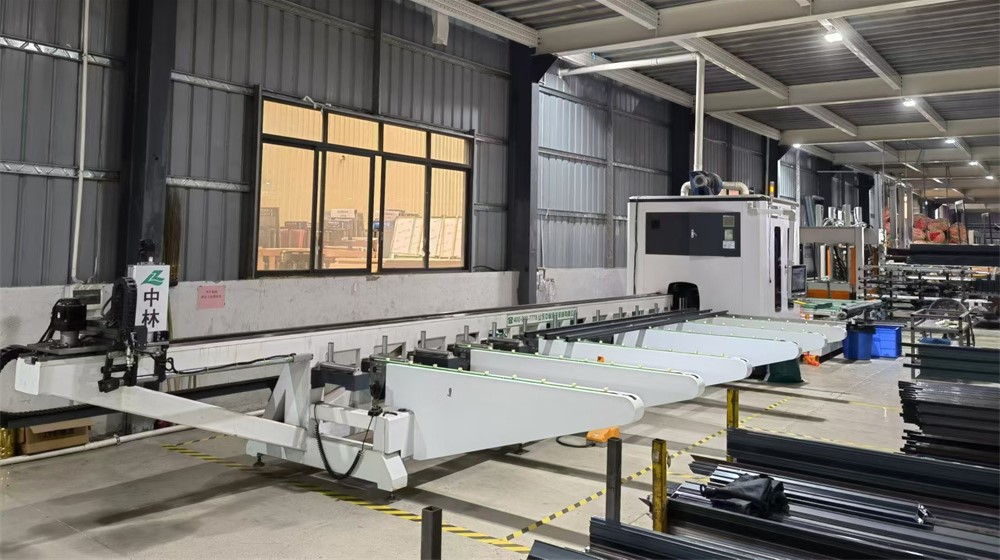
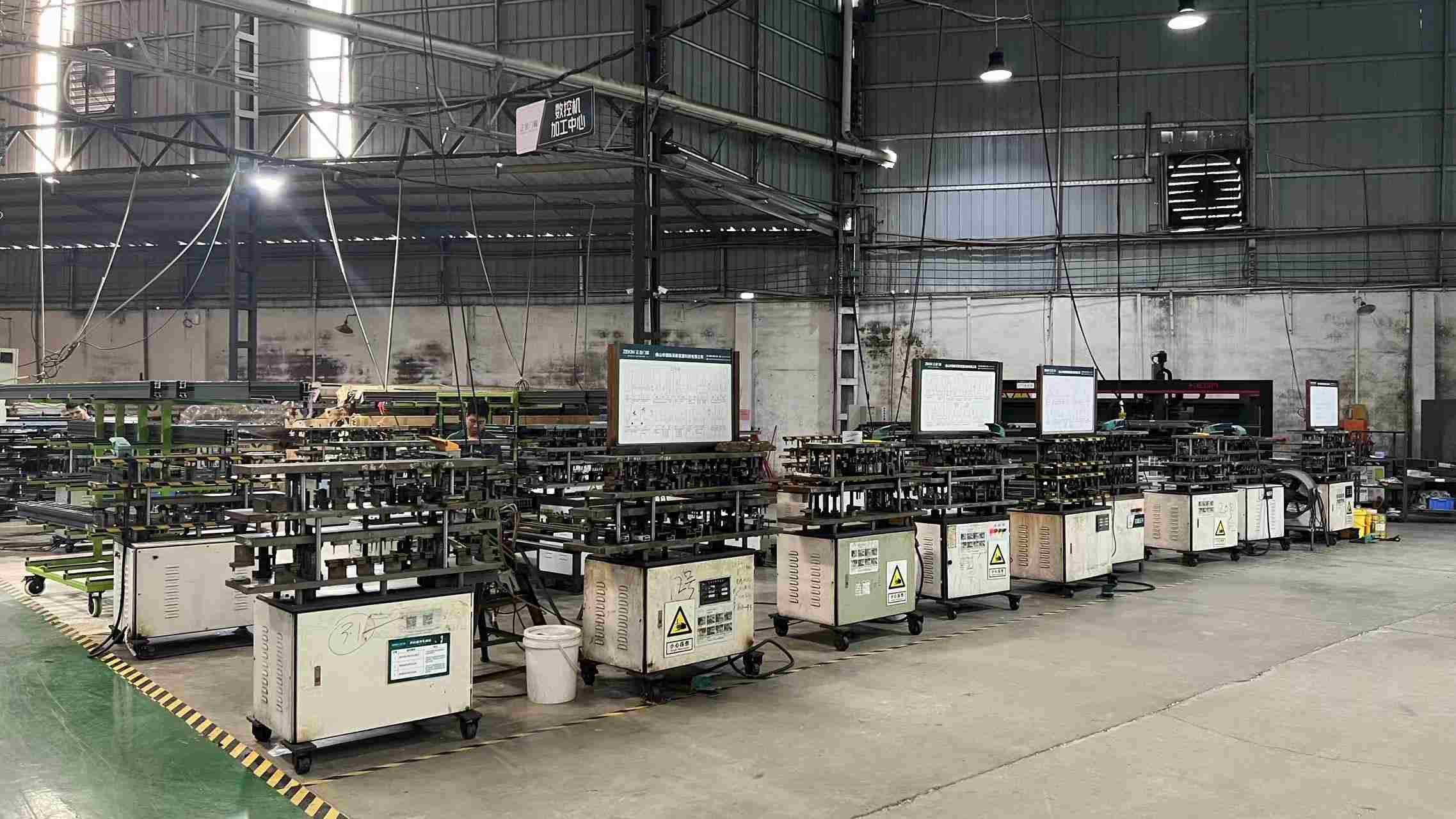
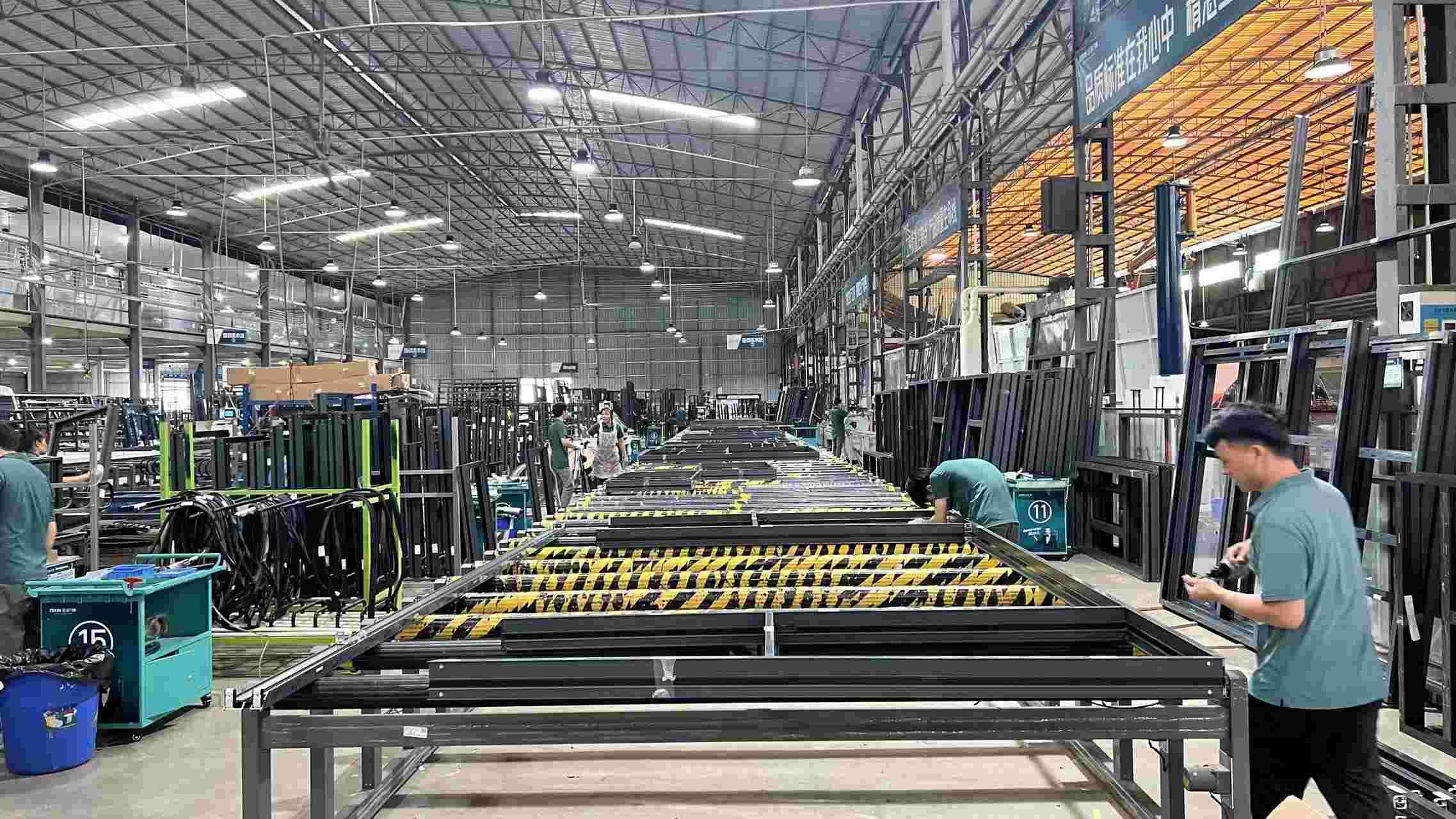
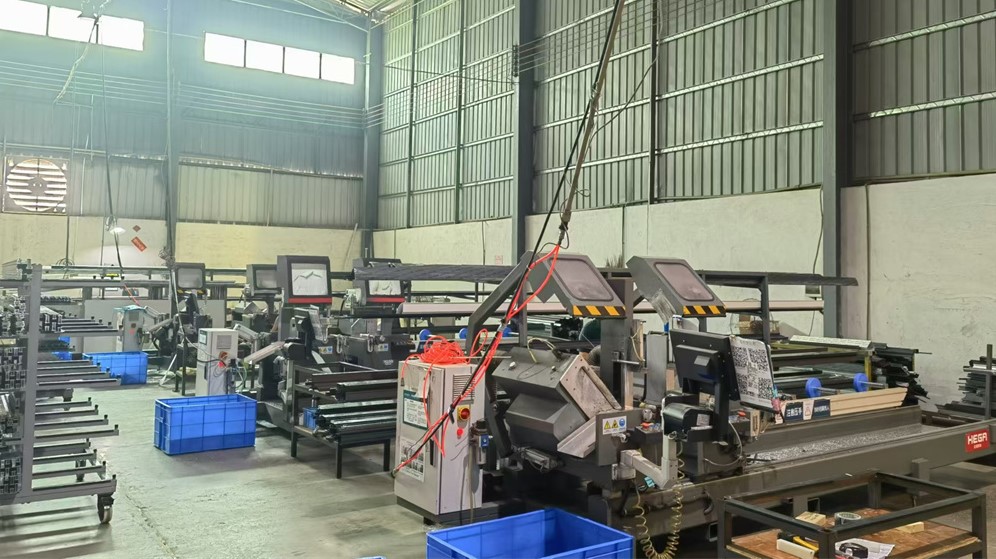
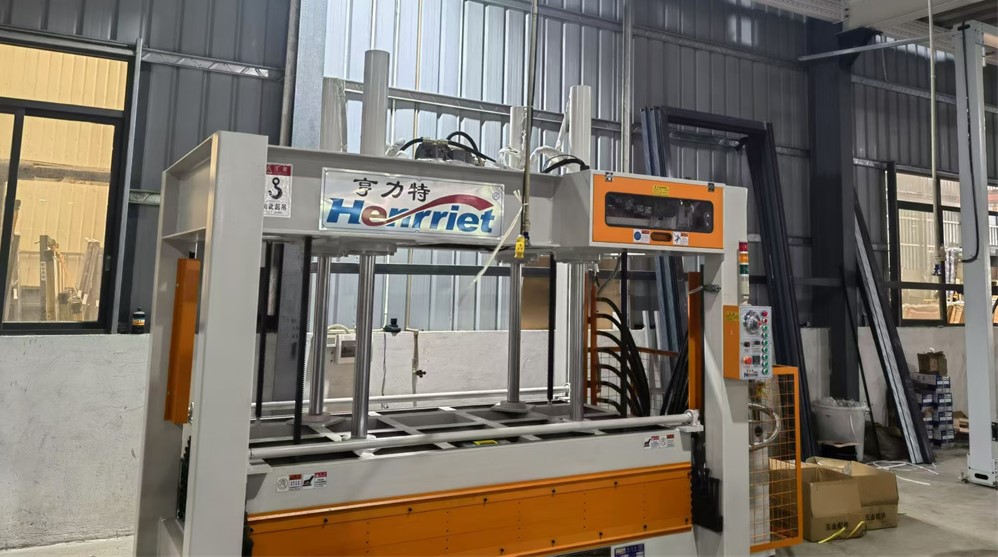
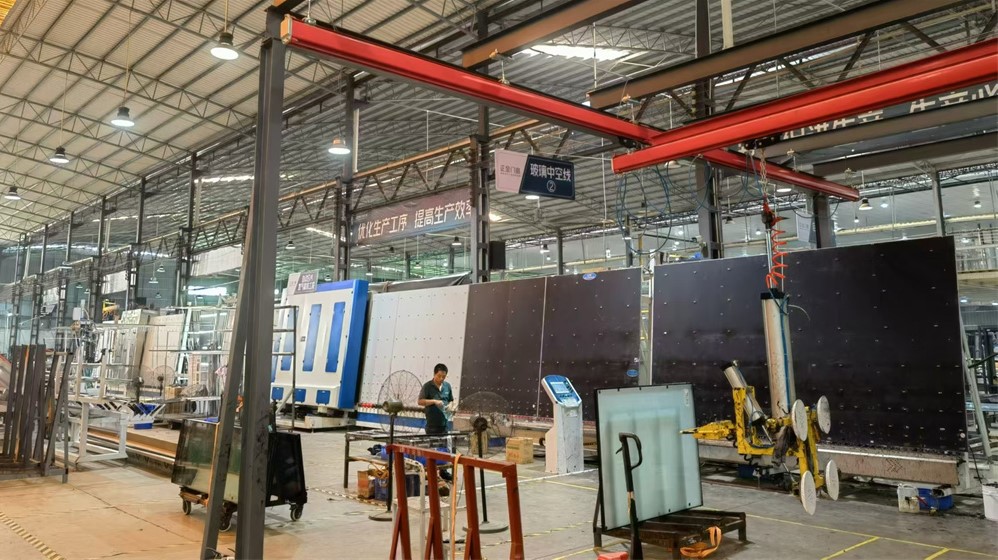
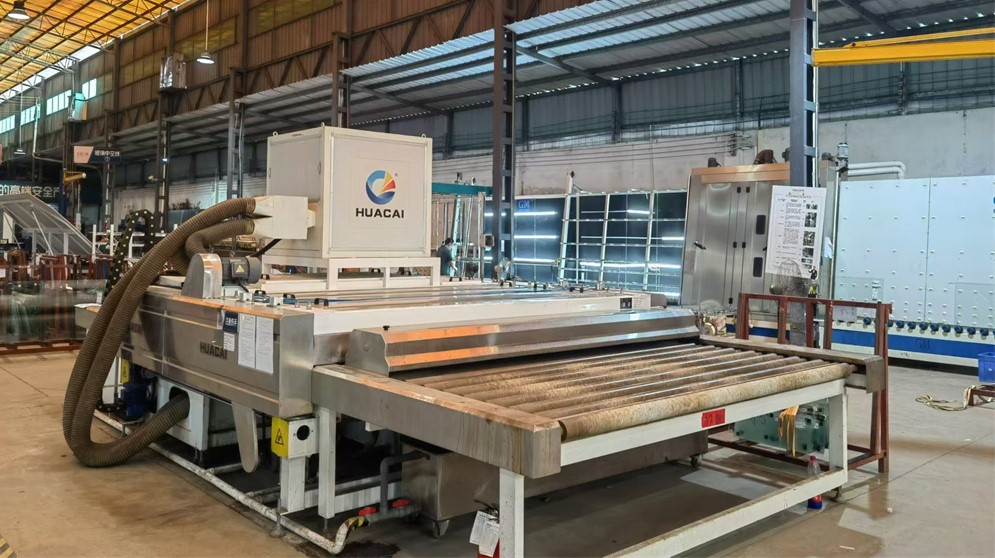
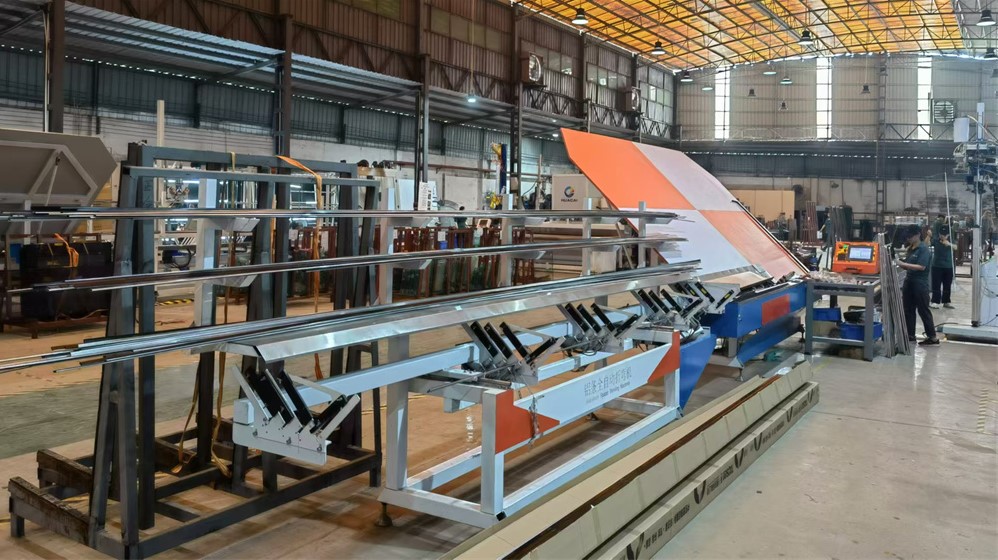
Architects and structural engineers must select panic device configurations based on door leaf construction, traffic frequency, and fire code rating.
| Device Typology | Latching Mechanism | Recommended Application | Compliance Standards | Key Material Specs |
|---|---|---|---|---|
| Rim Panic Exit Device | Surface-mounted latching bolt securing into frame strike plate. | Single outswing doors, hollow metal or framed glass doors. | UL 305, ANSI A156.3 Grade 1 | SUS304 stainless steel push bar, extruded 6063-T6 aluminum housing. |
| Mortise Panic Exit Device | Concealed mortise lock body embedded directly inside door leaf edge. | High-security commercial entryways requiring heavy duty latch retention. | UL 10C 3-Hour Fire Rated, EN 12209 | Solid brass/stainless steel deadbolt, anti-friction latch, hardened anti-saw pins. |
| Surface Vertical Rod (SVR) | Top and bottom latching rods mounted to interior face of door. | Double outswing doors without mullions in convention halls and schools. | ANSI A156.3 Grade 1, ADA compliant push force | Tubular stainless steel vertical rods, heavy-duty adjustable rod guides. |
| Concealed Vertical Rod (CVR) | Rods concealed entirely within aluminum or steel door stiles. | Architectural glazed entrances, luxury hotel vestibules, museum exits. | CE EN 1125, NFRC energy performance | Aircraft-grade aluminum alloy stiles, concealed internal linkage mechanisms. |
Ensuring seamless import, field sign-off, and occupancy certification across major overseas markets.
Products must meet strict ANSI/BHMA A156.3 Grade 1 standards for over 1,000,000 operation cycles. Fire-rated openings must comply with UL 10C / NFPA 252 positive pressure fire tests up to 3 hours. Coastal deployments require Miami-Dade NOA / Florida Building Code (FBC) hurricane impact validation, Title 24 energy efficiency, and ADA clear opening compliance.
Regulated under EN 1125 (for public panic egress) and EN 179 (for emergency exits operated by trained personnel). Devices require CE and UKCA marking, detailing corrosion resistance (EN 1670 Class 4), acoustic isolation, and hazardous substance restriction (RoHS/REACH).
Fenestration systems must comply with AS 2047 (Windows and External Glazed Doors in Buildings) and AS 1428.1 (Design for Access and Mobility). Fire assemblies are tested against AS 1530.4 fire resistance levels (FRL).
Focuses on tropical weatherproofing, high UV degradation resistance, and Civil Defense fire safety authorizations. Thermal breaks and double Low-E glazing are required to minimize HVAC load in tropical and arid regions.
Customized panic hardware assemblies optimized for distinct building typologies and operational dynamics.
High-occupancy retail centers require wide push-bar touch surfaces with dogging mechanisms (manual hex-key or electric hold-back) to allow free push-pull access during business hours, converting to rigid fail-secure status after hours.
Hospitals and laboratories demand touch bars treated with anti-microbial powder coatings (silver ion technology) and quiet-latching acoustic suppressors to minimize decibel spikes during emergency egress.
Industrial server facilities demand heavy-duty stainless steel rim devices integrated with anti-vandalism exterior lever handles, card access readers, and anti-cut solid steel latch bolts.
Exploring next-generation technologies: IoT telematics, sustainable metallurgy, and AI-driven egress route optimization.
Integration of wireless status sensors (latch monitoring, door position monitoring, request-to-exit switches) transmitting real-time operational diagnostics to cloud-based building management platforms.
Incorporation of low-power LED visual guidance strips directly within the panic touch bar, illuminating automatically upon fire alarm trigger to guide occupants through zero-visibility smoke corridors.
Transitioning toward 100% recyclable alloy profiles, chrome-free electroplating, and Environmental Product Declarations (EPD) aligned with LEED v4.1 green building certification standards.
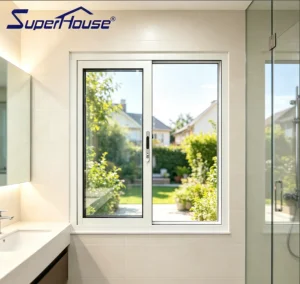
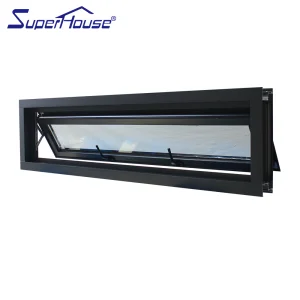
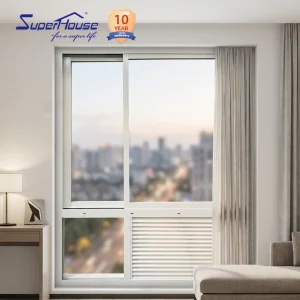
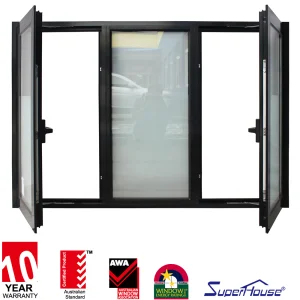
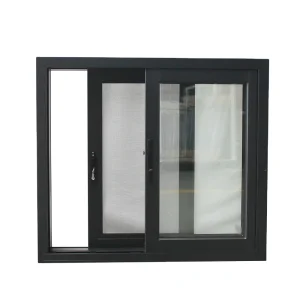
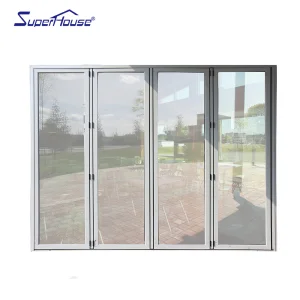
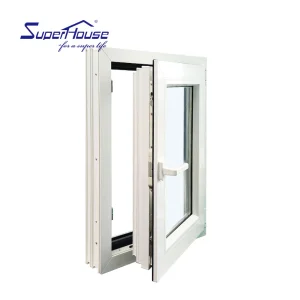
Browse our complete range of certified exterior doors, sliding windows, and panic exit assemblies manufactured for OEM/ODM global export.
Addressing key operational, compliance, engineering, and commercial procurement queries for global buyers.
 Shieldoors