NFRC, AS2047, and Miami-Dade Certified Thermally Broken Assemblies for Global Architectural Projects
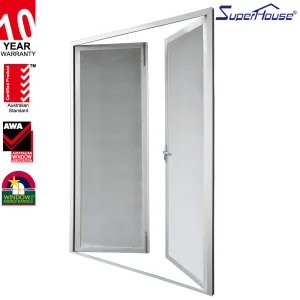
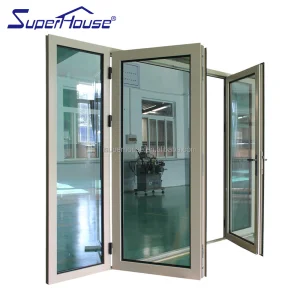
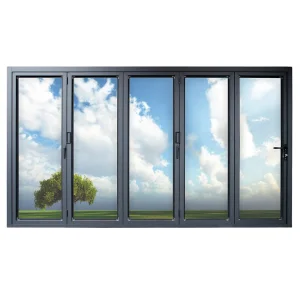
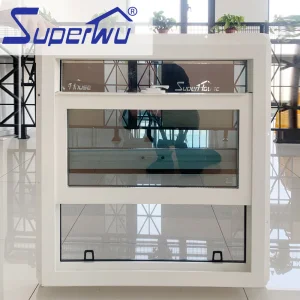
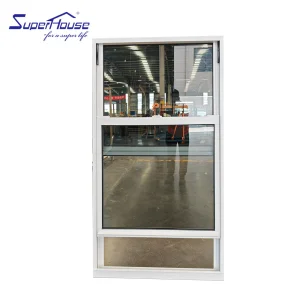
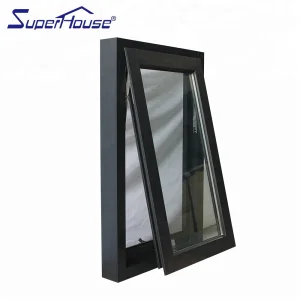
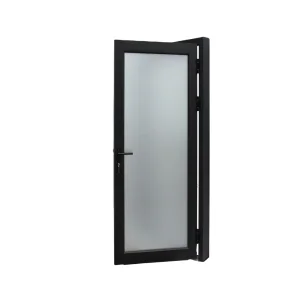
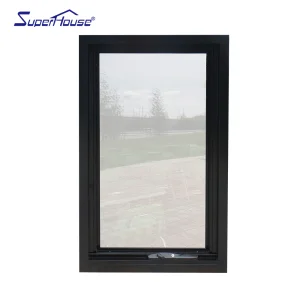
Leading the Global Architectural Supply Chain with Advanced Thermal Engineering & Strict ISO Quality Standards
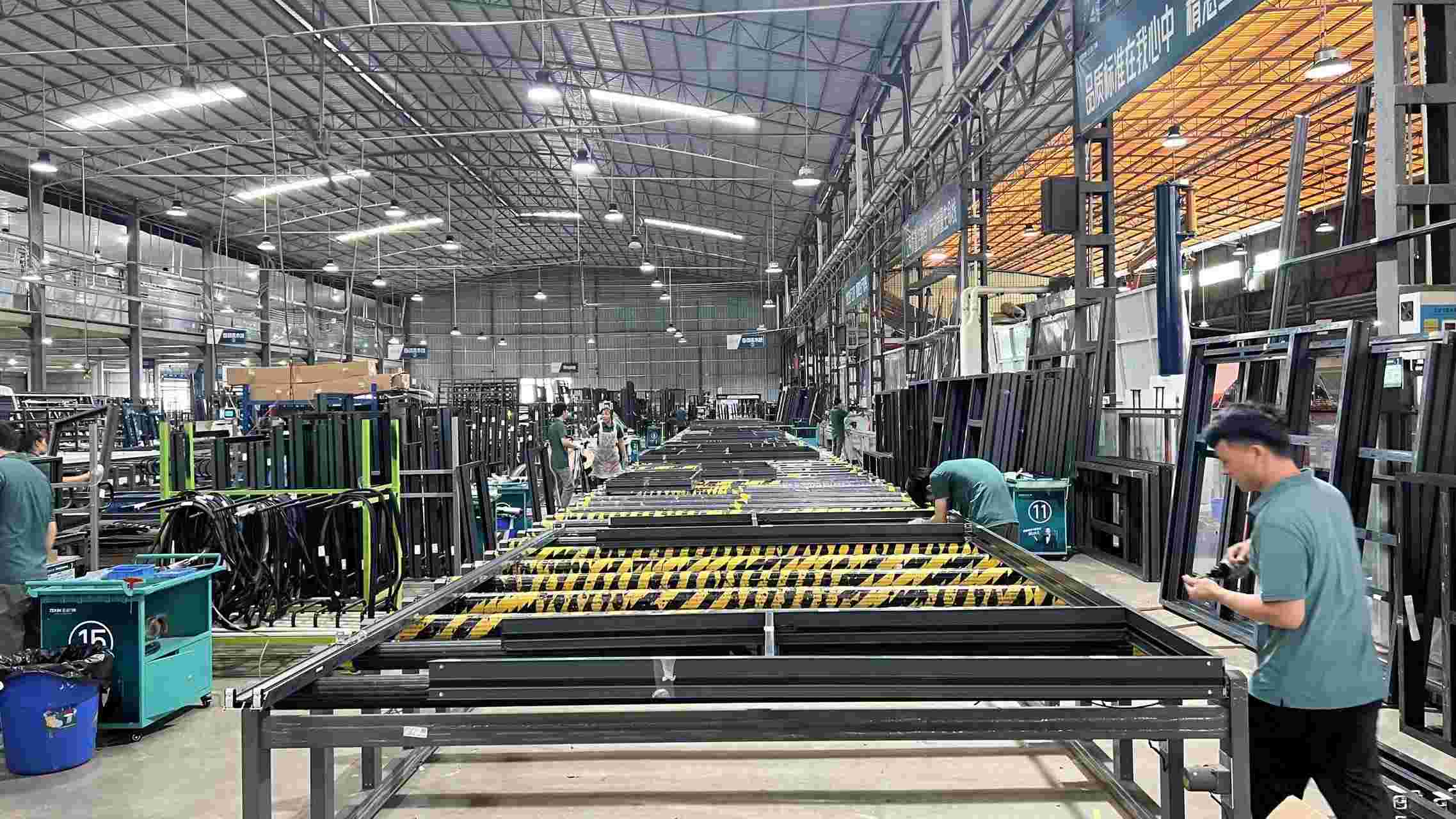
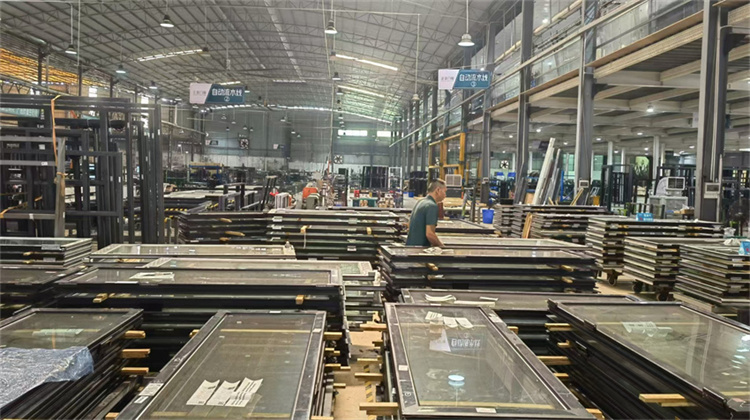
Zhejiang Shieldoors Security Technology Co., Ltd. was established in 2016 and is located in an expansive 45,000 m² production base. Building on 10 years of industry leadership and 6 years of international trade experience, the company generates an annual export revenue reaching USD 42,000,000.
Our commitment to excellence is maintained through rigorous ISO9001-certified quality control and third-party product testing methods, including CE, UL fire-rated, and hurricane-impact certifications. A dedicated quality inspection team of 78 QC specialists ensures that every entry door meets international safety standards. Working with a robust ecosystem of 1,400 supply chain partners, our trade background covers direct export, project bidding, and global supply chain integration, mainly targeting key markets in North America, Australia, and Southeast Asia.
Innovation is at the heart of our operations. Supported by 350 skilled R&D engineers, we launched 450 new product designs last year. We serve major real estate developers, architectural firms, and building material retail chains by offering tailored customization options ranging from soundproofing and thermal insulation features to smart lock integration and custom panel finishes.
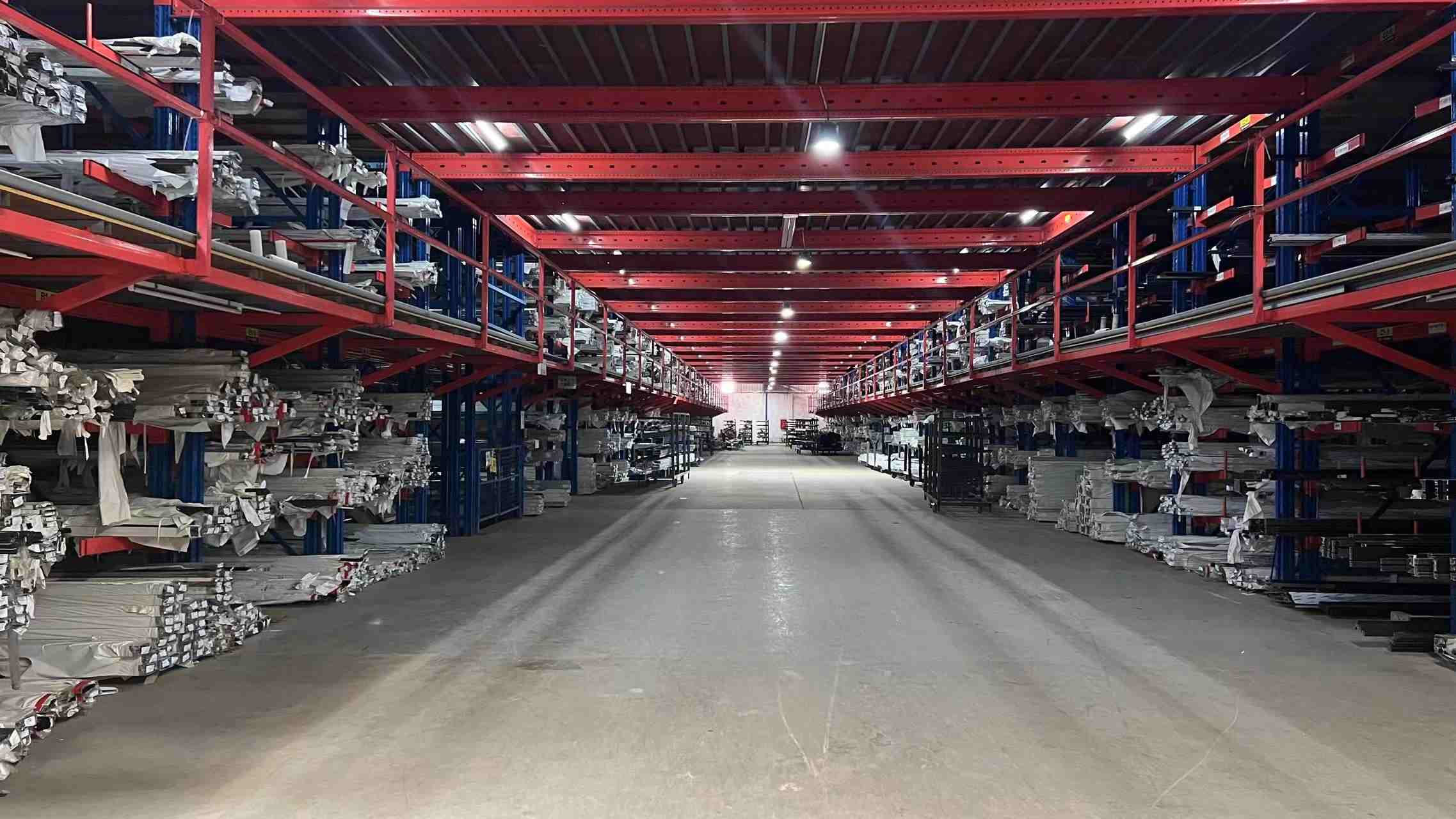
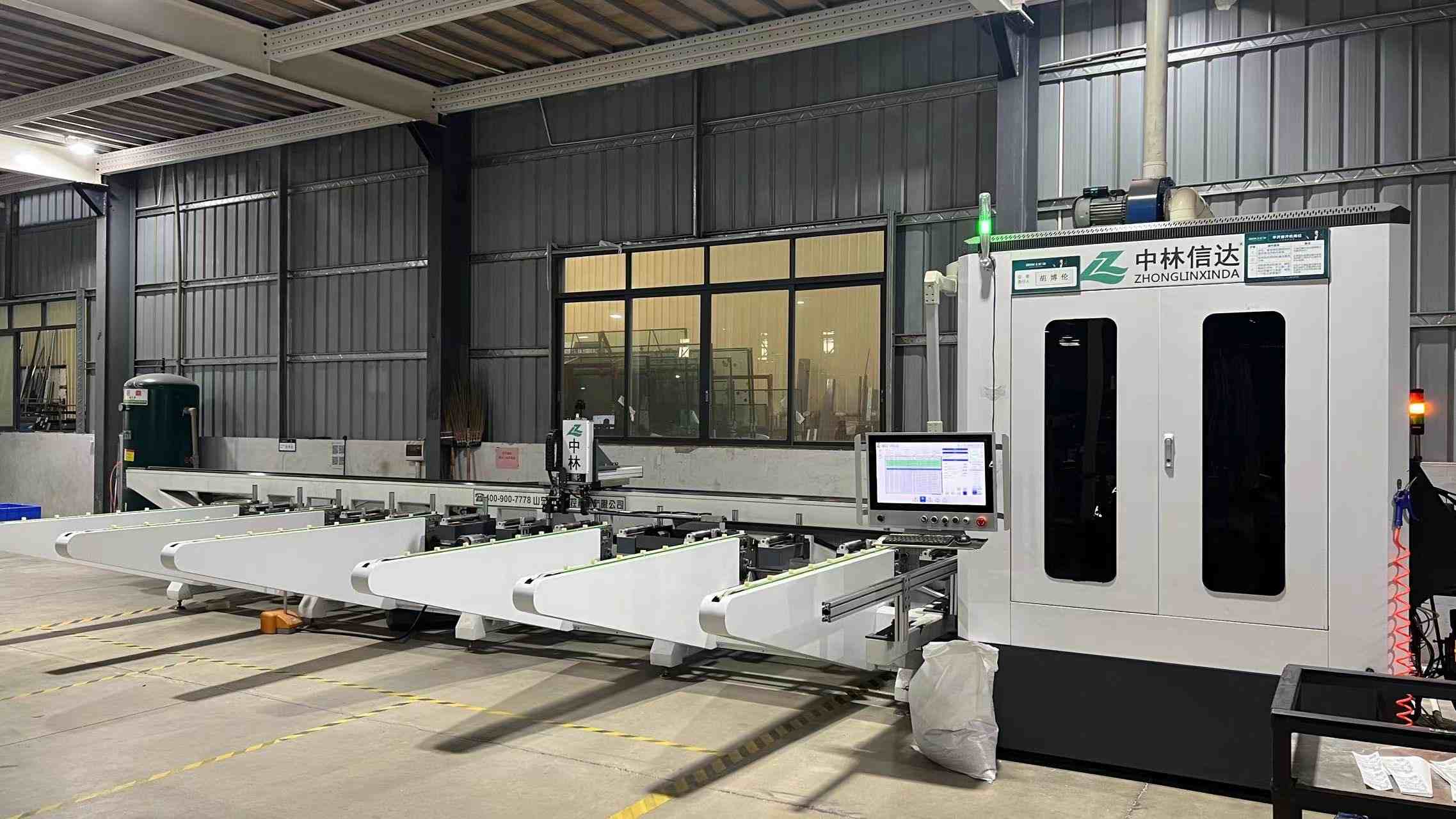
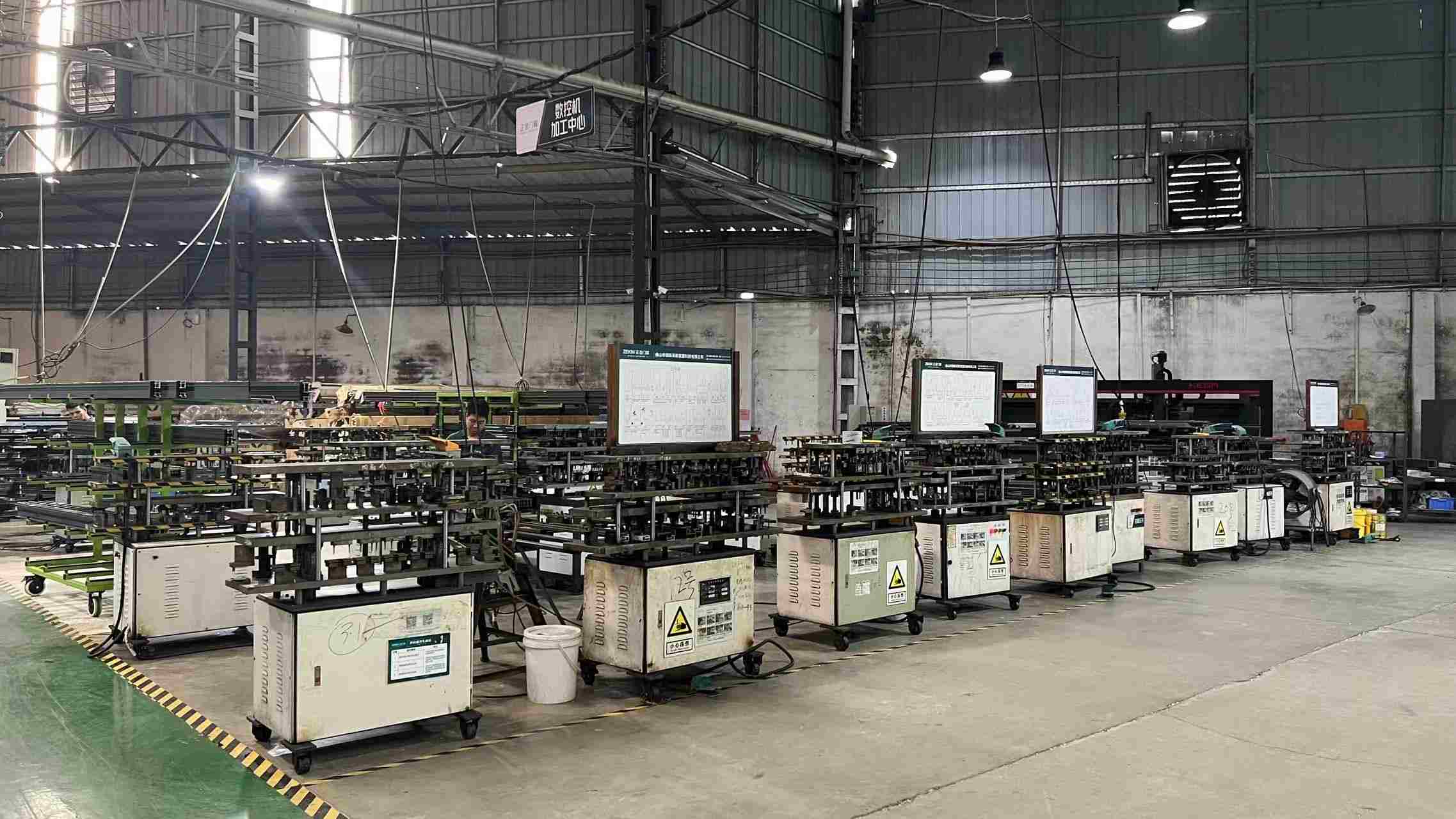
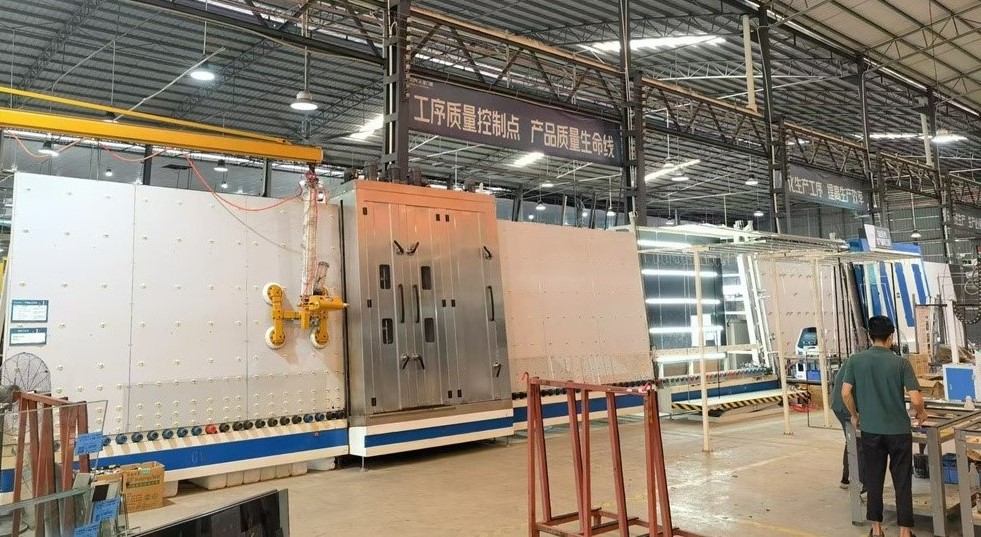
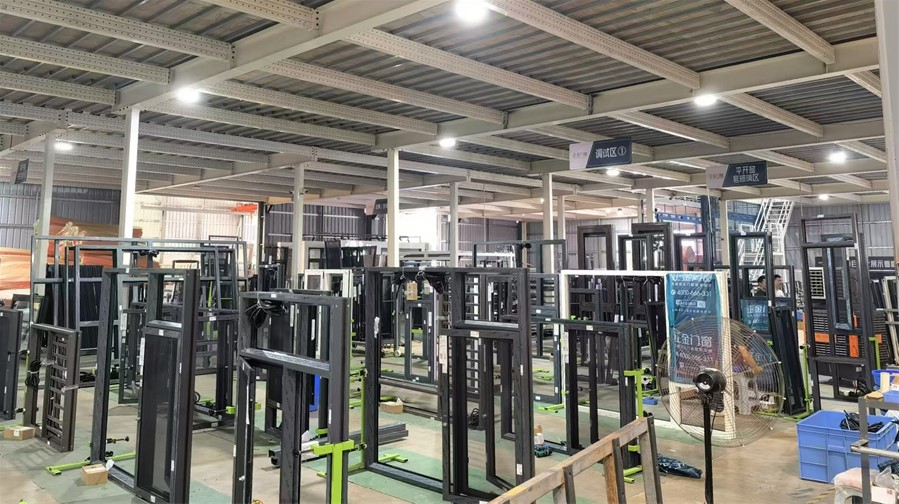
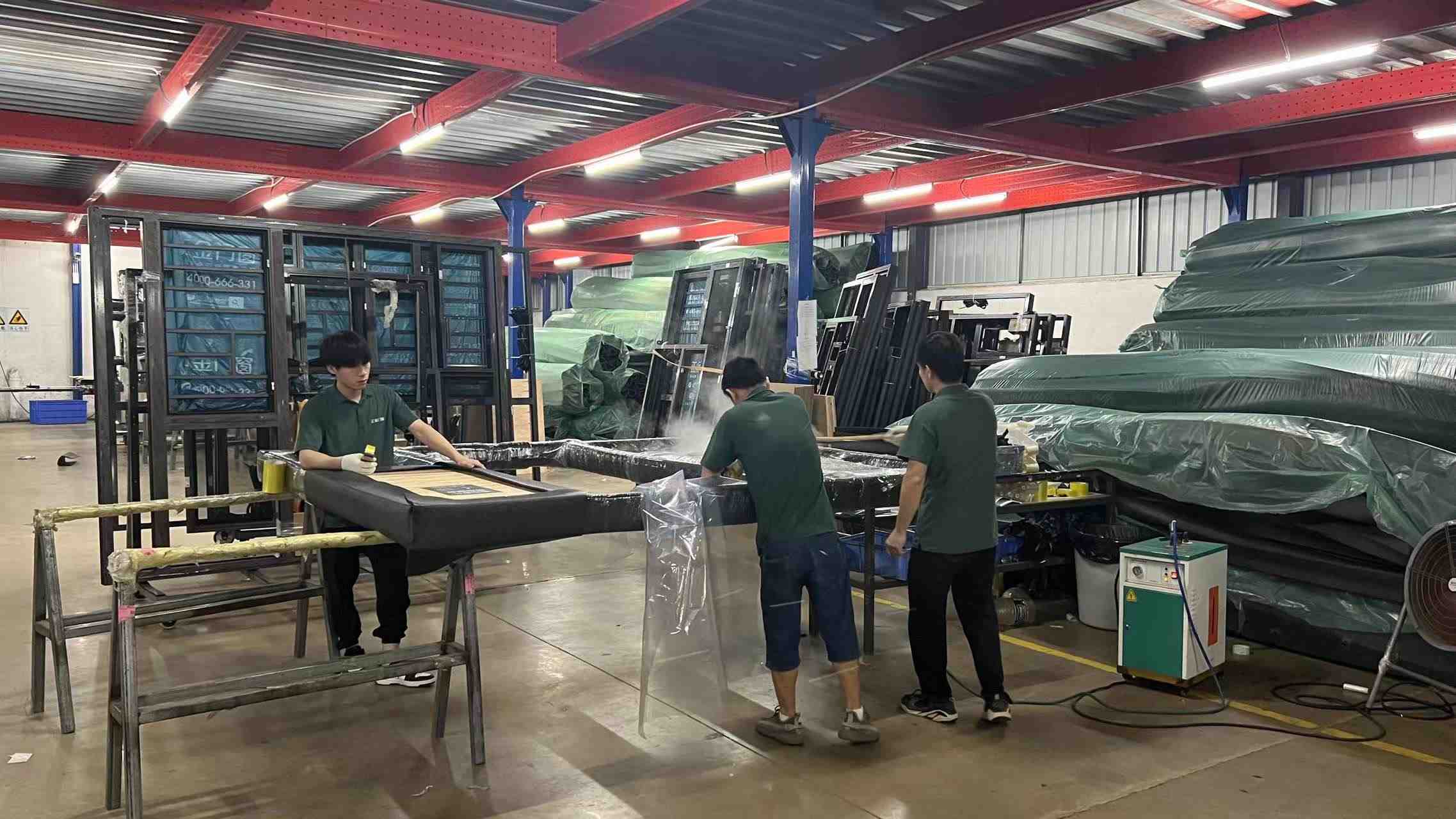
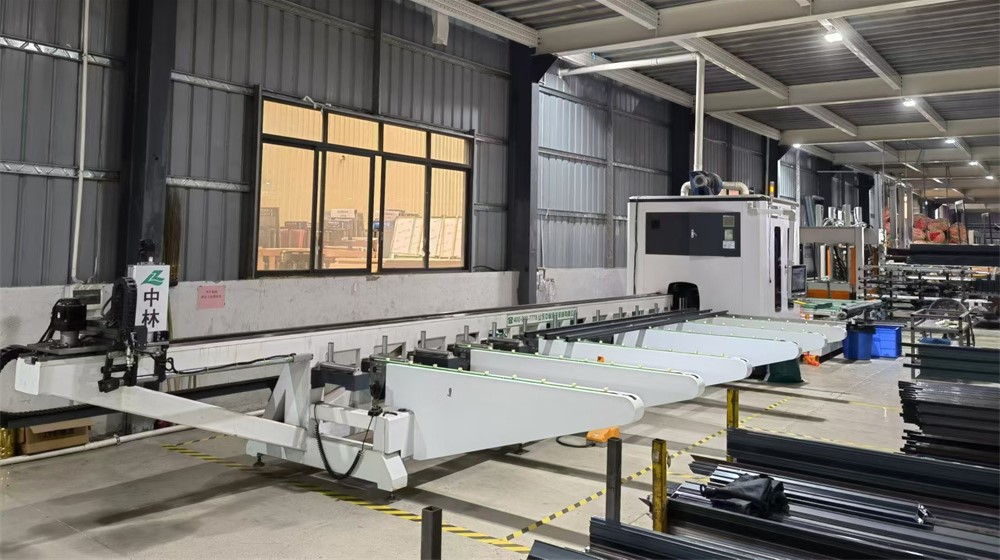
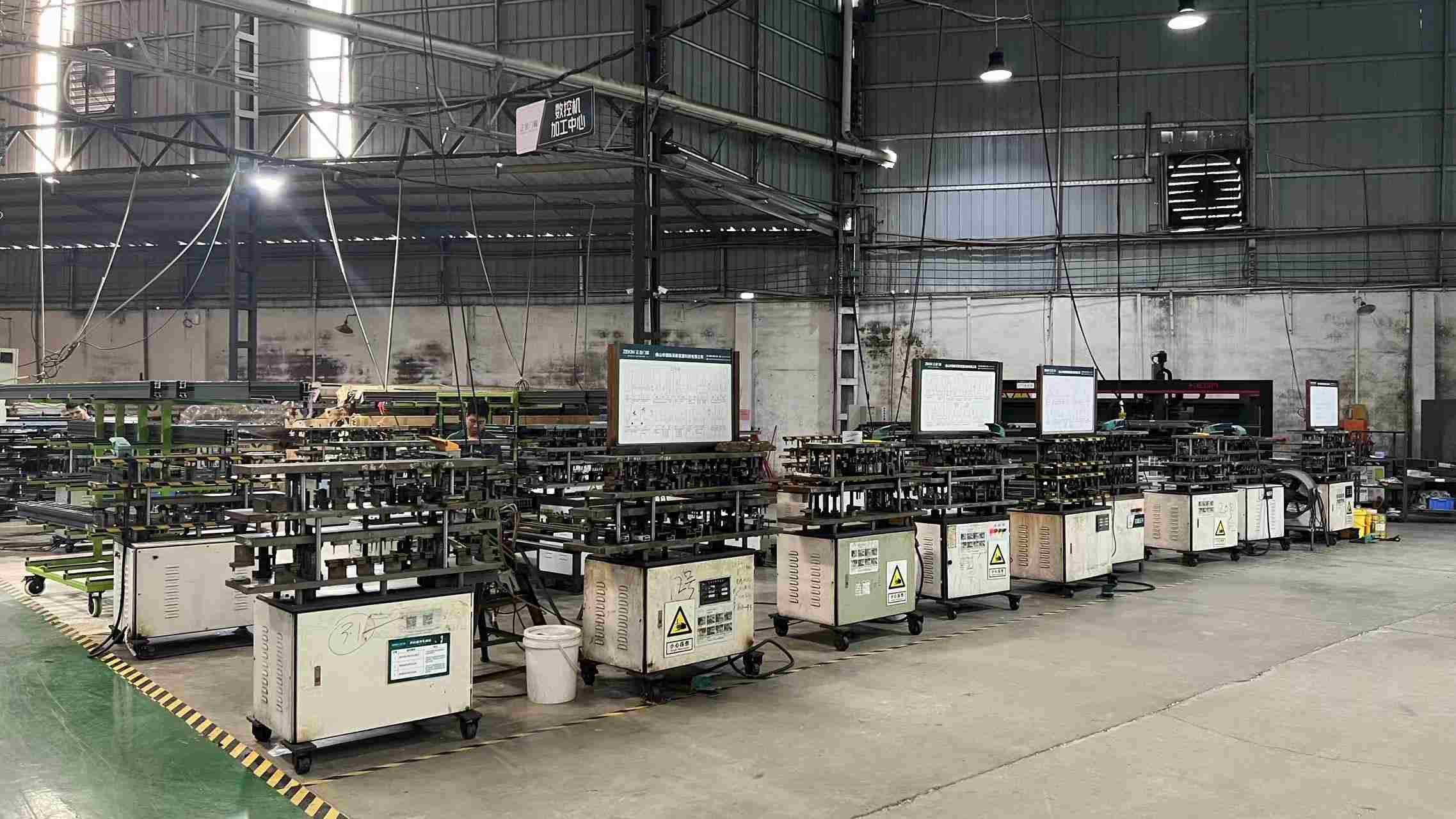
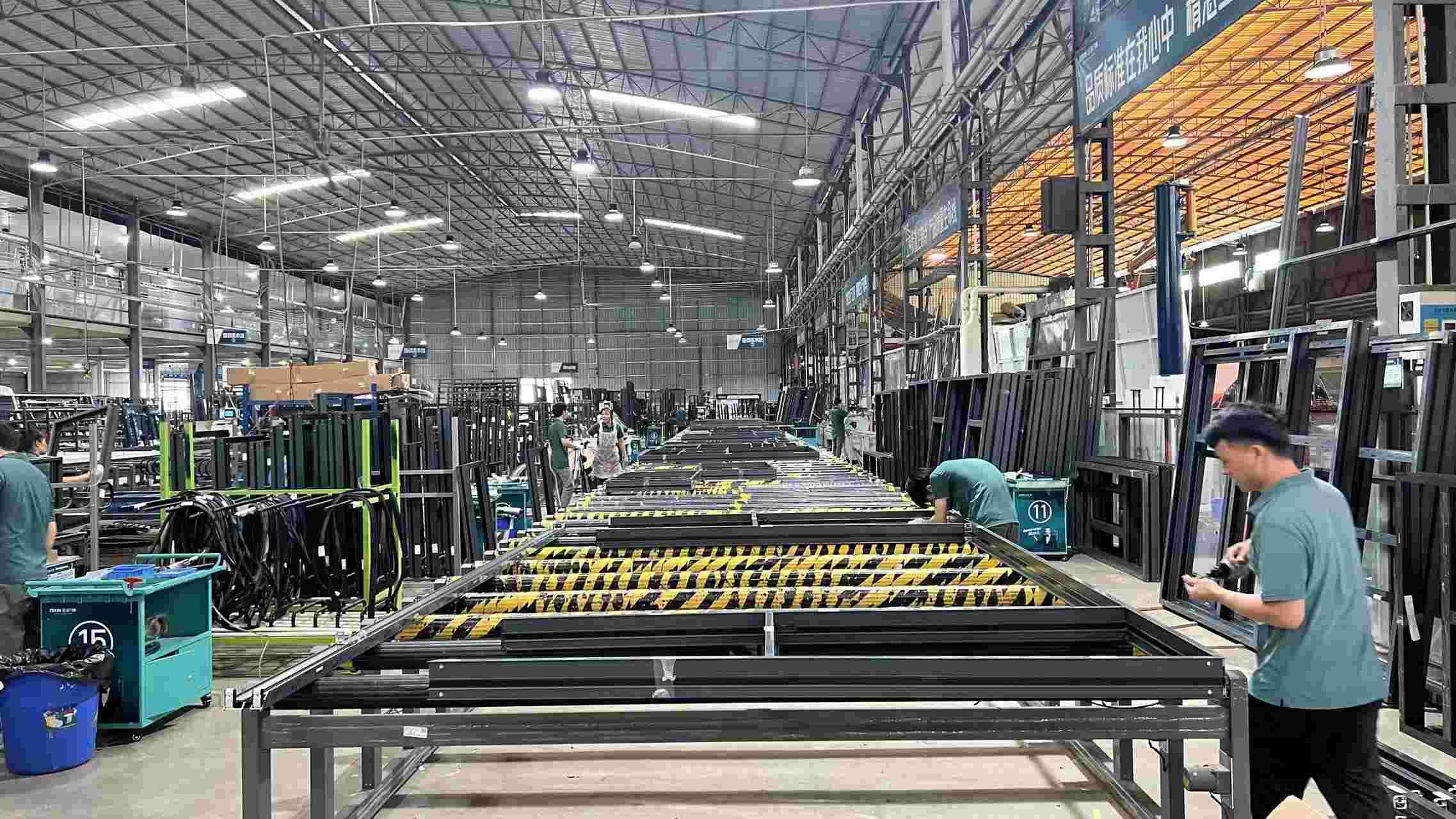
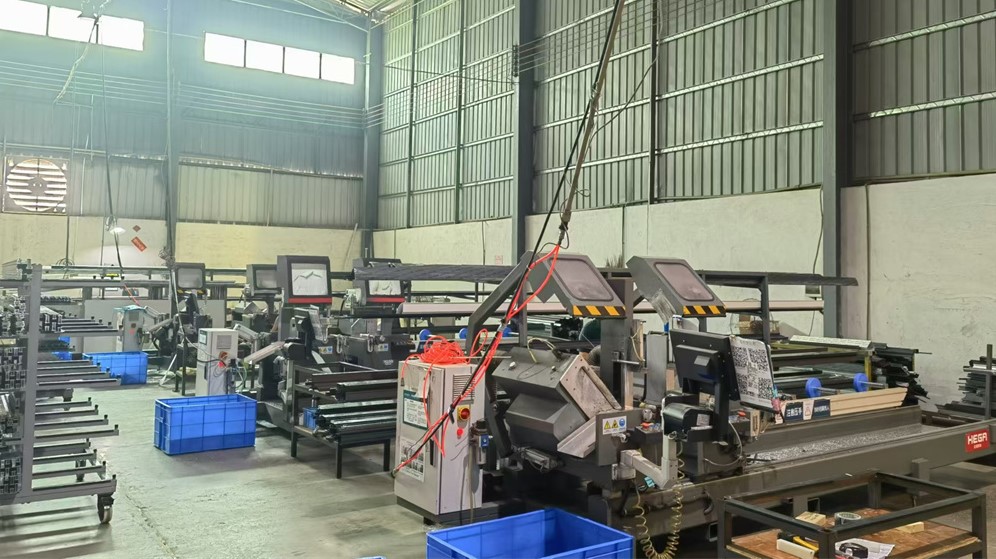
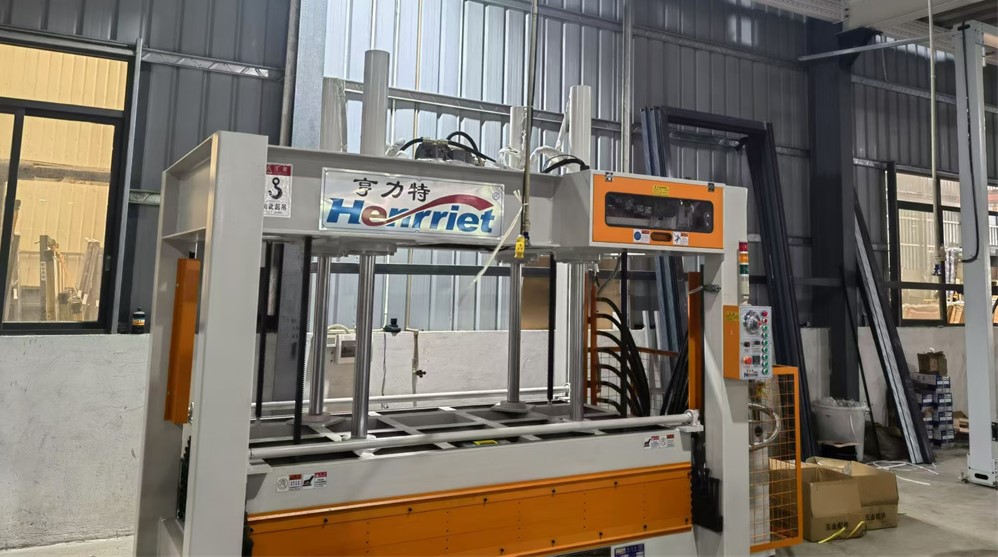
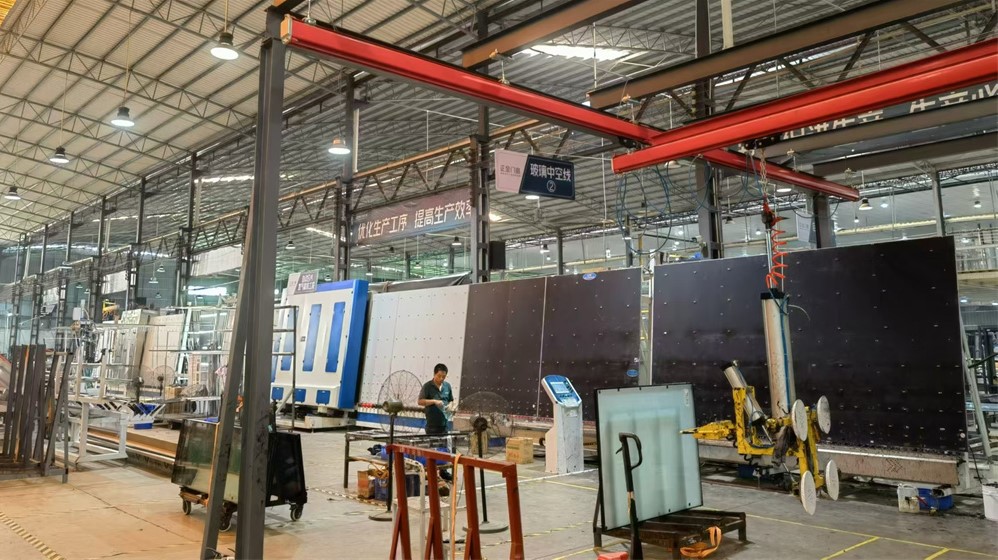
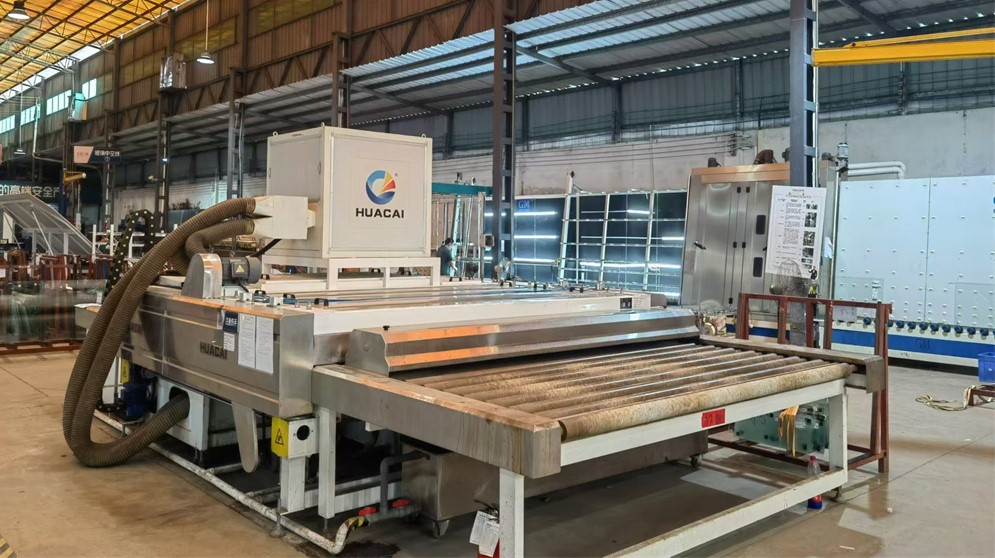
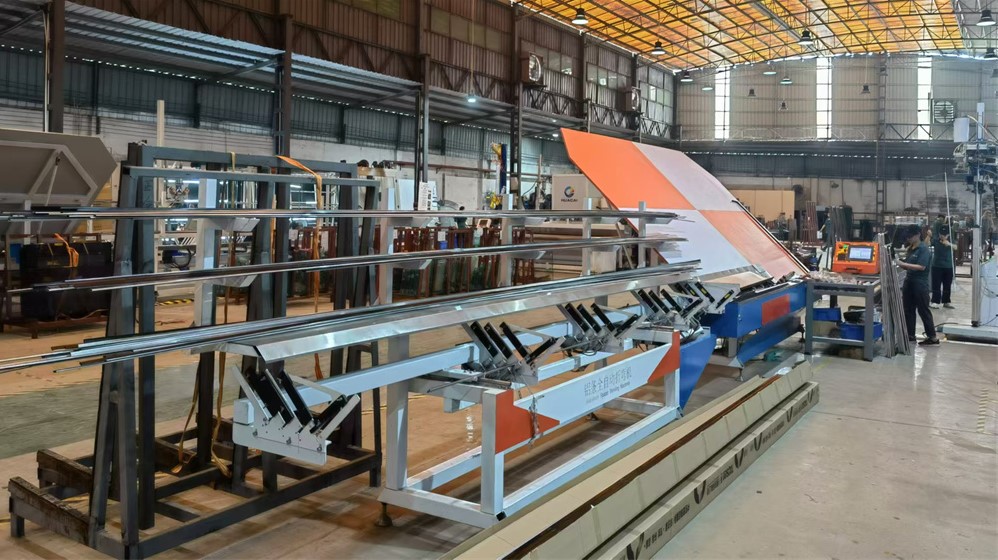
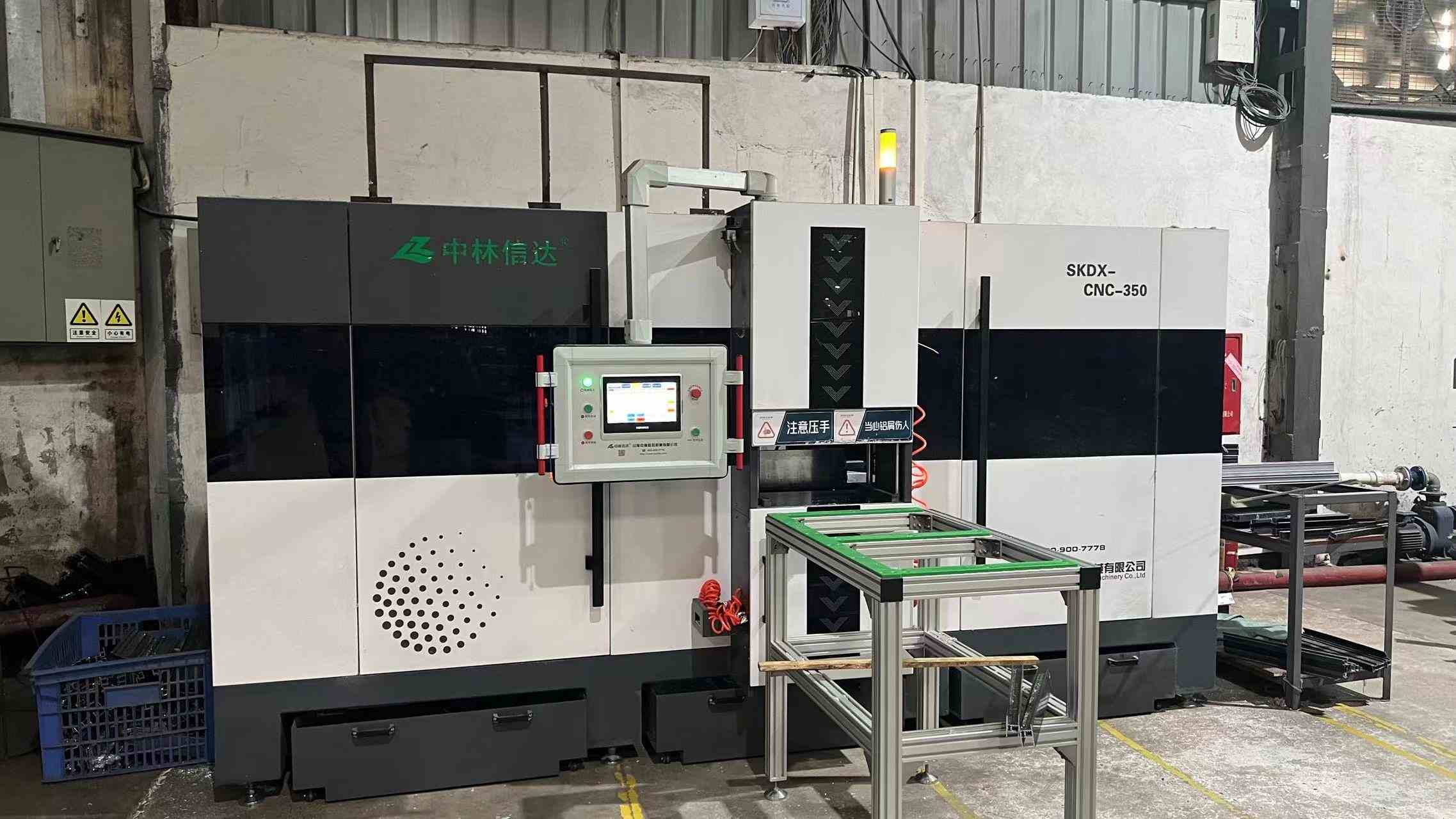
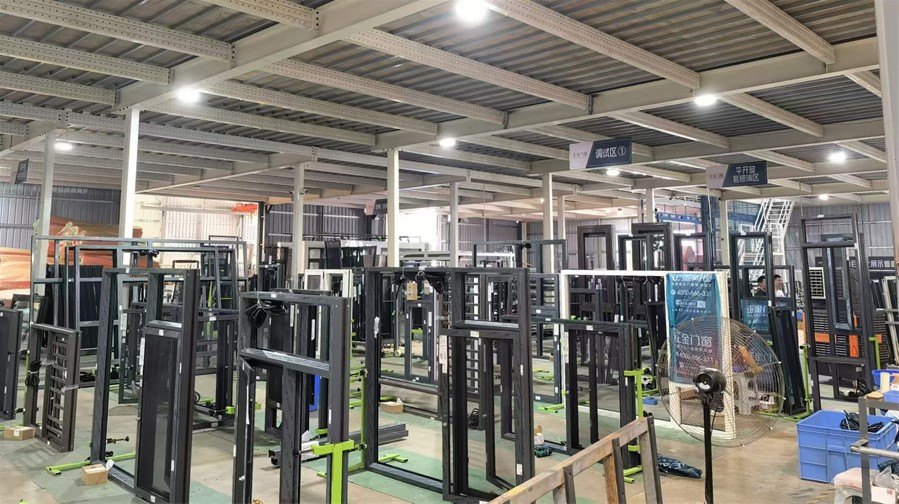
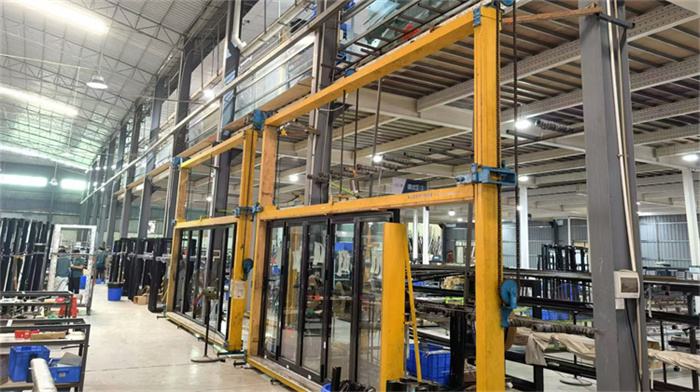
State-of-the-Art Automated Machinery and Inspection Nodes Ensuring Sub-Millimeter Tolerances
Technical White Paper: Engineering Energy-Efficient Fenestration Systems for Modern Architectural Mandates
In contemporary building envelope design, entry doors represent a critical nexus of thermal exchange. Uninsulated or poorly thermal-broken structural entry systems account for up to 15% of total building envelope conductive thermal loss. As municipal building codes accelerate toward carbon-neutral mandates (such as IECC 2024 in North America and EPBD in the European Union), specifying thermal envelope components with optimized U-factors (overall heat transfer coefficient) and Solar Heat Gain Coefficients (SHGC) has become mandatory for tier-1 general contractors and architectural firms.
Technical Insight: A standard non-thermal break aluminum door yields an average U-factor of 4.5 to 5.8 W/(m²·K). Utilizing Zhejiang Shieldoors' polyamid-reinforced (PA66 GF25) thermal barrier technology combined with high-density polyurethane (PU) core injection, entry door systems achieve ultra-low U-factors ranging from 0.78 to 1.2 W/(m²·K), reducing HVAC thermal load by up to 38% annually.
The structural efficacy of an insulated entry door relies on multi-layer composite engineering. The core materials must possess low thermal conductivity ($\lambda \le 0.022 \text{ W/m}\cdot\text{K}$) while retaining high compressive strength to endure cyclic dynamic loads and severe thermal deformation stresses (thermal shock between exterior atmospheric freezing and interior climate control).
| Core Material Tech | Thermal Conductivity ($\lambda$) | Compressive Strength | Acoustic Attenuation (STC) | Fire Resistance Rating |
|---|---|---|---|---|
| Polyisocyanurate (PIR) High-Density Foam | 0.020 - 0.023 W/m·K | 220 - 280 kPa | STC 34 - 38 dB | UL 10C / Class A (Flame Spread < 25) |
| Polyamide PA66 GF25 Thermal Break Strip | 0.250 W/m·K | > 80 MPa shear force | STC 40 - 45 dB | Self-extinguishing V0 grade |
| Aerogel-Infused Vacuum Composite Core | 0.012 - 0.015 W/m·K | 350 kPa | STC 42 - 48 dB | Non-combustible (A1 Grade) |
| High-Density Honeycomb + PU Hybrid Core | 0.032 - 0.038 W/m·K | 450 kPa | STC 30 - 33 dB | Standard Fire Retardant B1 |
Vision panels within insulated entry doors frequently present thermal leakage risks if not properly engineered. Modern high-performance glazed entry doors supplied by Shieldoors utilize double or triple-pane Insulated Glass Units (IGUs) enhanced with soft-coat double or triple-silver Low-Emissivity (Low-E) films. The internal hermetically sealed cavities are charged with 90%+ concentration Argon ($\text{Ar}$) or Krypton ($\text{Kr}$) inert gases to suppress convective thermal currents within the air space.
Furthermore, warm-edge composite spacer bars (such as stainless steel backed by polypropylene) replace traditional aluminum spacer channels, eliminating thermal bridging along the perimeter of the glass pane and preventing condensation under extreme humid-cold exterior microclimates.
Next-Gen Innovations Shaping Commercial and Residential Thermal Architectural Envelopes
Transitioning from bulk double-glazing to ultra-thin Vacuum Insulated Glass panels achieving center-of-glass U-factors below 0.40 W/(m²·K). VIG removes convective air transfer entirely, enabling slimmer, lighter door profiles without sacrificing thermal performance.
Seamless embedding of 3D facial recognition, encrypted RFID, and motor-driven multi-point lock systems powered by direct internal wiring conduits within the thermally insulated aluminum extrusion profiles.
Combining thermal insulation with high-velocity hurricane impact compliance (Miami-Dade NOA certified) and forced-entry safety ratings. Laminated SentryGlas® interlayers prevent penetration during category 5 hurricane events.
Customizing Engineering Parameters to Meet Regional Climate Demands and Strict Local Building Codes
Projects across coastal regions such as Florida, Texas, and the Eastern Seaboard require entry door systems certified under the High Velocity Hurricane Zone (HVHZ) standard. Doors must withstand severe cyclical design pressures (+/- 70 PSF up to +/- 100 PSF) and large missile impact testing (ASTM E1886/E1996). Concurrently, energy efficiency mandates require National Fenestration Rating Council (NFRC) label certification detailing verified U-factor, SHGC, Visible Transmittance (VT), and Air Infiltration levels (< 0.3 cfm/ft²).
Commercial and residential construction down under requires rigorous compliance with AS2047 (Windows and doors in buildings) for structural deflection, air infiltration, water penetration resistance (typically > 450 Pa), and ultimate strength. In addition, projects located in designated bushfire prone zones require Bushfire Attack Level ratings up to BAL-40 or BAL-FZ, demanding specialized toughened safety glass, perimeter ceramic sealants, and fire-resistant EPDM gasket assemblies engineered by Zhejiang Shieldoors.
The European market demands strict adherence to EN 14351-1 standards and CE/UKCA marking. For ultra-low energy Passive House constructions, overall door assembly thermal transmittance must not exceed $U_w \le 0.80 \text{ W/}(m^2\cdot K)$. Achieving this requires multi-chamber aluminum profiles with expanded insulation zones, triple-glazed units filled with Krypton gas, and triple-surround compression gasketing to guarantee airtightness at 600 Pa pressure differentials during Blower Door testing.
End-to-End Engineering Support for Developers, Architectural Firms, and Distributorship Networks
Standardized bulk manufacturing capability supported by 45,000 m² plant floor space. Shieldoors handles large-scale project bidding, custom extrusion design, shop drawing approvals, and scheduled container shipments to minimize project site delays.
Complete structural modeling support with downloadable Revit BIM models, DWG cross-sectional profile details, structural calculation reports, and thermal simulation modeling (THERM/WINDOW software) for rapid architectural specification integration.
Custom branding, private label packaging, and SKUs tailored for national distributor chains. Flexible surface finishing options including fluorocarbon PVDF spraying, anodizing, powder coating, and realistic wood-grain heat transfer finishes.
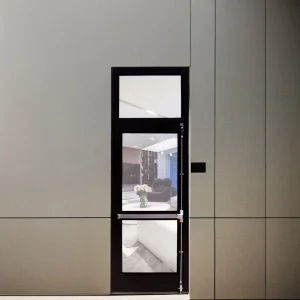
Explore Our Additional Range of Fire-Rated, Emergency Escape, and Soundproof Window & Door Systems

Expert Knowledge Base on Insulated Entry Door Sourcing, Engineering Specs, and Certification
 Shieldoors