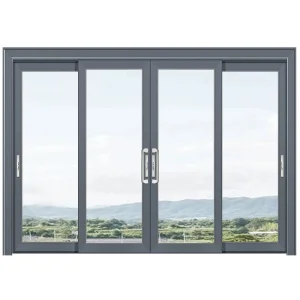
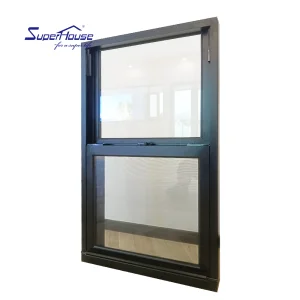
Explore our flagship CE-certified aluminum security door and window assemblies engineered for structural integrity, hurricane resilience, and superior thermal performance.
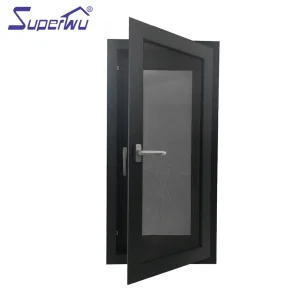
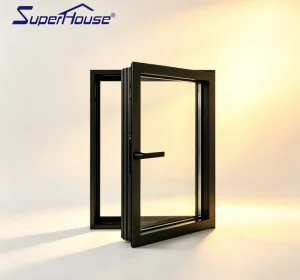
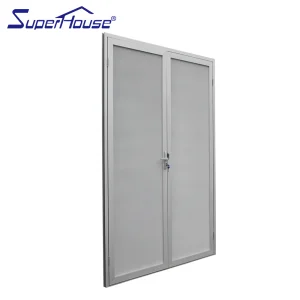
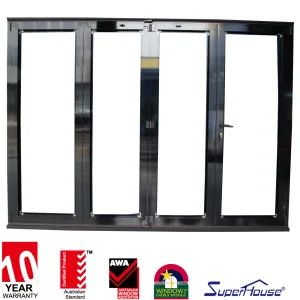
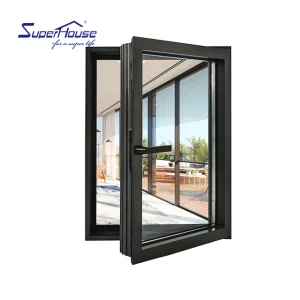
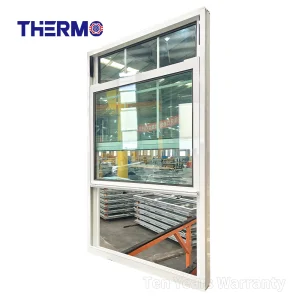
In modern architectural engineering and commercial property development, the exterior envelope must reconcile aesthetic transparency, structural defense, and energy efficiency. High-performance aluminum security doors have evolved from rudimentary physical barriers into sophisticated, thermal-break structural systems compliant with international standards such as CE (EN 14351-1, EN 1627), AS2047, and North American NFRC specifications.
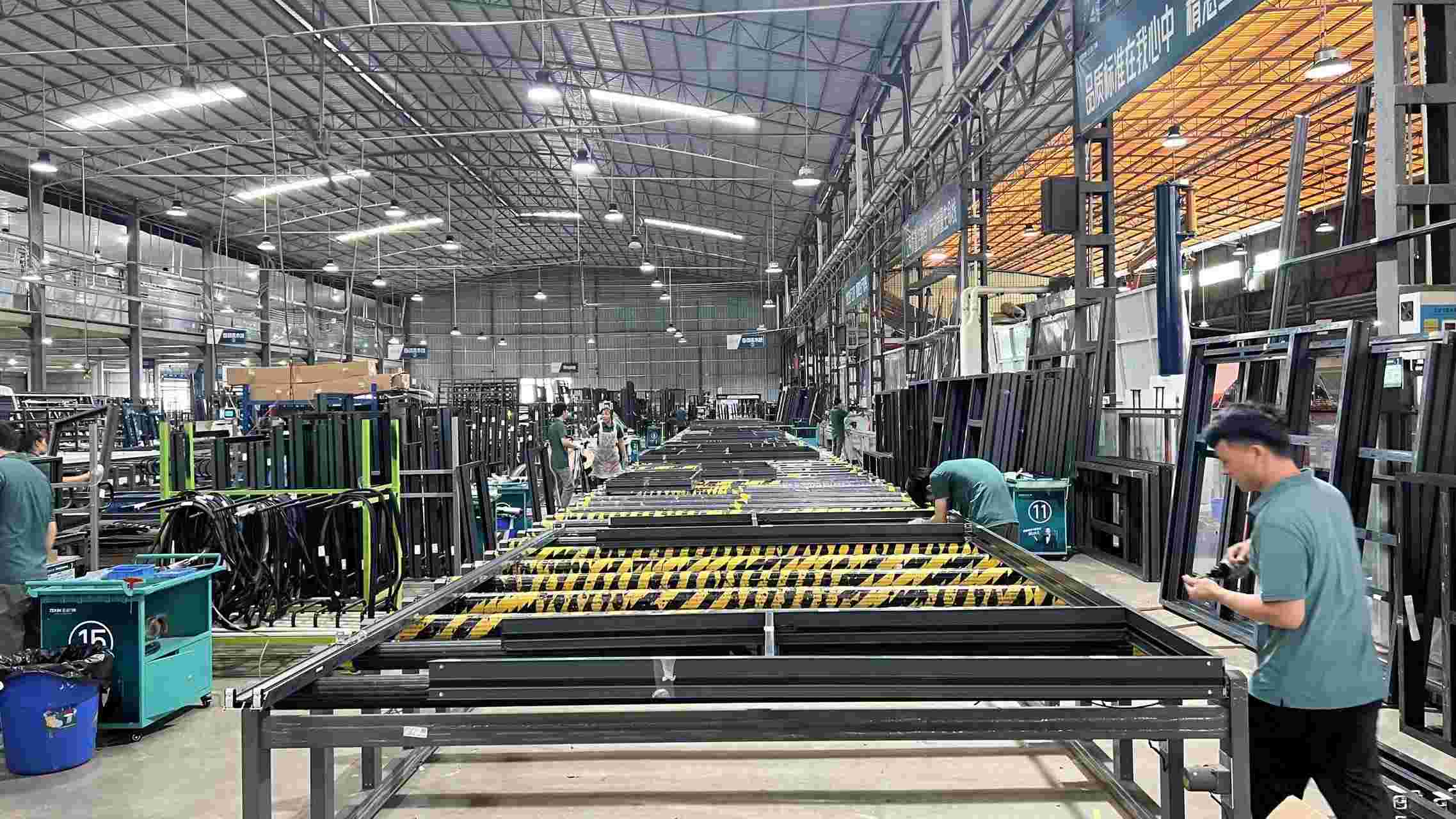
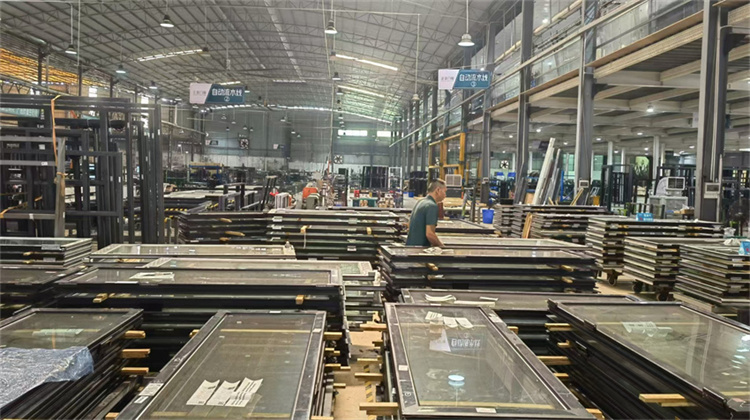
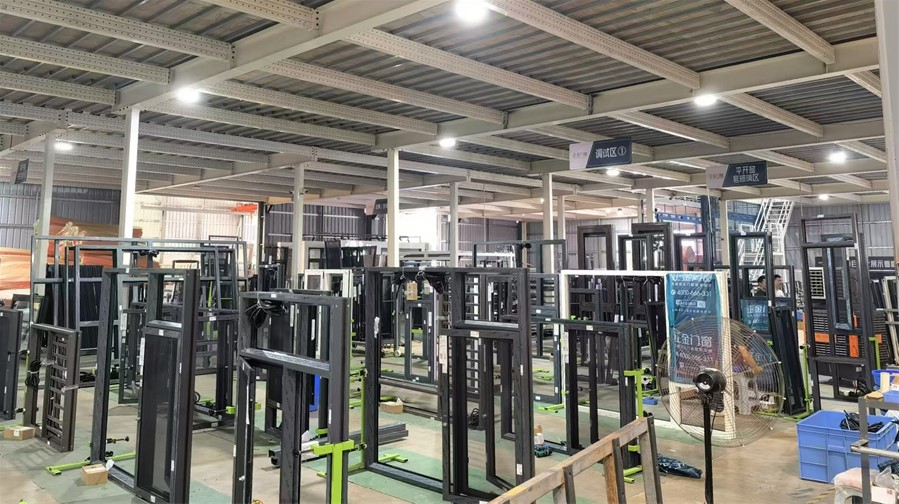
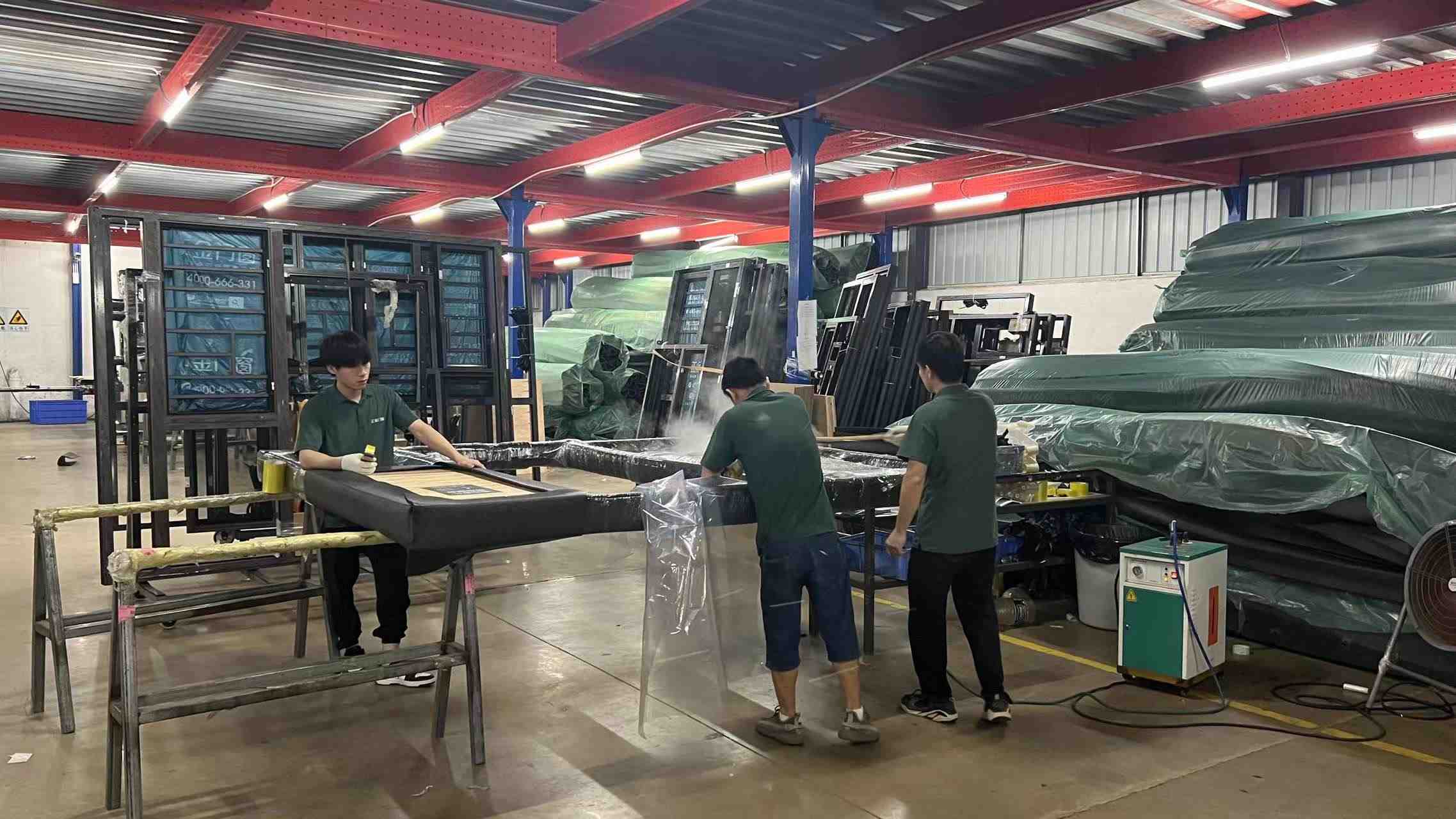
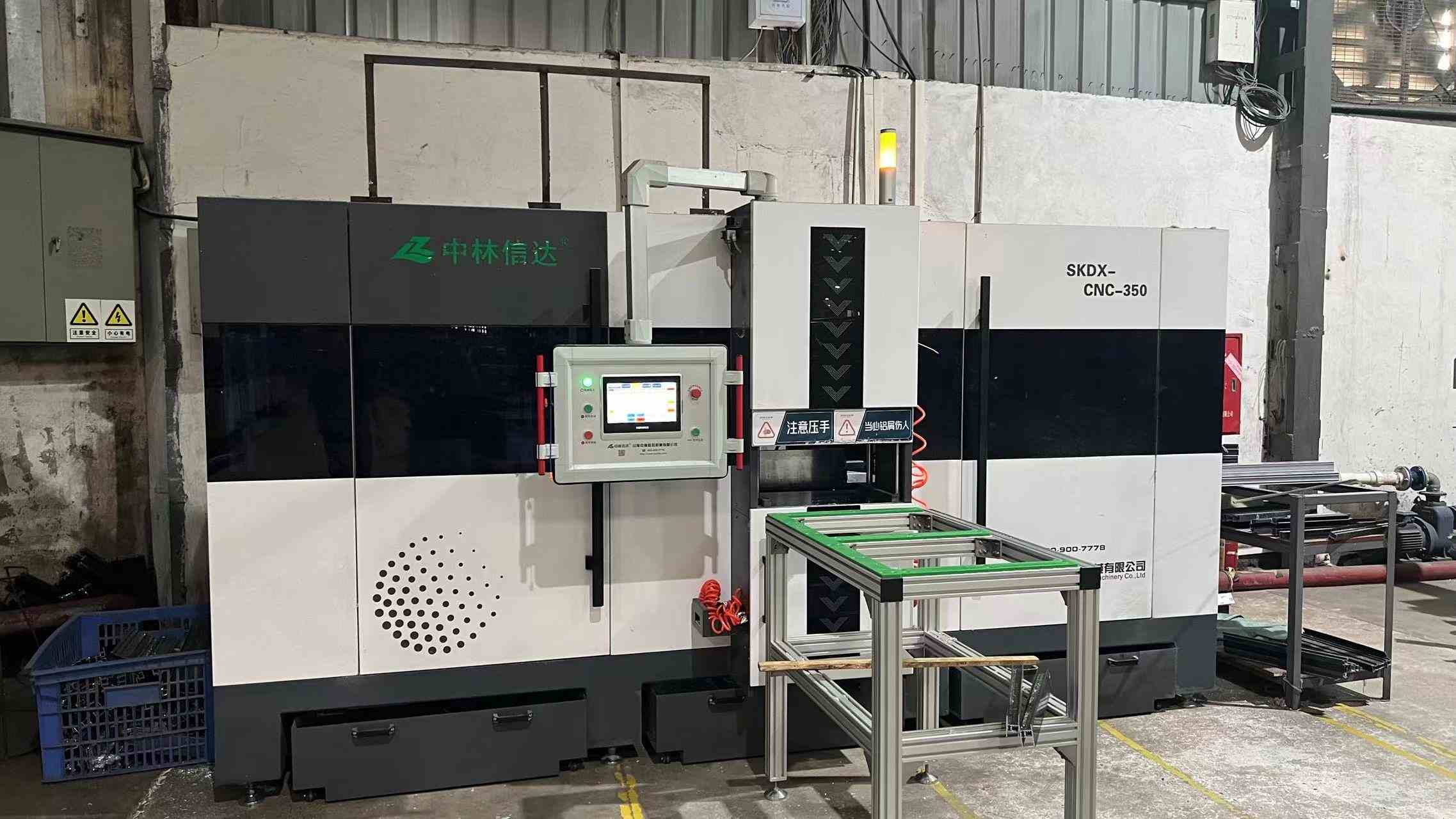
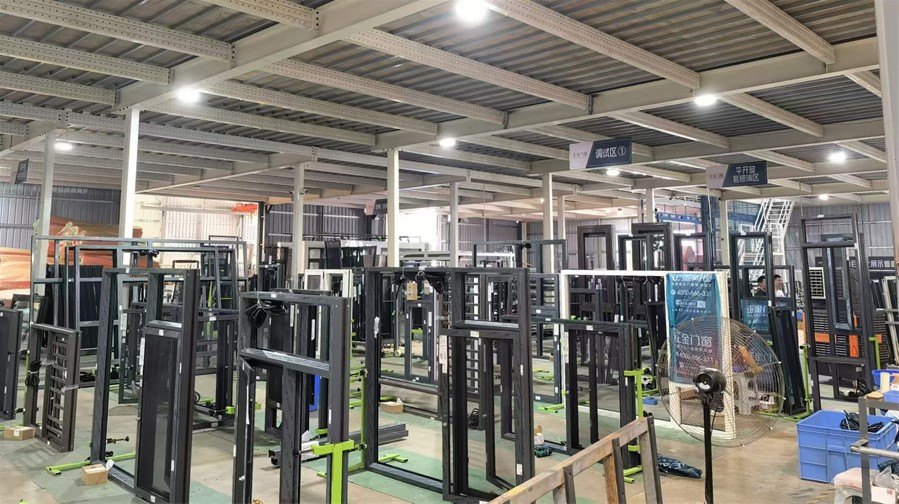
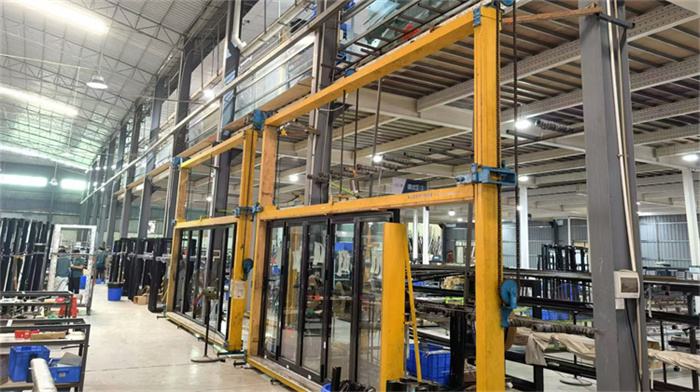
Zhejiang Shieldoors Security Technology Co., Ltd. was established in 2016 and is located in an expansive 45,000 m² production base. Building on 10 years of industry leadership and 6 years of international trade experience, the company generates an annual export revenue reaching USD 42,000,000.
Our commitment to excellence is maintained through rigorous ISO9001-certified quality control and third-party product testing methods, including CE, UL fire-rated, and hurricane-impact certifications. A dedicated quality inspection team of 78 QC specialists ensures that every entry door meets international safety standards. Working with a robust ecosystem of 1,400 supply chain partners, our trade background covers direct export, project bidding, and global supply chain integration, mainly targeting key markets in North America, Australia, and Southeast Asia.
Innovation is at the heart of our operations. Supported by 350 skilled R&D engineers, we launched 450 new product designs last year. We serve major real estate developers, architectural firms, and building material retail chains by offering tailored customization options ranging from soundproofing and thermal insulation features to smart lock integration and custom panel finishes.
Global commercial developers increasingly demand doors verified against physical penetration. European standards define Resistance Classes from RC2 to RC5. High-tensile 6063-T6 aluminum combined with multi-point perimeter locking systems ensures protection against dynamic impacts, levering tools, and mechanical forced entry.
With stringency in building energy codes (such as California Title 24 and Germany’s GEG), uninsulated aluminum frames are obsolete. Polyamide thermal barriers (PA66 GF25) decouple interior and exterior aluminum profiles, reducing frame U-values below 1.4 W/m²K while eliminating condensation.
Enterprise procurement now mandates seamlessly integrated electromechanical locking mechanisms. Modern aluminum security entrance doors incorporate biometric fingerprint scanners, encrypted RFID access, 3D facial recognition, and motorized multi-point locks compatible with main Building Management Systems (BMS).
When evaluating CE Certified Aluminum Security Door Suppliers, buyers should focus beyond perimeter thickness. Key architectural determinants include: shear strength of the polyamide thermal strip connection, double-gasket EPDM weather-sealing performance under cyclic pressure, and salt-spray corrosion resistance (ISO 9227 tested over 1,500 hours) for coastal and high-humidity installations.
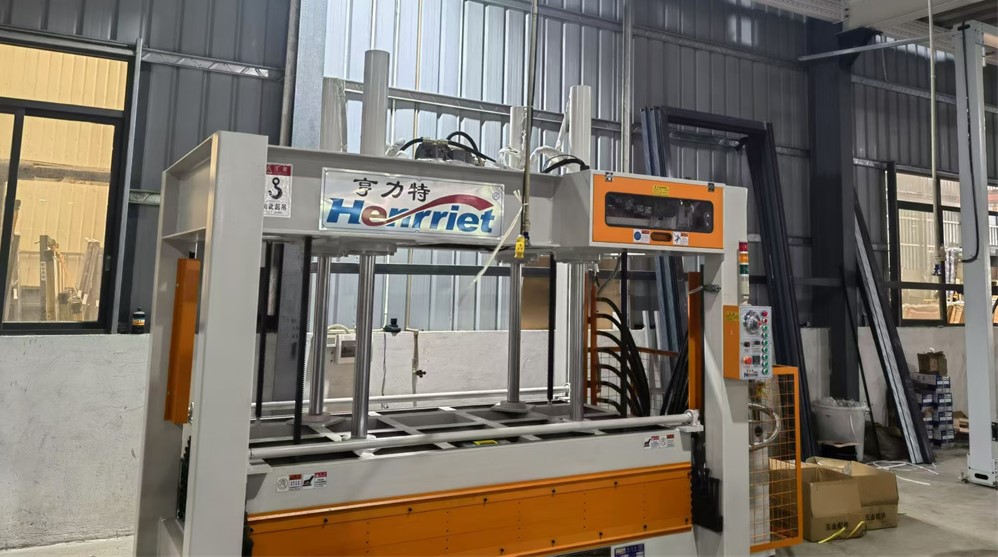
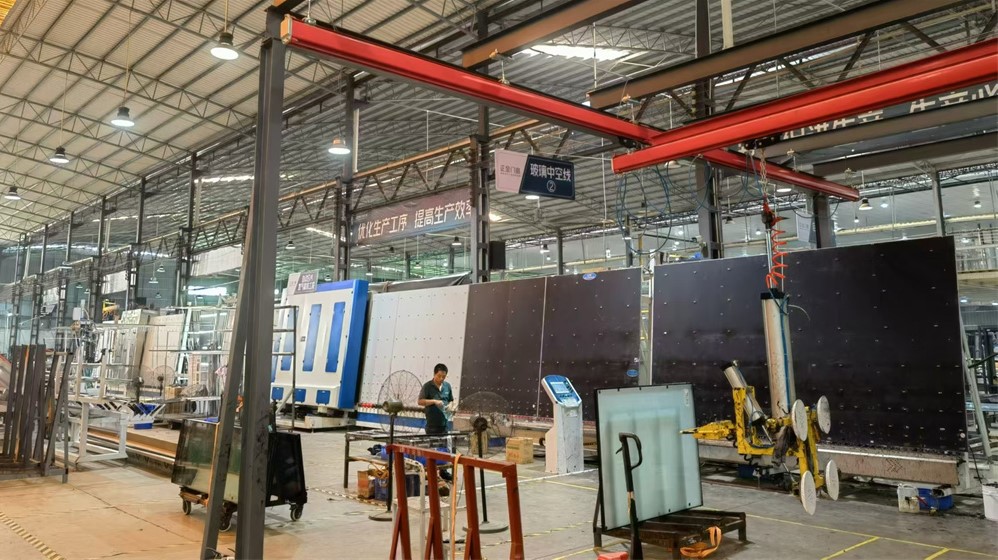
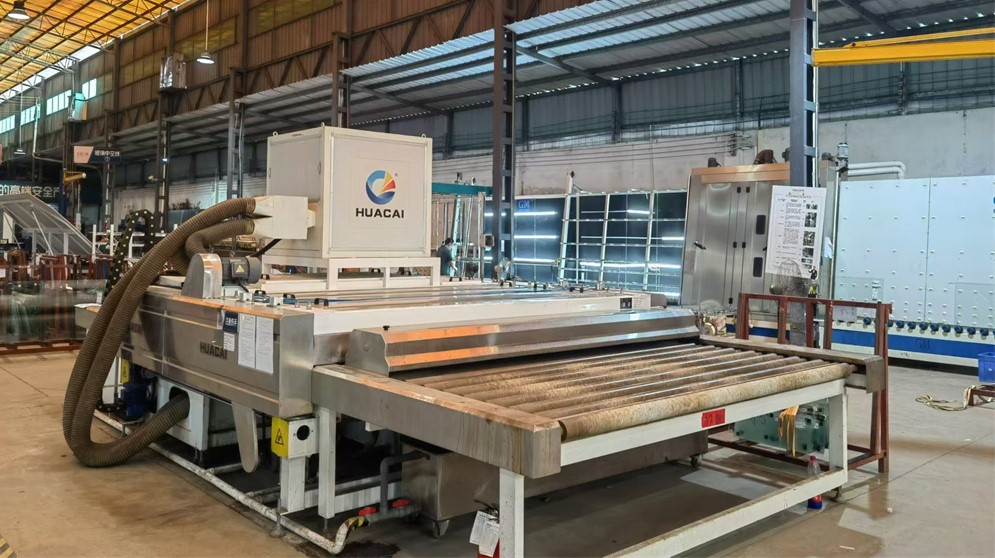
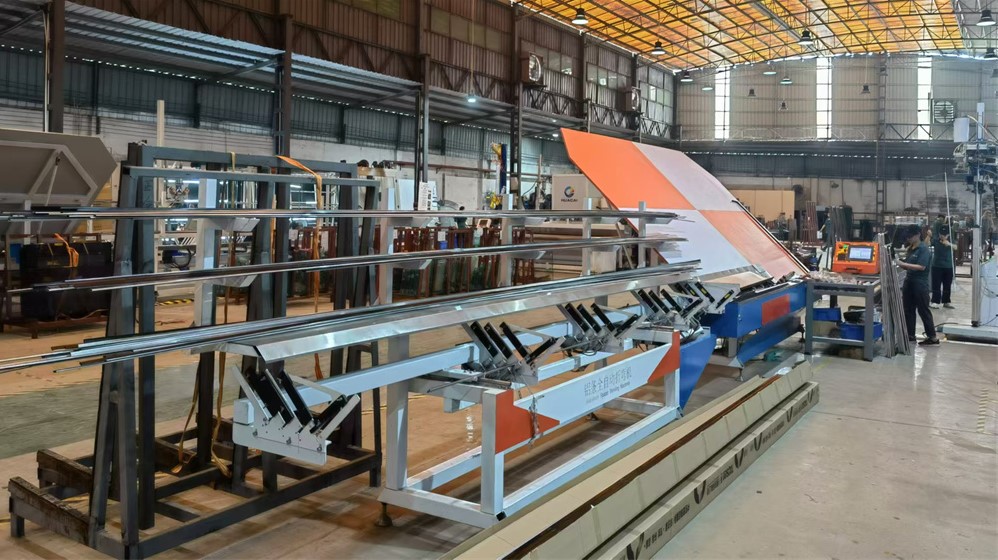
Operating a 45,000 m² state-of-the-art facility, Zhejiang Shieldoors Security Technology Co., Ltd. combines advanced European automated machining with China's robust industrial ecosystem. Our integrated production matrix reduces lead times while ensuring micron-level machining precision across high-volume contract orders.
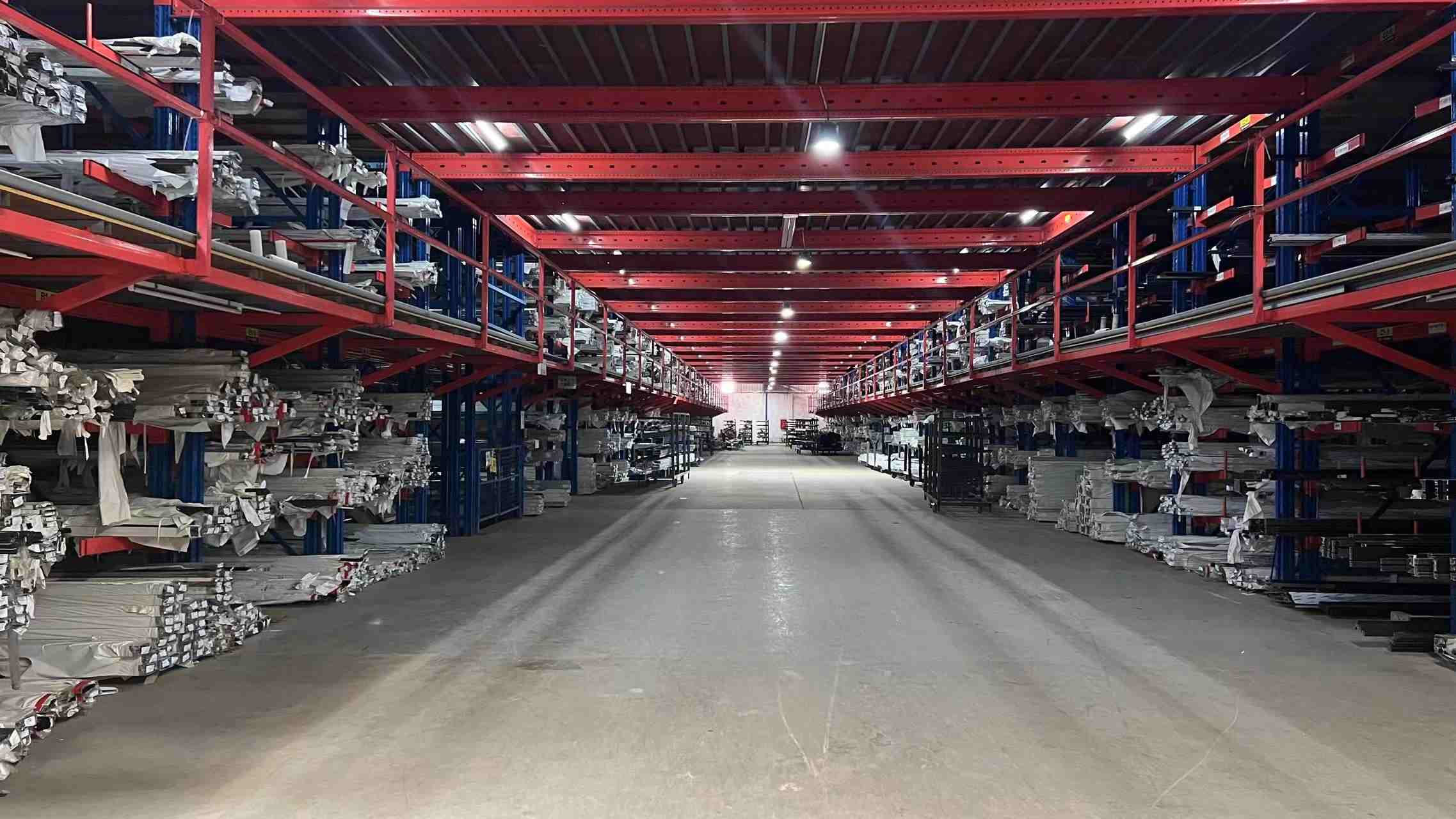
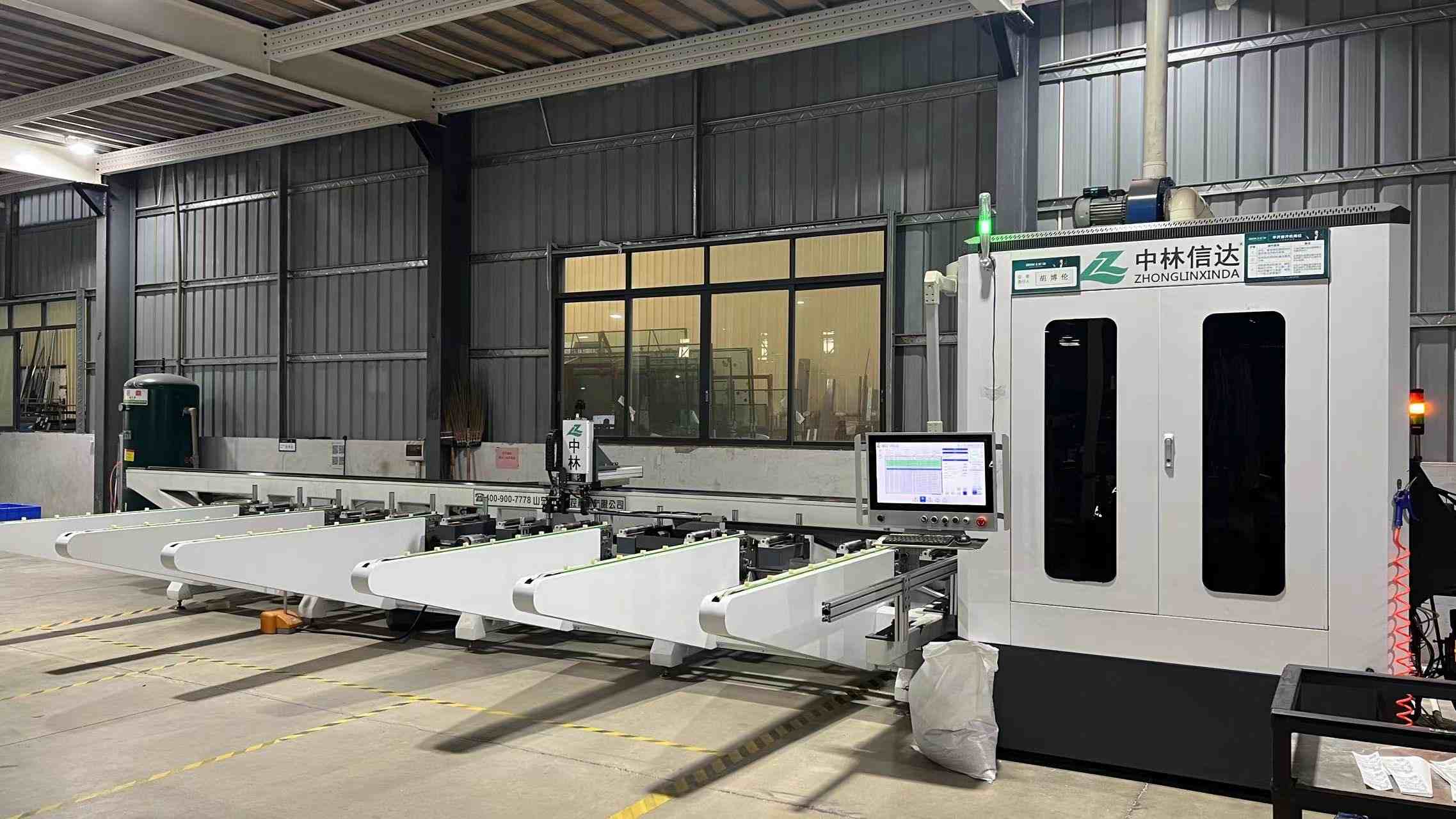
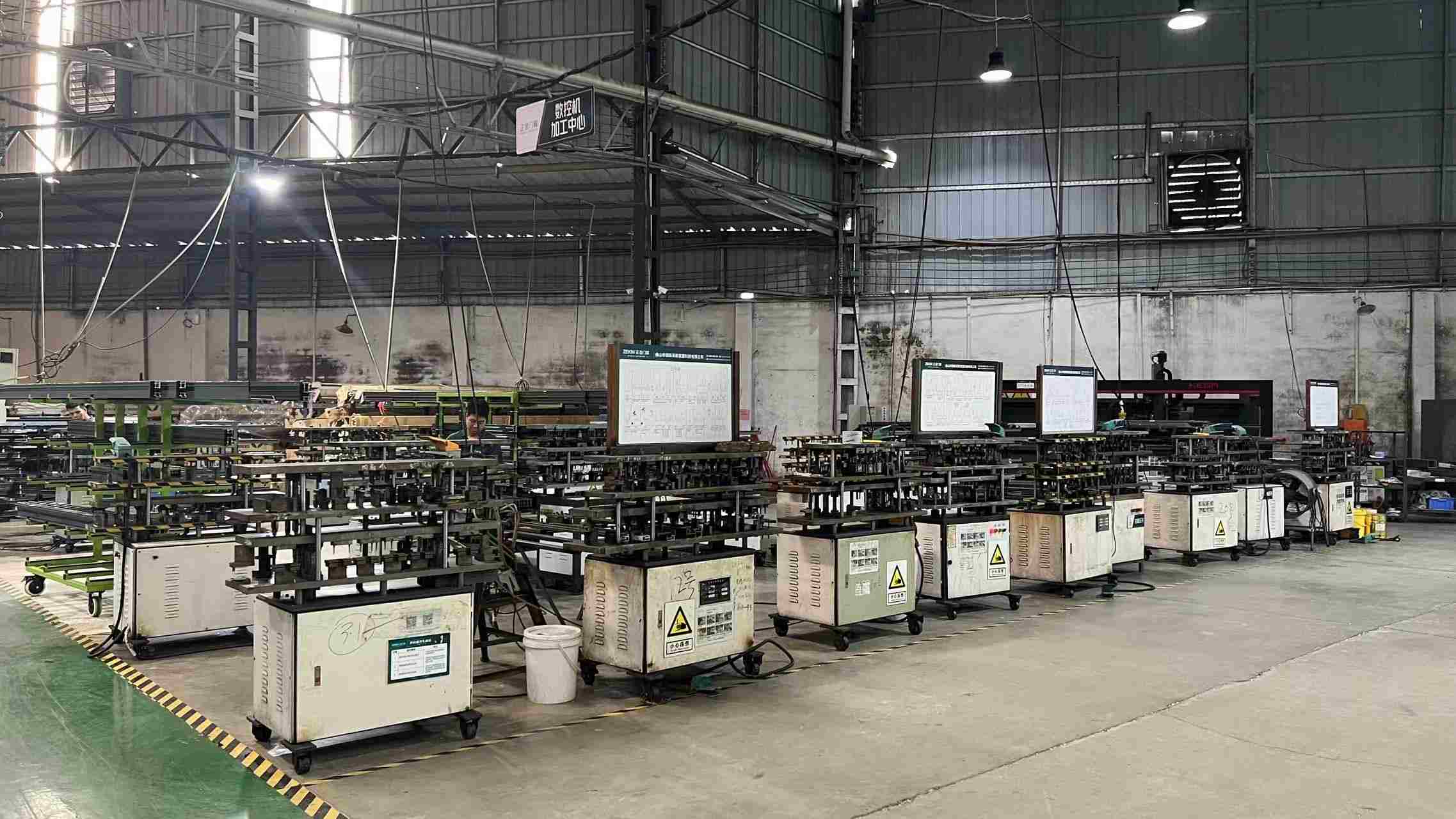
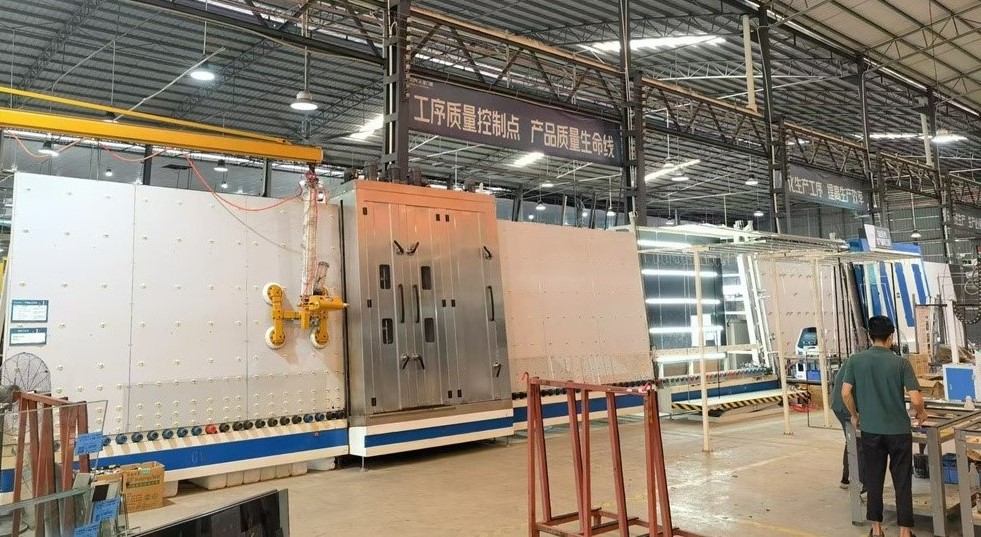
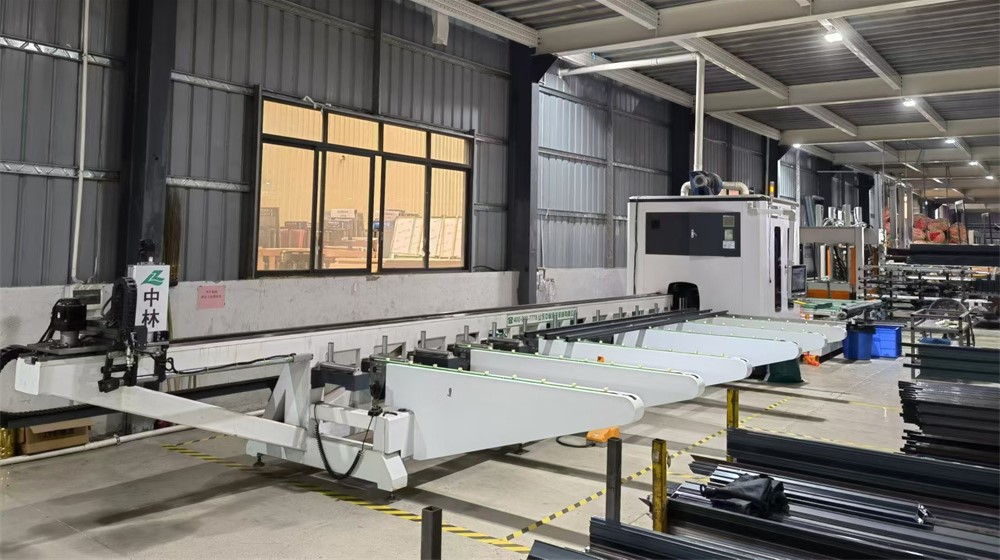
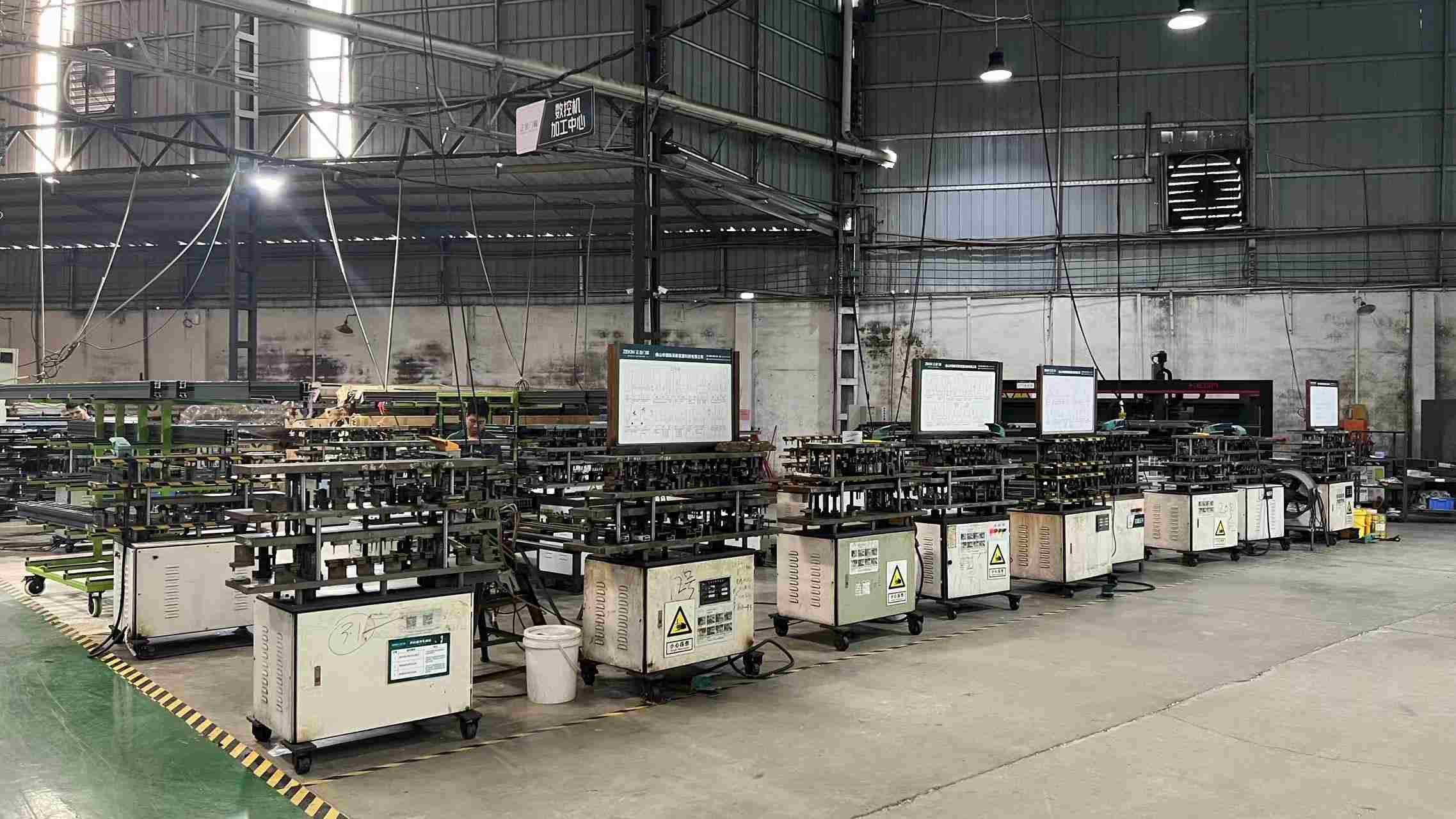
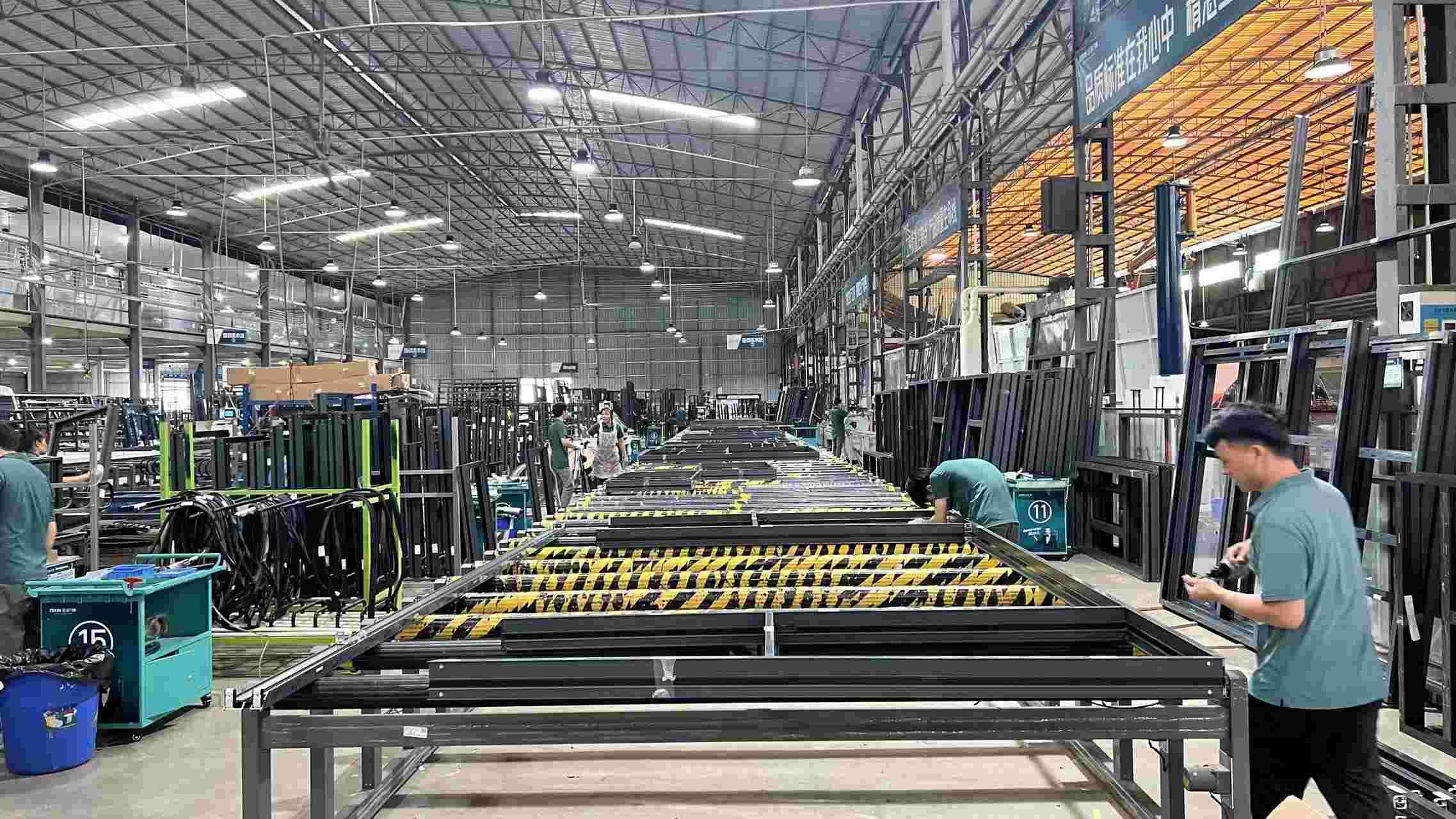
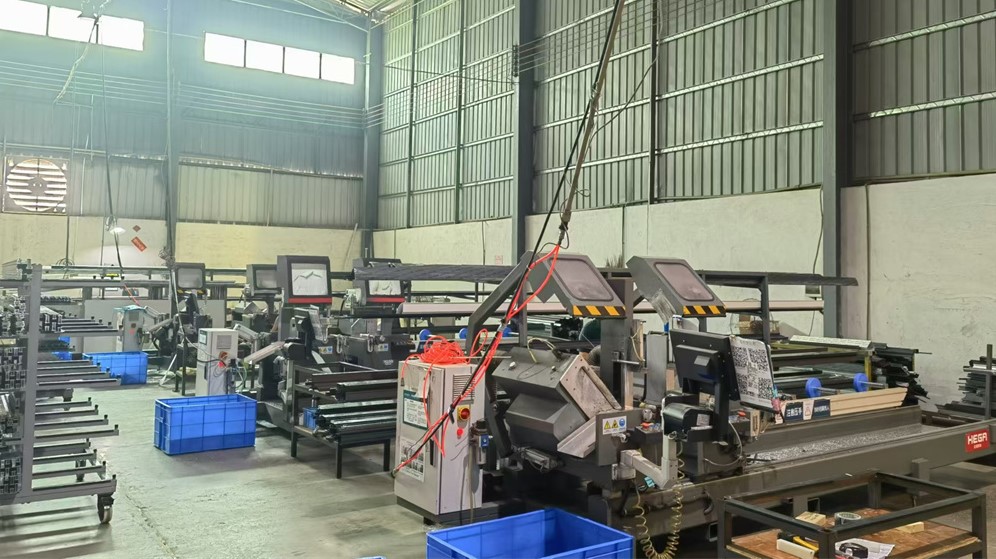
Aluminum security door design varies according to geographic stress points, climatic loads, and local architectural regulations. Below is how our customized solutions address distinct operational environments:
In regions such as Florida, the Caribbean, and coastal Australia, entry doors must withstand extreme wind loads (up to 5000 Pa) and airborne debris impact. Our specialized hurricane-impact sliding and hinged doors feature reinforced structural interlocks, laminated safety glass (PVB/SGP interlayers), and 316 stainless-steel hardware resistant to marine atmospheric corrosion.
Urban multi-family residential towers and commercial headquarters prioritize security alongside acoustic attenuation. Utilizing double- or triple-glazed tempered glass units filled with Argon gas and multi-cavity thermal break profiles, our entrance doors achieve sound transmission loss up to 45 dB (Rw rating), neutralizing city traffic noise.
For colder climates in Northern Europe and North America, energy conservation is paramount. Our Passive House certified aluminum door designs incorporate multi-chamber PA66 GF25 insulation strips, warm-edge spacers, and triple-sealed EPDM perimeter gaskets, achieving U-factors as low as 0.8 W/m²K to prevent thermal bridging.
Luxury residential projects demand slim sightlines without sacrificing defense. Custom options include oversized pivot doors with hidden hydraulic floor closers, embedded LED ambient lighting, integrated insect screens (304SS mesh), and fluorocarbon powder coating (AkzoNobel/PPG) rated for 25+ years of anti-fading durability.
| Performance Parameter | Test Standard / Regulatory Basis | Achieved Engineering Value | Primary Target Region |
|---|---|---|---|
| Burglar Resistance | EN 1627-1630 / CE Standard | Class RC2 / RC3 / RC4 | European Union, Middle East |
| Wind Pressure Resistance | AS2047 / ASTM E330 | Serviceability 3000Pa to Ultimate 5000Pa | Australia, Pacific Islands, US Coasts |
| Thermal Transmittance (U-factor) | NFRC 100 / EN ISO 10077-2 | 0.8 – 1.4 W/m²K (0.14 – 0.25 BTU/h·ft²·°F) | North America, Northern Europe |
| Acoustic Insulation | ISO 10140-2 / ASTM E90 | Rw = 38 dB – 45 dB | Urban Residential & Hotels |
| Water Tightness | EN 12208 / AS4420.1 | Class 9A (600 Pa) | Global Tropical & Monsoon Belts |
Our engineering leads answer critical technical questions regarding CE certification, OEM manufacturing, structural specs, and global compliance.
Discover our extended range of architectural aluminum solutions, engineered for luxury villas, commercial projects, and energy-efficient building developments worldwide.
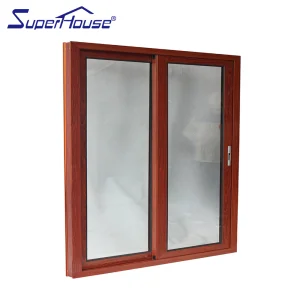
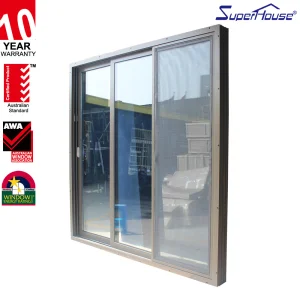
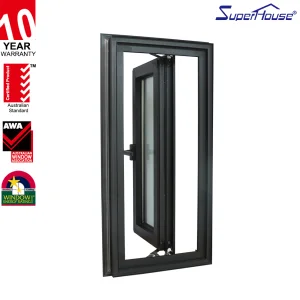
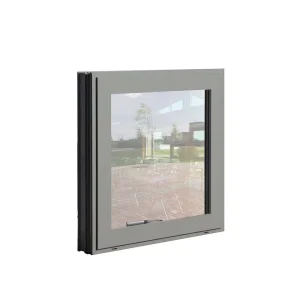
 Shieldoors