Choosing an Aluminum Residential Door is not just a style decision. It affects thermal comfort, security, daylight, and the daily feel of an entrance. The U.S. Department of Energy’s Energy Saver guidance estimates that windows account for 25–30% of residential heating and cooling energy use. That figure concerns windows, not doors, but it highlights why buyers should examine glazing, frame design, and weather seals together. Small details matter.
For a useful lifecycle perspective, architect Carl Elefante’s widely cited words are: “The greenest building is the one that is already built.” His point is relevant when comparing doors built to last with products that may need early replacement. Still, durability claims deserve scrutiny. A thick-looking frame alone does not prove strong thermal performance; ask for test data, finish specifications, and warranty terms. A polished brochure is not enough.
This 2026 manufacturer guide compares product range, frame construction, thermal-break options, customization, and after-sales support. It also considers practical details: how a threshold meets a tiled floor, whether a finish suits coastal exposure, and how glazing affects privacy. The comparison is not a substitute for project-specific advice. Installation quality can change the result, and published specifications may not tell the whole story. Buyers should verify current product data directly with manufacturers before ordering.
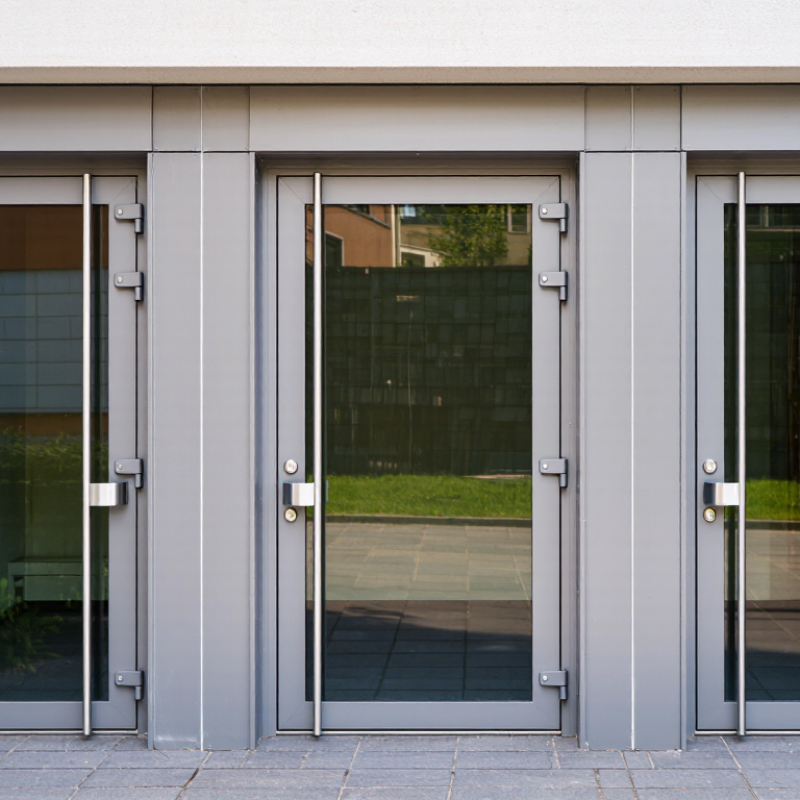
Aluminum residential doors are easier to compare when classified by frame design, thermal performance, and intended use. A narrow-profile frame gives more glass and a lighter appearance, while a broader frame can feel sturdier and support larger panels. Sliding doors suit patios with limited swing clearance; hinged models often work better at entryways or narrow passages. Measure the opening, including uneven corners, before comparing catalog dimensions. Small site differences matter.
Thermal-break construction separates the inner and outer aluminum sections with an insulating material, reducing direct heat transfer. It can improve comfort near the doorway, but it does not make every part equally insulating. Glass type, seals, installation, and climate also affect performance. A non-thermal-break frame may suit an interior partition or mild-weather location, though it can feel cold in winter. I would not judge performance by frame labels alone; request tested whole-door figures when available.
Tips: Match the door to its exposure. For a sunny, west-facing patio, check finish durability and glass solar control; for a windy entrance, inspect gasket continuity and threshold drainage. Ask how rollers, hinges, and seals can be replaced. That detail is easy to overlook. Product descriptions can blur important differences, so compare drawings and specifications carefully, and verify the opening before ordering.
For aluminum residential doors, compare certified whole-product ratings, not glass-center figures alone. The National Fenestration Rating Council reports U-factor and solar heat gain coefficient (SHGC) on product labels. Lower U-factor means less heat transfer; lower SHGC limits solar heat entering the home. Neither number is automatically best everywhere. A shaded northern entry and a sunlit western patio door face different conditions.
The U.S. Department of Energy’s Energy Saver guidance estimates that windows account for 25%–30% of residential heating and cooling energy use. That figure covers windows, not doors, so treat it as context rather than a door-specific prediction. For a door, inspect the full assembly rating, frame details, and installation conditions. Aluminum frames with thermal breaks can reduce heat flow, but a rating cannot correct a poorly sealed threshold. Small details matter.
For air leakage, ASTM International’s E283 test measures airflow through a door under a stated pressure difference. Compare reported leakage values only when test conditions and units match; lower leakage generally means fewer drafts. Ask for the actual test report, not just a sales claim. The awkward part: laboratory results do not guarantee field performance. A slight installation gap can undo an impressive number, and that is easy to overlook.
A 2026 comparison of ten aluminum residential door manufacturers should look beyond appearance and compare the full product range. Common options include hinged entry doors, sliding patio systems, folding panels, French-style pairs, and large pivot doors. Within each range, check frame depth, glazing choices, thermal breaks, hardware, and available finishes. These details affect more than the showroom look.
The UNEP and Global Alliance for Buildings and Construction 2024 Global Status Report estimates that buildings and construction account for 32% of global energy use. That makes a door’s thermal performance worth checking, though the figure covers the whole sector, not doors alone.
Compare declared U-factor and air-leakage data, and ask whether figures apply to the complete door assembly. A slim frame can look elegant. It may also leave less room for insulation.
Tips: Match the opening style to daily use. Sliding doors suit tight patios; hinged doors need clear swing space. Ask for test documentation, warranty terms, and replacement-part availability. Small details matter. One imperfect but useful check: inspect the threshold in person, because drawings rarely show how easily grit collects there.
Top 10 Aluminum Residential Door Manufacturers in 2026
How Manufacturer Products Compare Under AAMA/WDMA/CSA 101 Performance Classes
AAMA/WDMA/CSA 101 provides a shared framework for comparing fenestration performance, including applicable residential doors. It evaluates factors such as air leakage, water penetration, and structural resistance. Performance class and grade indicate tested capabilities, not a universal ranking of product quality. A higher rating may suit an exposed coastal entry, while a sheltered porch may need different performance. Context matters.
When comparing products, check the test report for the exact door type, dimensions, glazing, and hardware configuration. A rating for one size or setup may not apply to a wider unit or a different glass package. Look for the performance grade and design pressure, then compare them with local wind exposure and building conditions. Ask for documentation, not just a brochure claim. Small details count. Installation also affects real-world results, and a strong test rating cannot correct a poorly sealed frame. This is easy to overlook.
Tips: Match the tested configuration to the door you plan to order. Check water resistance for wind-driven rain, and confirm air-leakage data if drafts are a concern. If a specification is unclear, ask the supplier to explain it in writing. Some comparisons still feel imperfect; the numbers help, but they do not replace careful site assessment.
Choosing among the top aluminum residential door manufacturers in 2026 starts with verified performance, not appearance alone. Ask for test results under the NAFS standard, which evaluates air leakage, water penetration, and structural performance. Match the required performance grade to local code and site exposure; a wind-exposed coastal opening needs different checks from a sheltered entry. Check the NFRC label for U-factor and solar heat gain coefficient. The U.S. Department of Energy estimates that windows account for 25–30% of residential heating and cooling energy use, so glazing and frame design can affect comfort and energy demand. That estimate is broad, not a promise of savings for one door. Small details matter.
Climate and installation can undermine good product ratings. In cold regions, ask about thermal breaks, condensation control, and the door’s tested whole-unit U-factor. In hot, sunny locations, review SHGC and shading conditions. Before ordering, confirm the rough opening, sill-pan drainage, flashing sequence, and anchor schedule with the installer. A high-rated door installed with gaps or blocked drainage may still leak. It happens. Compare warranties line by line: frame finish, glass, hardware, labor, and coverage duration may differ, while installation errors or coastal exposure may be excluded. Request exclusions in writing, and verify who handles service claims. A rating is useful; the details behind it deserve a second look.
Common choices include hinged entry doors, sliding patio doors, folding panels, French-style pairs, and pivot doors. Match the style to daily use.
Check frame depth, glazing, thermal breaks, hardware, and finishes. Also inspect the threshold in person. Grit can collect there.
Ask for NAFS test results covering air leakage, water penetration, and structural performance. Confirm the grade suits local code and site exposure.
U-factor indicates heat transfer through the door assembly. SHGC describes how much solar heat passes through. Ask for figures for the complete door.
In cold regions, ask about thermal breaks, condensation control, and whole-unit U-factor. In sunny locations, review SHGC and shading conditions.
Yes. Confirm the rough opening, sill-pan drainage, flashing sequence, and anchor schedule with the installer. Gaps or blocked drainage can cause problems.
Compare coverage for the frame finish, glass, hardware, and labor. Ask for exclusions in writing, including any related to installation or coastal exposure.
Drawings rarely show how easily dirt collects at the sill. A quick in-person check can reveal a small, annoying detail. It is easy to miss.
This guide explains how an Aluminum Residential Door can be evaluated by its frame design, thermal-break construction, and intended application, from entryways to patio openings. It outlines the roles of NFRC U-factor and solar heat gain coefficient (SHGC) in assessing energy performance, alongside ASTM E283 air-leakage testing for understanding how well a door limits drafts. The article also surveys ten manufacturers and the types of residential products they offer, without treating one design as suitable for every home.
To compare options, readers can consider how products perform under AAMA/WDMA/CSA 101 performance classes and review the ratings relevant to their project. The guide connects those specifications with local climate, expected exposure, installation quality, and warranty terms. By weighing these factors together, homeowners can narrow their choices and select a door that better fits their comfort, durability, and maintenance priorities.
Shieldoors