Choosing the best Aluminum Entry Door requires more than admiring a clean, metallic finish. It demands evidence, careful measurement, and attention to daily use. The door must withstand rain, wind, sunlight, fingerprints, and repeated opening. It should also protect indoor comfort without making the entrance feel heavy or industrial.
Industry research supports this careful approach. Grand View Research’s 2024 analysis of the global doors and windows market highlights growing demand for durable, energy-efficient, and low-maintenance products. The U.S. Department of Energy also emphasizes that door performance depends on air leakage, weather sealing, glazing, and installation quality. These details matter at the threshold, where a small gap can create a noticeable draft on a cold morning. The International Energy Agency continues to identify building efficiency as an important pathway for reducing energy consumption. However, no report can choose the right door for every home.
Tom Culp, a recognized fenestration-performance specialist and consultant to the Fenestration and Glazing Industry Alliance, states, “The performance of a window or door is only as good as its installation.” His point is easy to overlook. A premium Aluminum Entry Door may still fail when the frame is poorly aligned or the sill lacks drainage. Finish quality matters too. Look for tested thermal performance, secure hardware, corrosion-resistant coatings, and clearly documented warranties. Consider the wall structure, local climate, and threshold height before comparing styles. A dramatic pivot door may look impressive, but it can demand more space and stronger hardware. The best choice is not always the most expensive one. It is the one that performs reliably in your actual entrance.
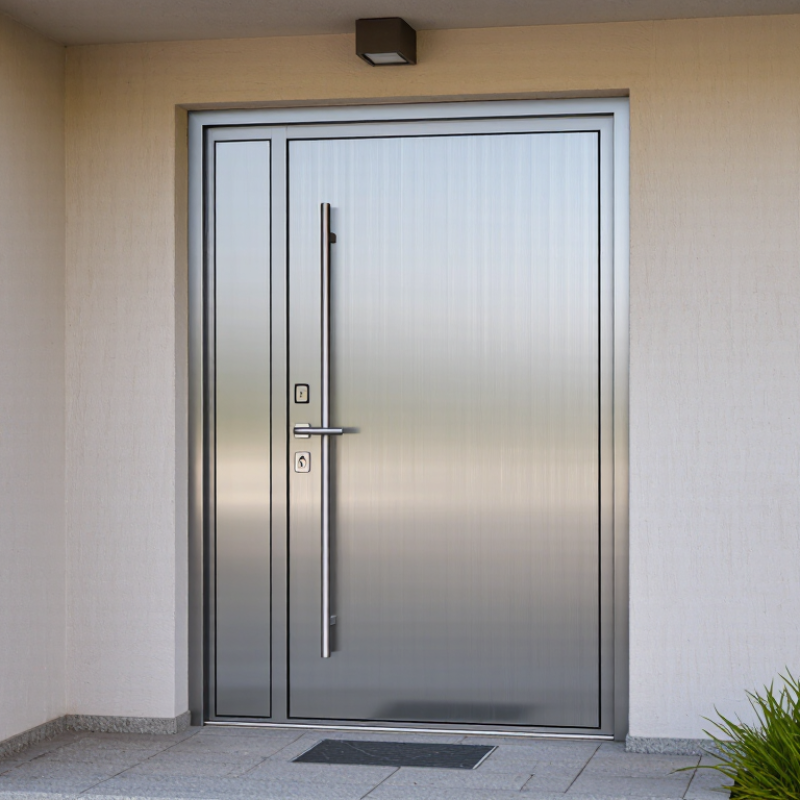
Start with the doorway, not the catalog. Measure the rough opening, wall depth, sill height, and swing direction. Record morning and afternoon sunlight. A west-facing entrance may need stronger solar control than a shaded porch. Your local climate also matters. The U.S. Department of Energy reports that windows and doors can account for 25% to 30% of residential heating and cooling energy use. This makes insulation a practical requirement, not a decorative feature.
Specify thermal performance before finish and hardware. Ask for the door’s U-factor, air leakage rating, and solar heat gain coefficient. Lower U-factor generally means better insulation. However, the lowest number may not suit every climate. Check the National Fenestration Rating Council label, then compare the complete door assembly, including glass, frame, sill, and weatherstripping. An aluminum frame should include a tested thermal break. Without one, the interior surface may feel cold, and condensation can appear around the edges.
Security and daily use deserve equal attention. Define the required lock type, hinge strength, threshold height, and resistance to wind-driven rain. The American Architectural Manufacturers Association testing framework evaluates air, water, and structural performance, but ratings vary by product and configuration. Ask for test evidence, installation instructions, and warranty limits. My first instinct would be choosing a thicker frame. That is not always wiser. A poorly installed, heavy door can still leak air, drag, or close unevenly. Check the installer’s experience with aluminum systems, because the doorway’s preparation often decides the final performance.
How to Choose the Best Aluminum Entry Door?
When choosing an aluminum entry door, compare style, material, and construction together. A beautiful door can still perform poorly if its frame allows drafts or water entry.
Modern flat-panel doors suit minimalist homes and narrow entrances. Glass panels add daylight, but privacy glass may be better for street-facing rooms. Traditional designs often use decorative grilles or raised panels. Measure the opening carefully. Small errors can cause uneven gaps and difficult installation.
Aluminum alloys offer strength without excessive weight. Look for a thermally broken frame, which separates interior and exterior metal and reduces heat transfer. A durable powder-coated finish can resist fading, scratches, and common weather exposure. However, coating quality depends on surface preparation and application. This detail is easy to overlook.
Construction matters most in daily use. Check reinforced corners, adjustable hinges, continuous weather seals, and a sloped sill with proper drainage. Double or laminated glass can improve insulation and security. In field inspections, I have found that weak installation often causes more trouble than the door itself. Even a well-built frame may leak when the threshold is poorly sealed. No door is perfect. Review local climate, wall structure, maintenance needs, and installer experience before making the final choice.
When choosing an aluminum entry door, inspect energy performance before admiring its finish. Look for a thermally broken frame, insulated core, and low-conductivity glass. These features reduce heat transfer around the doorway. Ask for tested U-factor and air-leakage results, not vague claims. A tight seal should prevent drafts on a cold evening. However, installation quality matters just as much. Even an excellent door performs poorly when the frame is poorly aligned.
Security depends on more than a sturdy panel. Check the lock case, strike plate, hinge protection, and surrounding wall strength. A multi-point locking system can improve resistance, but only when it engages smoothly. For weather resistance, examine compression gaskets, threshold drainage, and corrosion-resistant hardware. In rainy or coastal areas, small gaps become obvious quickly. I once underestimated threshold design; standing water revealed the mistake after several storms.
Tips: Use a flashlight around the closed door to spot uneven gaps. Press the corners gently and check for movement. Request installation instructions and verified performance documents. Test the lock several times before approving the work. Do not assume heavier aluminum means better protection. A poorly sealed, heavy door can still waste energy. Consider local wind, rain, sunlight, and temperature changes. The best choice is not always the most decorative one.
How to Choose the Best Aluminum Entry Door?
Choose the Right Size, Finish, Hardware, and Glass
Start with accurate measurements, not guesswork. Measure the opening width at the top, middle, and bottom. Check the height on both sides and in the center. Record the smallest measurement. I once saw a door ordered from one measurement alone. The frame needed costly adjustments.
Consider wall depth, threshold height, and nearby steps. A door that swings inward needs clear floor space. A rough opening may also require professional preparation. Aluminum frames are stable, but poor installation can still cause drafts, sticking, or water entry.
The finish should suit your climate and maintenance habits. Powder-coated surfaces resist daily wear and offer consistent color. Dark finishes look striking, but they can become hot under strong sunlight. Sample the finish outdoors before deciding. Indoor lighting can be misleading.
Hardware affects comfort and security. Choose a lever that feels natural, especially for children or older users. Hinges should match the door weight and opening direction. A strong lock is useful, but alignment matters just as much. Even quality hardware performs poorly when the frame shifts.
Glass controls privacy, daylight, and energy performance. Clear glass brightens a narrow hallway, while frosted glass protects privacy near the street. Double glazing can improve insulation and reduce outside noise. Tempered or laminated options may provide added safety, depending on local requirements. I would not choose decorative glass only by appearance. Its cleaning needs and nighttime privacy deserve equal attention.
Choose the right size first, then compare finish durability, hardware security, and glass performance.
Choosing an aluminum entry door starts with the opening, not the finish. Measure the frame, wall depth, threshold, and swing direction carefully. An experienced installer should inspect moisture damage before ordering the door. Small errors can cause drafts, binding, or uneven gaps.
Installation quality affects comfort more than many homeowners expect. Ask for continuous flashing, a level sill, and sealed fasteners. The frame should be anchored securely without distorting its shape. Check that the door closes smoothly before the installer leaves. Local building requirements may also govern clearances, glazing, and accessibility. Do not skip them.
Maintenance is usually simple, but it is not zero. Wipe the surface with mild soap and water several times yearly. Keep drainage paths clear, especially after windy weather. Lubricate hinges and check weatherstripping when drafts appear. I once ignored a stiff latch, and the small problem became an expensive alignment repair. That mistake changed my inspection routine.
Long-term value depends on climate, use, and repair access. A thermally improved frame can reduce cold transfer around the entrance. Durable finishes may resist fading, but harsh cleaners can damage them. Compare warranty coverage, hardware quality, energy performance, and expected service life. A lower purchase price may not remain lower after repeated adjustments. Leave room for doubt. Forecasts about energy savings are estimates, not promises.
| Evaluation Dimension | Recommended Standard | Why It Matters | Key Checks Before Purchase | Priority |
|---|---|---|---|---|
| Door Opening Measurement | Measure width, height, jamb depth, sill condition, and squareness at several points. | Accurate measurements reduce adjustment work, air leakage, and installation delays. | Confirm rough-opening dimensions and allow the installer to verify plumb, level, and square conditions. | Essential |
| Structural Support | Use properly anchored framing and corrosion-resistant fasteners suitable for the wall construction. | A stable frame helps prevent sagging, binding, misalignment, and premature seal failure. | Check whether masonry, wood, or concrete requires different anchors, shims, or additional reinforcement. | Essential |
| Thermal Performance | Prefer thermally broken aluminum frames with insulated cores and low-emissivity glazing where climate requires it. | Thermal breaks reduce heat transfer and can improve indoor comfort and energy efficiency. | Review the complete door assembly’s U-factor, air leakage rating, and condensation resistance rather than frame material alone. | High |
| Weather Resistance | Select continuous weatherstripping, a durable sill, drainage paths, and properly sealed perimeter joints. | Effective water and air management helps protect interior finishes and reduces drafts. | Ask how the sill handles wind-driven rain and whether exterior sealants are compatible with the surrounding materials. | High |
| Security Features | Use a multi-point locking system, reinforced lock area, strong hinges, and laminated or tempered safety glass when appropriate. | The door assembly is only as secure as its frame, hardware, glass, and anchoring system together. | Confirm lock compatibility, hinge adjustment options, cylinder quality, and applicable local safety requirements. | High |
| Finish Durability | Choose a properly prepared powder-coated or anodized finish intended for exterior exposure. | A durable finish helps resist fading, chalking, corrosion, and routine surface wear. | Review care instructions, color-fade expectations, coastal exposure limitations, and available touch-up procedures. | Medium |
| Routine Maintenance | Clean exposed surfaces with mild soap and water; inspect seals, drainage holes, hinges, and locks periodically. | Regular cleaning removes salt, dirt, and pollutants that may accelerate finish or hardware deterioration. | Avoid abrasive cleaners, harsh solvents, and drilling through drainage channels; lubricate hardware only as specified. | Medium |
| Installation Complexity | Use an experienced installer for large, glazed, security-rated, or structurally altered openings. | Poor installation can negate the door’s tested performance and may affect warranty coverage. | Obtain a written installation scope covering removal, disposal, flashing, shimming, sealing, adjustment, and cleanup. | Essential |
| Expected Service Life | Assess frame construction, hardware replaceability, finish quality, exposure conditions, and maintenance requirements. | Aluminum is naturally corrosion-resistant, but hardware, seals, coatings, and installation details determine actual longevity. | Compare warranty coverage for the frame, finish, glass, hardware, and labor separately. | High |
| Long-Term Value | Evaluate total ownership cost: purchase, installation, energy performance, maintenance, repairs, and replacement parts. | The lowest initial price may not provide the best value if it leads to higher energy use or frequent repairs. | Compare complete installed costs and prioritize documented performance, serviceability, and suitability for the local climate. | Essential |
Note: Actual performance depends on the complete door assembly, local climate, exposure, installation quality, and regular maintenance. Verify project-specific requirements with applicable building codes and qualified professionals.
Measure the rough opening, wall depth, sill height, and swing direction. Measure twice. Small errors can cause drafts, binding, or uneven gaps.
Record sunlight in the morning and afternoon. A west-facing entrance may need stronger solar control. Cold or wet climates also require good insulation and drainage.
Check the U-factor, air leakage rating, and solar heat gain coefficient. A lower U-factor usually indicates better insulation. Compare the complete assembly, including glass, frame, sill, and seals.
A thermal break separates interior and exterior aluminum surfaces. It reduces heat transfer and cold interior edges. Without one, condensation may appear. The lowest rating is not always best.
Look for reinforced corners, adjustable hinges, continuous weather seals, and a sloped sill. The sill should direct water away from the doorway. Check the drainage paths.
Clear glass adds daylight but may reduce privacy near a street. Privacy glass can limit unwanted views. Double or laminated glass may improve insulation and security.
Ask for continuous flashing, a level sill, and sealed fasteners. The frame must be anchored without distortion. Test the door before leaving. It should close smoothly.
Wash the surface with mild soap and water several times yearly. Keep drainage channels clear after windy weather. Lubricate hinges and inspect weatherstripping when drafts appear. Maintenance is simple, not zero.
Compare hardware quality, warranty limits, energy performance, repair access, and expected service life. A lower price may become expensive after repeated adjustments. Energy savings are estimates. They are not promises.
Not always. A heavy frame can still leak or close unevenly when installation is poor. Installer experience with aluminum systems matters greatly. I would inspect the opening before trusting the catalog.
Choosing the best Aluminum Entry Door starts with clearly defining your needs, including the entrance’s location, expected traffic, climate, privacy level, and design goals. Compare different door styles, aluminum grades, core materials, frame structures, and construction methods to find a balance between appearance, strength, and budget. Pay close attention to energy efficiency, security features, weather resistance, and the quality of seals, insulation, hinges, and locking systems.
Before making a final decision, confirm the correct door size and select a finish, hardware, and glass type that complement your home while meeting practical requirements. Consider whether professional installation is necessary, how the door will be adjusted or maintained over time, and how well its finish resists fading, corrosion, and everyday wear. A well-chosen Aluminum Entry Door should provide reliable performance, attractive design, comfortable indoor conditions, and lasting value throughout its service life.
Shieldoors